We nipped over to Bulgaria for a week at the end of our six-week Romanian road trip. With COVID numbers starting to pick up in Bulgaria we avoided cities and towns where possible. We had also had our fill of monasteries from Romania so tried to pick sights that were different. We did a big loop of the country and took in castles, amazing caves, hikes with waterfalls and finished by driving up the Black Sea coast and back into Romania. Here are my favourite six places and sites from our one-week Bulgarian road trip.
Six Epic Sites From a Bulgarian Road Trip
- Belogradchik, the White Fortress
- Prohodna; the Eyes of God Cave
- Buzludzha Monument from the Communist Era
- Devil’s Bridge, Eastern Rhodope Mountains
- Horseshoe Bend, River Arda
- The Black Sea Coast
1. Belogradchik, The White Fortress
Belogradchik was our first stop in Bulgaria. Driving in from Romania, we crossed the border near Vidin in the North-West corner. The border is essentially the Danube and you clear immigration on the Romanian side. Once over the bridge, you are in Bulgaria. First thing I noticed was that all the drivers were obeying the speed limit, and weren’t tailgating us in our campervan.
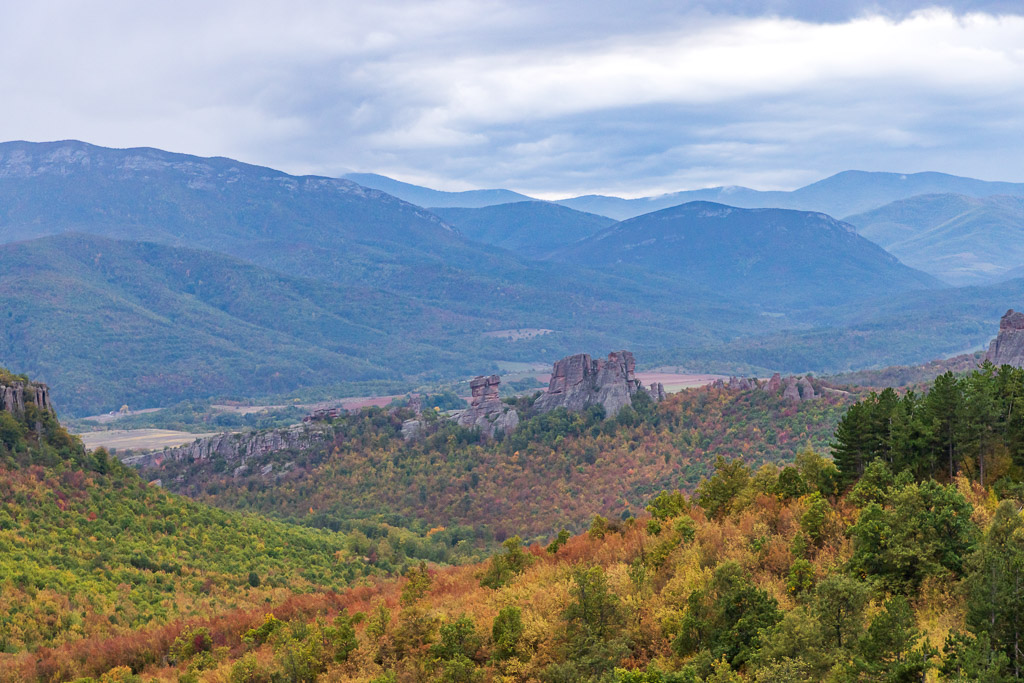
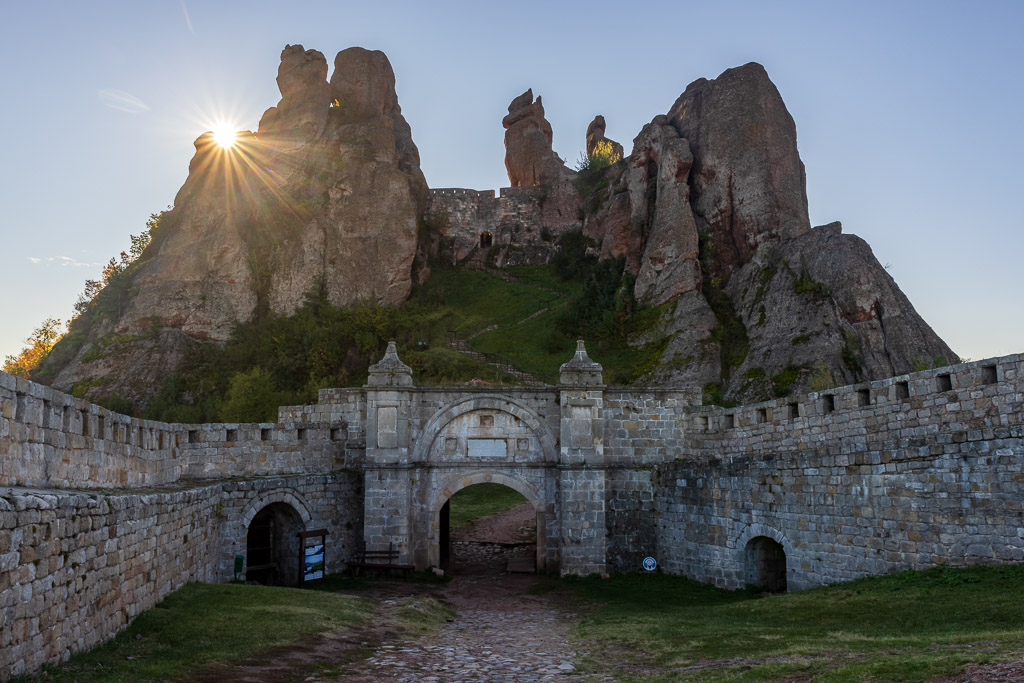
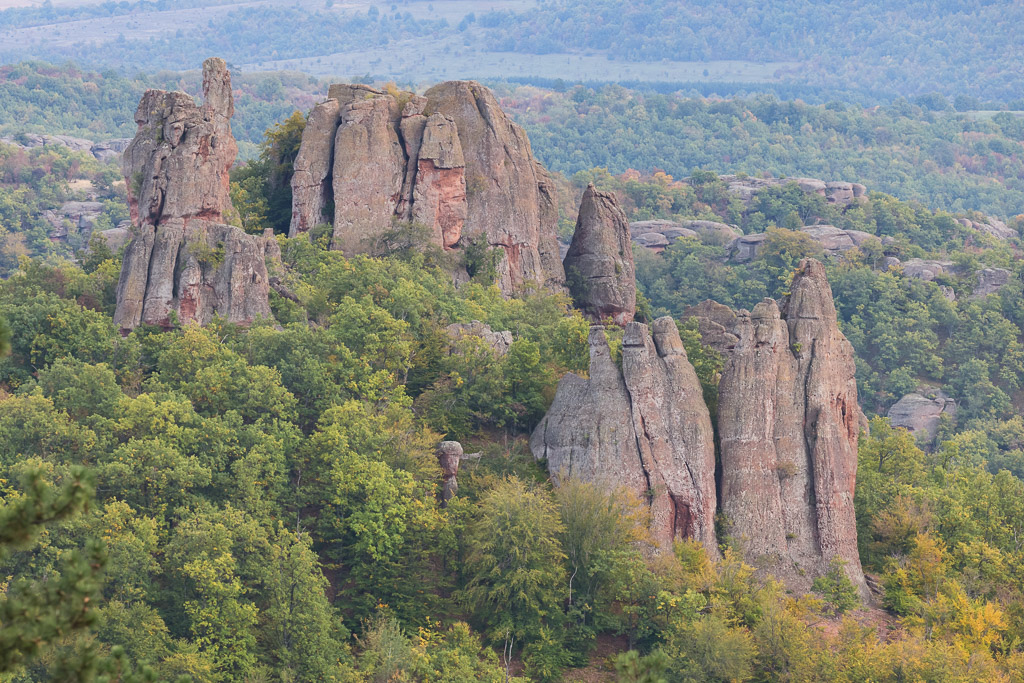
The landscape in Bulgaria after the border at first is pretty flat and uninteresting. Just over an hour after the border, we start approaching the Balkan mountains. We glimpsed our first sight of Belogradchik as the setting sun lit up the red pinnacles of the Belogradchik rocks. The fortress itself has been built into the rocks using their natural tower-like formations as part of its defensive structure.
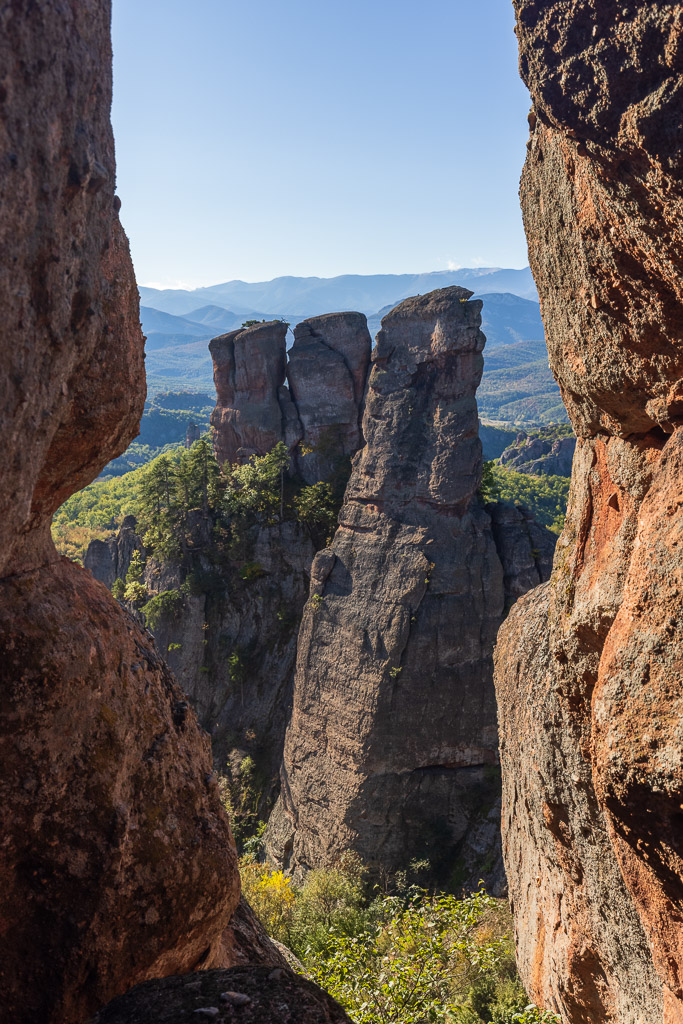
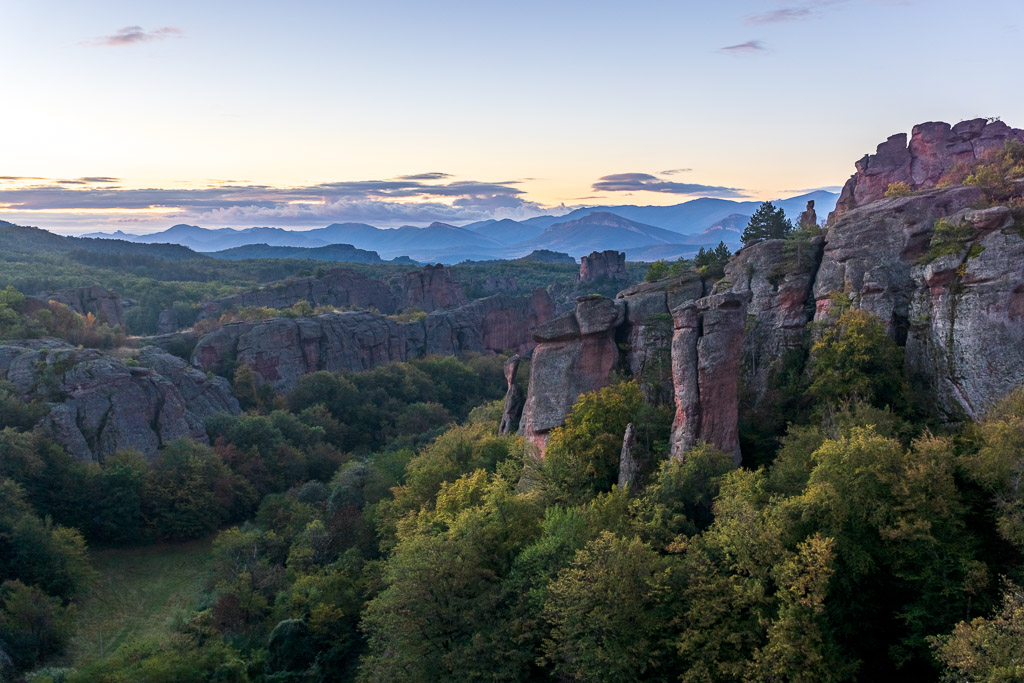
We parked up next to the fortress and started by exploring a hiking trail around the fortress. We managed to find an off-track shortcut, which took us through a deep gulley valley in the rocks. It came out at the summer theatre (an old communist outdoor theatre) with epic 360 viewpoints all around. Spectacular for both sunset and sunrise.
The fortress is also pretty cool to visit, once, inside its walls, you can climb up the rocks that are both inside the walls and part of the fortress. Great views of the red rock valley which extends East and West for 50km and is surrounded by the Balkan mountains.

2. Prohodna Cave, God’s Eyes
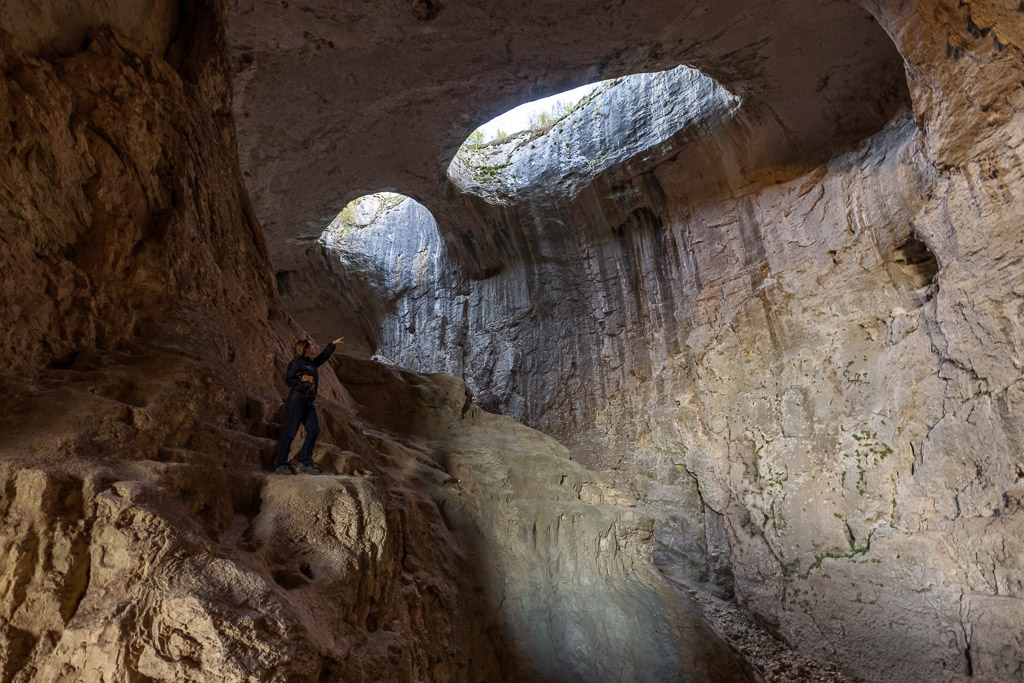
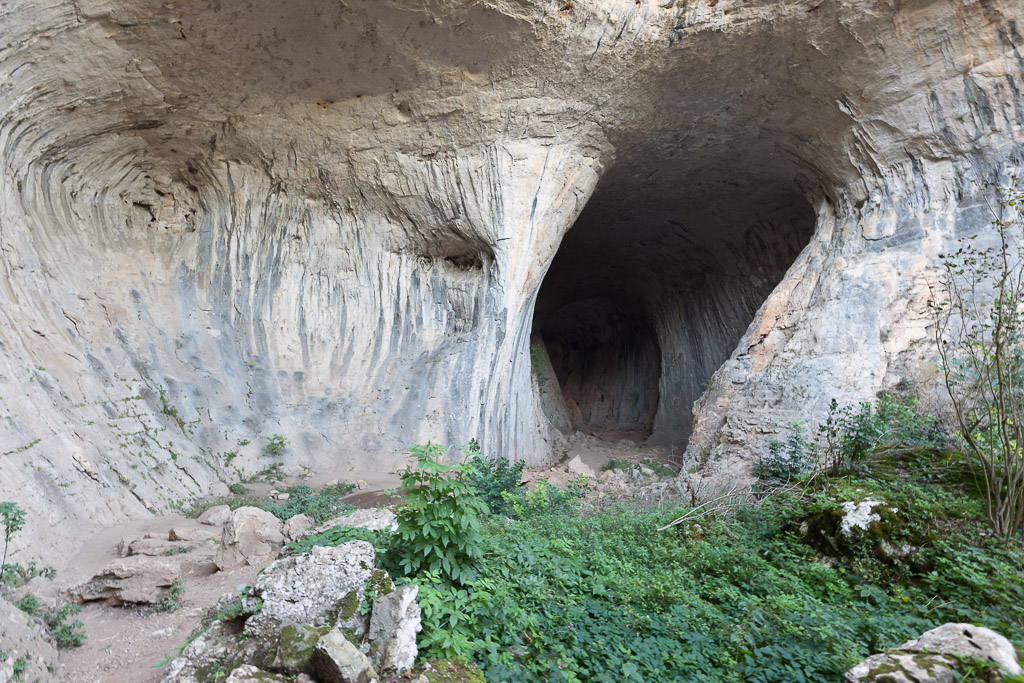
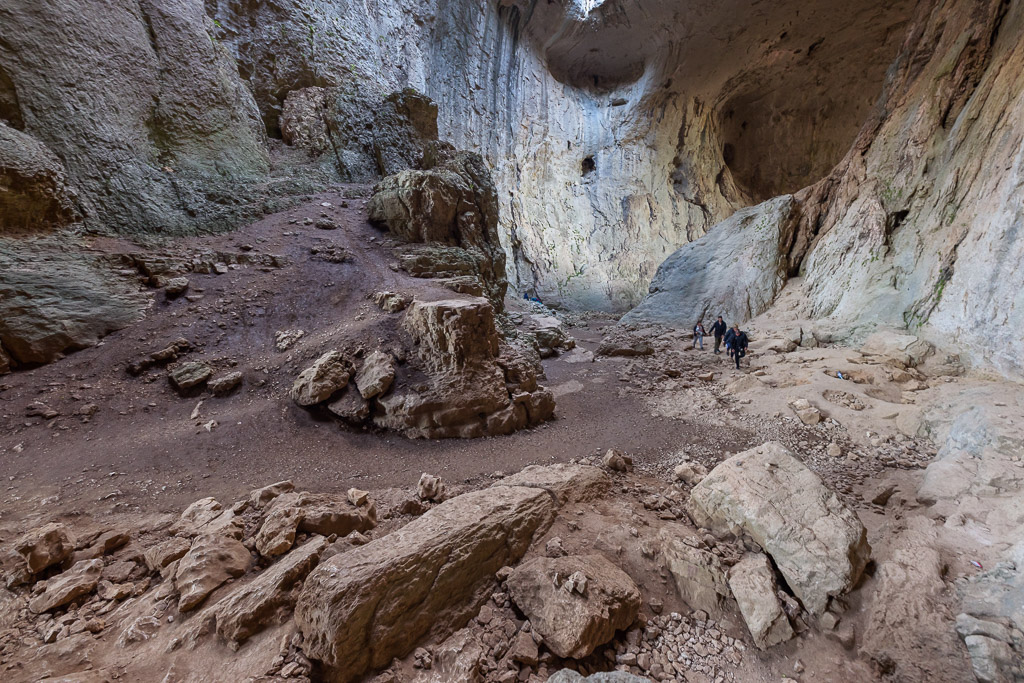
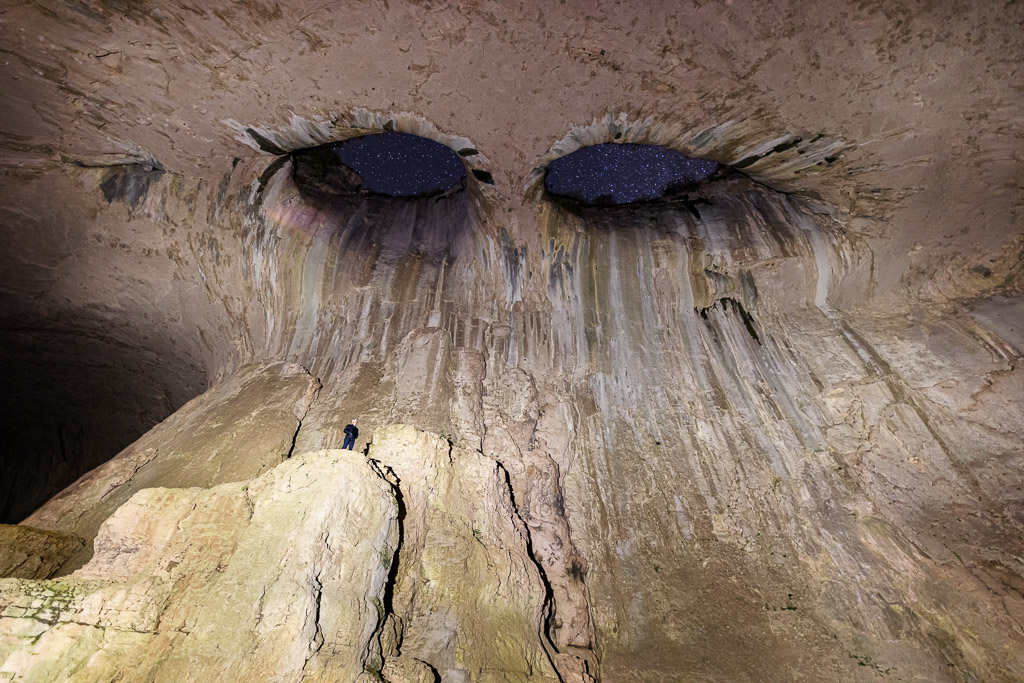
The surrounding land is flat farmland, approaching the cave you would have no idea that it was there. The cave itself has formed through limestone karst collapsing over time. It is a big open cave with two large entrances. Most notable are the two eye-shaped holes in the ceiling of this vast cavern, which earnt it its name. The eyes even have watermarks from the rain giving them an impression of eyelashes with smudged mascara.
We arrived late on a Sunday afternoon, the cave had a whole festival like vibe going on. Even down to some guy playing the bongo’s, trying to pick up unsuspecting girls. We watched some nail-biting climbers scaling the walls that went beyond vertical.
We went back into the cave after dark, with no one else around and enjoyed the quiet and the starry eyes.
3. Buzludzha, a Monument from the Communist Era
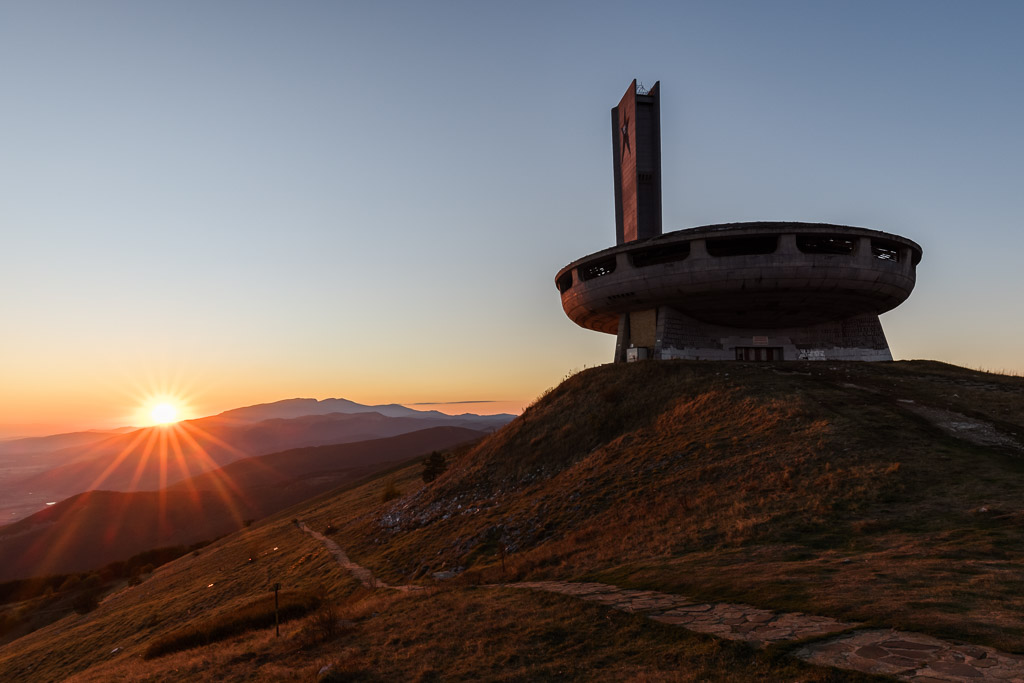
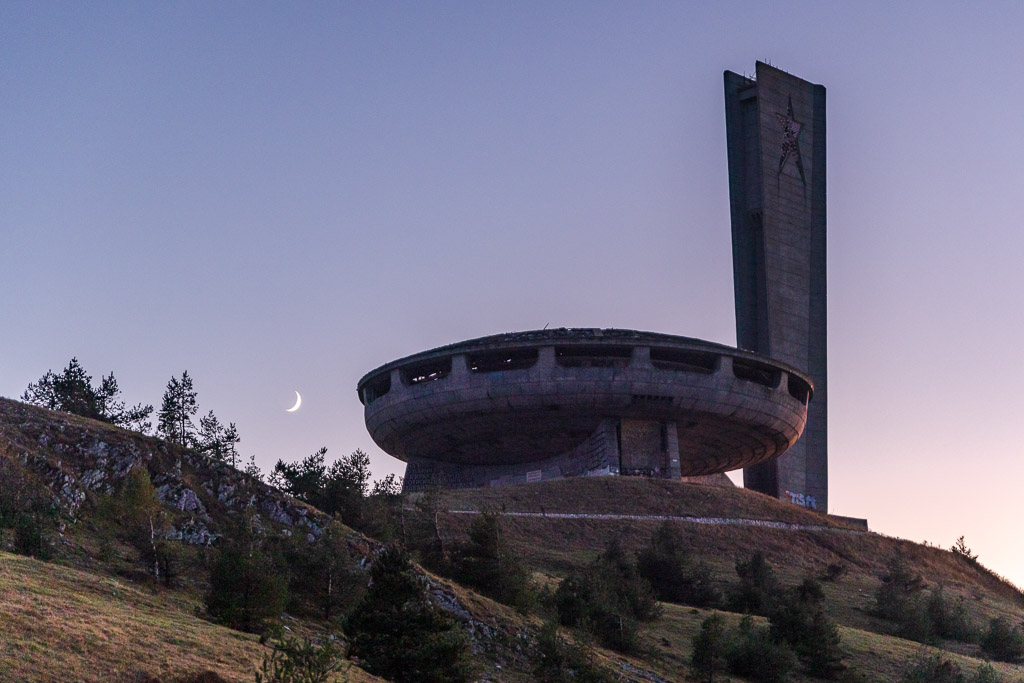
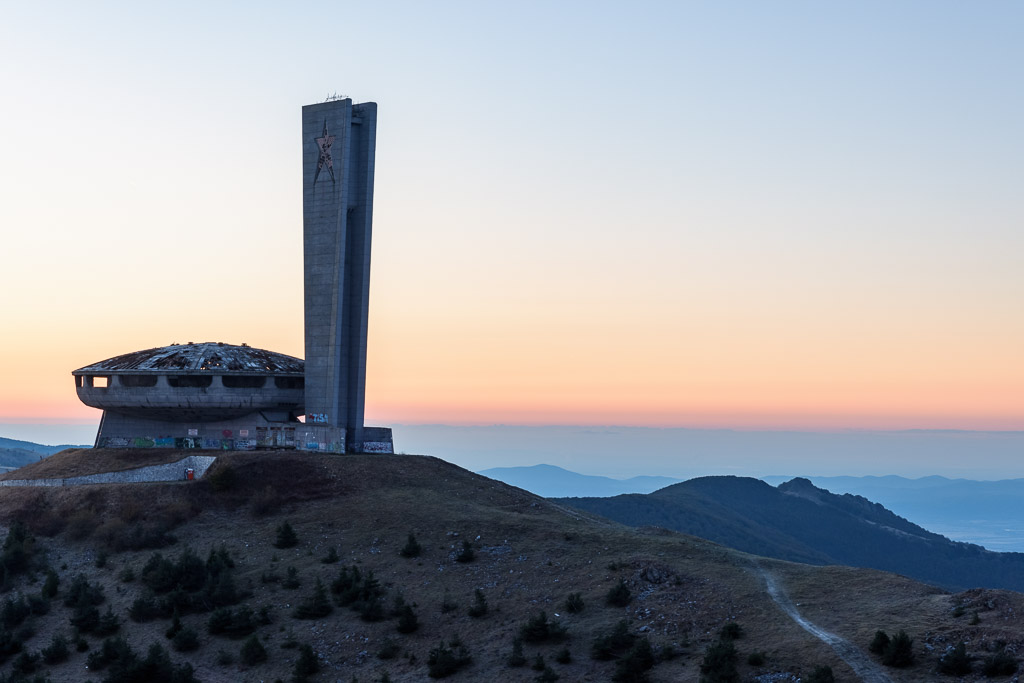
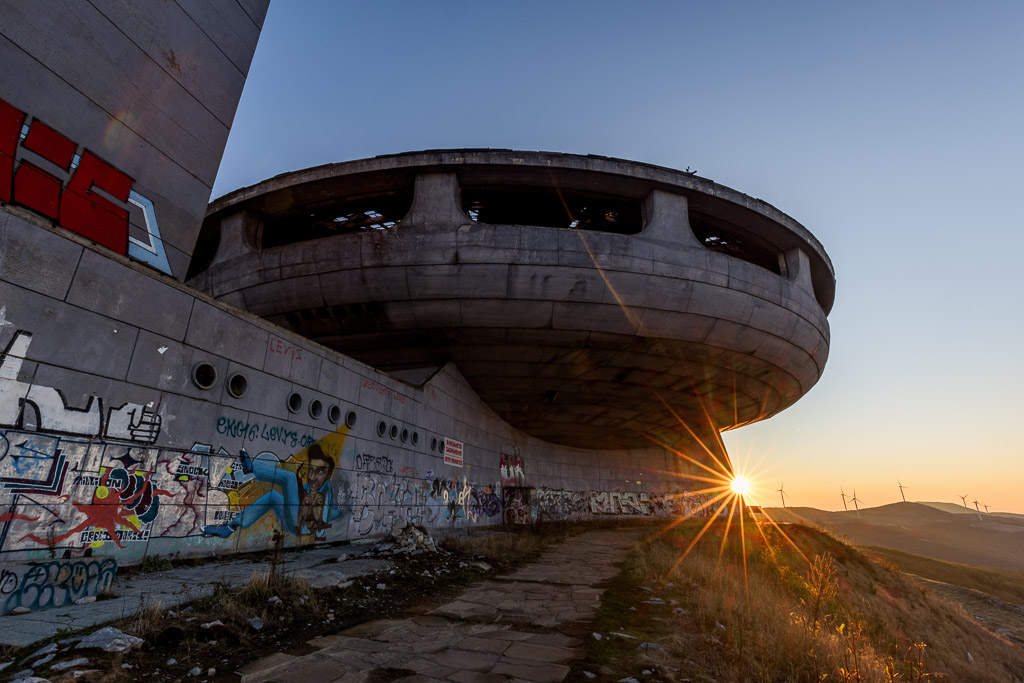
Buzludzha, also known as Khadzhi Dimitur was built on a remote mountain top location that in 1891 was the meeting place of a group of Socialists to plot a new socialist future for Bulgaria. Their movement eventually resulted in the formation of the Bulgarian Socialist Democratic Party, and then the Communist Party. Tasked with designing a monument that could be a meeting place for the Communist party. The architect Stoilov created a timeless if spacelike design that incorporated both ancient and futuristic motifs. Both the Roman Pantheon and the sci-fi films of the 1950s are listed amongst his inspirations for Buzludzha.
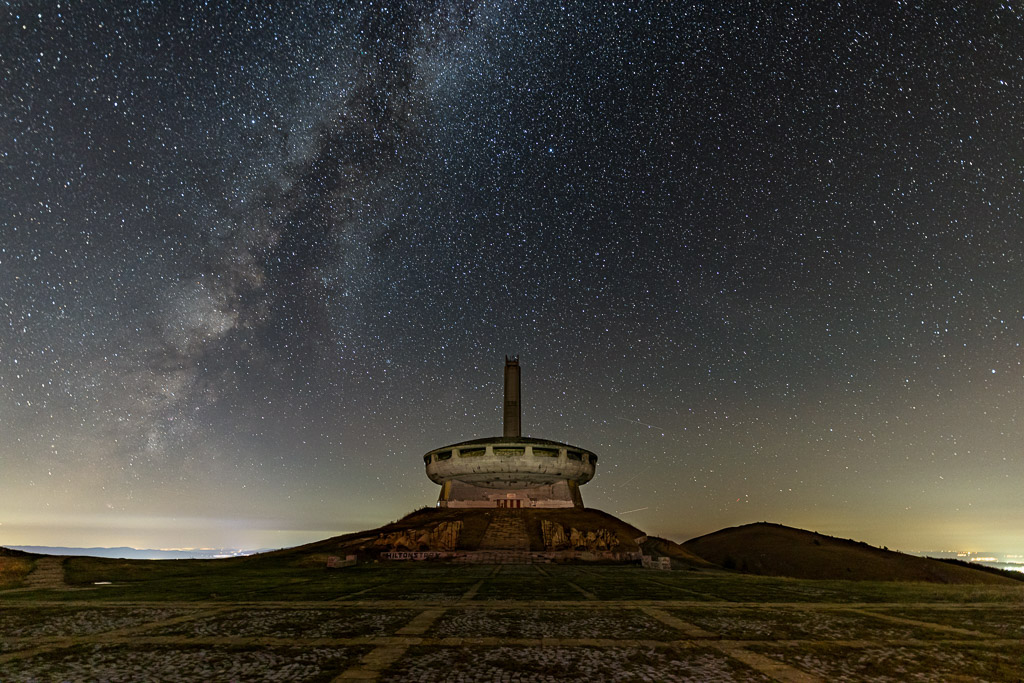
The road up the mountain to reach it is tough going as it is badly maintained, but well worth the effort to get up close to this extraordinary monument. We were able to park our campervan in front of the monument and spend the night there. We enjoyed the sunset, milky way and sunrise over this otherworldly monument.
4. Devil’s Bridge, Smolyan
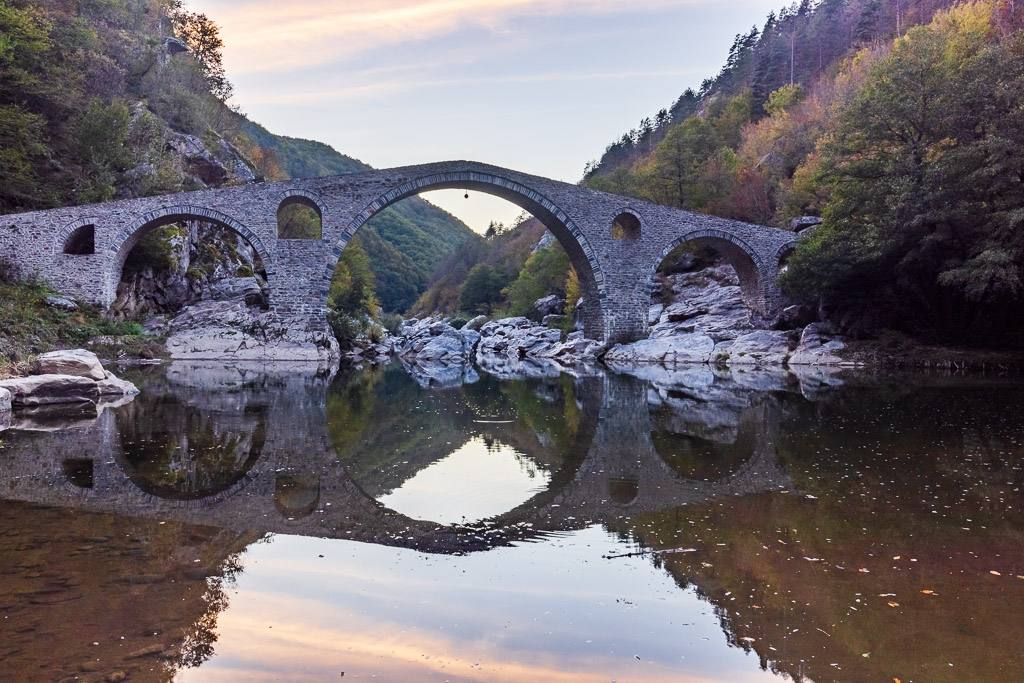
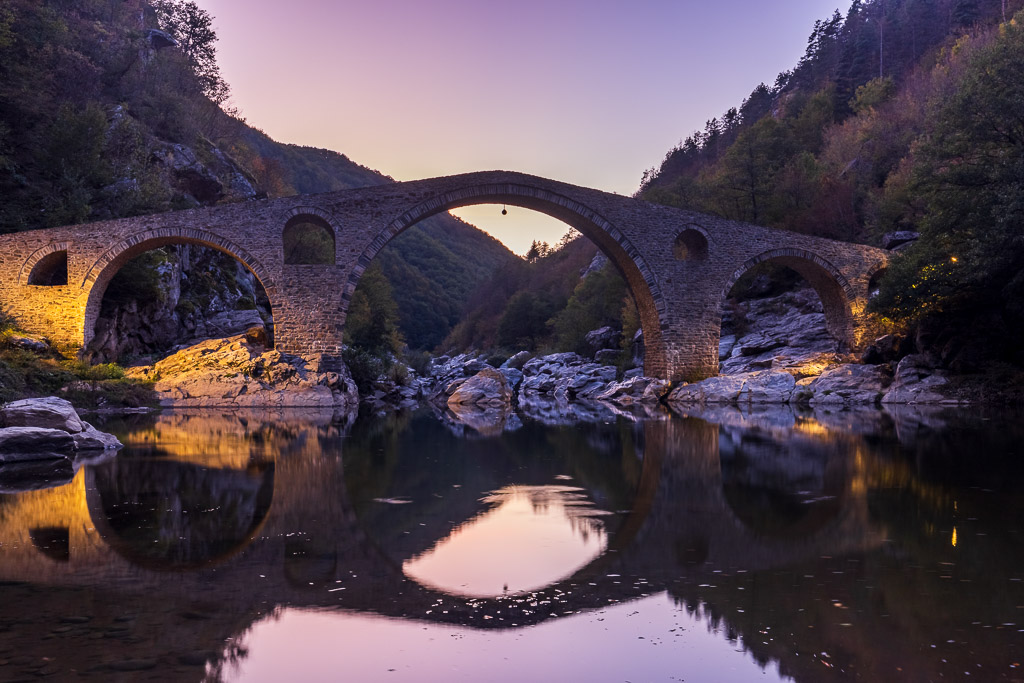
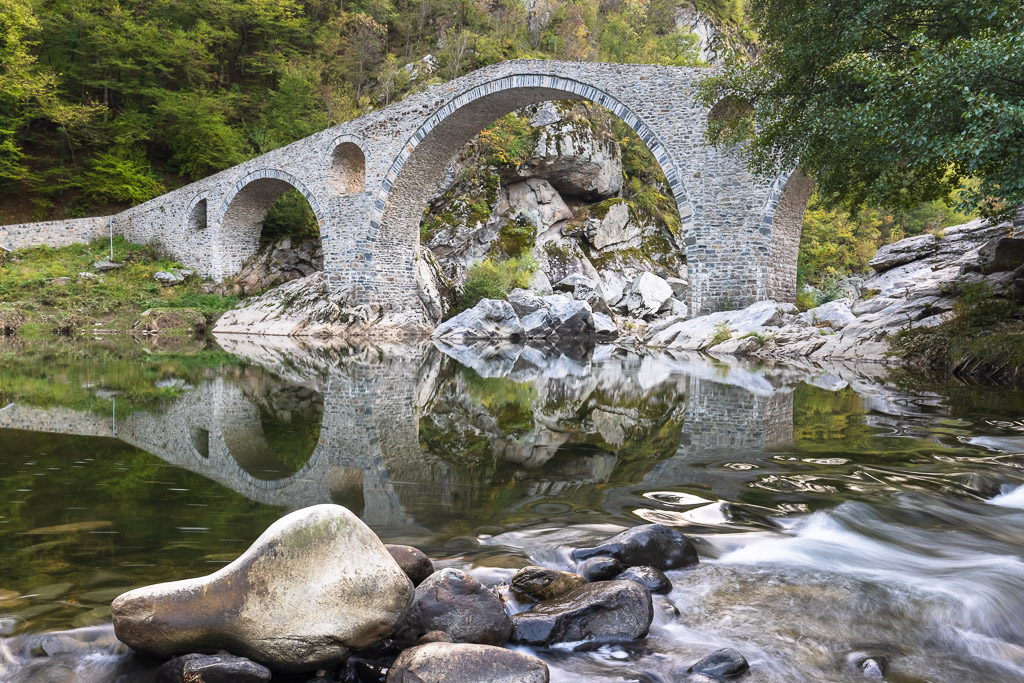
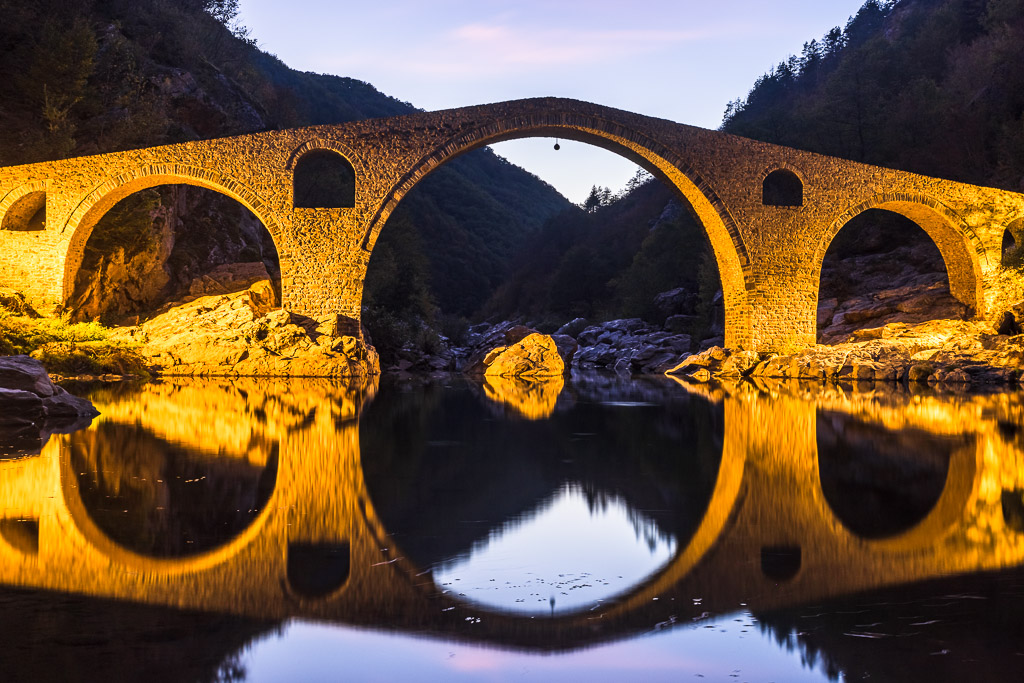
An extraordinary stone bridge over the River Arda in the Eastern Rhodope Mountains. It was built in the 16th century as part of the trade route between Thrace and the Aegean Coast in Greece. There is a mystery about the bridge and many local ghost stories and myths regarding its build. This includes a deal that the master-builder made with the devil to enable the bridge to withstand the powerful river. 500 years later, not only is it still standing but it is in mint-like condition.
5. Horseshoe Bend, Rhodope Mountains
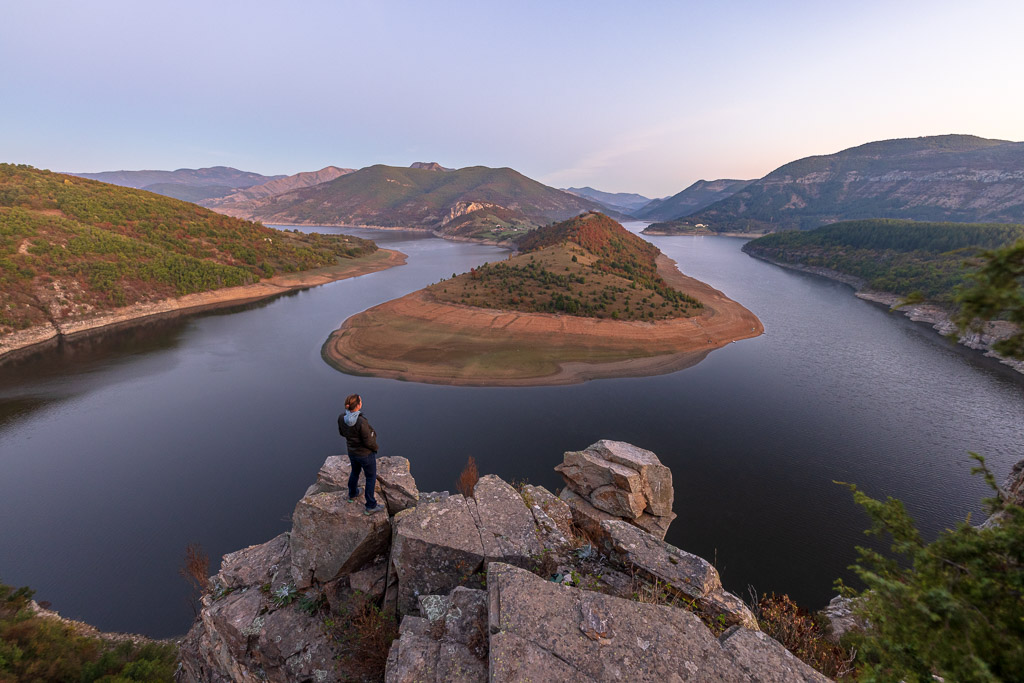
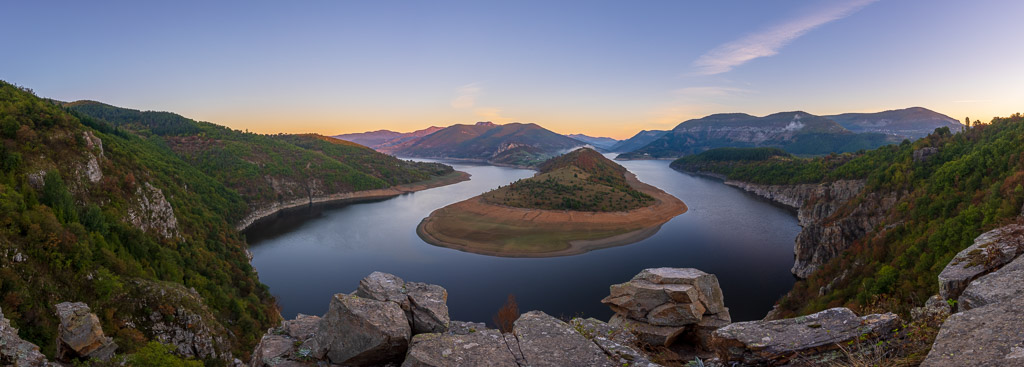
This horseshoe-shaped meander is 40km downstream of the Devil’s Bridge. We parked up in our campervan for the night on the side of the road and found an outcrop of rocks above the river to watch the sunrise in the morning.
6. The Black Sea
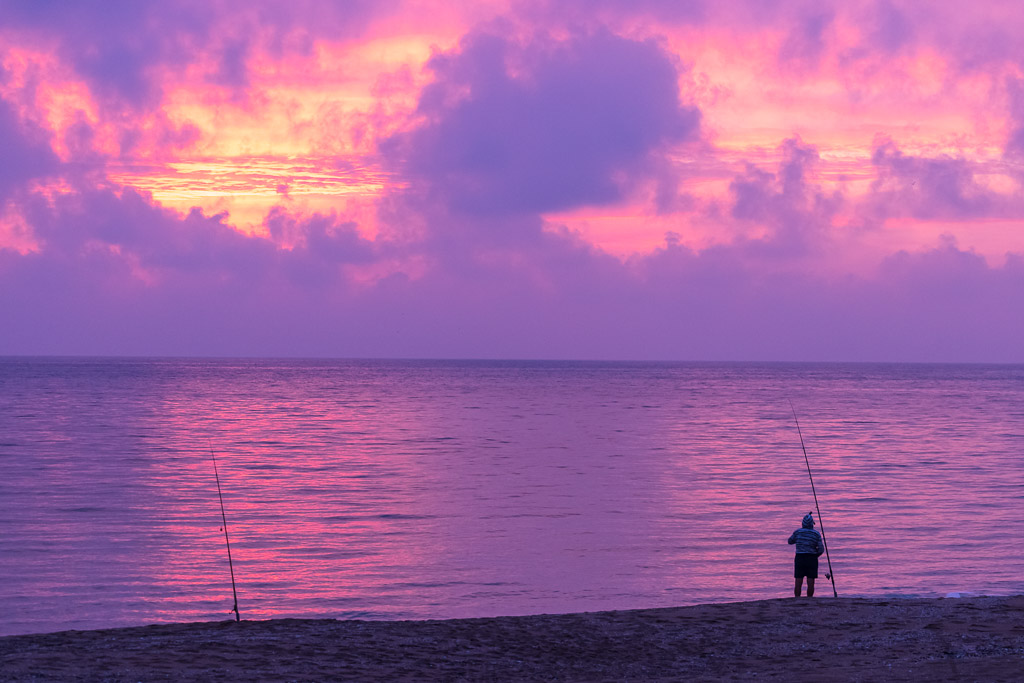
We arrived at the Black Sea Coast at the city of Burgas. We were keen to catch some of the autumn migration of soaring birds that pass, travelling to Africa from Europe and Russia. The listed bird hides we had found were either shut due to COVID or pretty rubbish so we decided to drive on up the coast and enjoy some time on the beach.
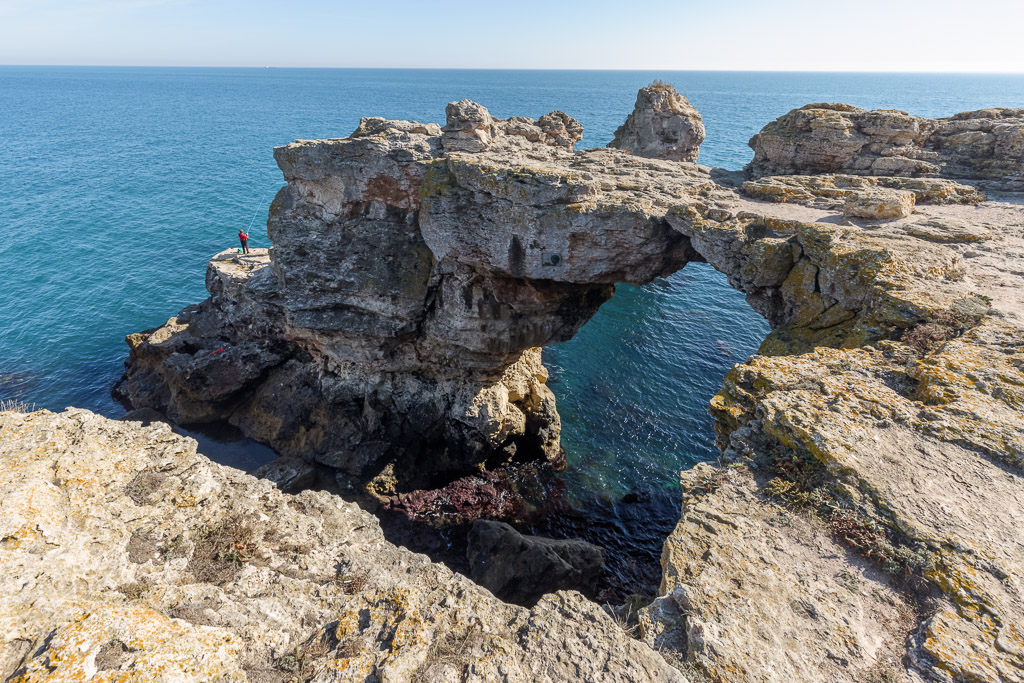
The coast immediately north of Burgas, has fallen prey to the same over development as the Spanish Mediterranean. With big resort complexes and tall hotel and apartment blocks clustered around the bays. As we drove further North the big developments fall away and we found gorgeous long stretches of deserted beaches and limestone cliffs.
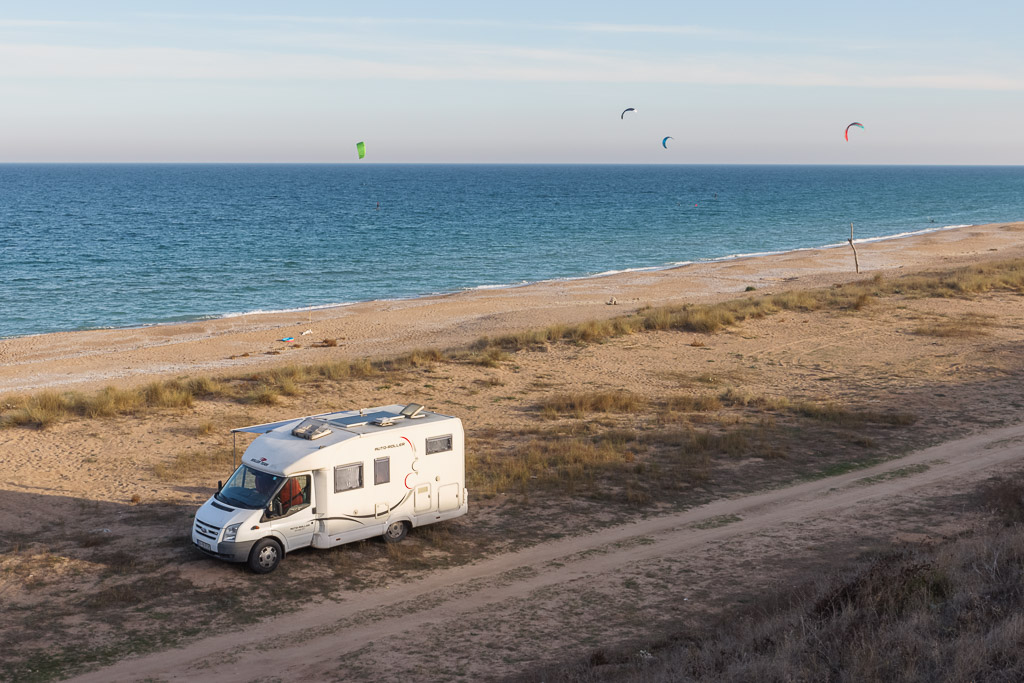
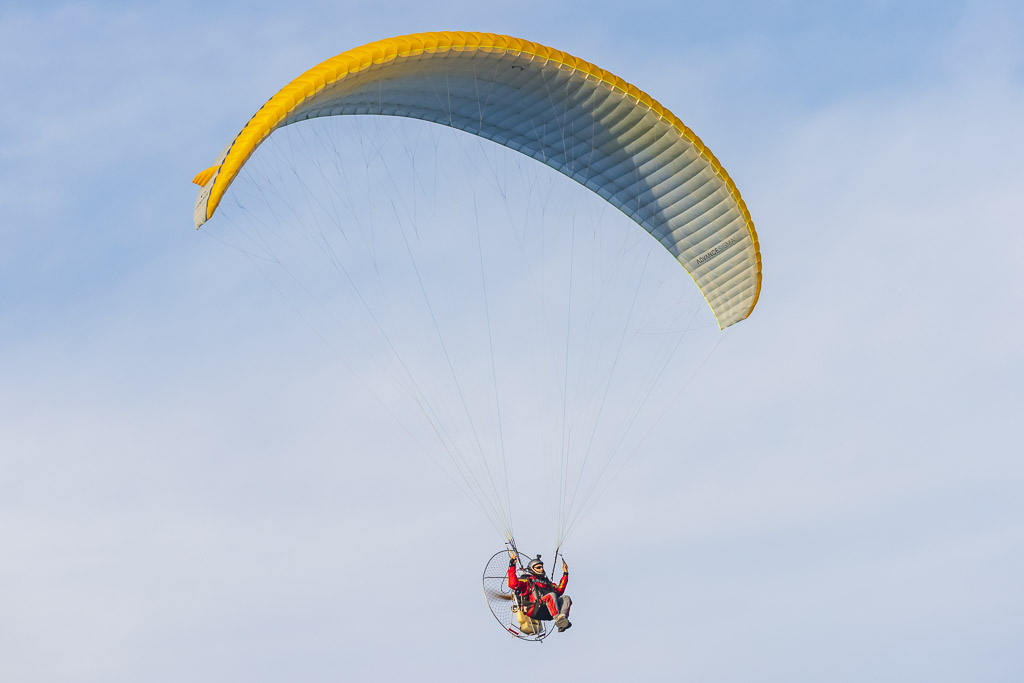
We ended up spending a night on the beach at the unfortunately named Krapets. The is a sandy track along the side of the beach and we drove a couple of kilometres up and parked up on a quiet spot right by the water. As the afternoon sea breeze kicked in the local kitesurfers with mixed skills. There was even a crazy person on a paramotor flying up and down the beach.