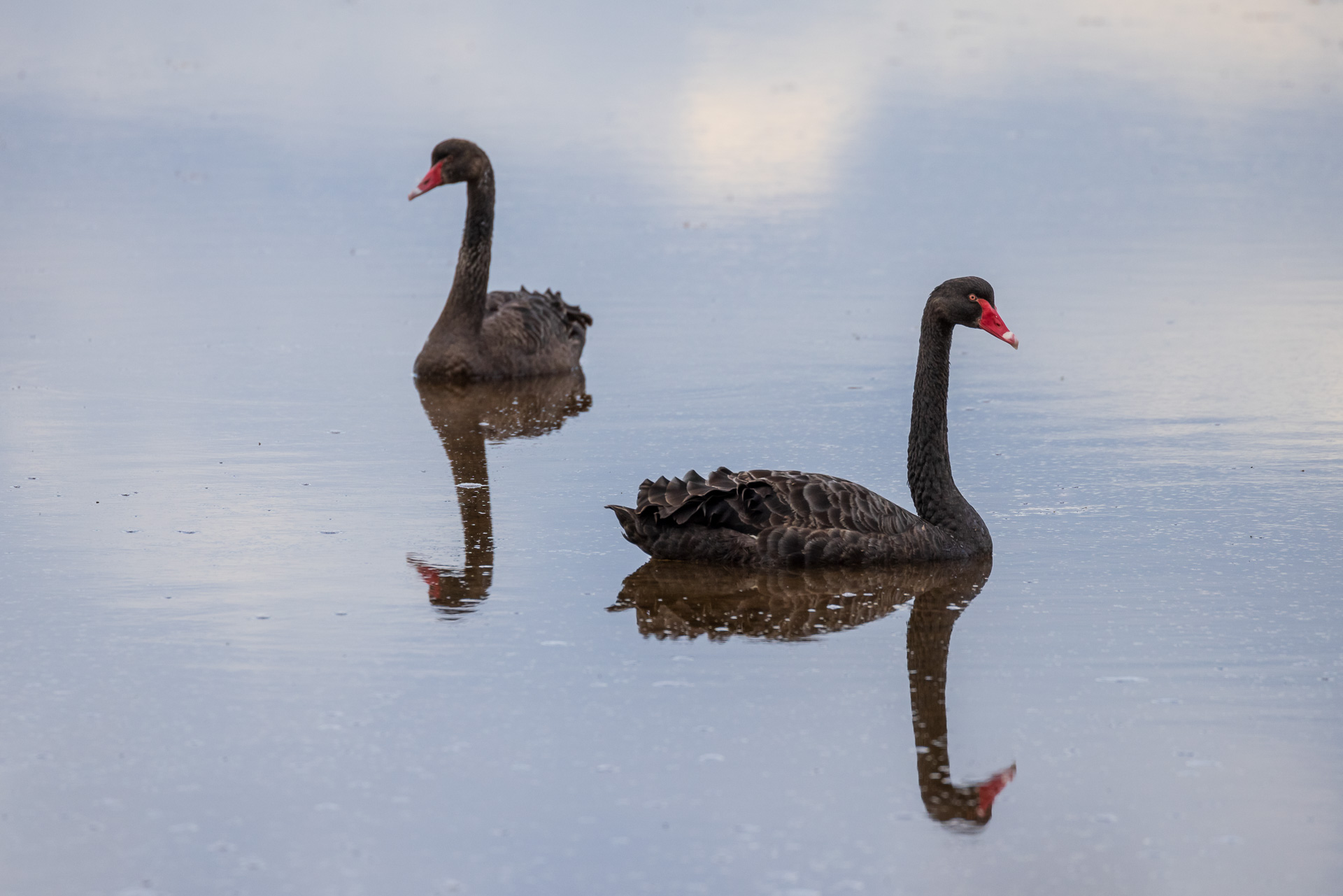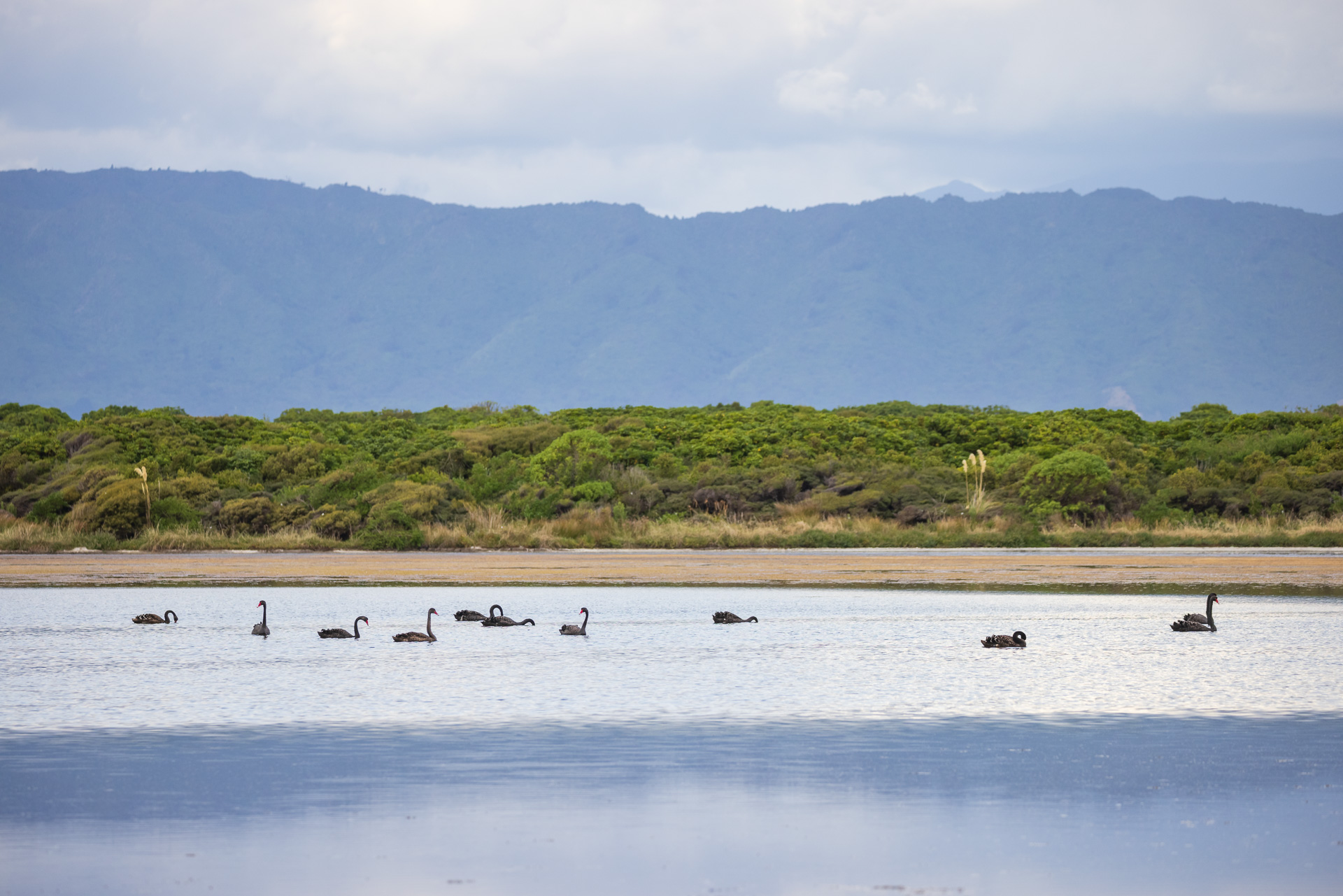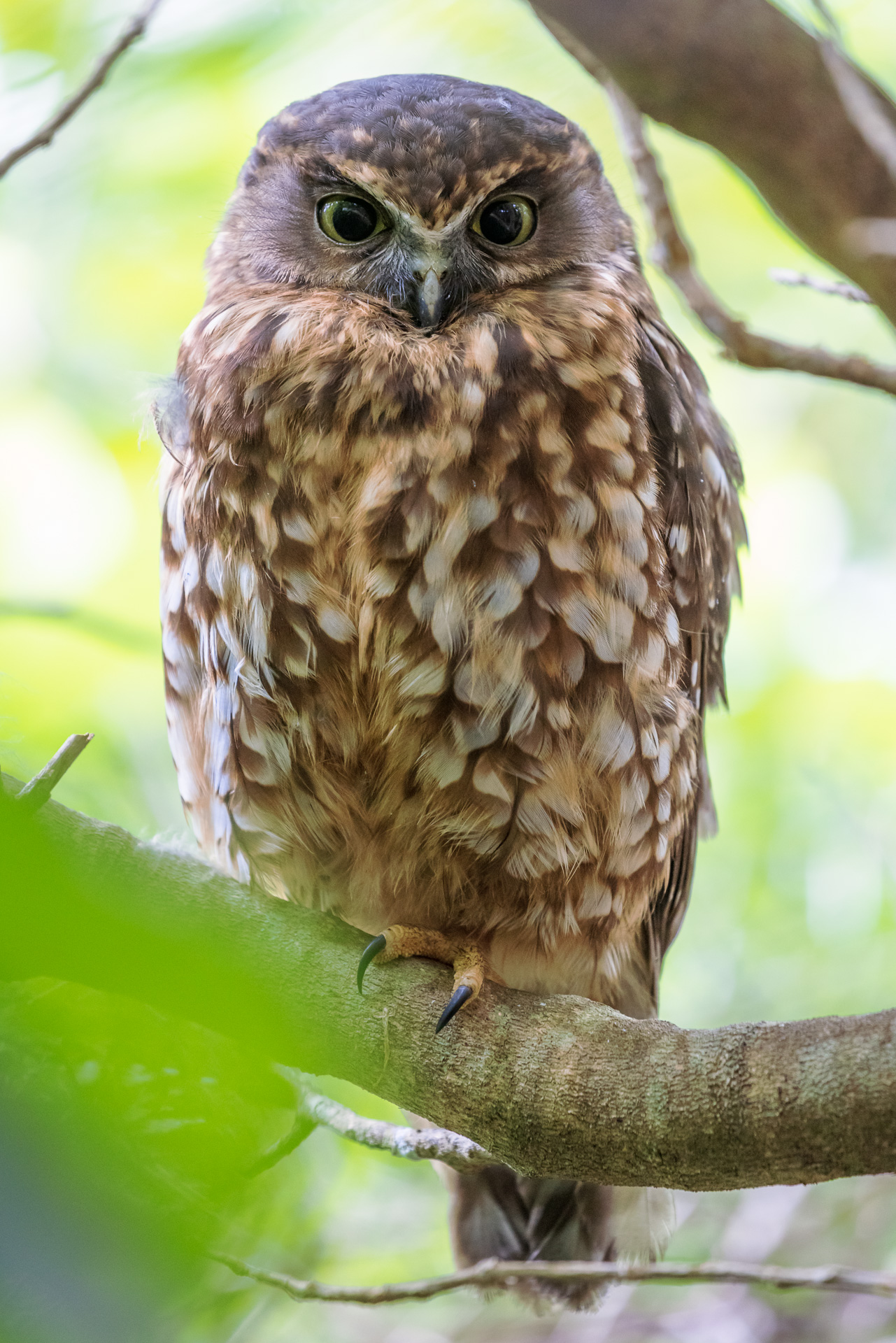
We spend a week on the road zigzagging our way through New Zealand’s North Island from Wellington to Auckland, starting with a few days at Cape Palliser followed by an overnight trip to the predator-free sanctuary that is Kapiti Island. From here we head to Castle Point and Cape Kidnappers on the east coast taking in spectacular coastal scenery and gannet colonies. We then join the thermal explorer highway and head inland to Lake Taupo before finishing in Auckland.
Ngawi, Cape Palliser
Cape Palliser road follows the coast for 18km from Putaringua Pinnacles to Ngawi, the fishing village before Cape Palliser Lighthouse. One seemingly endless beach stretching away into the sea haze with lots of spots to stop and swim and freedom camp if you wish.
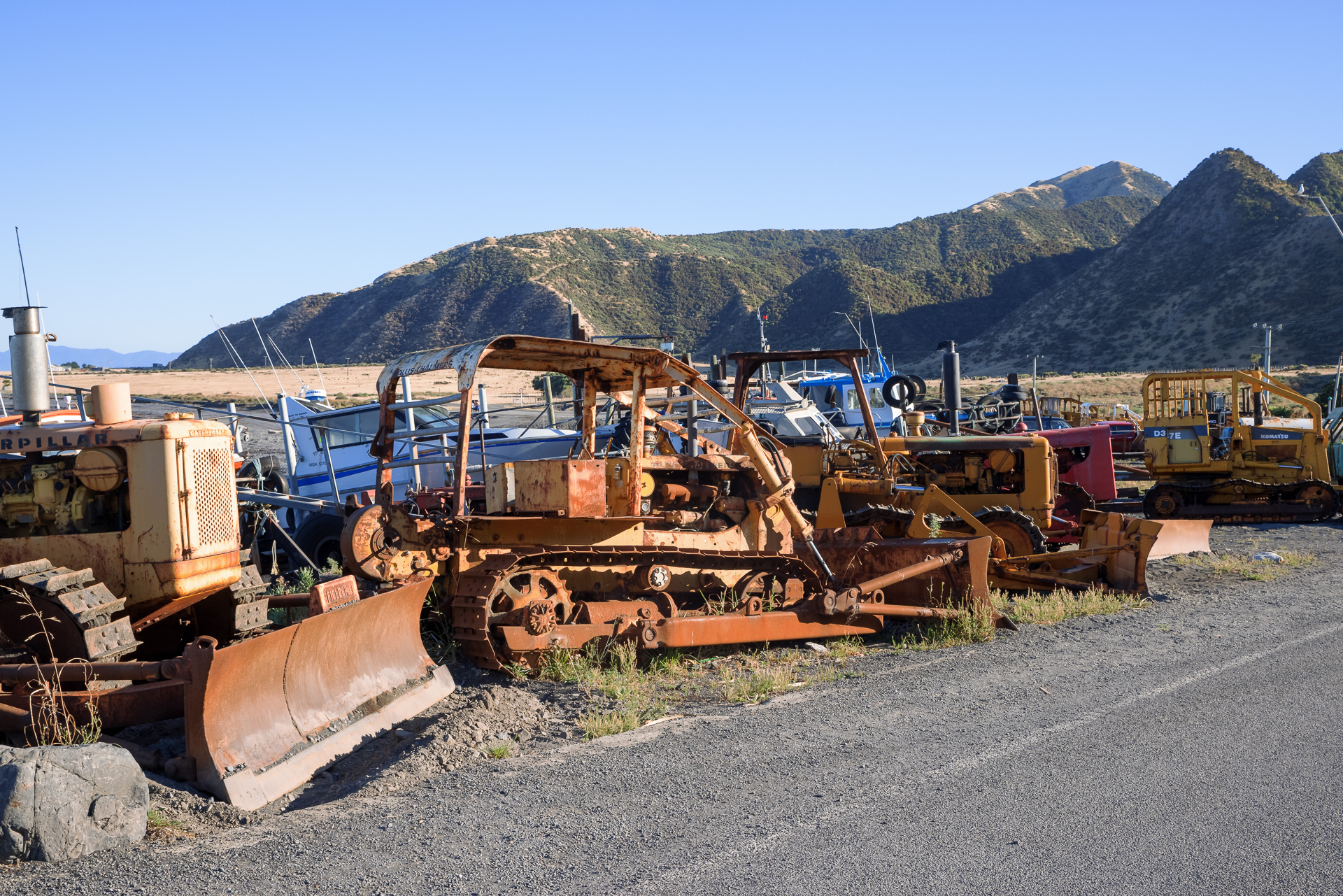
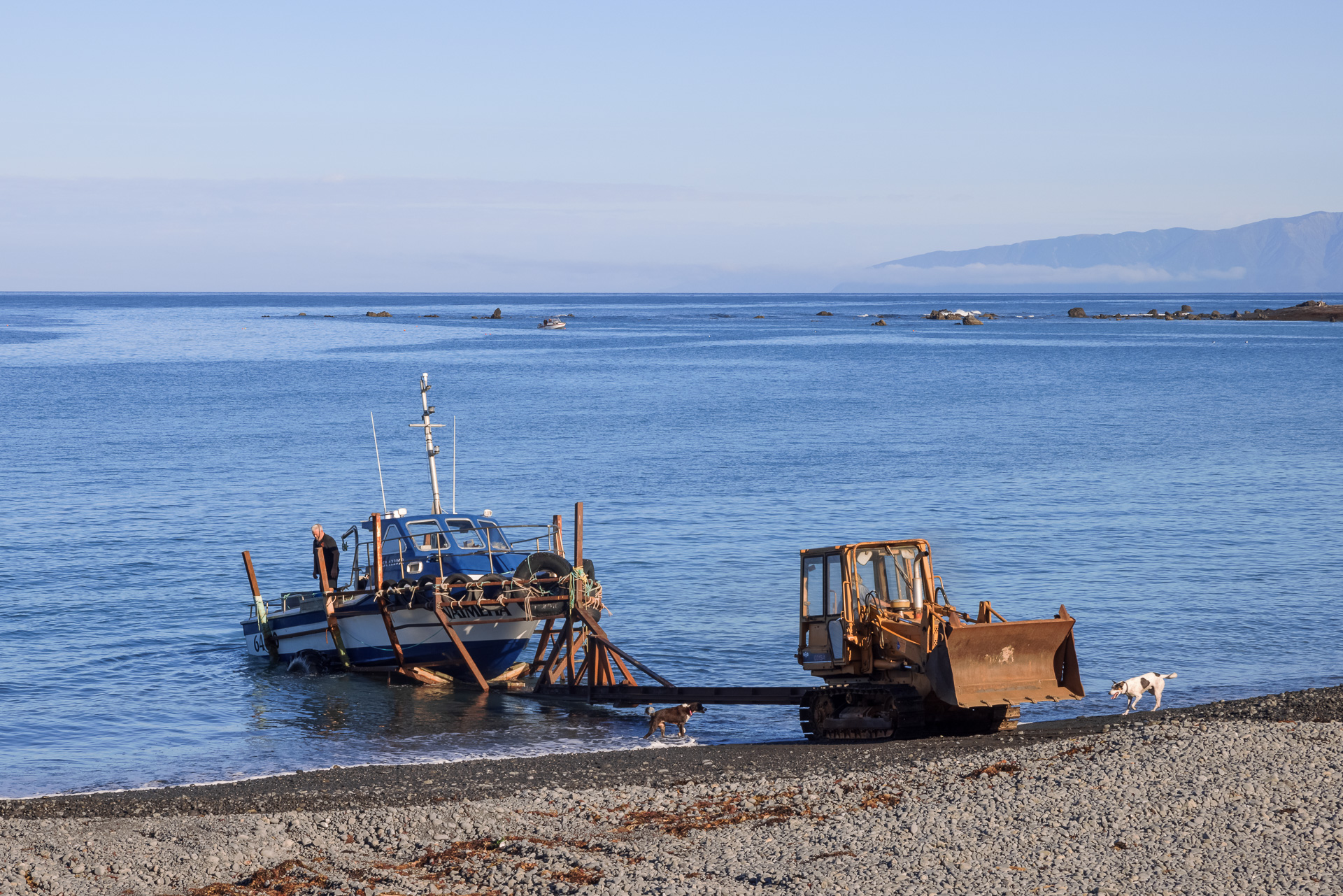
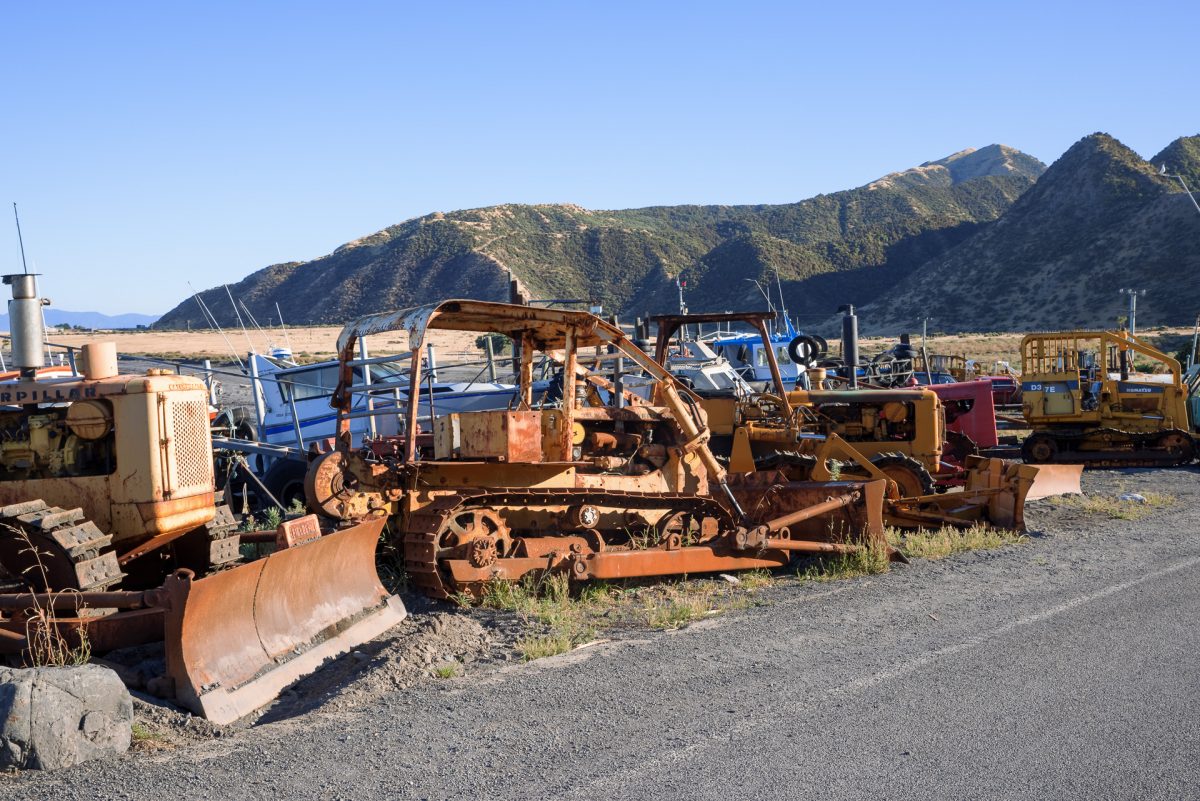
Ngawi village is lovely, with houses scattered up the hill and memorable for its line of fishing boats, each attached to a vintage bulldozer capable of tackling the steep beach and launching them into the sea.

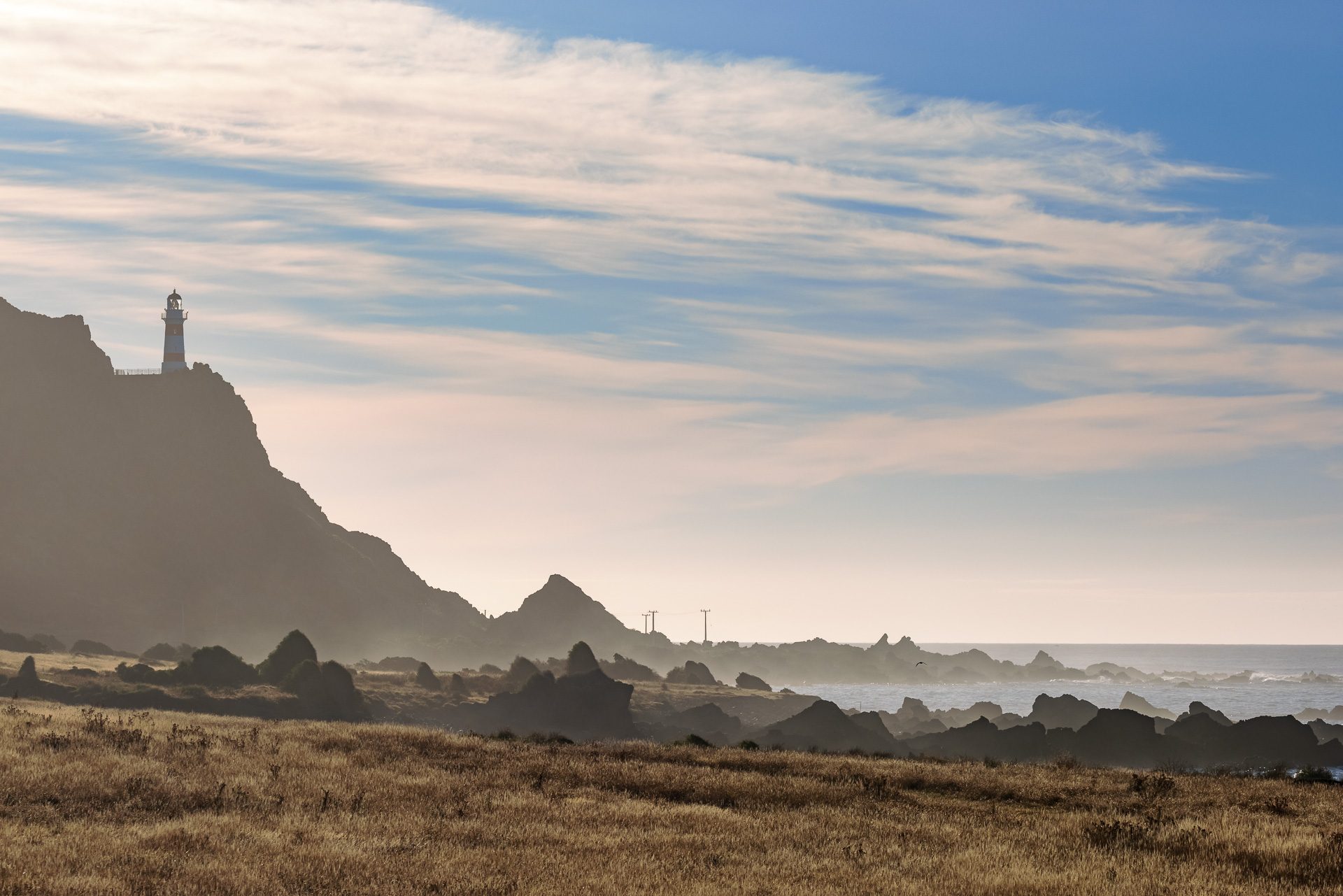
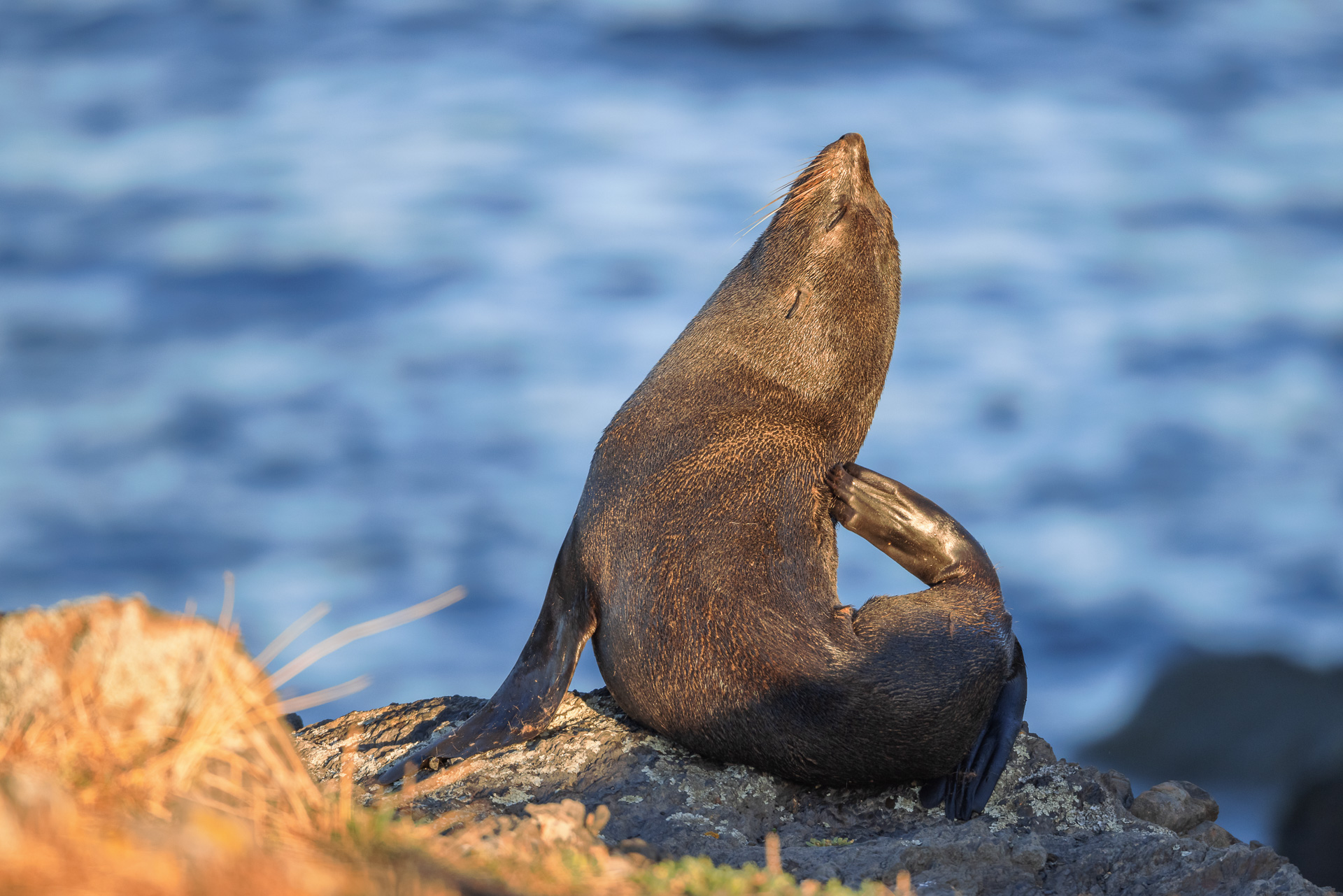
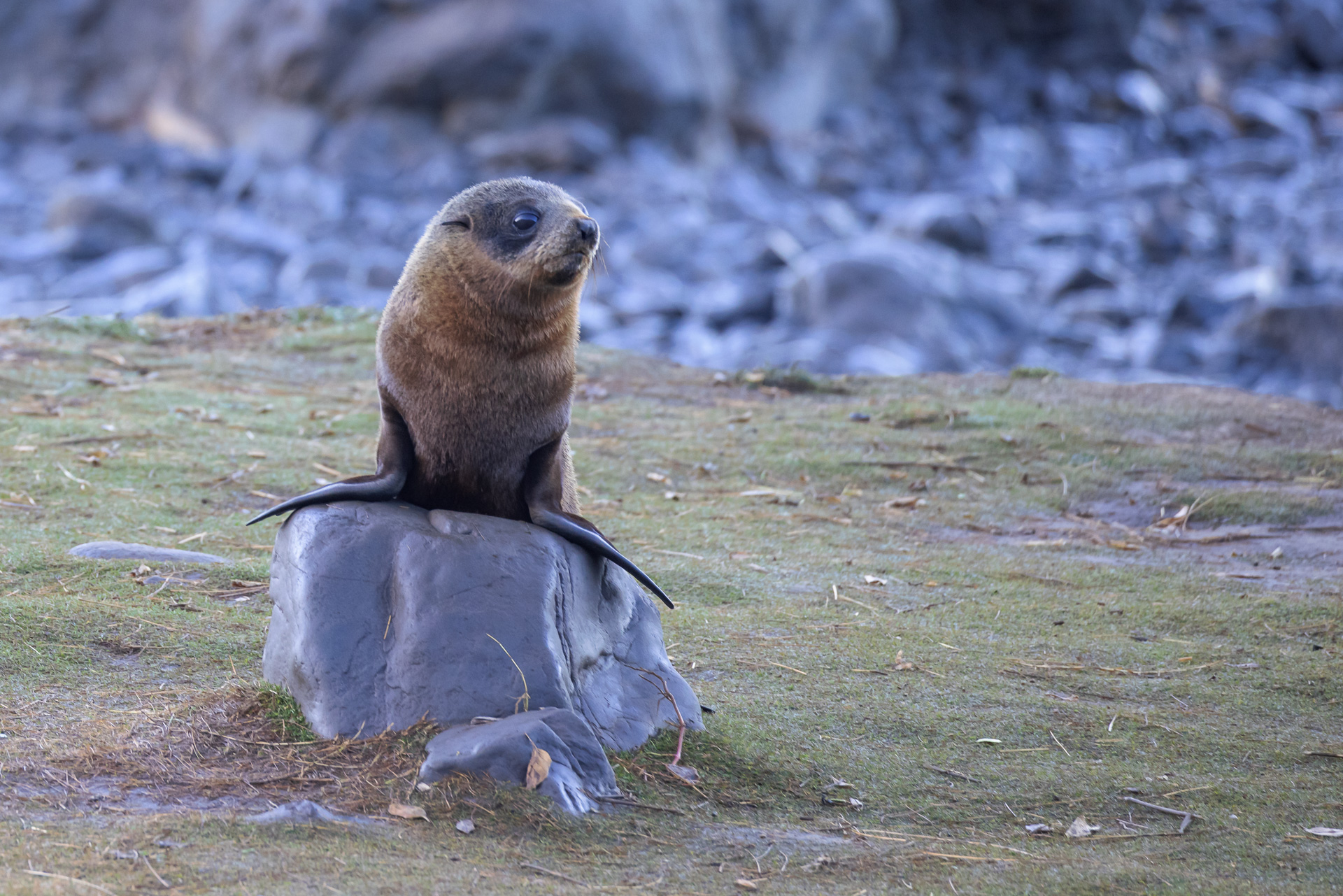
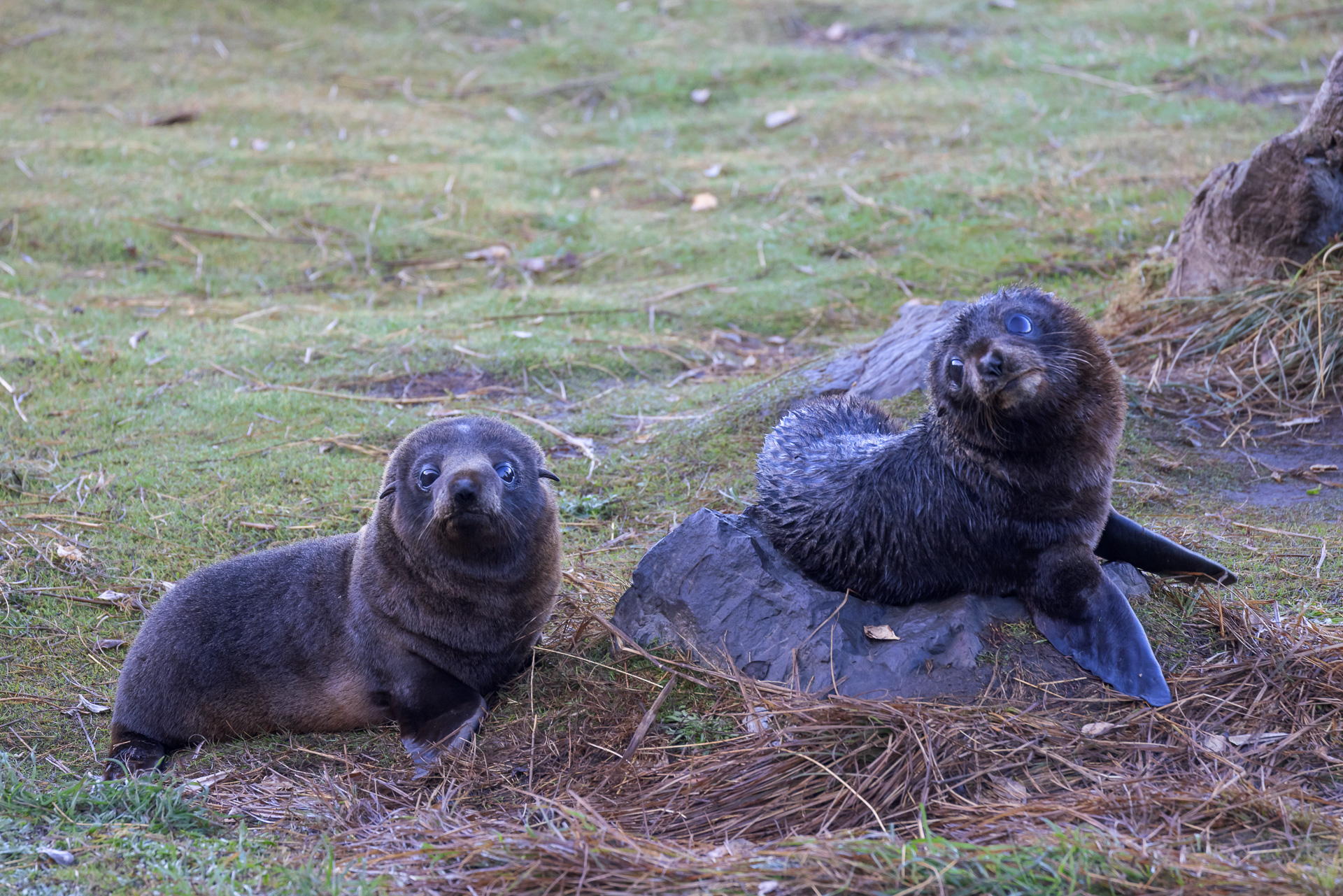
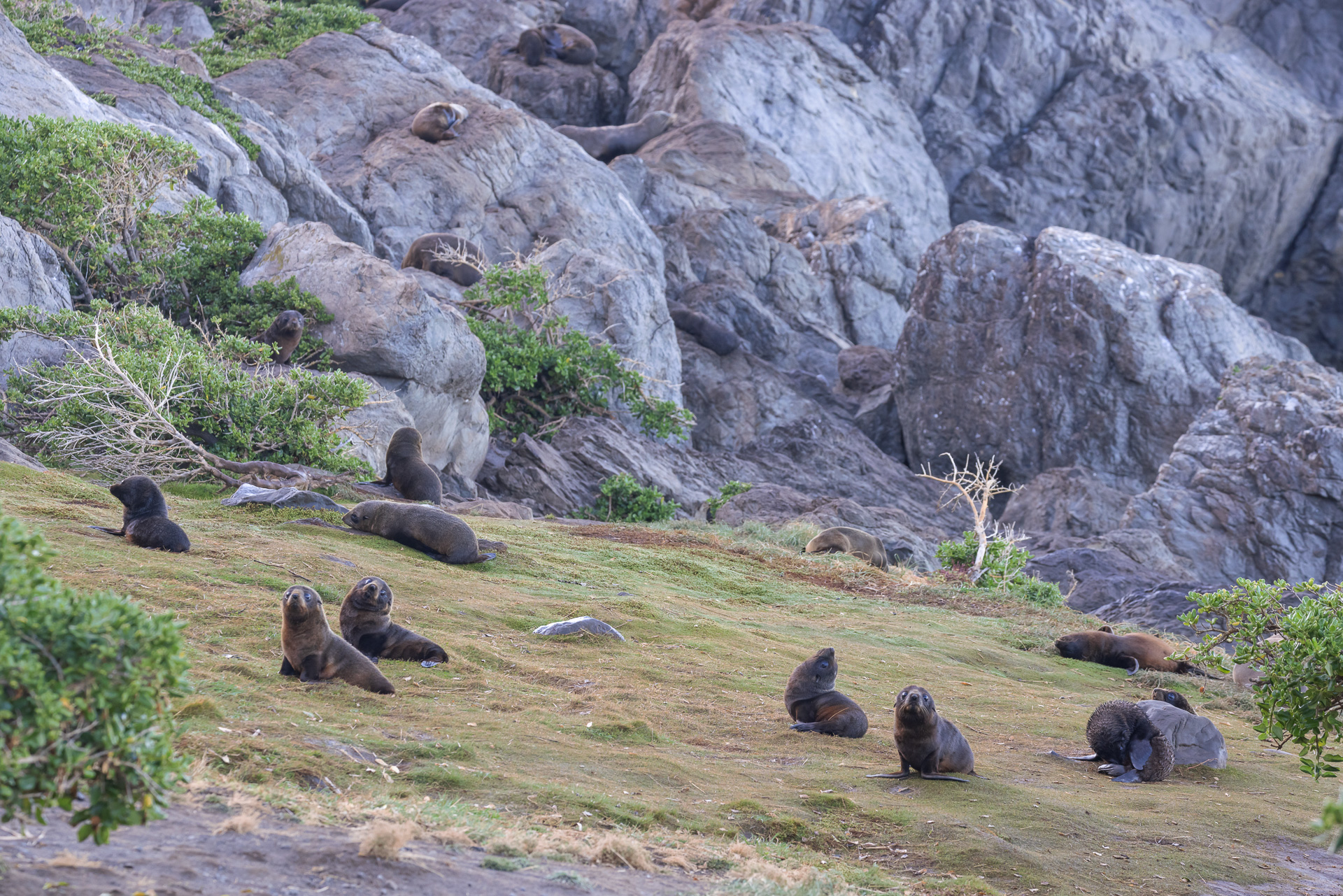
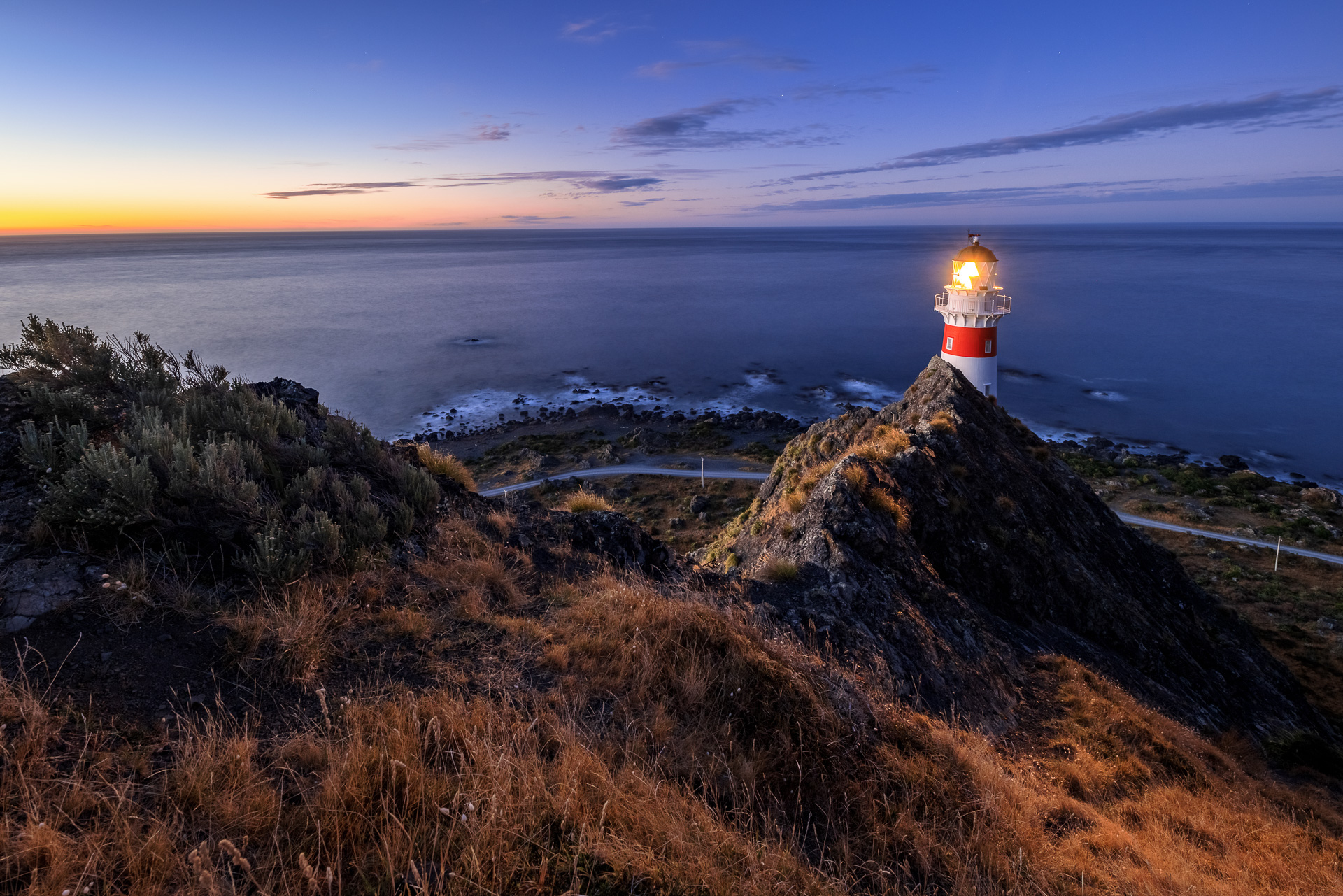
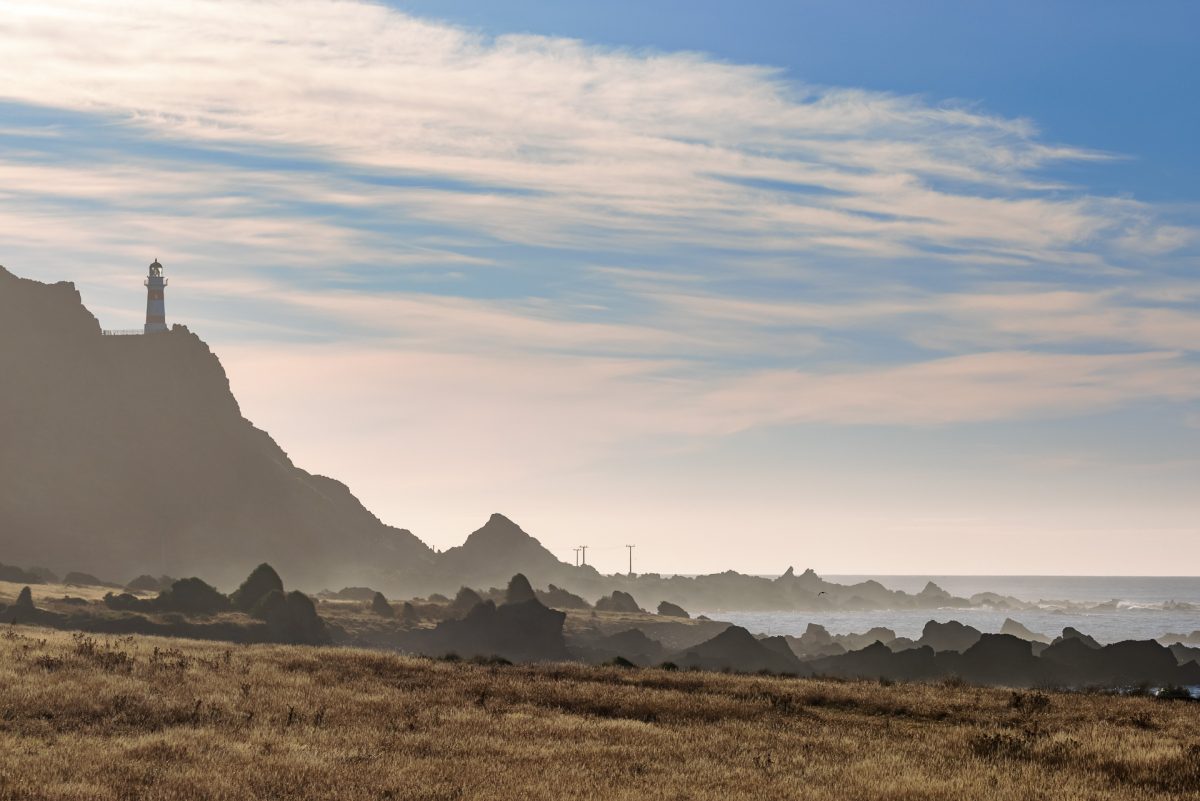
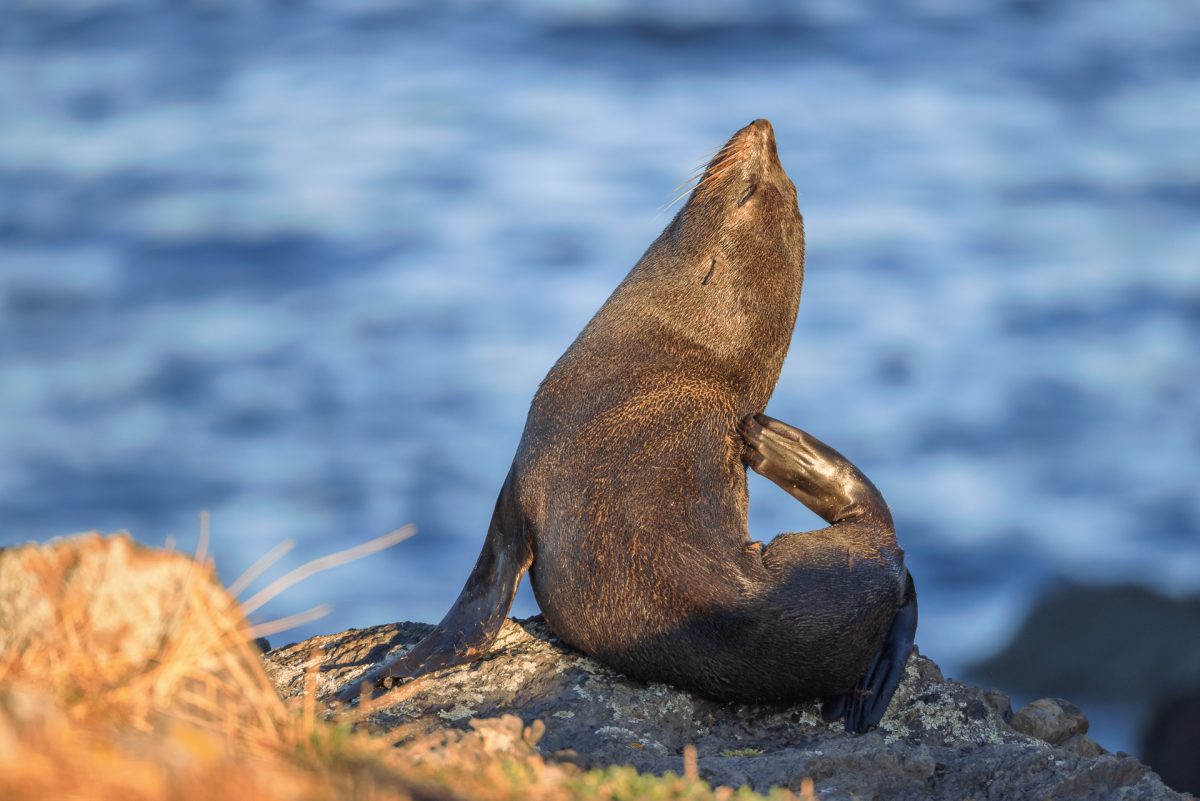
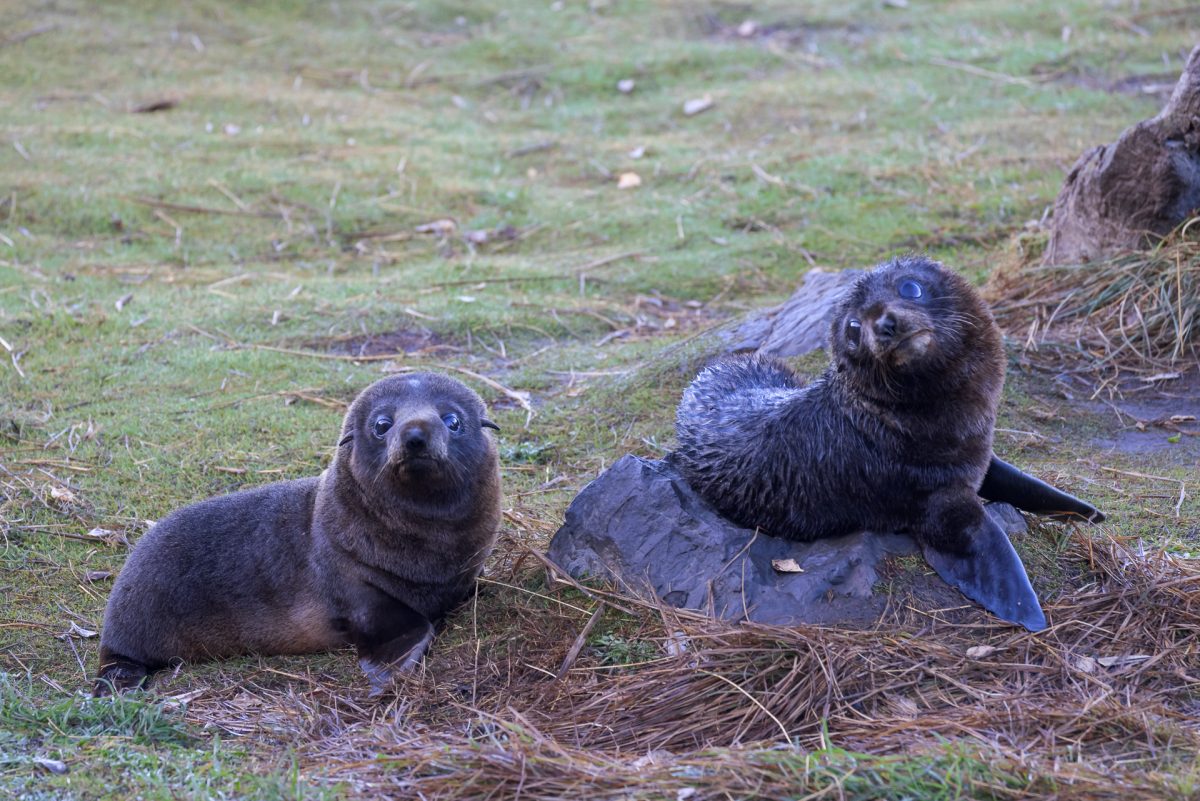
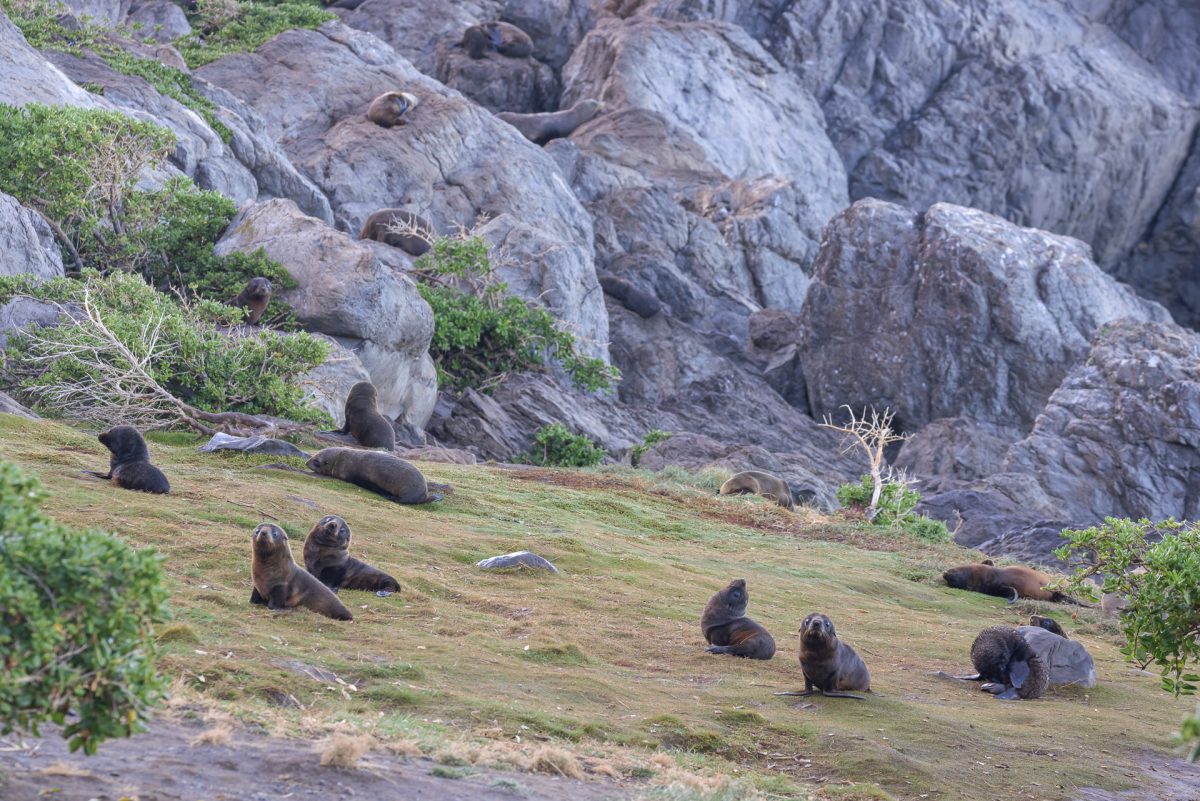
The road from here to the lighthouse heads southeast and passes more rugged exposed beaches with multiple seal colonies. The grass towards the beaches is dotted with seals and playful pups. It is a hot climb of 800 steps up a wooden staircase to the lighthouse, worth it for the spectacular views in all directions.


Putangirua Pinnacles
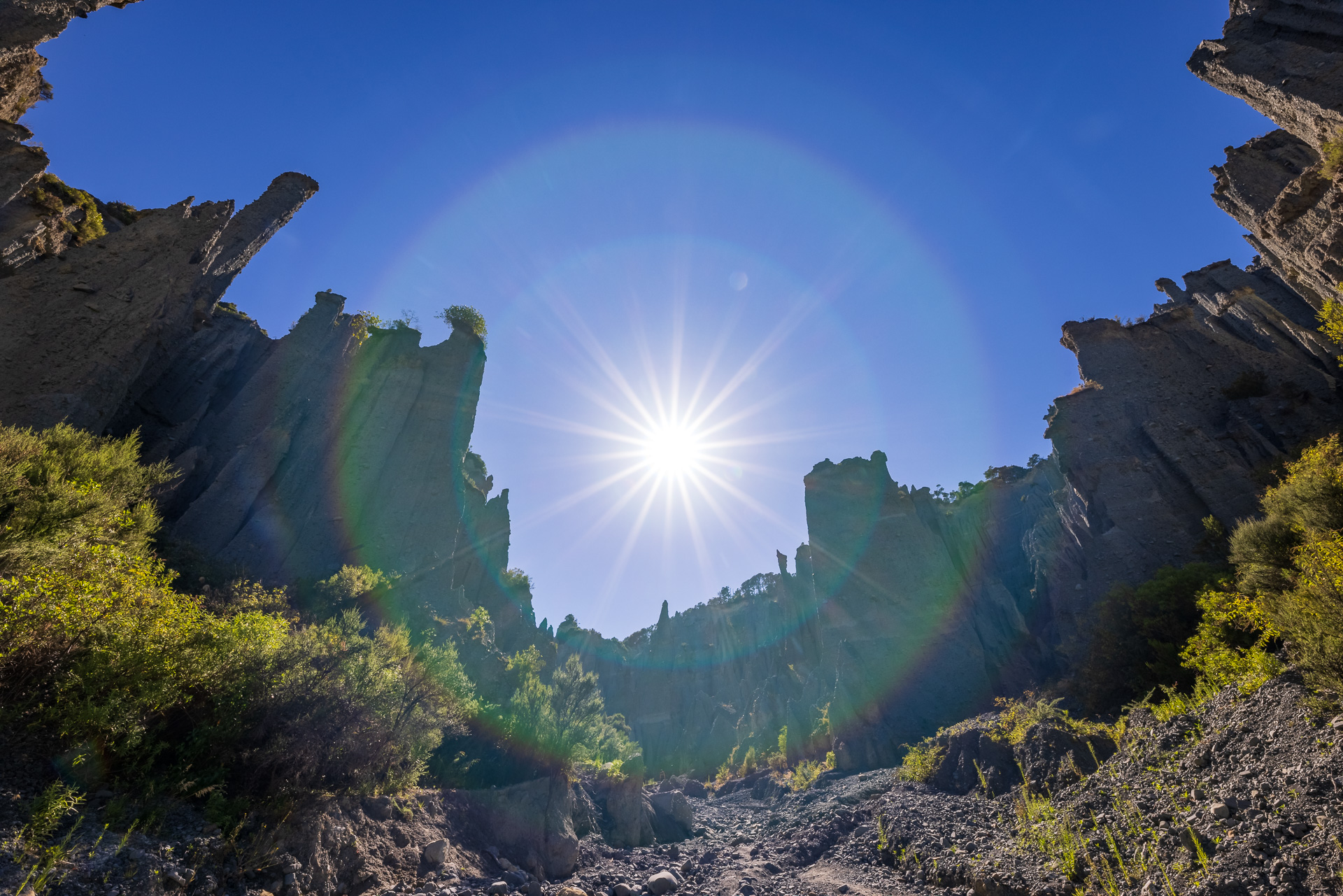
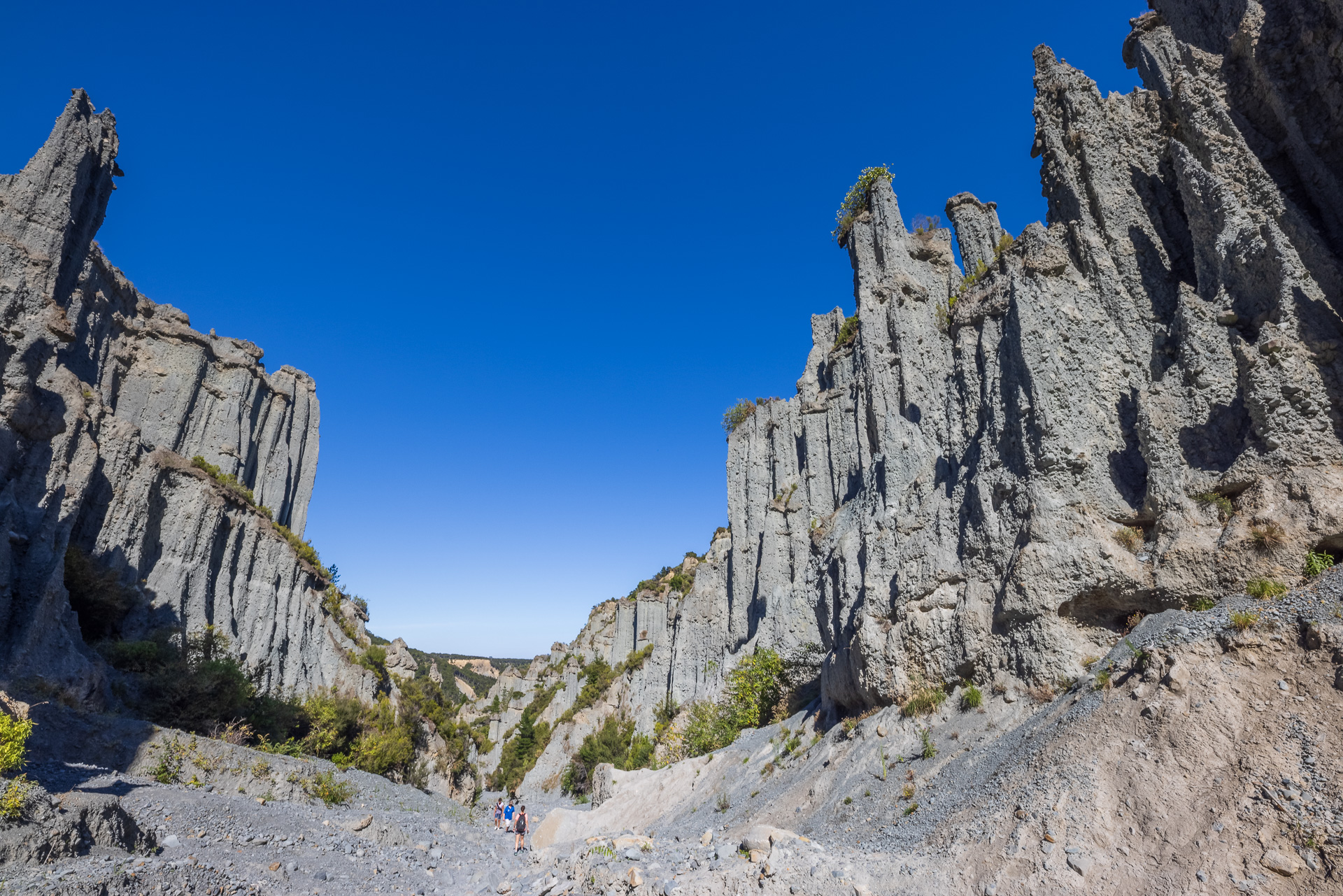
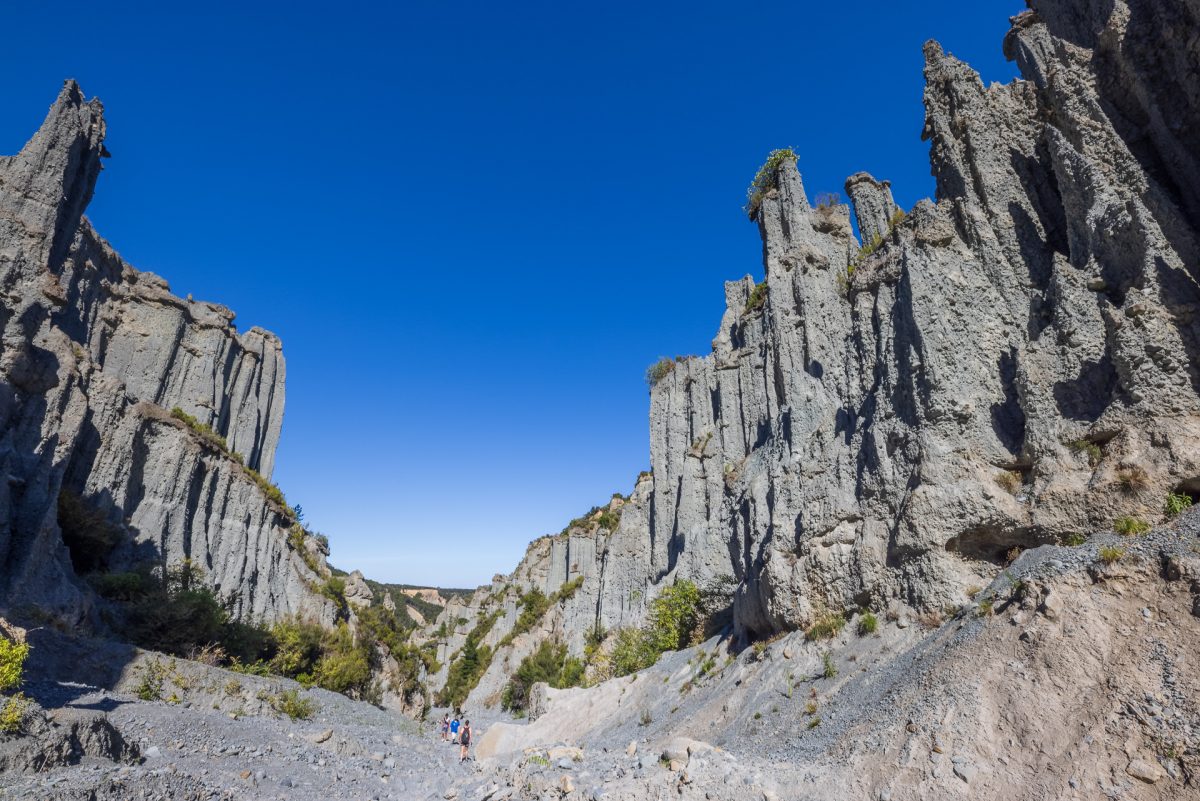
A must-see in the area, these grey sandstone pillars were the entry to the Paths of the Dead in the Lord of the Rings movie Return of the King. We loop through the bush, first to the lookout and then descend through the pinnacles themselves, quite spectacular and lots to explore.

Kapiti Island
We head to the check-in area with our morning coffees. Unpacking and then repacking our picnic lunch and overnight bags in front of the inspector to check for stowaway mice and rats before our bags are loaded on the boat to Kapiti Island. The crossing itself is a fast 20 minutes and the small boat is buzzing with excited passengers keen to explore this predator-free island. The bush near the coast resounds with the cackling laughter of saddlebacks and they are easy to spot hopping around. As we start climbing the track their laughter fades and we spot robins, tomtits, bellbirds and some stitchbirds in the young trees. After about an hour we reach the top lookout. The view opens out to seaward, nice but not as impressive as we hoped because you can’t see much of the coastline.
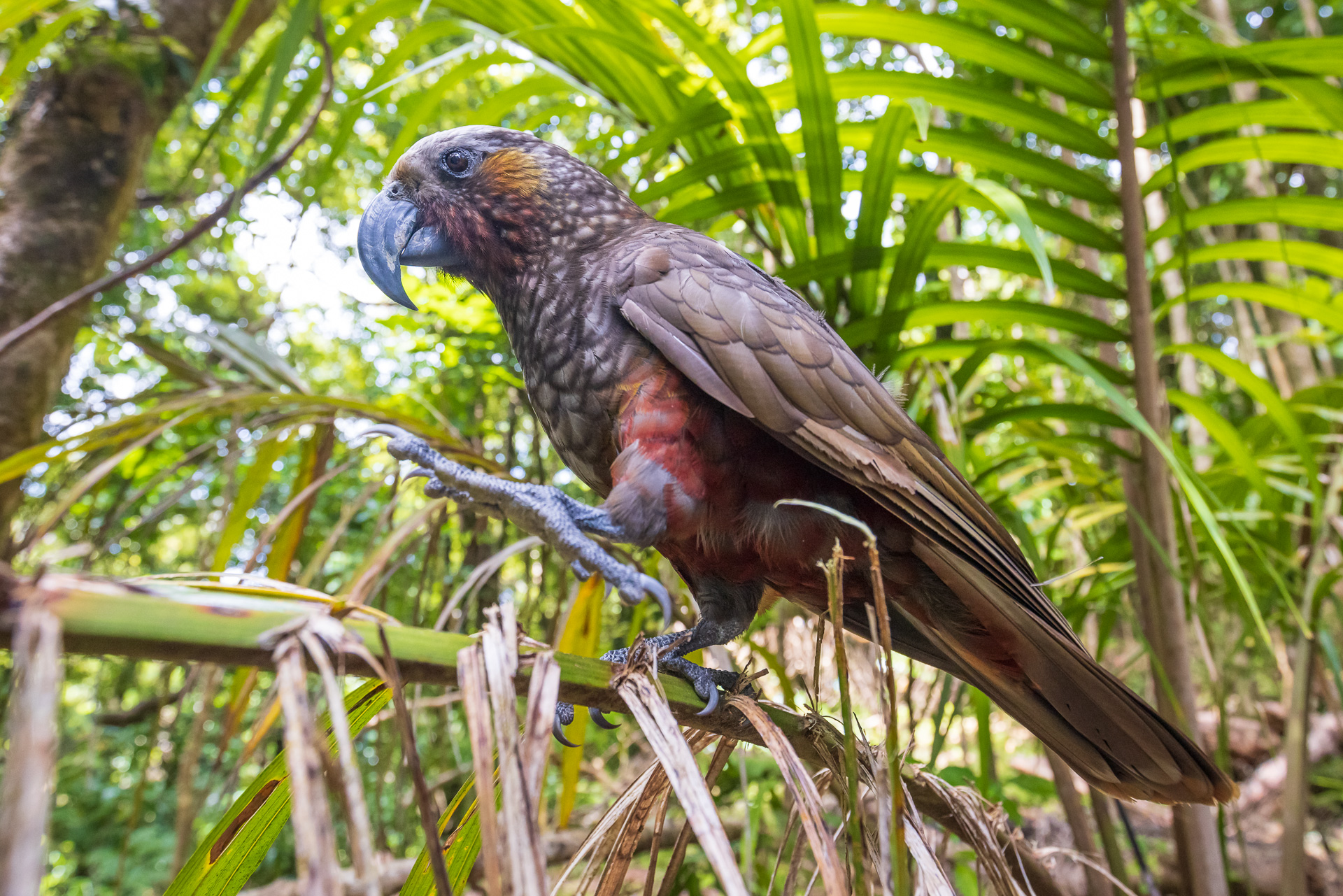
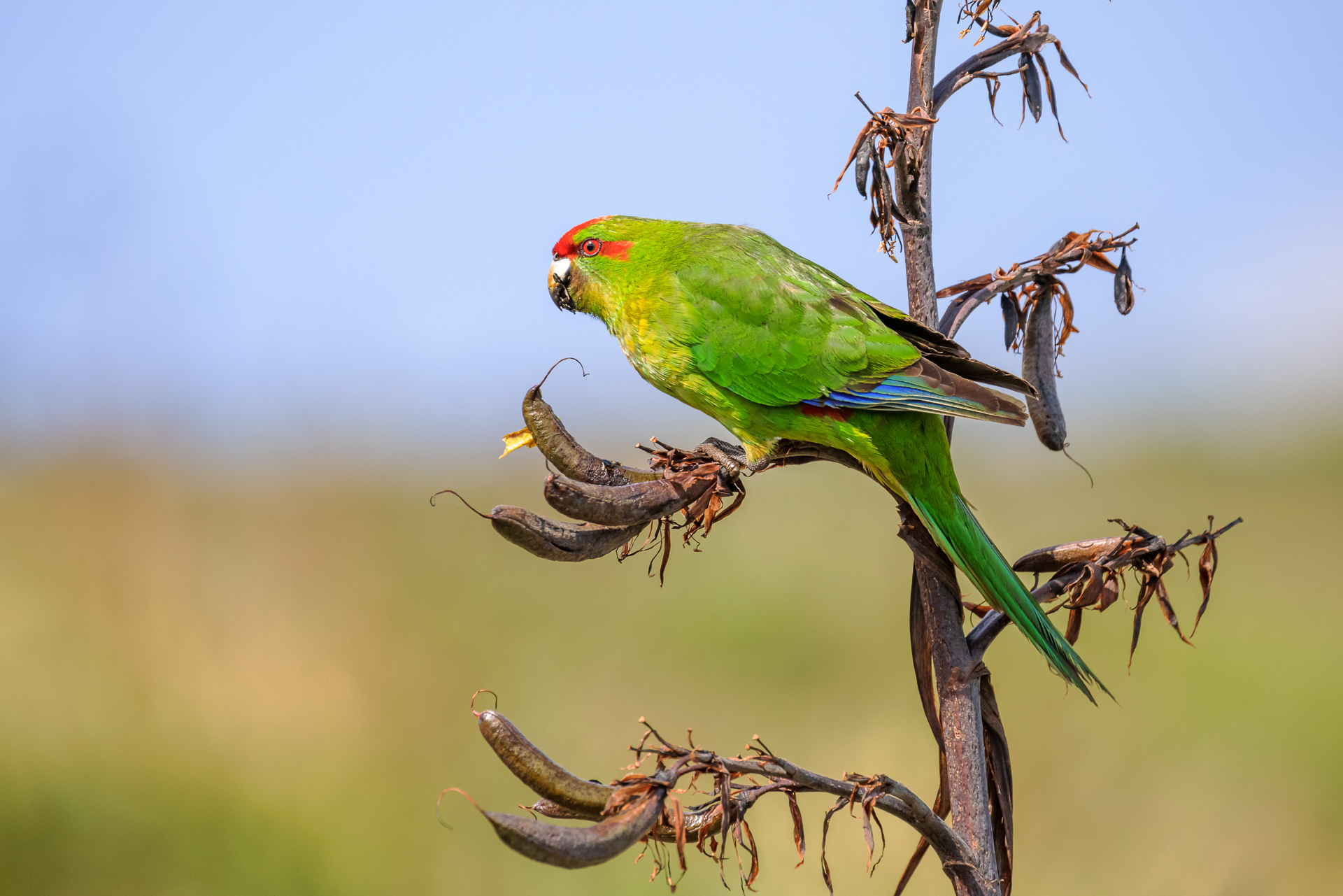
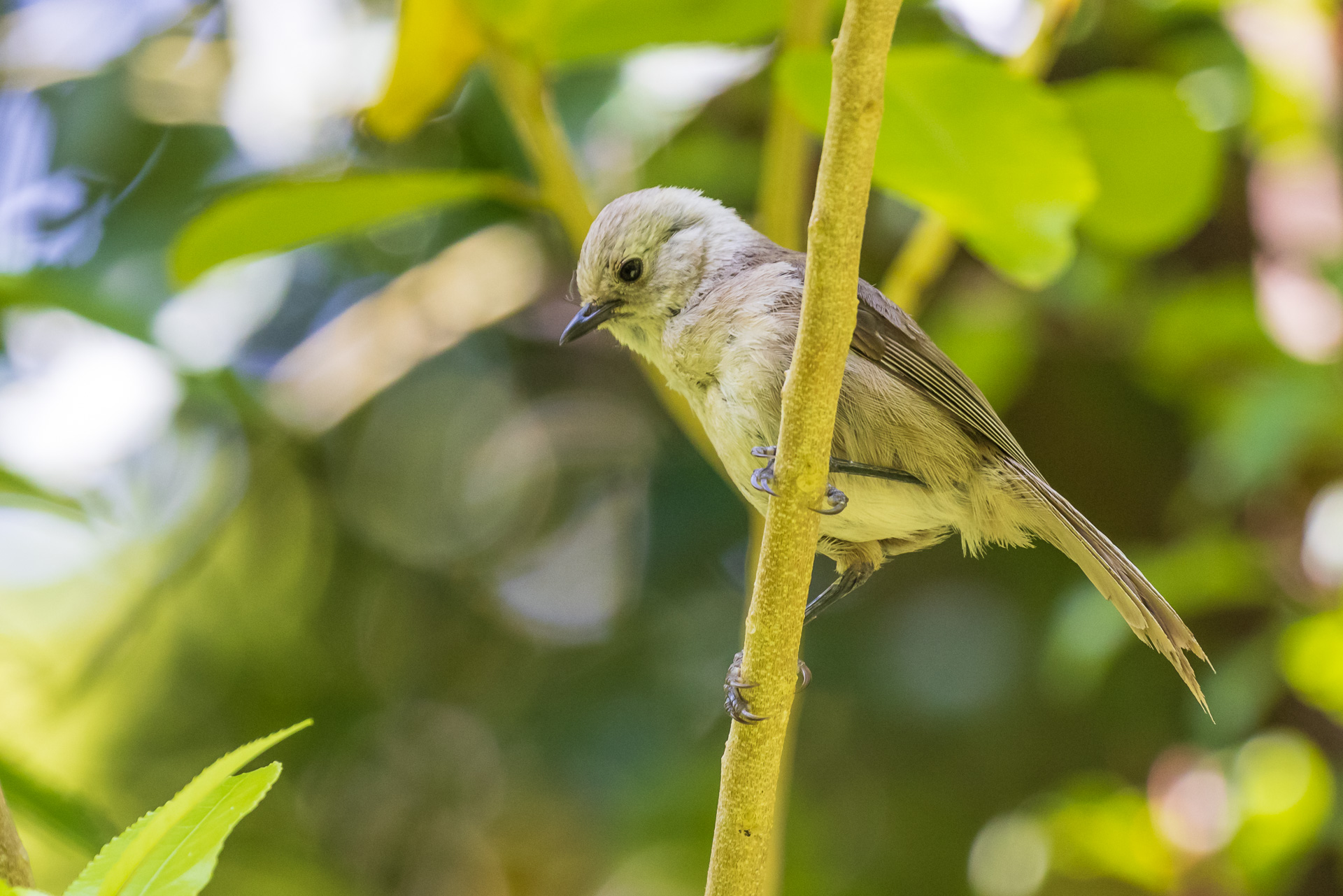
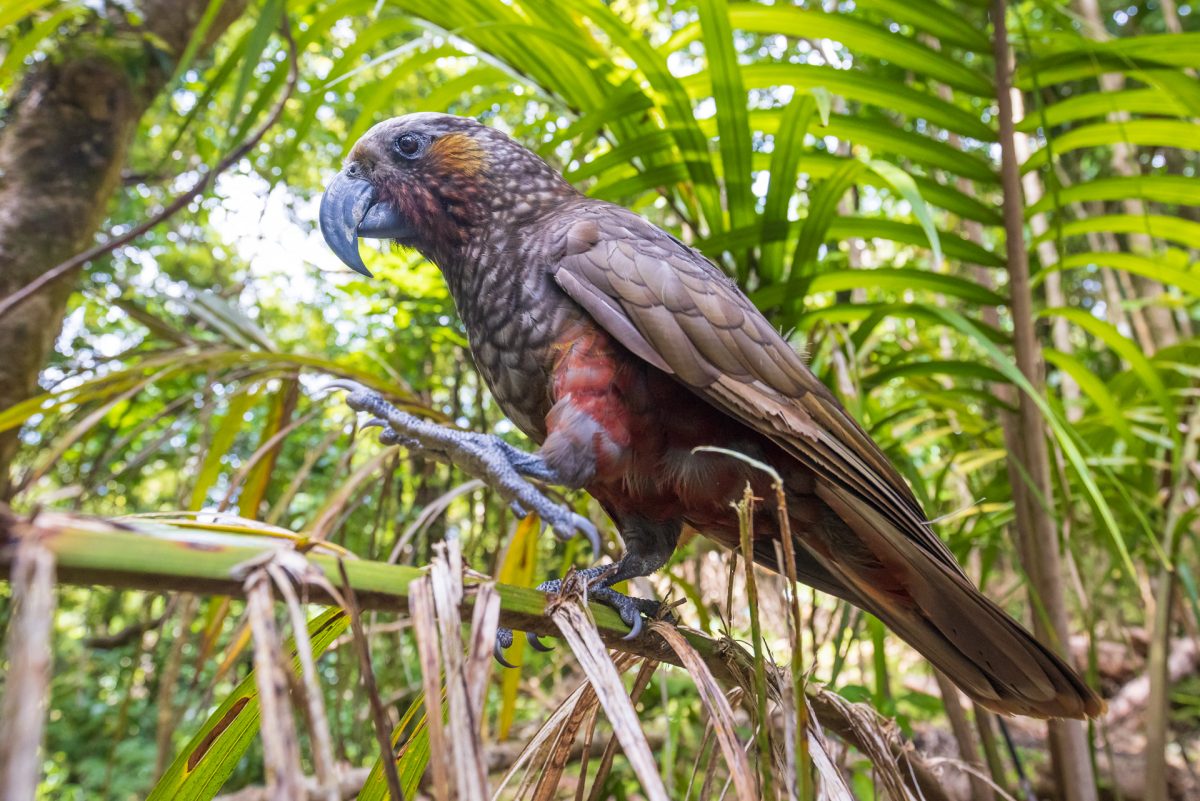
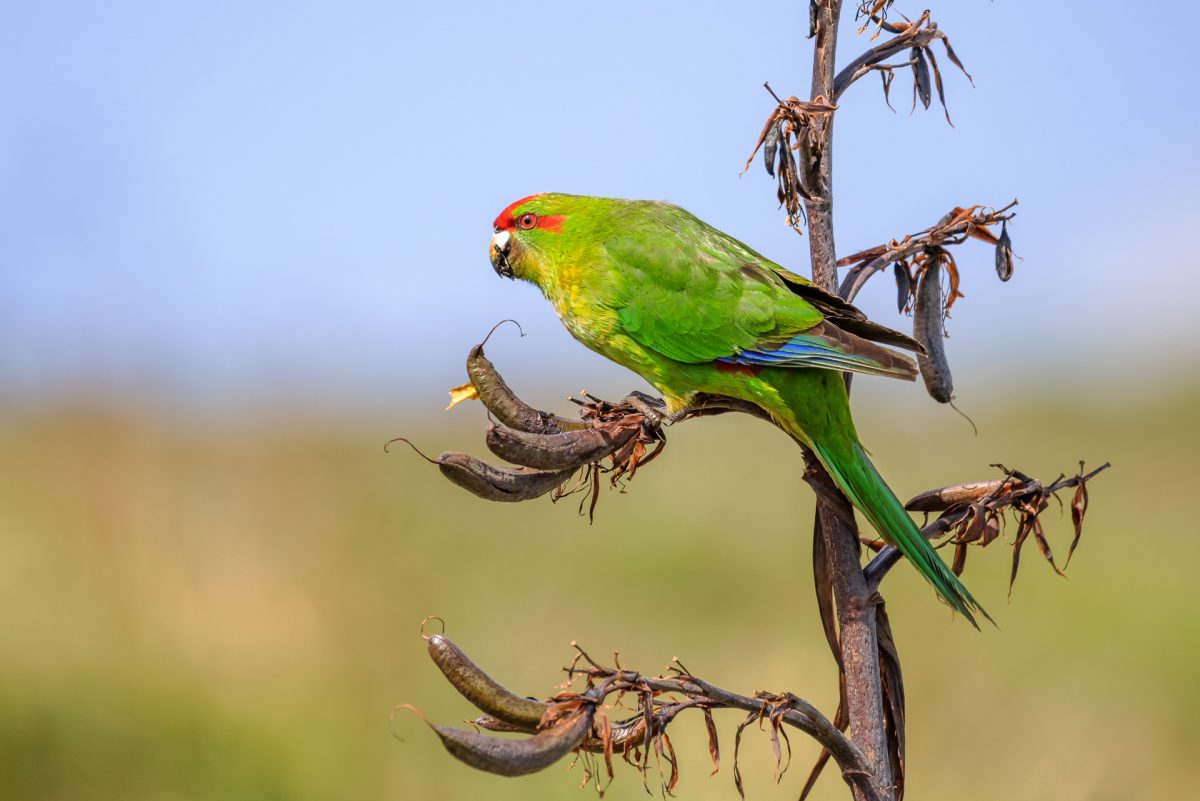
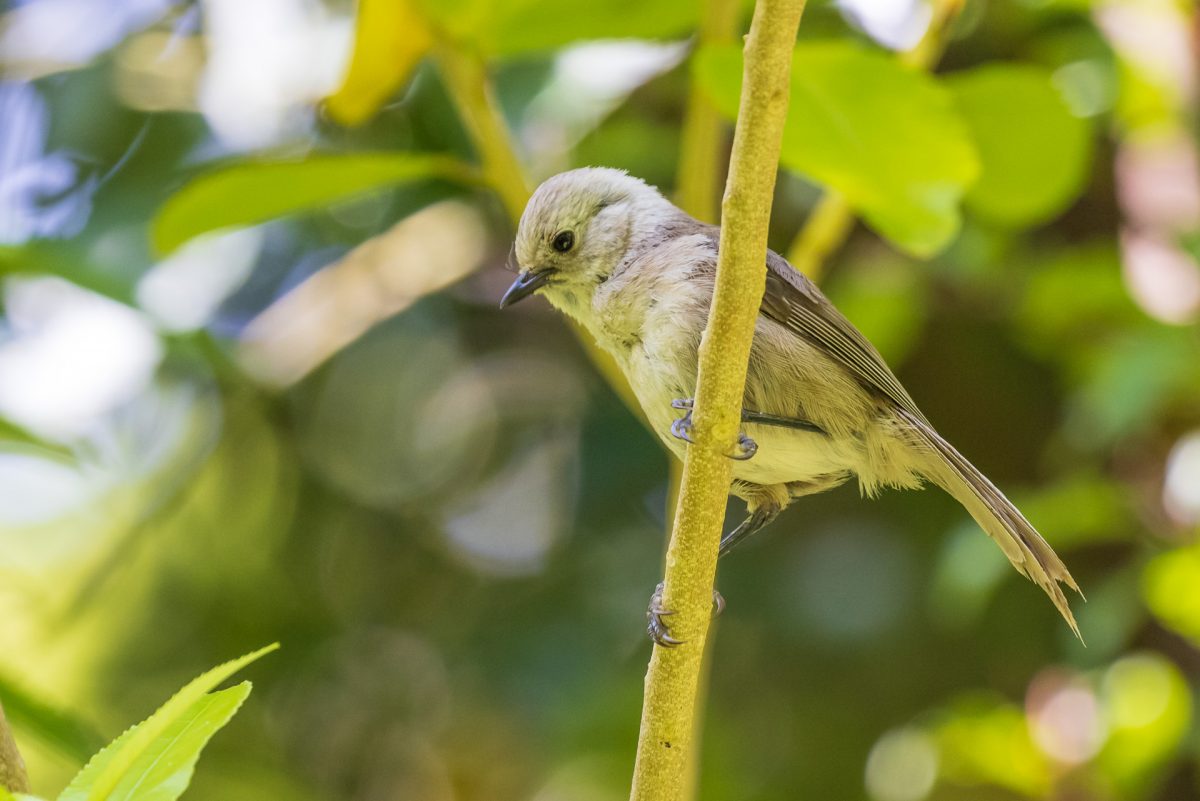
Heading back down we stop at the picnic table next to the stitchbird feeding station. There is a resident kaka here that knows how to charm the tourists, nestling onto your shoulder until you let their guard down and he’ll reach over to pinch a bit of your picnic. If you think you are being smart by hiding your snack under the table out of view, think again as a weka will swipe it from your hand faster than you can think (a certain someone knows what I am talking about!). Descending further down the track we start spotting groups of gorgeous little whiteheads and flighty kakariki in the tree canopy around us.
Waiorua Bay, Kapiti Island
Back down at the base, the boat takes us the short distance north to Waiorua Bay. The North End of the island has been in the guardianship of the same Maori family for eight generations, and they now run trips to and from the island along with a lodge for overnight stays as Kapiti Island Nature Tours. We are greeted with a very warm welcome and shown to our various cabins and glamping accommodation options.
Hot from the hiking and tempted by the crystal-clear seawater, we put on our swimmers and head straight to the beach. The tide is low, the pebbles are slippery and we spot bluebottles (man of war jellyfish) in the water, we slithered into and out of the water extremely inelegantly, without lingering for a long refreshing soak. Thankfully, we have some cans of beer and cider chilling in the water to help us regain our composure and sense of humour as we dry off and enjoy the views of this wonderful island.
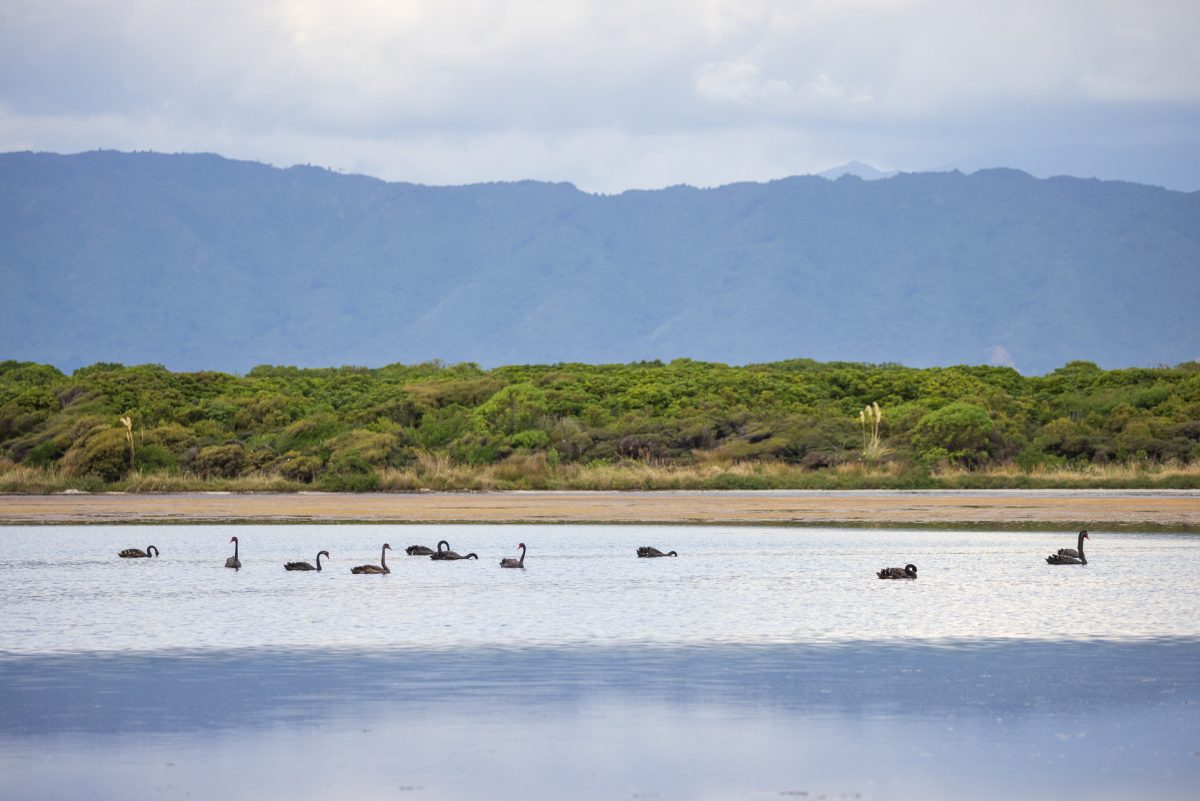
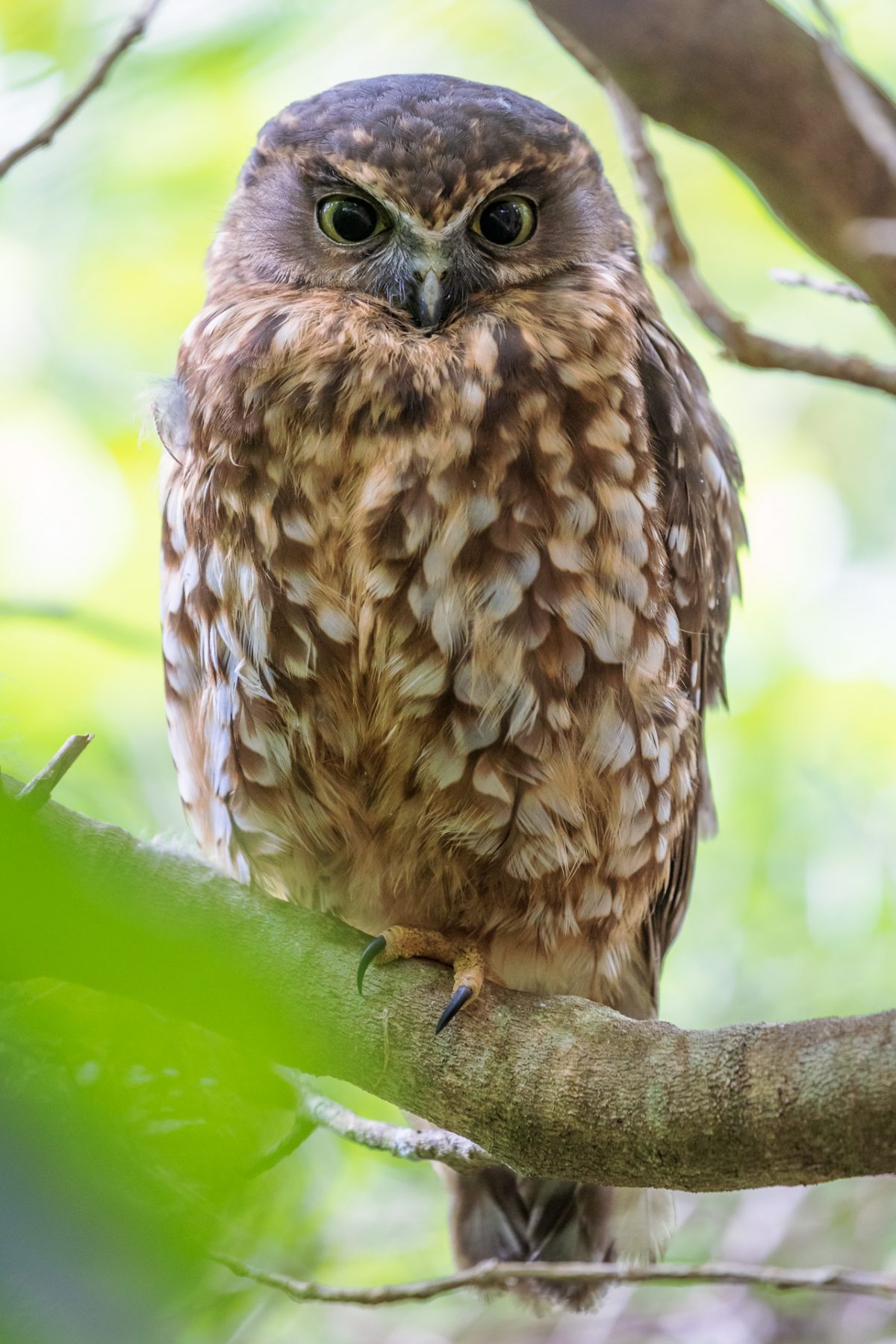
Back to the lodge for predinner drinks and nibbles, we are treated with local wines and beers (mainland) and some delicious päua (abalone) fried in garlic and chilli, freshly caught by one of the more intrepid fellow guests who came prepared with the proper kit and ventured more than waist-deep into the water.
After dinner, we are split into groups to go out looking for the nocturnal and very shy little spotted kiwi that live on the island. We shuffle quietly along the path behind the lodge listening carefully for the tap, tap, tap of the kiwi beak as it probes the ground side to side searching for tasty seeds or insects. It does not take long before we hear one. The kiwis are quite territorial so the local guides know where to find them. Chris by now has found it using our thermal scope and I can watch it approach via the wifi connection on my phone. We stand quietly as it shuffles slowly towards us, then makes a break and runs straight across the path between us before disappearing into the bush. Awesome, we can now peel off to bed for a good night’s sleep, happy to have seen our first kiwi.
Castlepoint
Back on the mainland from Kapiti, we spend the night at a freedom camping spot on Otaki Beach catching up with some friends. From Otaki Beach, we cross to Castlepoint on the east coast. Castlepoint is at the end of the road 65km from Masterton. The road takes us past a line of baches along the beach before arriving at the car park at end of the road which is also an excellent freedom camping spot.
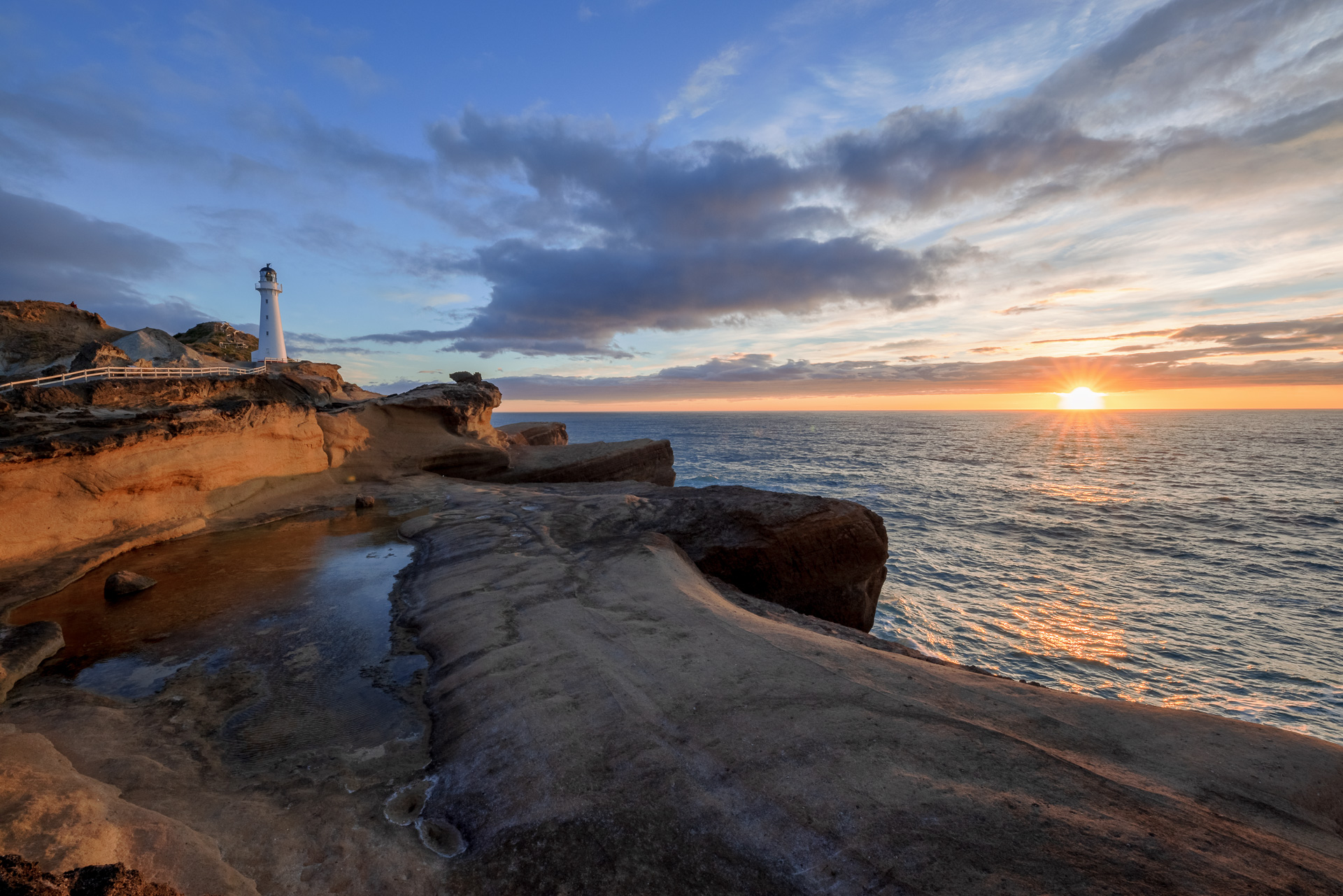
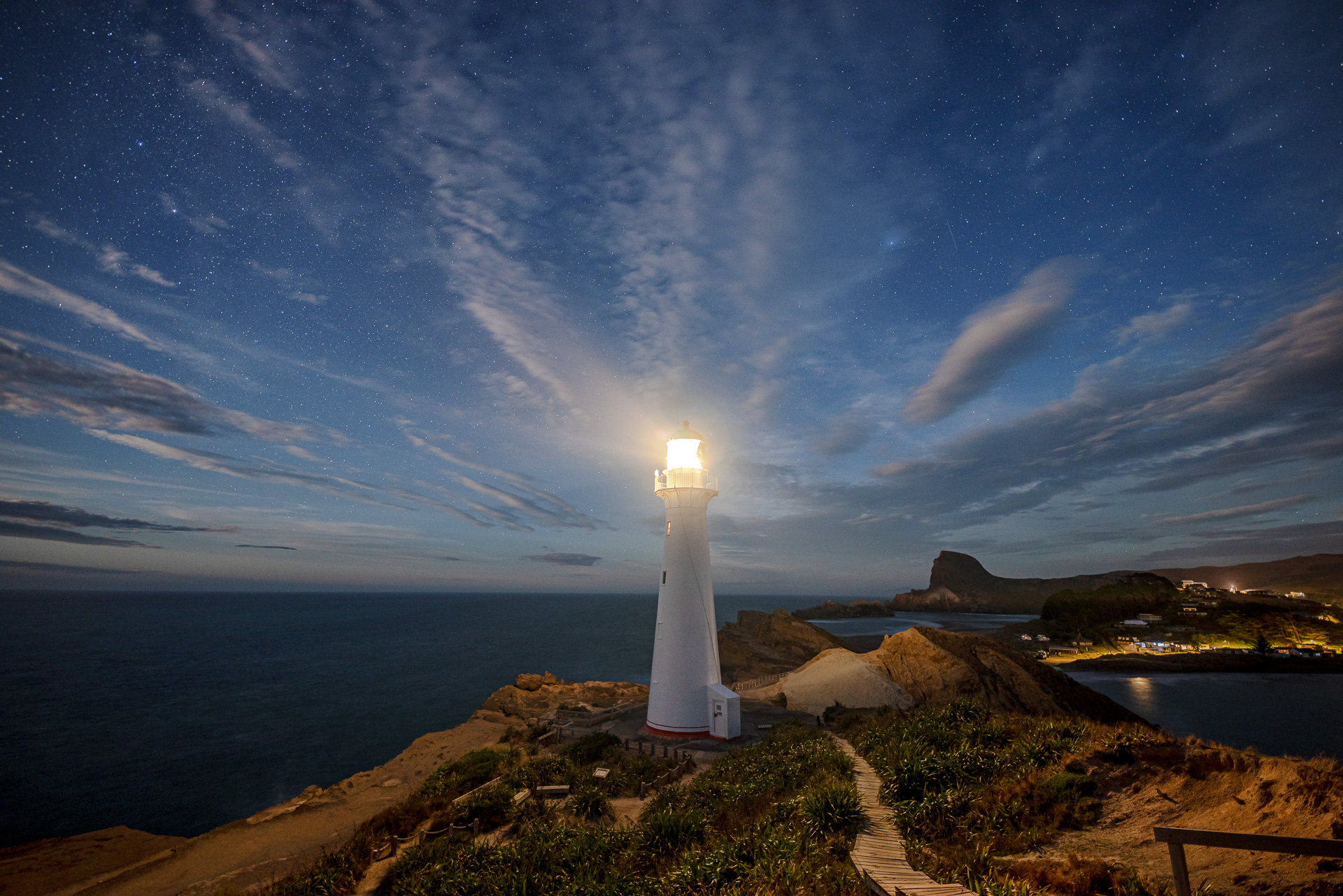
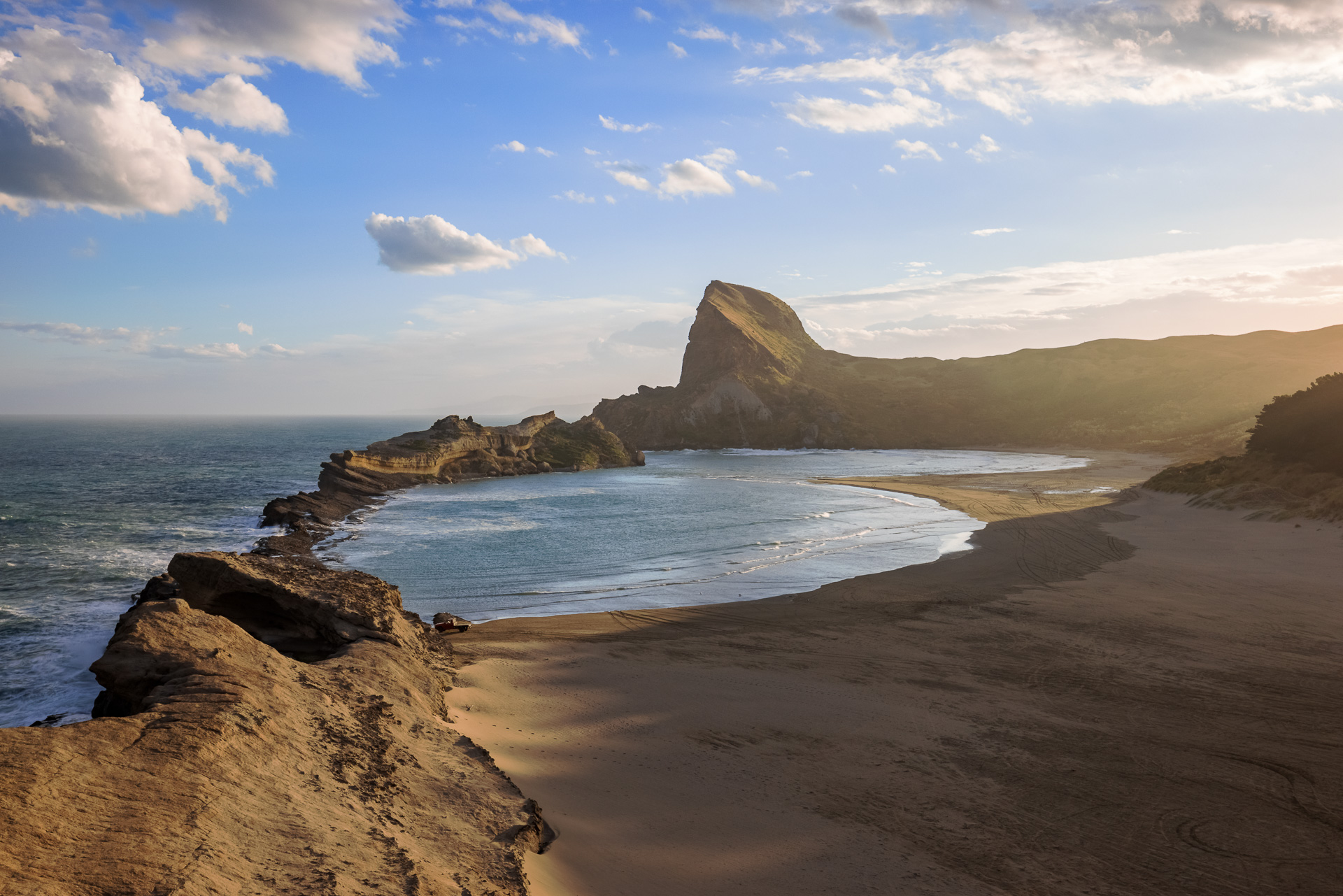
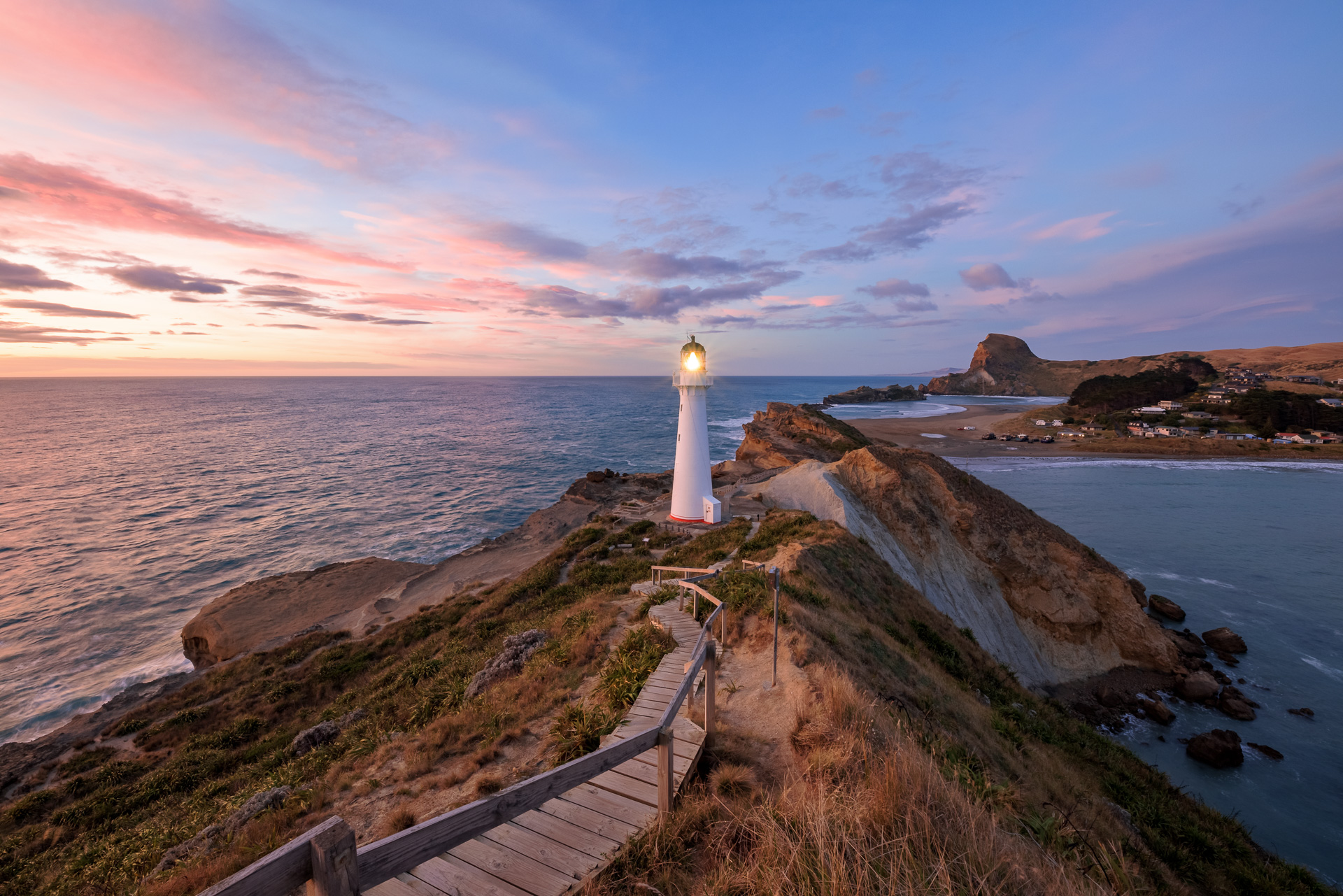
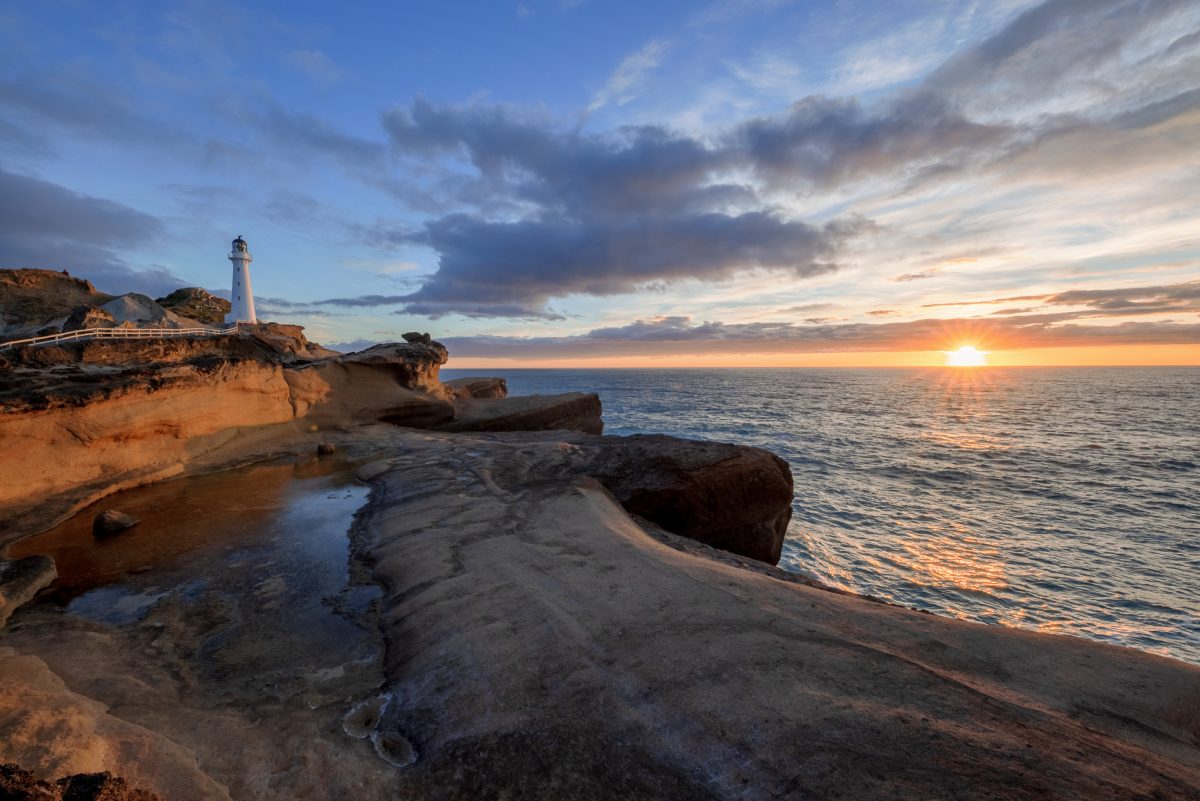
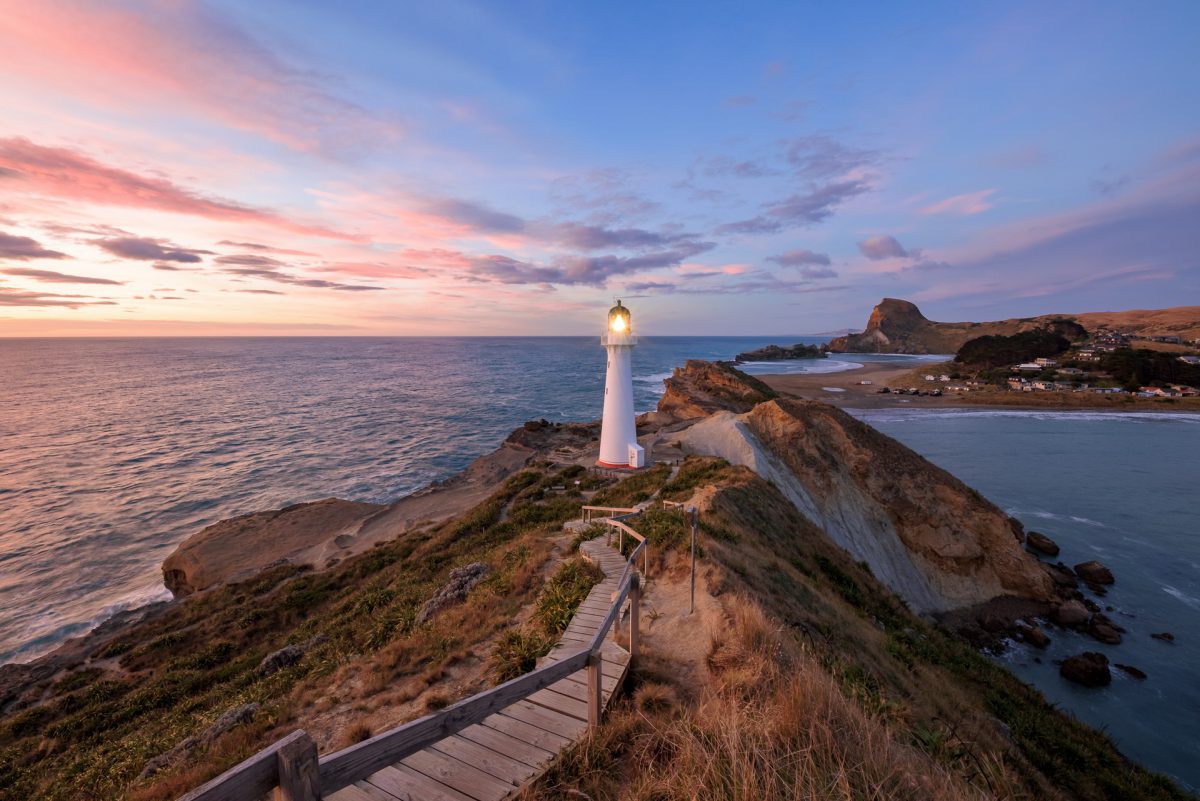
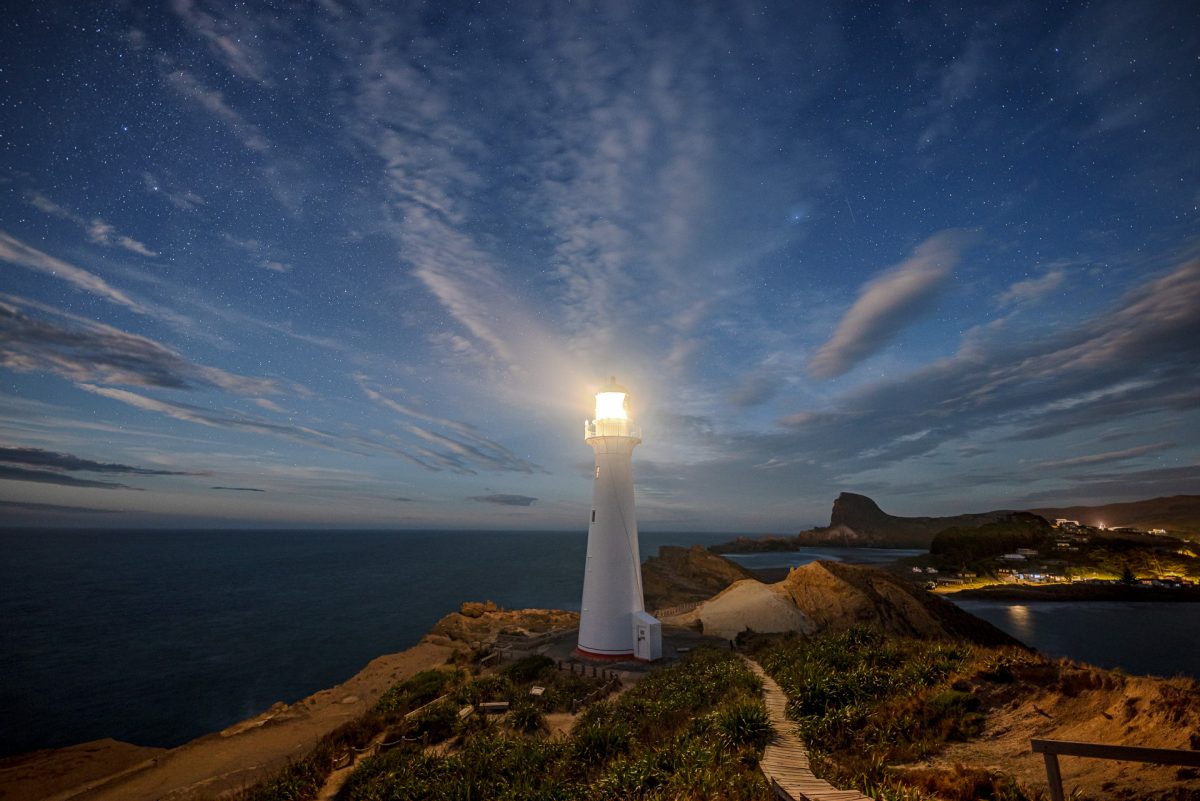
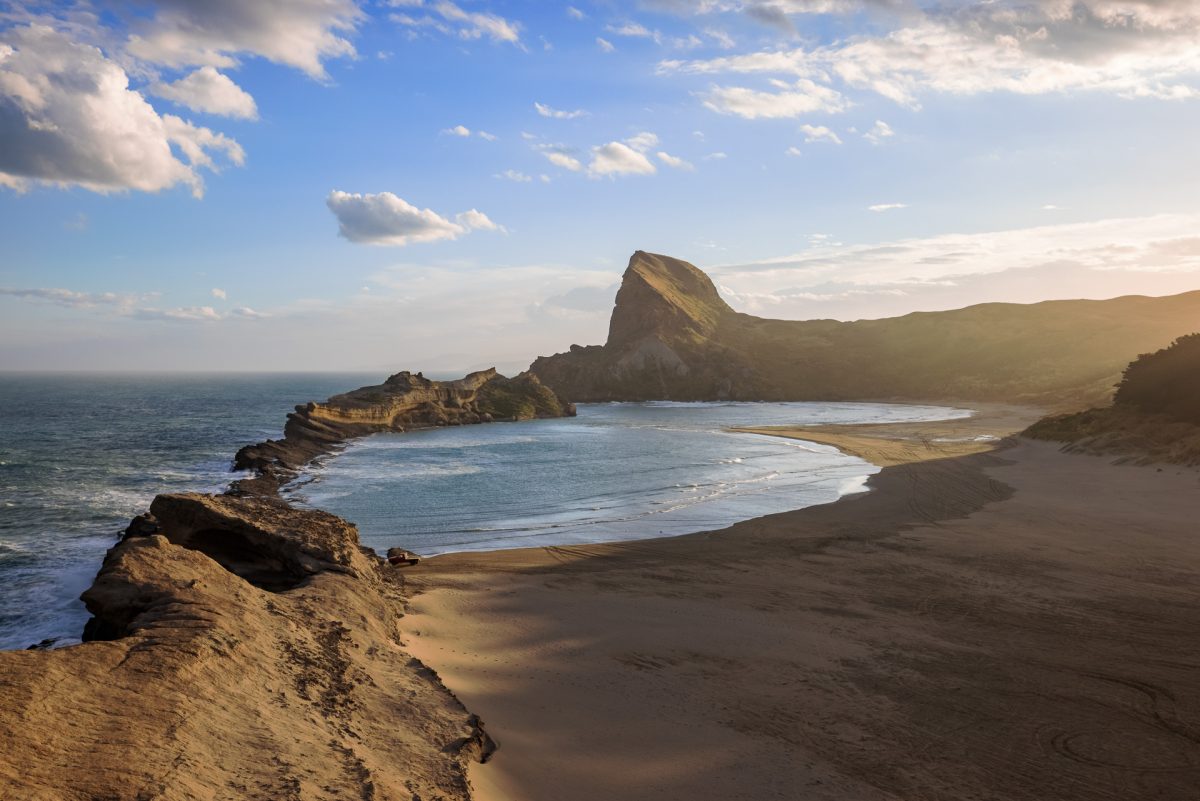
The lighthouse stands high on a ridge of eroded limestone reef which extends up to the 162m high Castle Point rock. It was so named by Captain Cook because from the sea it looks like castle battlements. The waves crash over the middle of the reef and into a large tidal lagoon. It really is a natural wonder and quite breath-taking, one of my new favourite spots on the North Island.
Waihi Falls
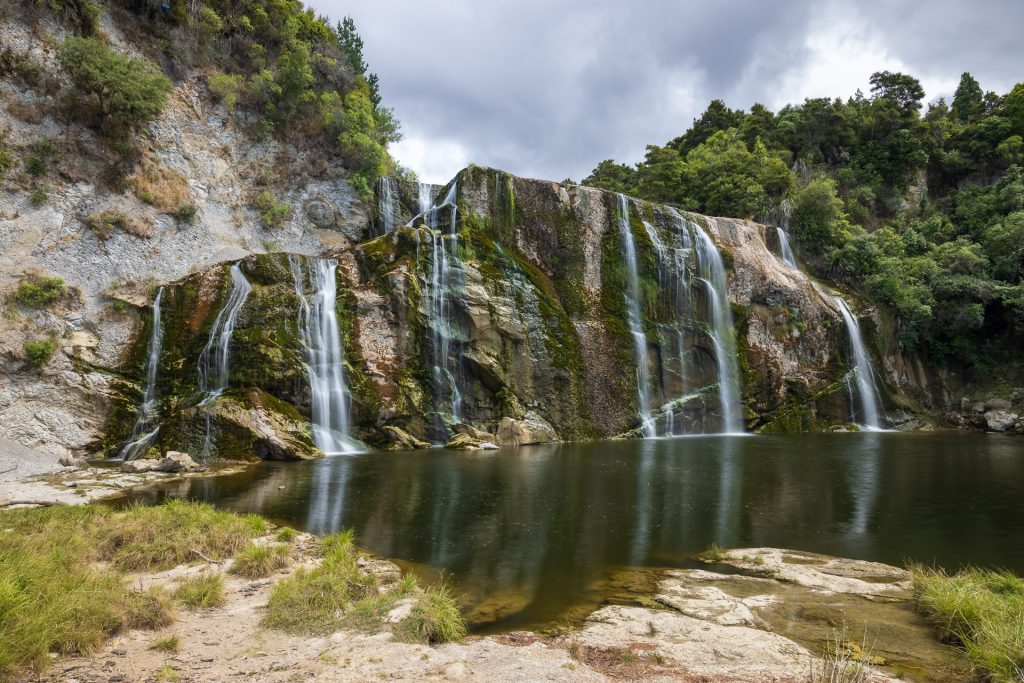
From Castlepoint we take a winding route up the coast. Waihi Falls are a worthwhile stop despite being 12km along a gravel road and seemingly in the middle of nowhere. These falls were quite spectacular with a big swimmable plunge pool for a cooling dip.
Cape Kidnappers Gannet Colony
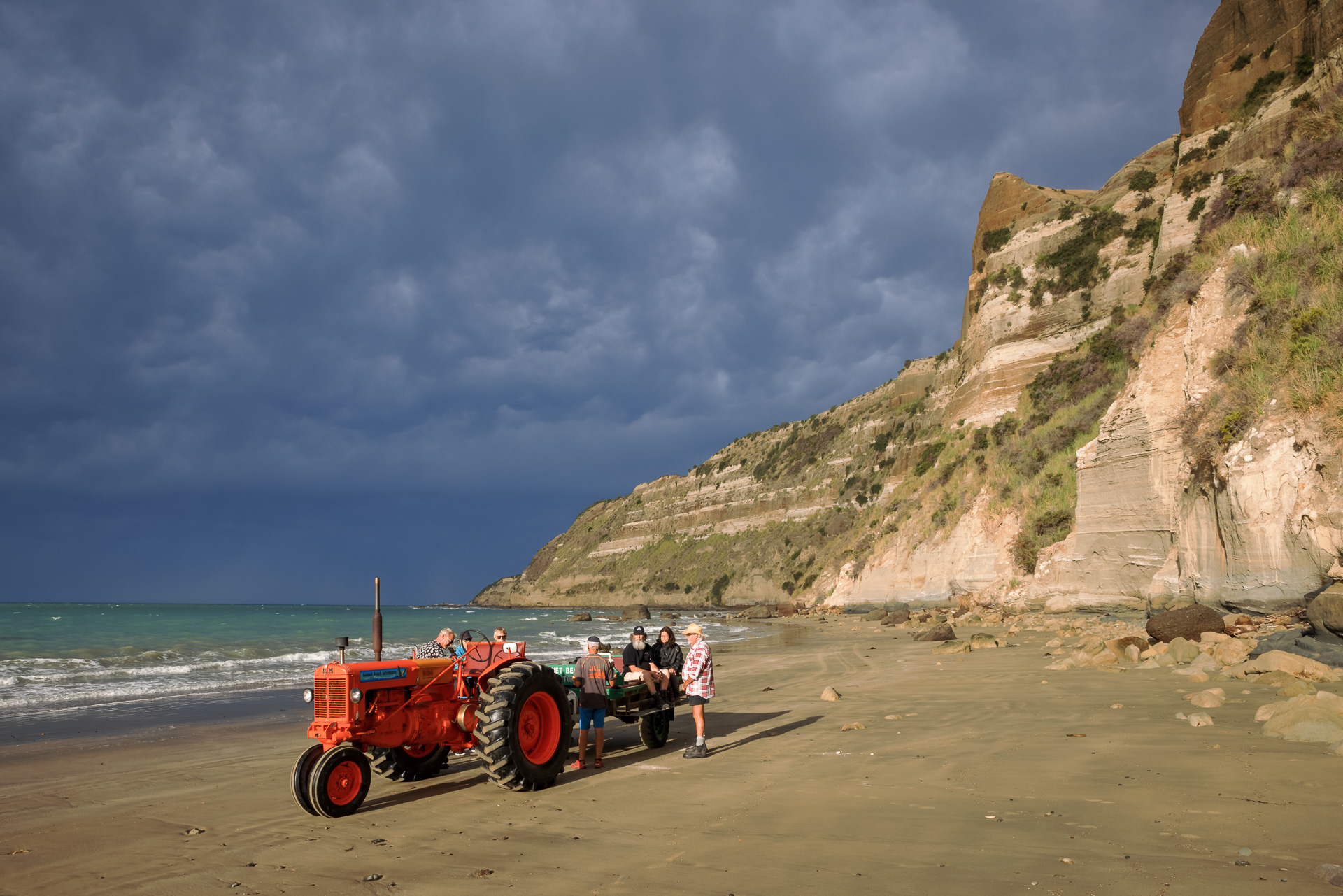
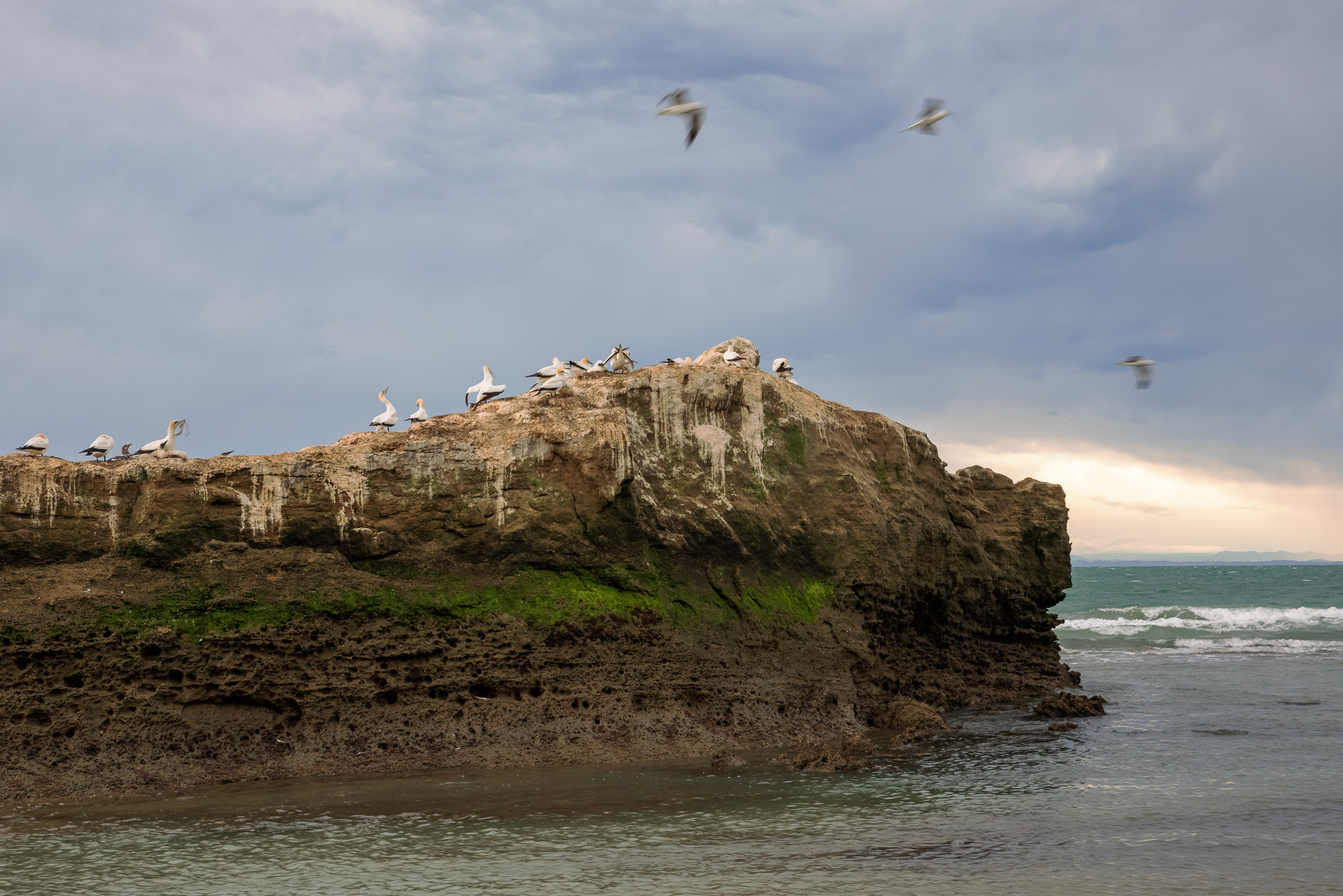
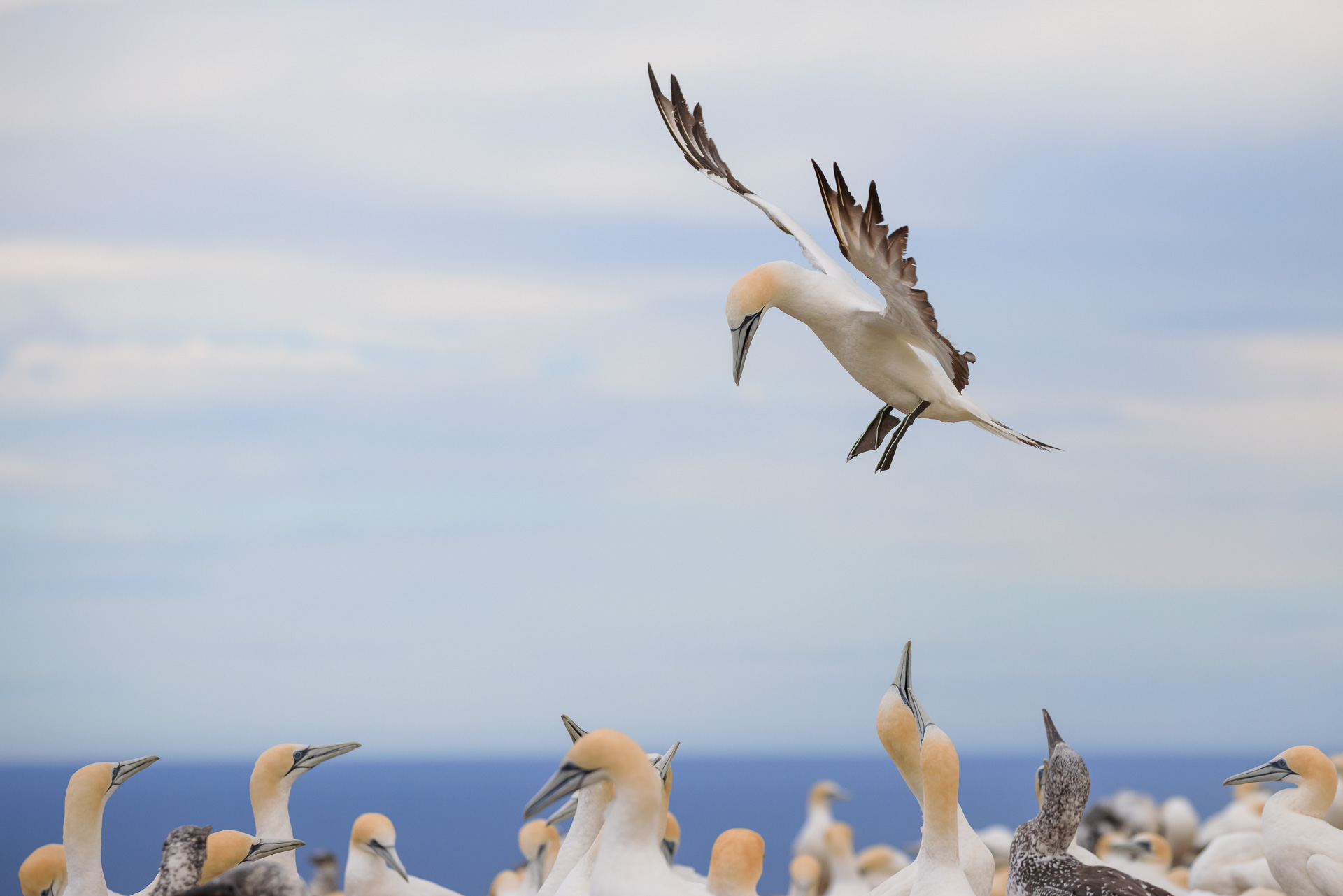
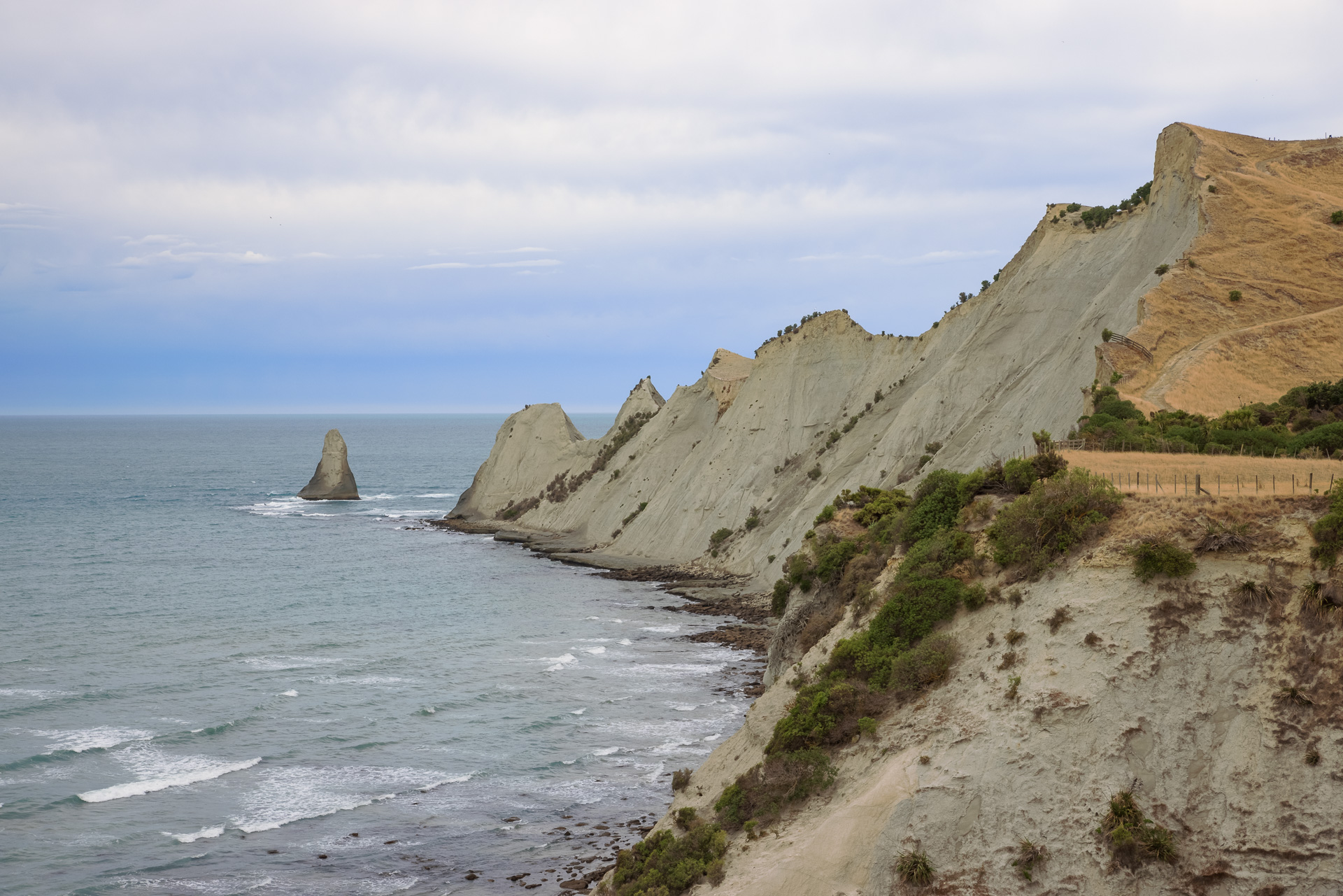
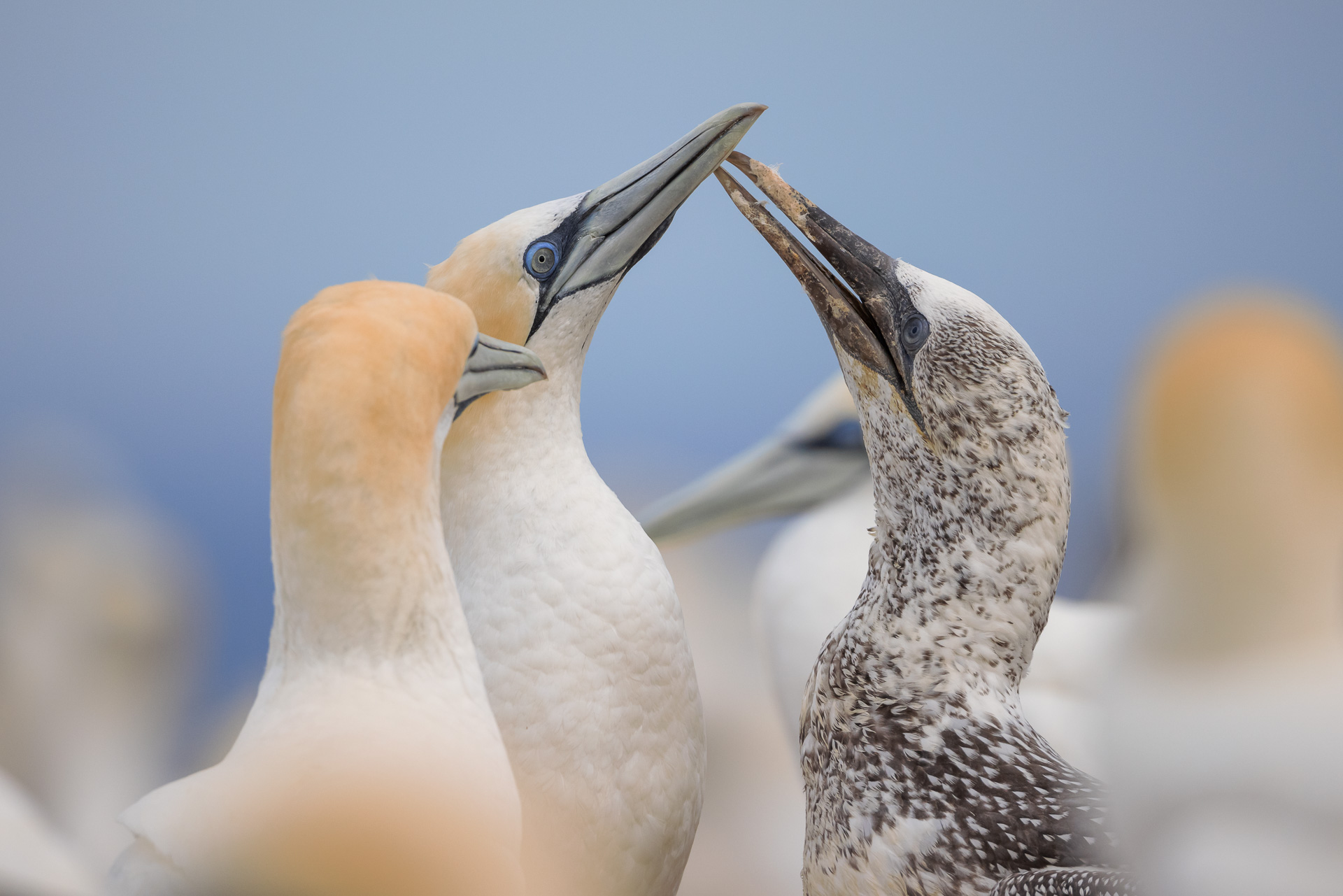
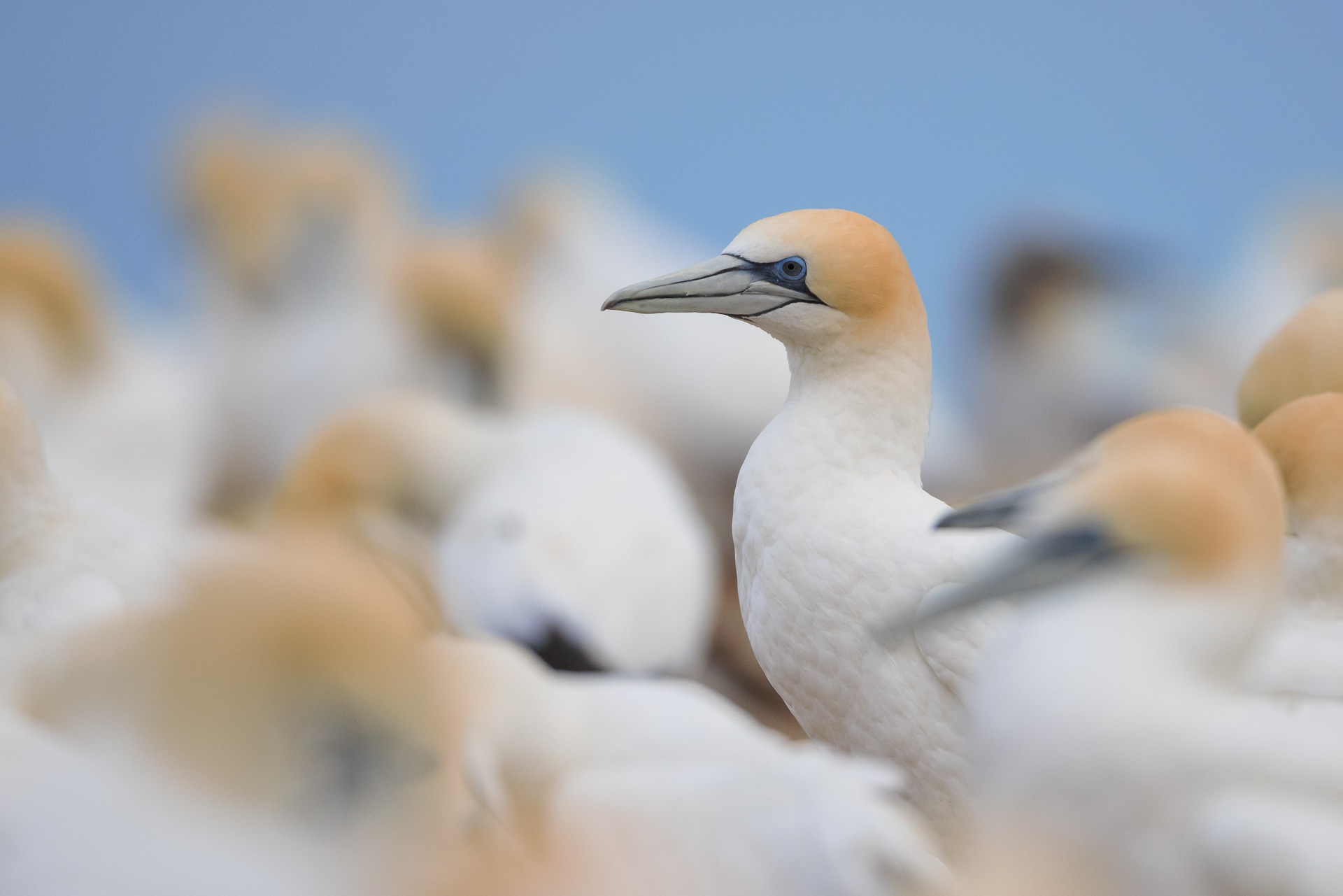
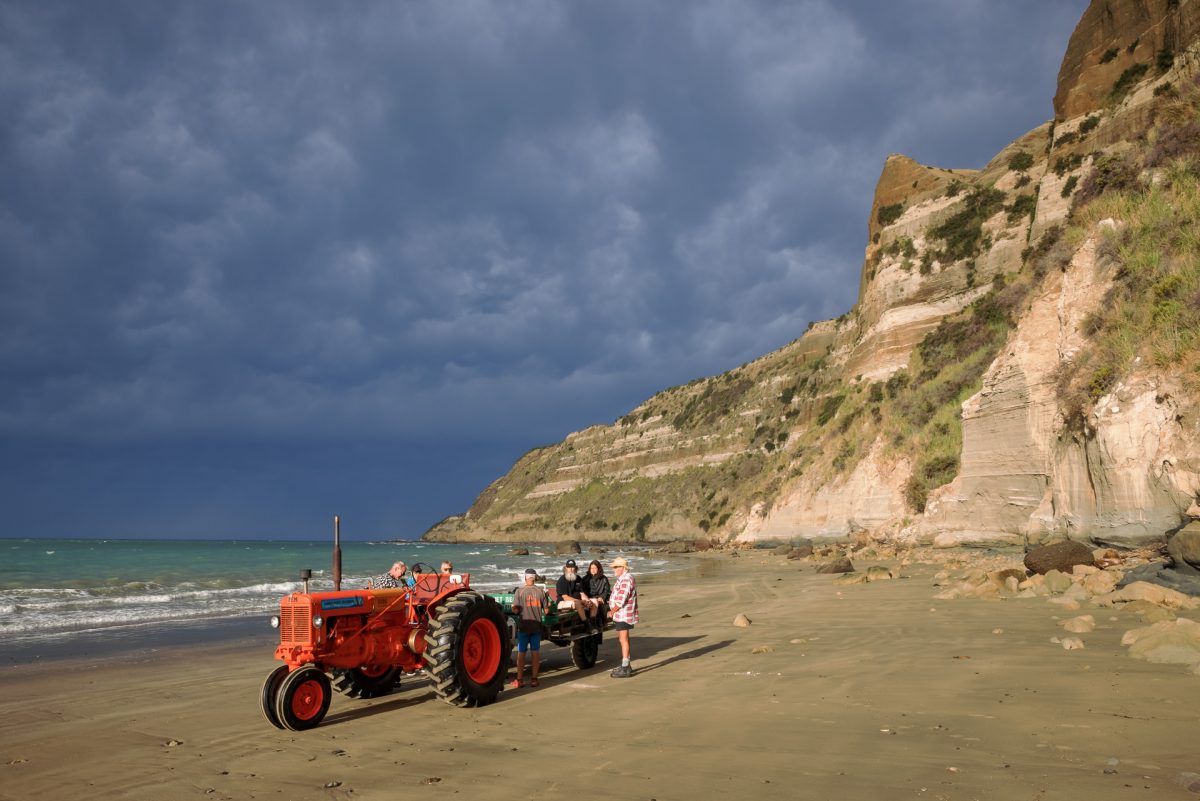
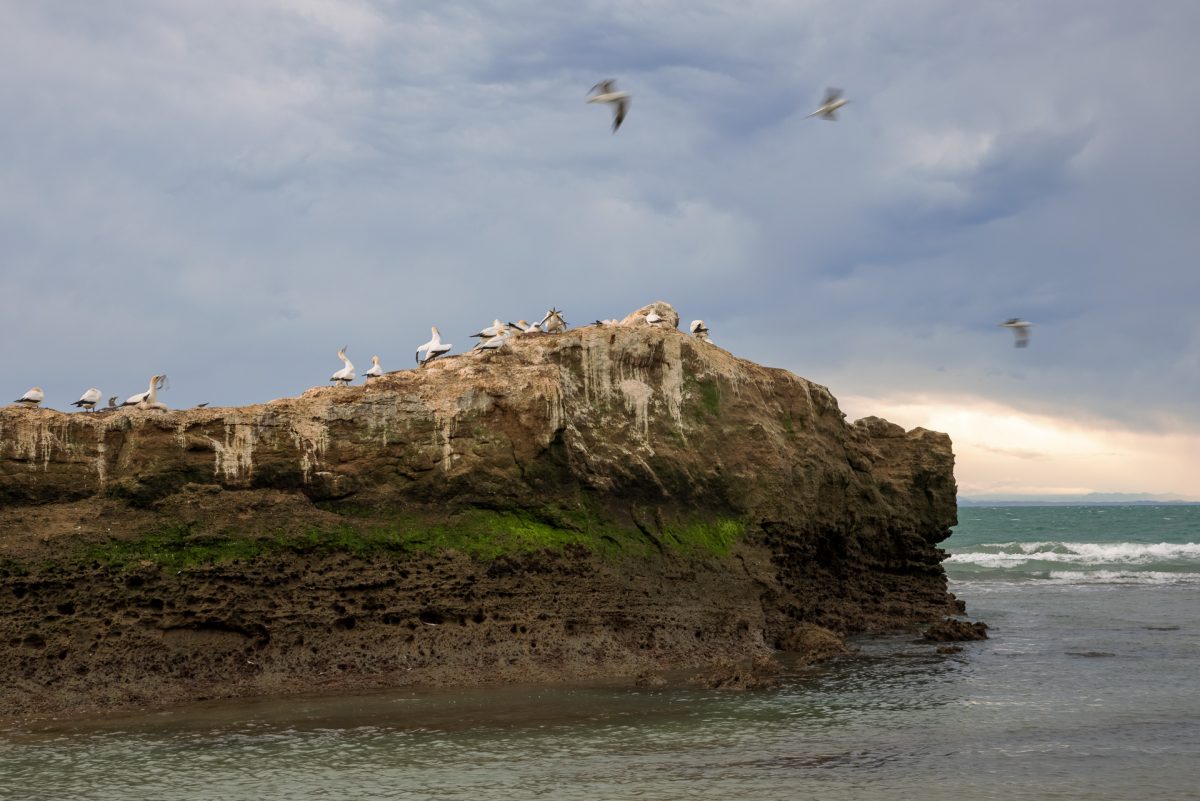
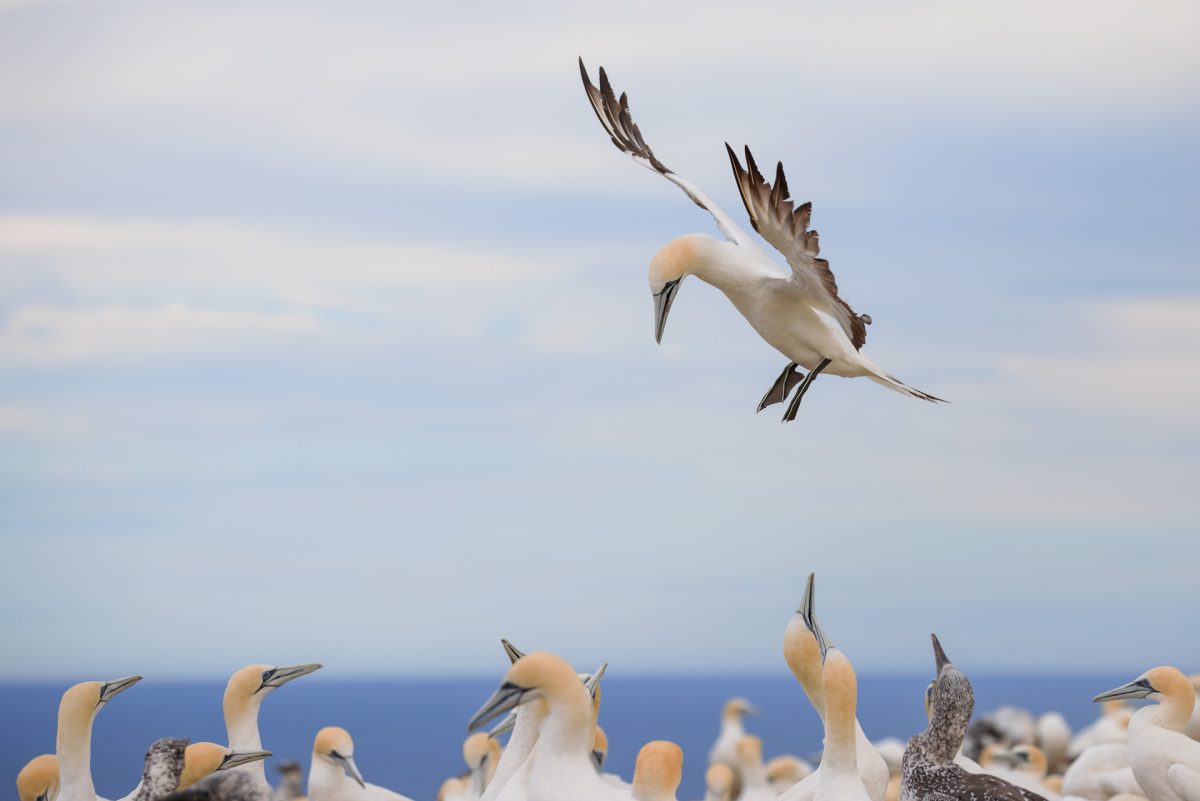
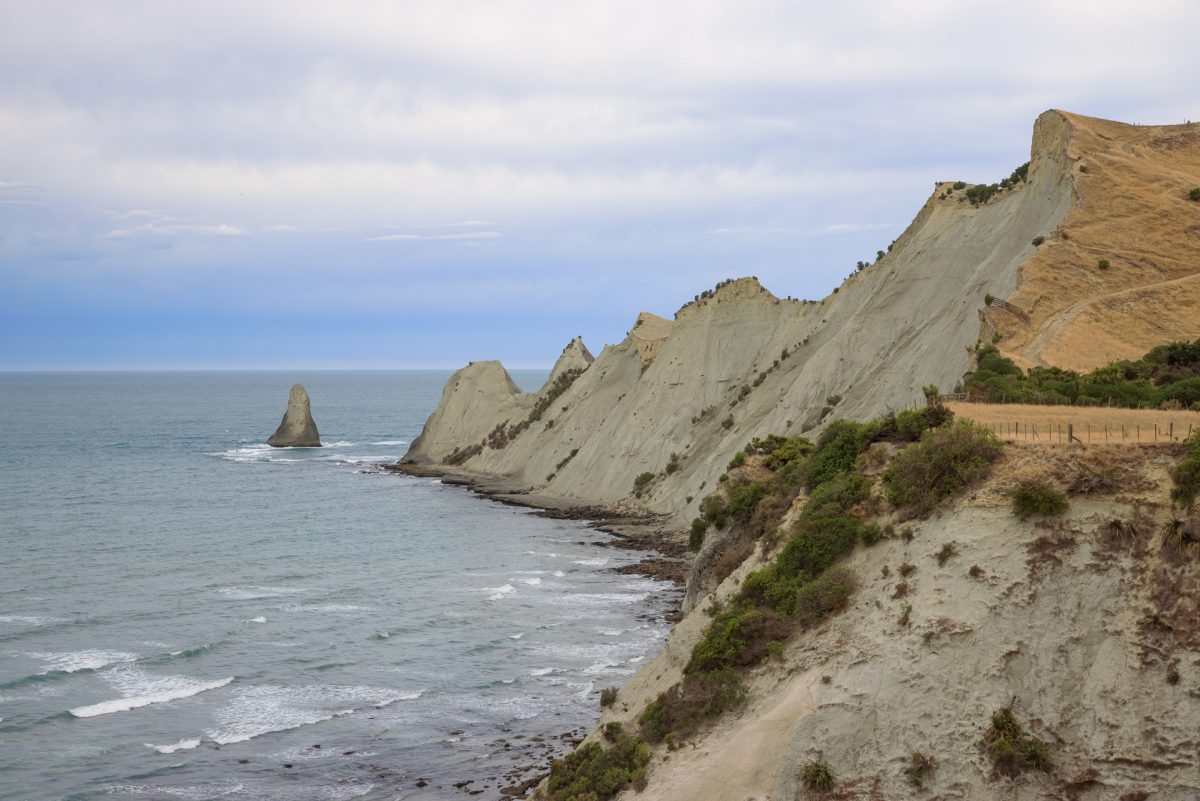
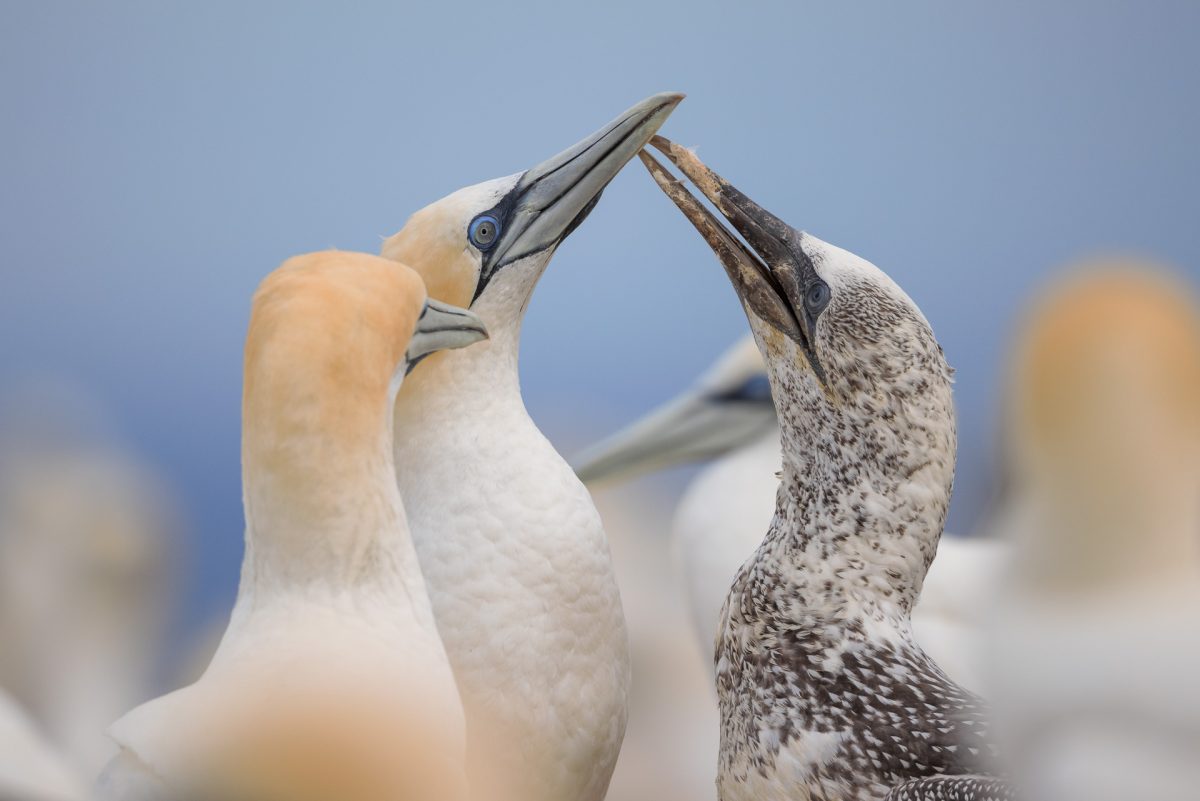
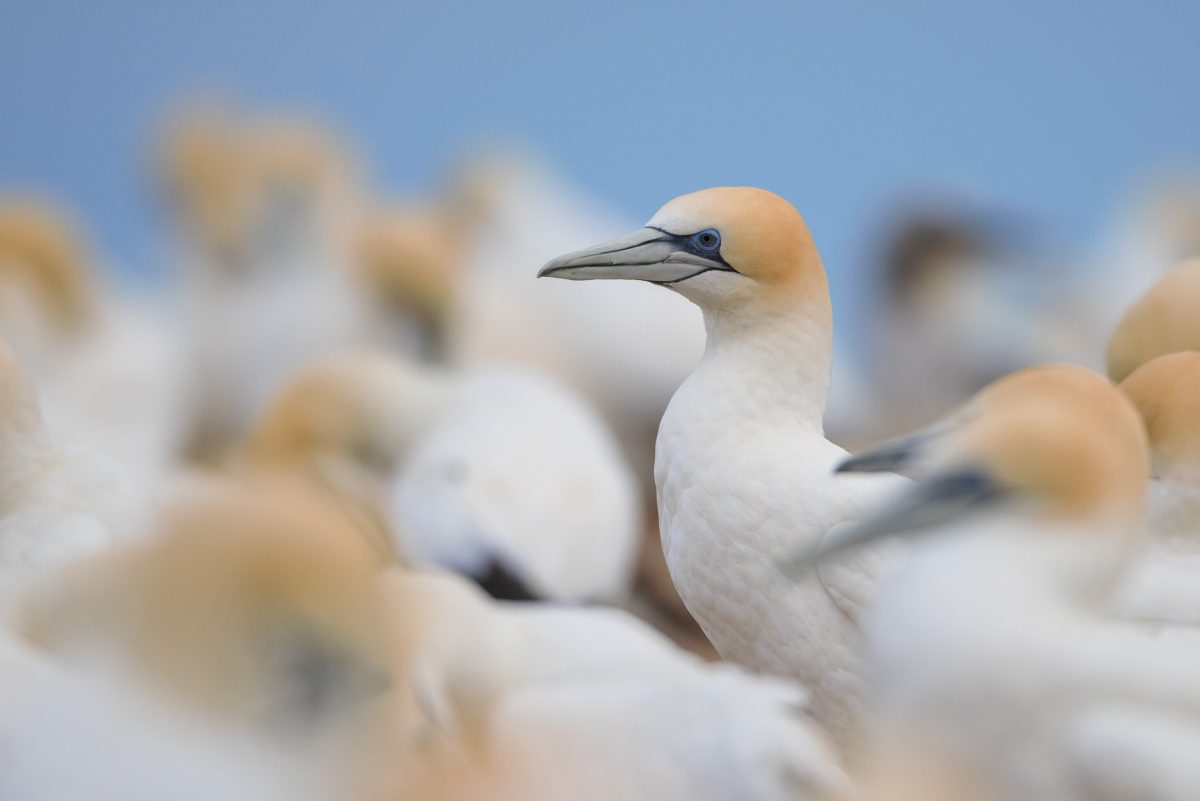
We quickly give up on walking to the gannet colony at Cape Kidnappers when we realise it is 19km return and comes with a very tight window due to the tides. Instead we opt to be taken there on the back of a 1950s tractor, learning lots about the geology of the rapidly eroding cliffs we pass along the way. The journey even includes having to occasionally disembark and break up fresh rockfalls with a sledgehammer to allow the tractor through. After the entertaining tractor ride, a brisk walk up the cape finally gets us to the colony. We are greeted with the intense sights, sounds and smells of a thriving gannet colony in the final stages of rearing their young. It is fascinating to watch the parents returning from their foraging at sea, usually crashing down in an inelegant heap before recovering their composure and waddling off to feed their young. The juveniles for their part spend most of their time practising flapping their wings, almost getting airborne, but chickening out moments before doing so. After all too brief a time we descend again and re-board the tractor, making the return journey just in time to avoid being caught out by the now rapidly rising tide.
Lake Taupo and Orakei Korako
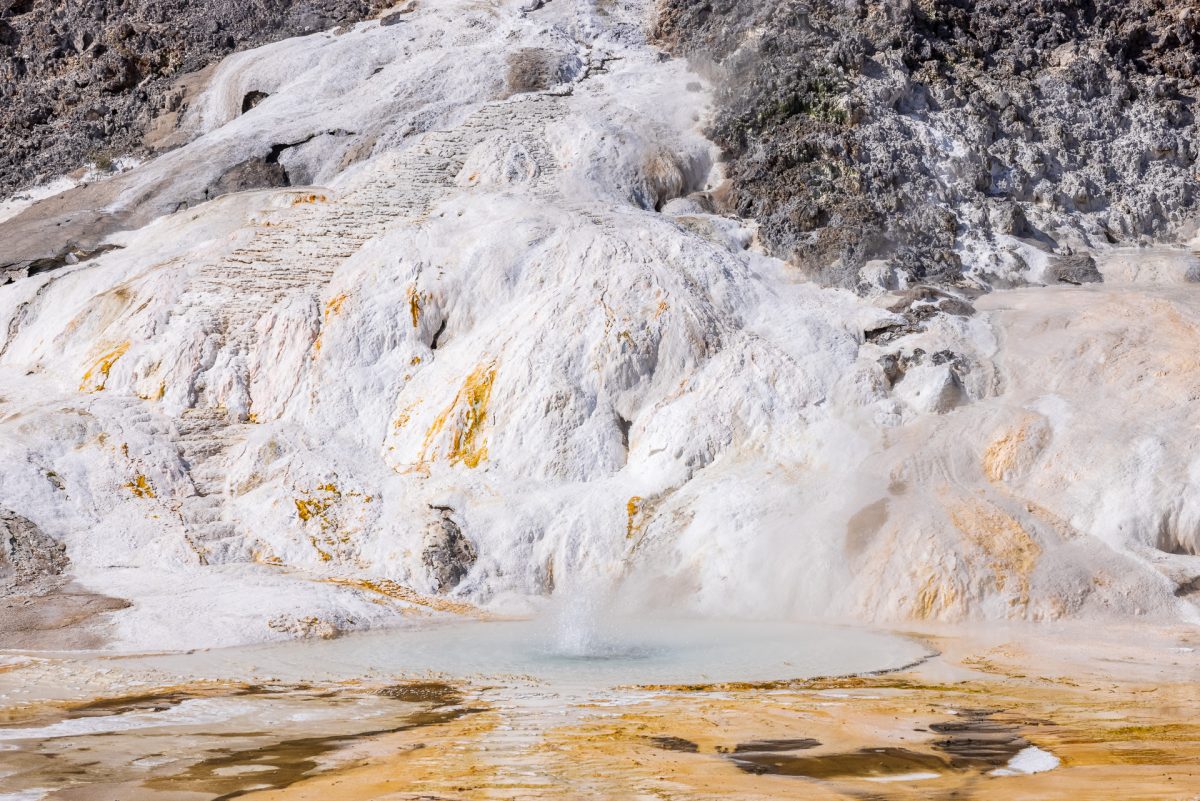
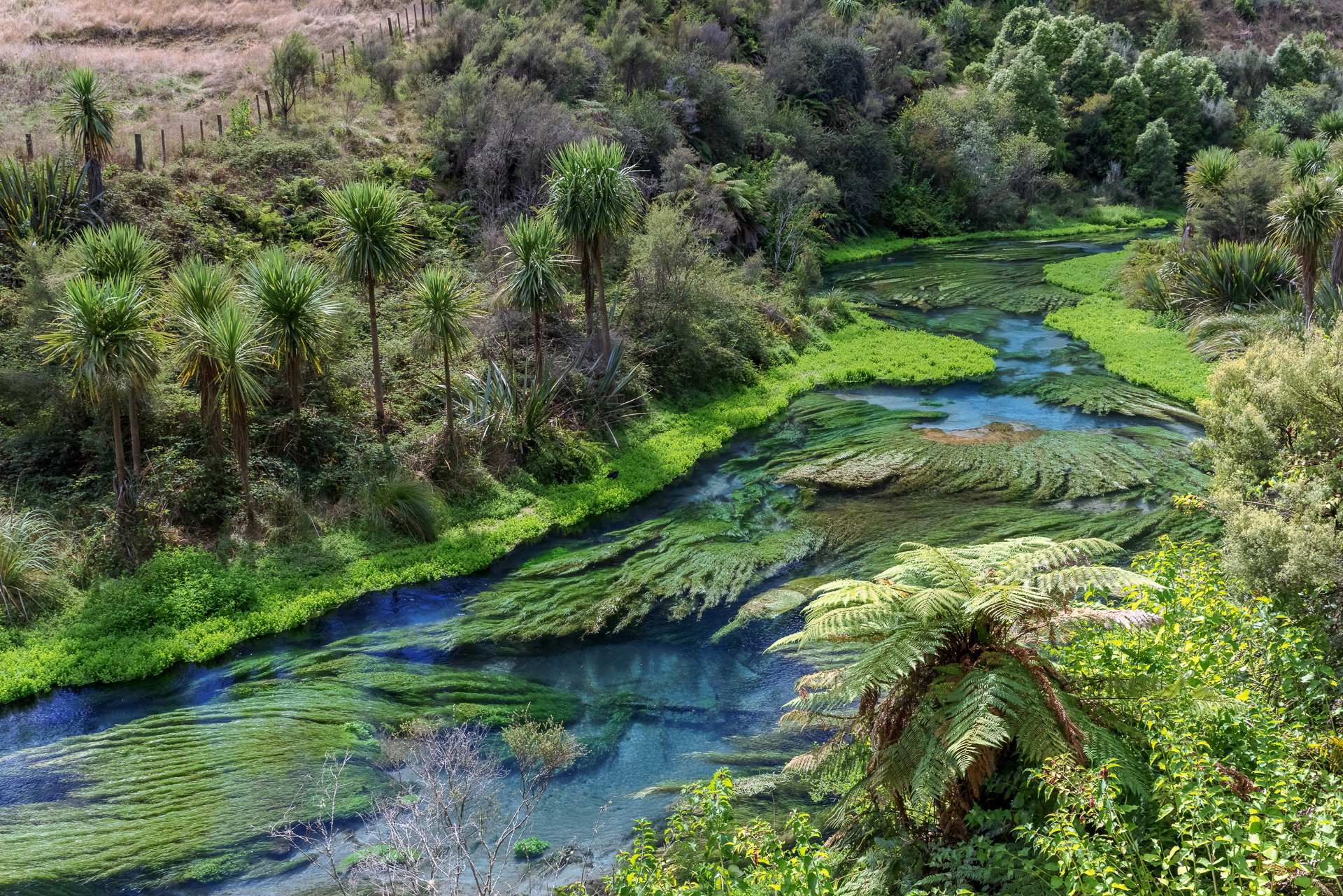
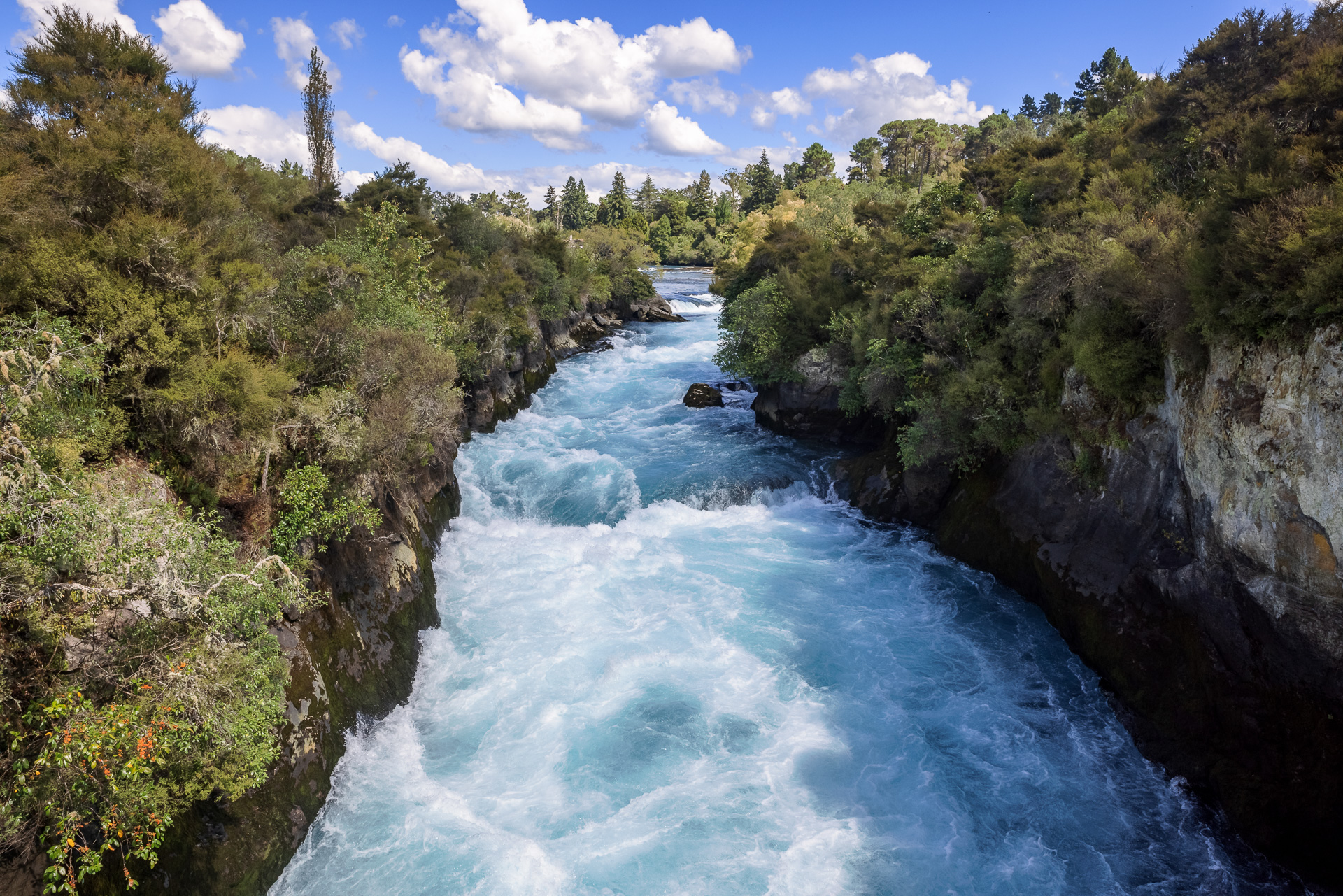
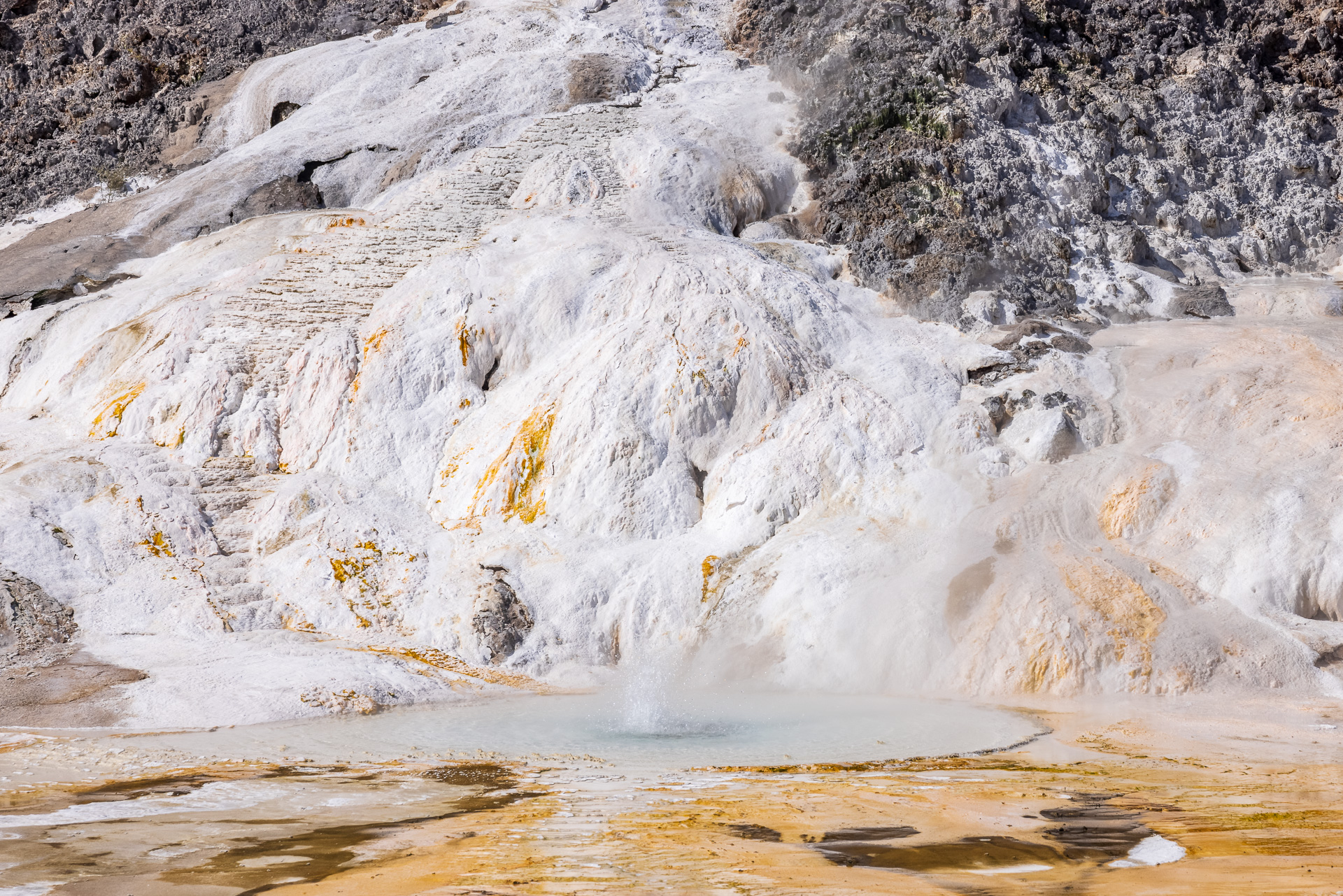
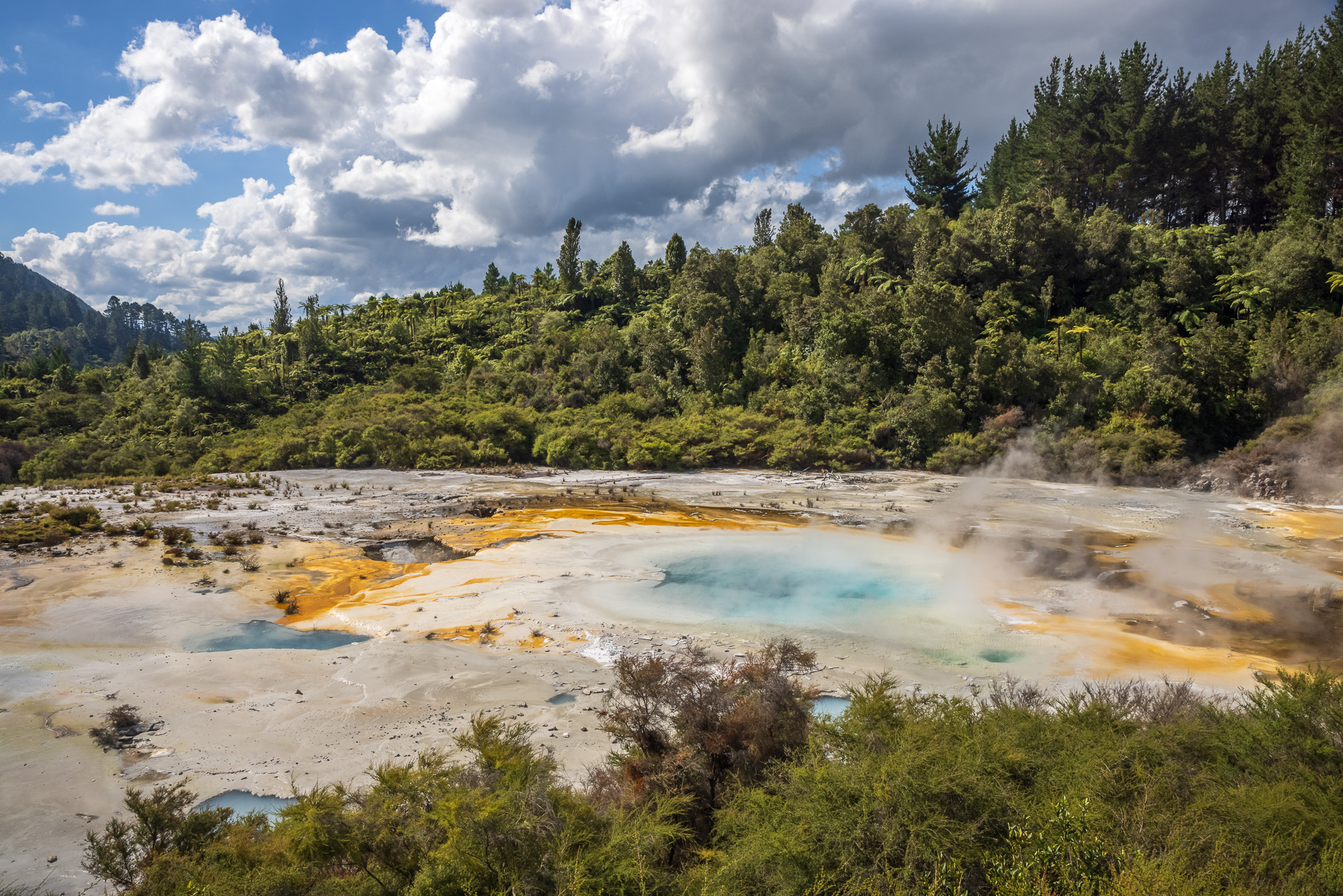
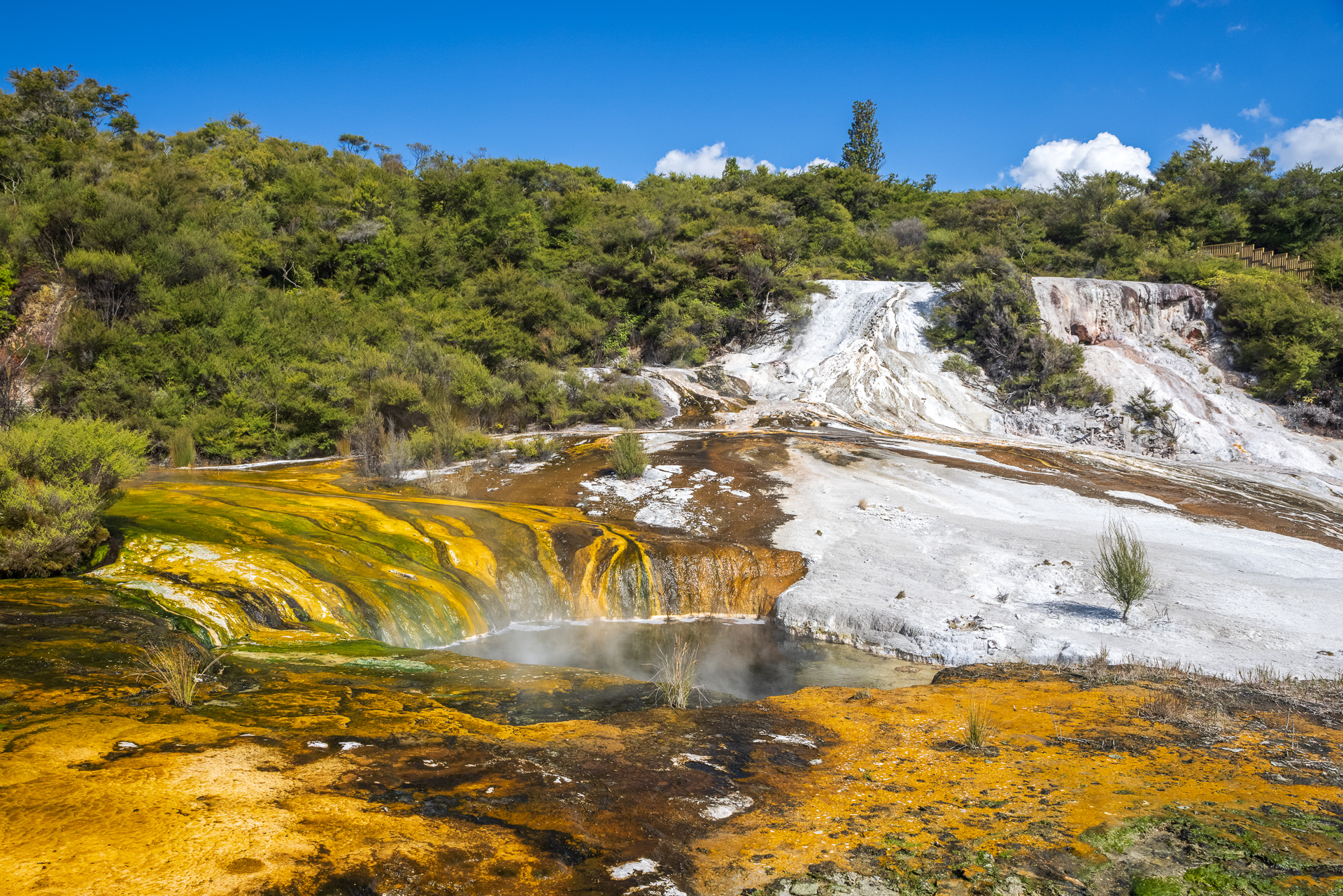
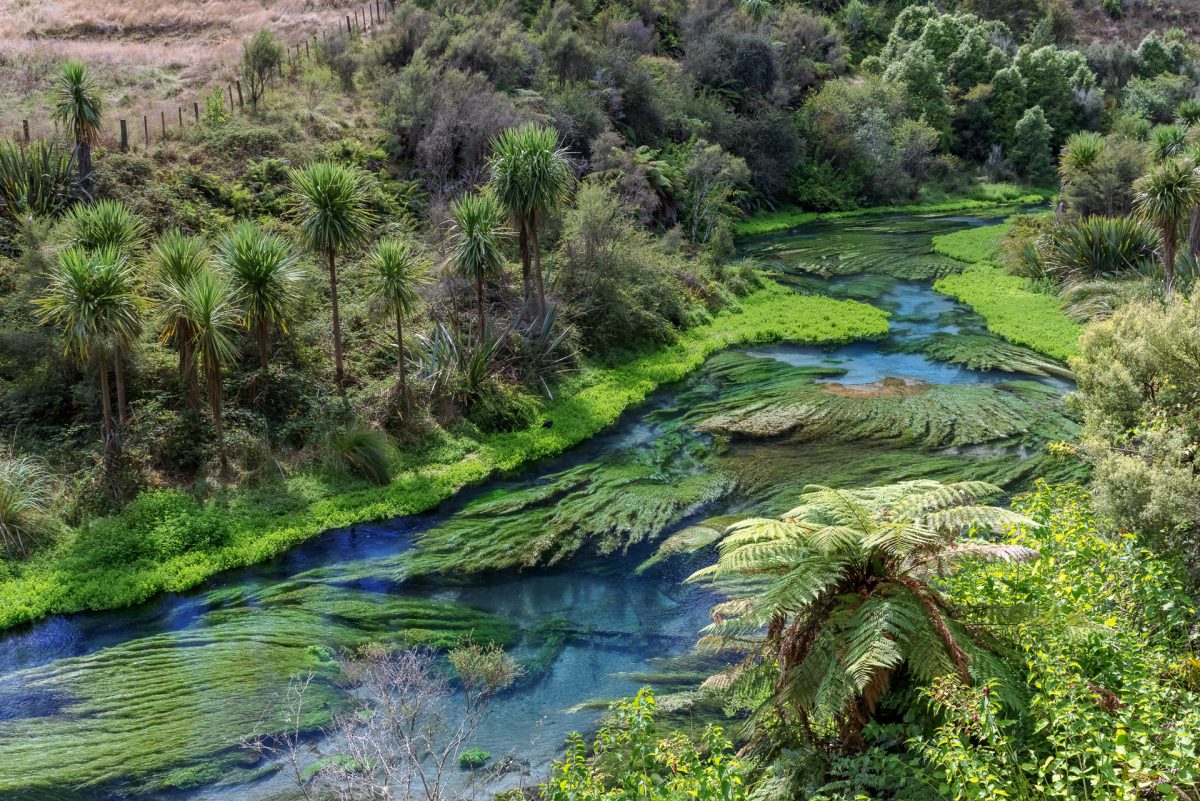
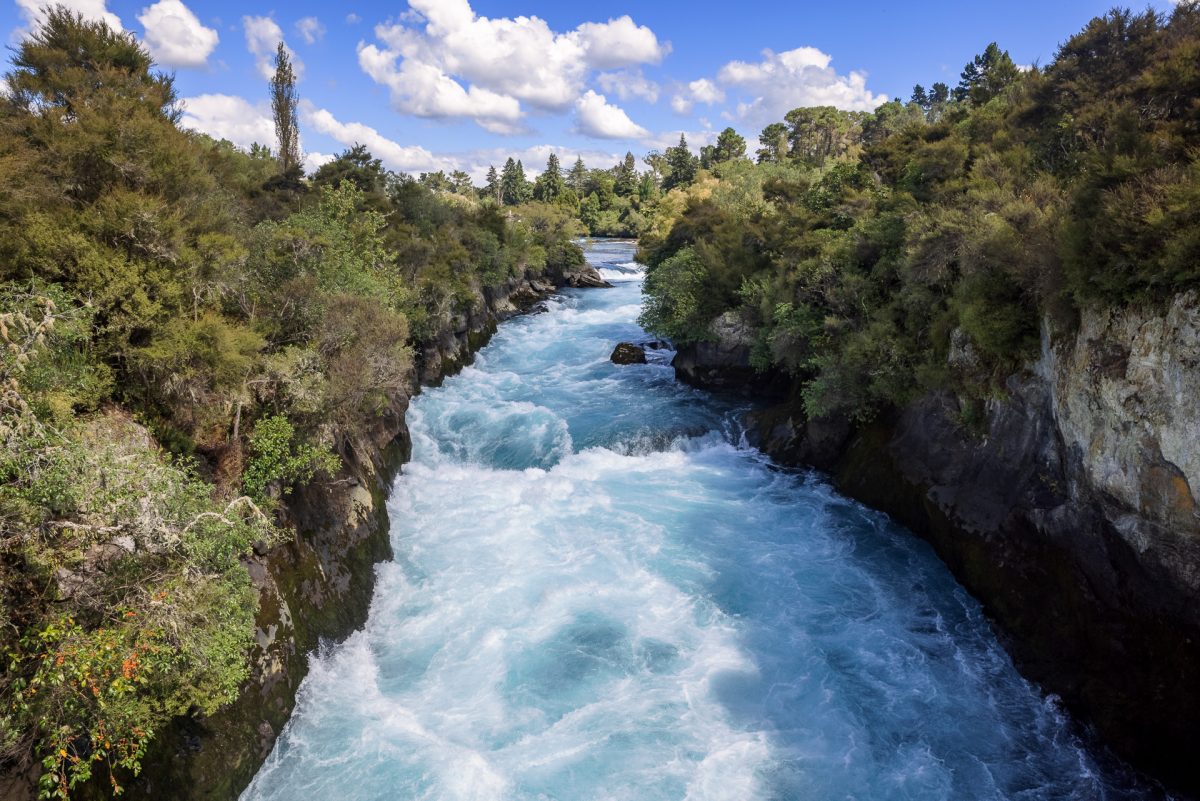
Chased inland by an earthquake that woke us in the middle of the night, we drive the thermal explorer highway from Napier to Lake Taupo. There is a lot to keep us busy around Taupo with Huka Falls, the crystal clear Blue Spring, as well as geothermal activity such as hot pools, geysers and colourful silica terraces.
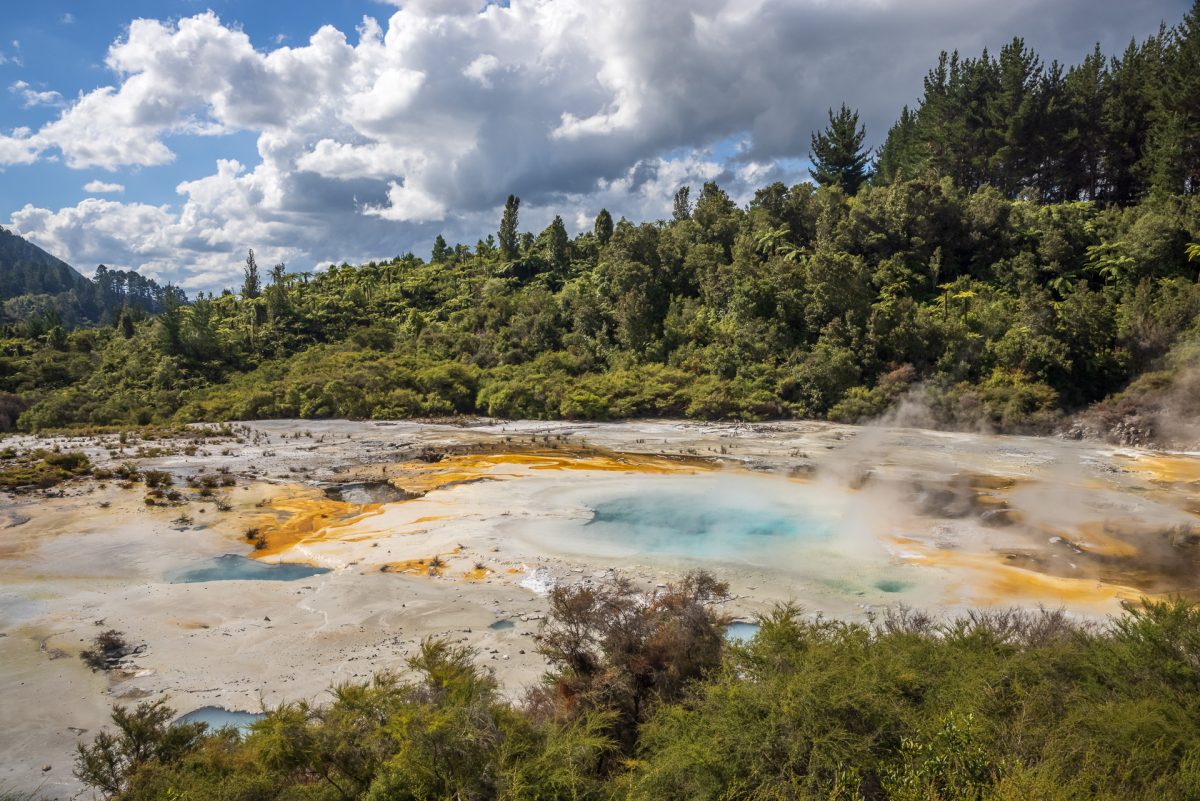
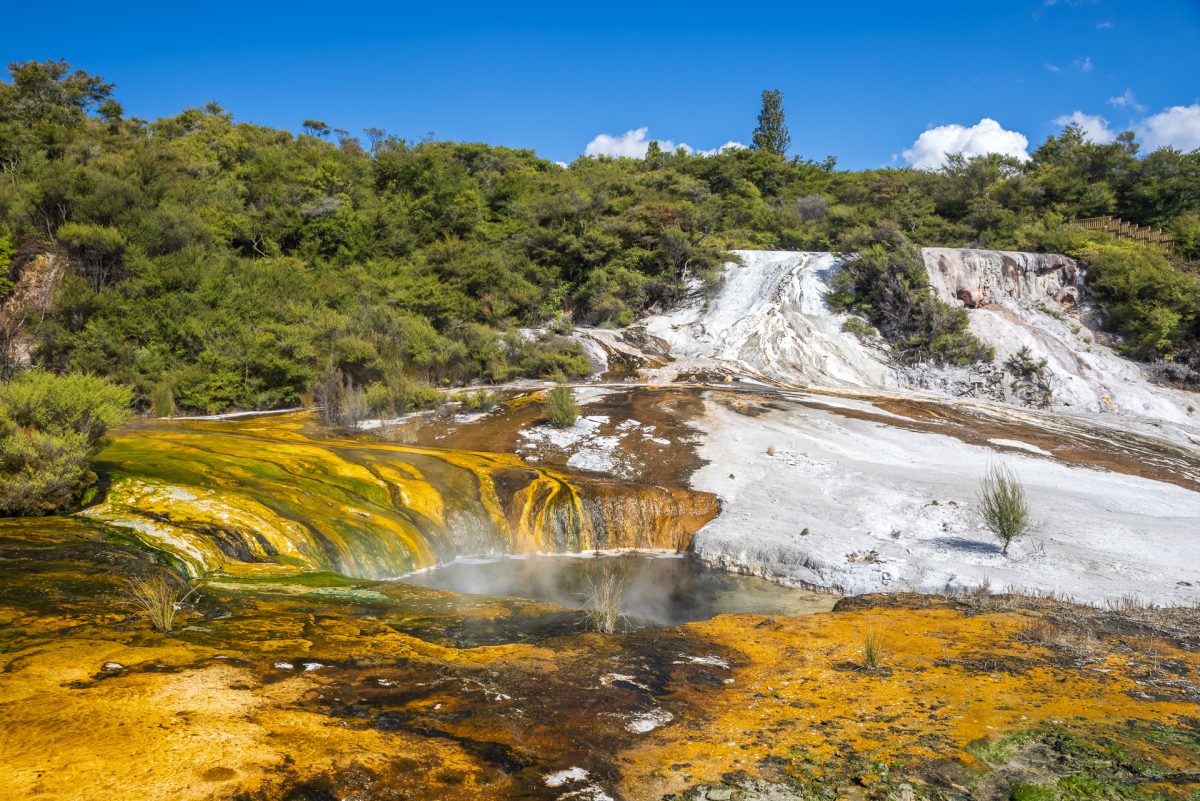
We spend the afternoon at Orakei Korako and are the only visitors wandering around this crazy colourful, steaming bubbling landscape. Perhaps not the best idea to be walking around faultlines as our phones are beeping tsunami warning at us from a string of earthquakes!