
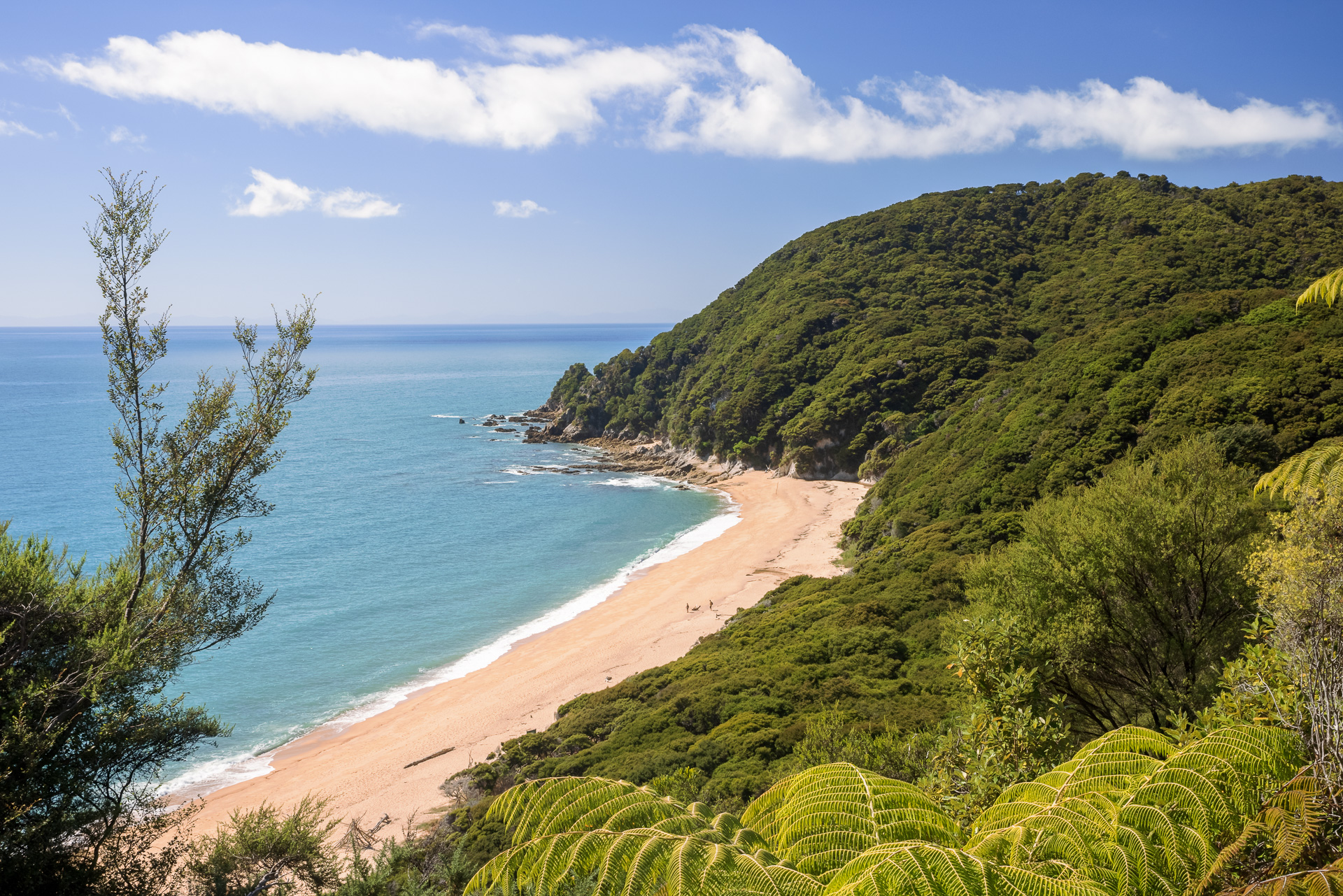
The northernmost tip of the South Island is largely made up of Kahurangi and Abel Tasman national parks, with communities and coastal towns dotted around the coastline. To explore the golden beaches and lush bush thick with nikau palms we drive up the West Coast to Karamea and then back south and around the Kahurangi National Park to Golden Bay and Abel Tasman National Park.
Karamea
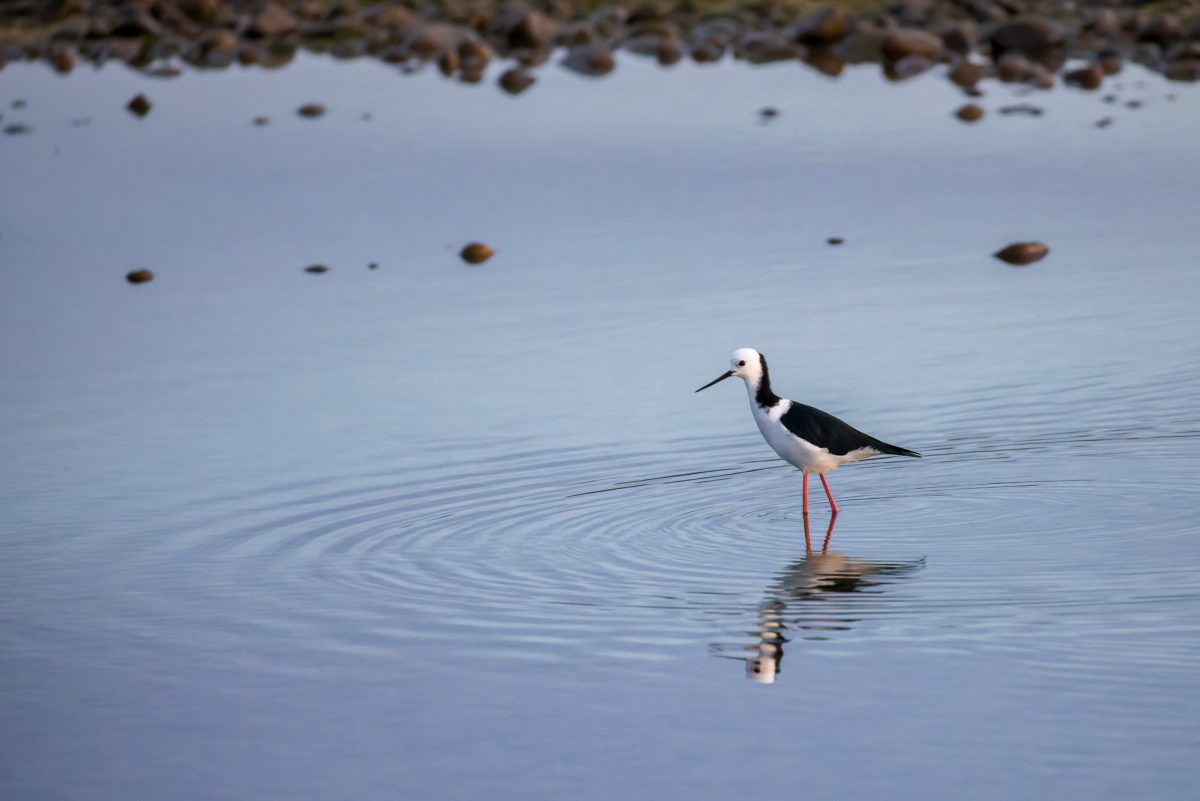
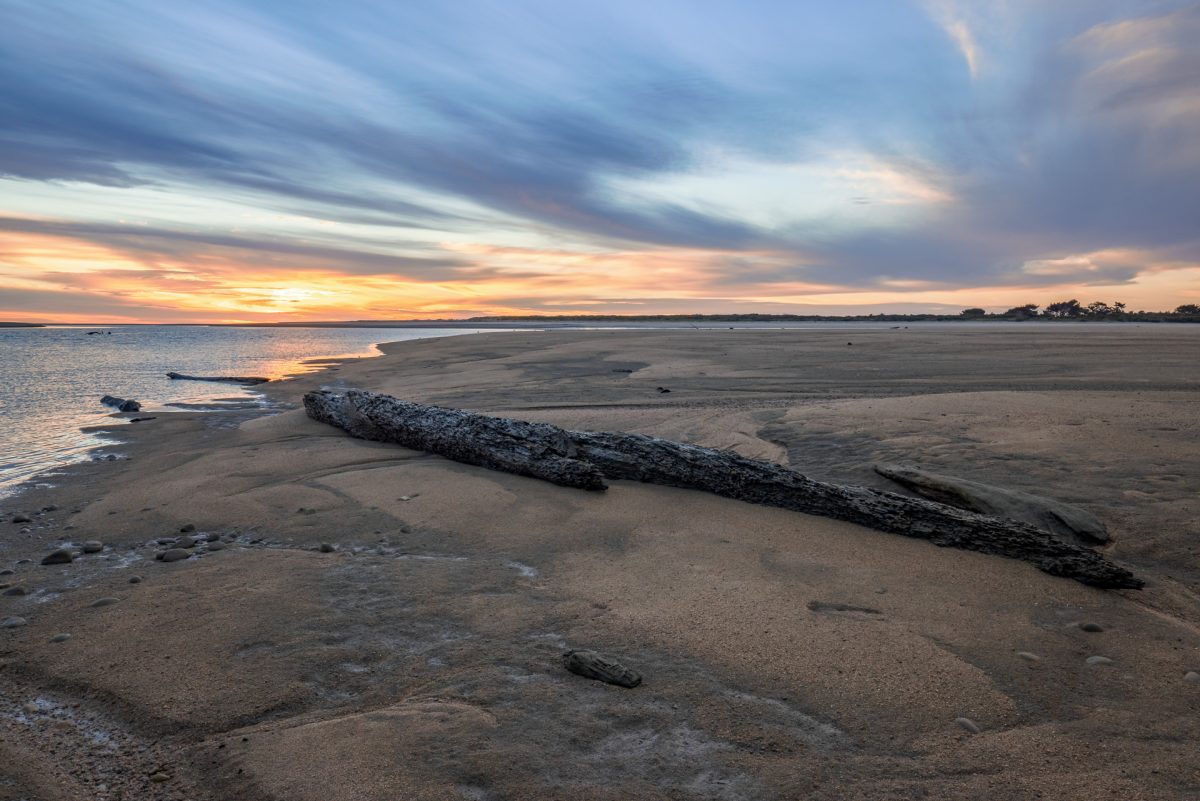
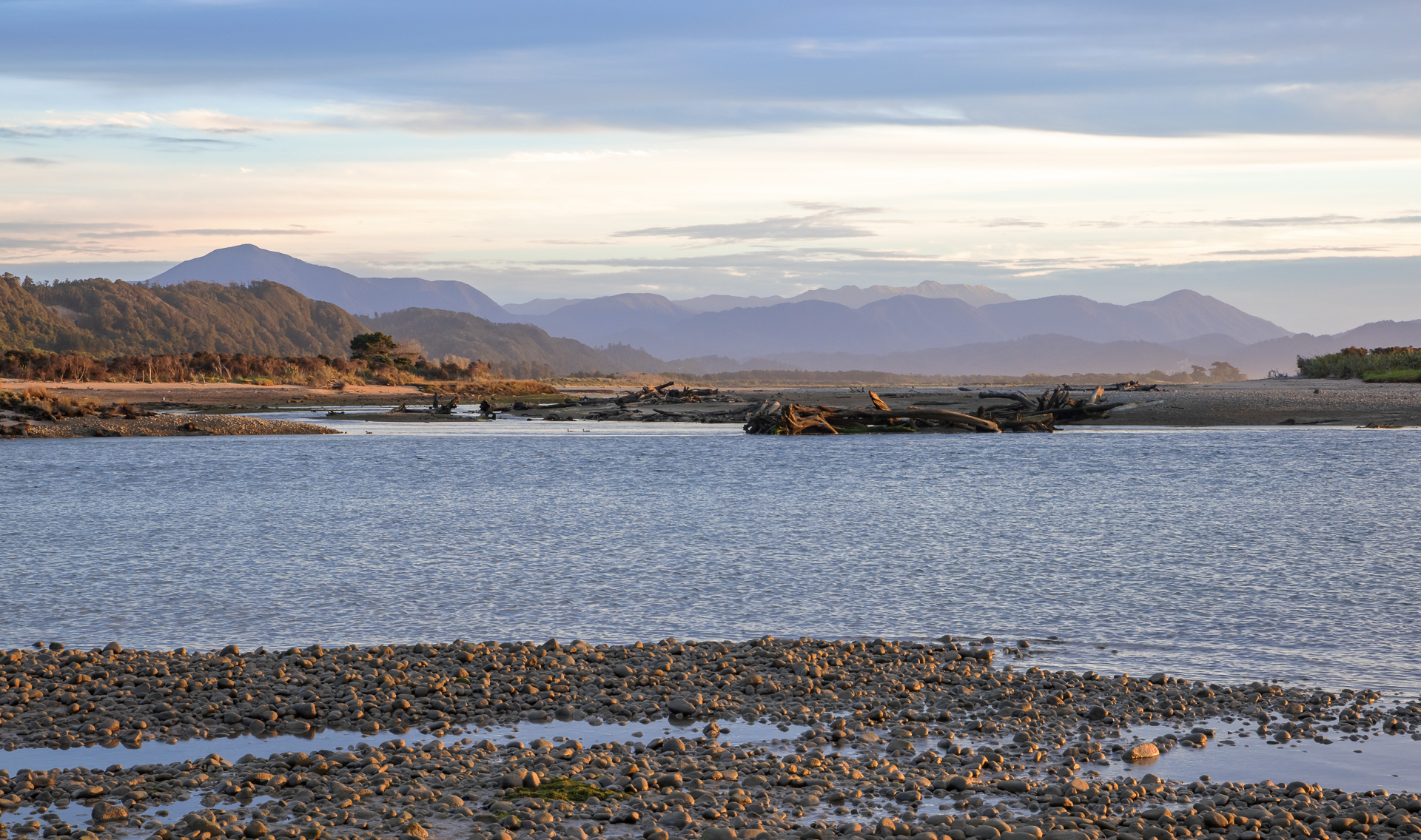
Karamea is a small town with plenty of reasons to visit. Sitting on the side of an estuary teeming with birdlife, it is also close to the remarkable Operara Basin – a large basin, dotted with karst limestone caves and arches. We couldn’t find much information before arriving in Karamea about the best ones to visit or if it was worth taking the guided tour. On arrival at the Karamea community-run campground, which is on the local cricket pitch, we spoke to the resident caretakers who live on a bus on site. They provided us with a map and said we could do most of the sites in half a day. They also warned us, however, that the DoC managed road up to the arches is in a bad state after heavy rains and not suitable for campervans (height restriction of 2.8m), so we are recommended to hire a car for the day for $80. After much deliberating, we decide to give it a go in the camper. According to the sticker on its windshield, it is exactly 2.8m high and we feel well trained on poor quality mountain roads from our Romanian road trip last year. Decision made, we have an early dinner and walk the estuary walk at the back of the campground for lovely views of the setting sun.

Early the next morning we drive up to the track, the campervan scrapes under the hanging height barrier, just catching on the skylights. We leave it swinging behind us and head up the road, easing our way through the potholes. The wheels are soon spinning in the gravel as we head up a particularly steep part. Not wanting to look like the idiots who ignored the no campervans sign and get into trouble, we give up and turn back. Time for plan B, we park at the bottom of the track, pack our day bags and get ready to hitch a ride. Turns out this is 100% the right course of action, the first car that comes along is a 4WD jeep that pulls over and offers us a lift. We bump and skid up the track, thankful that we are not putting our campervan through this bone-shaking drive.
Oparara Valley Limestone Arches and Caves
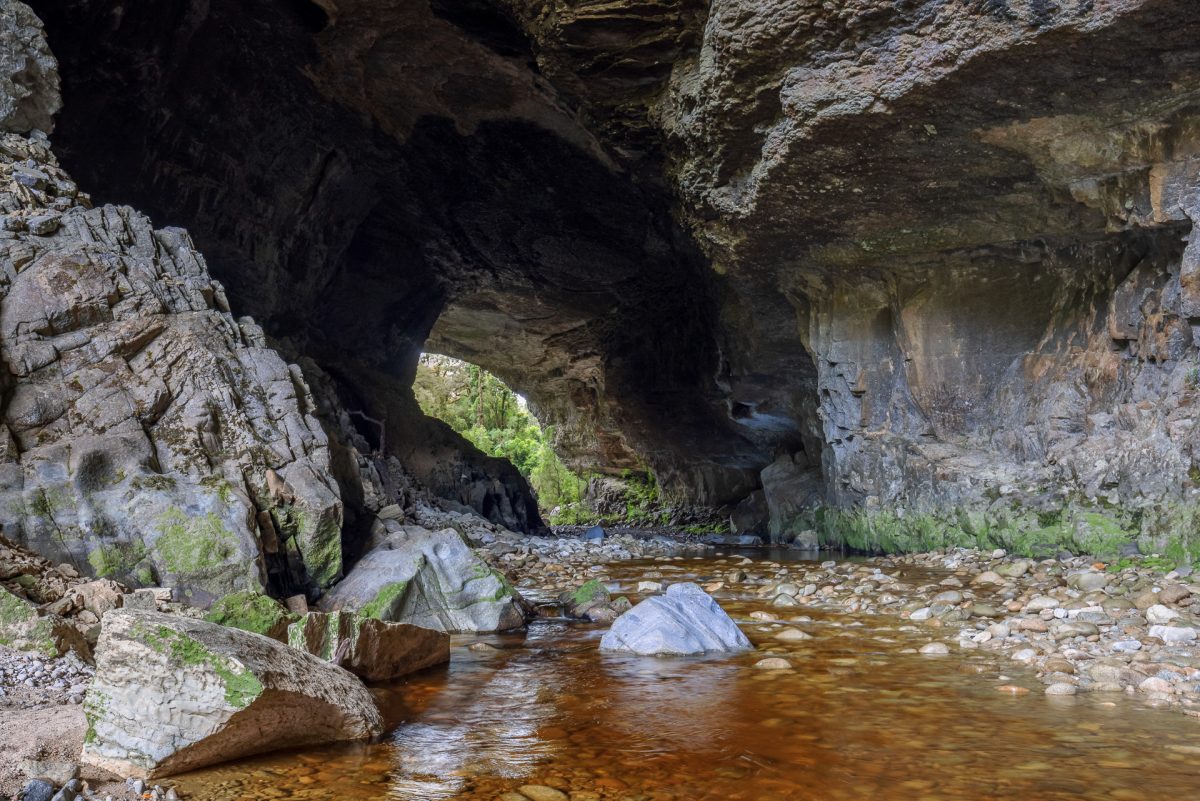
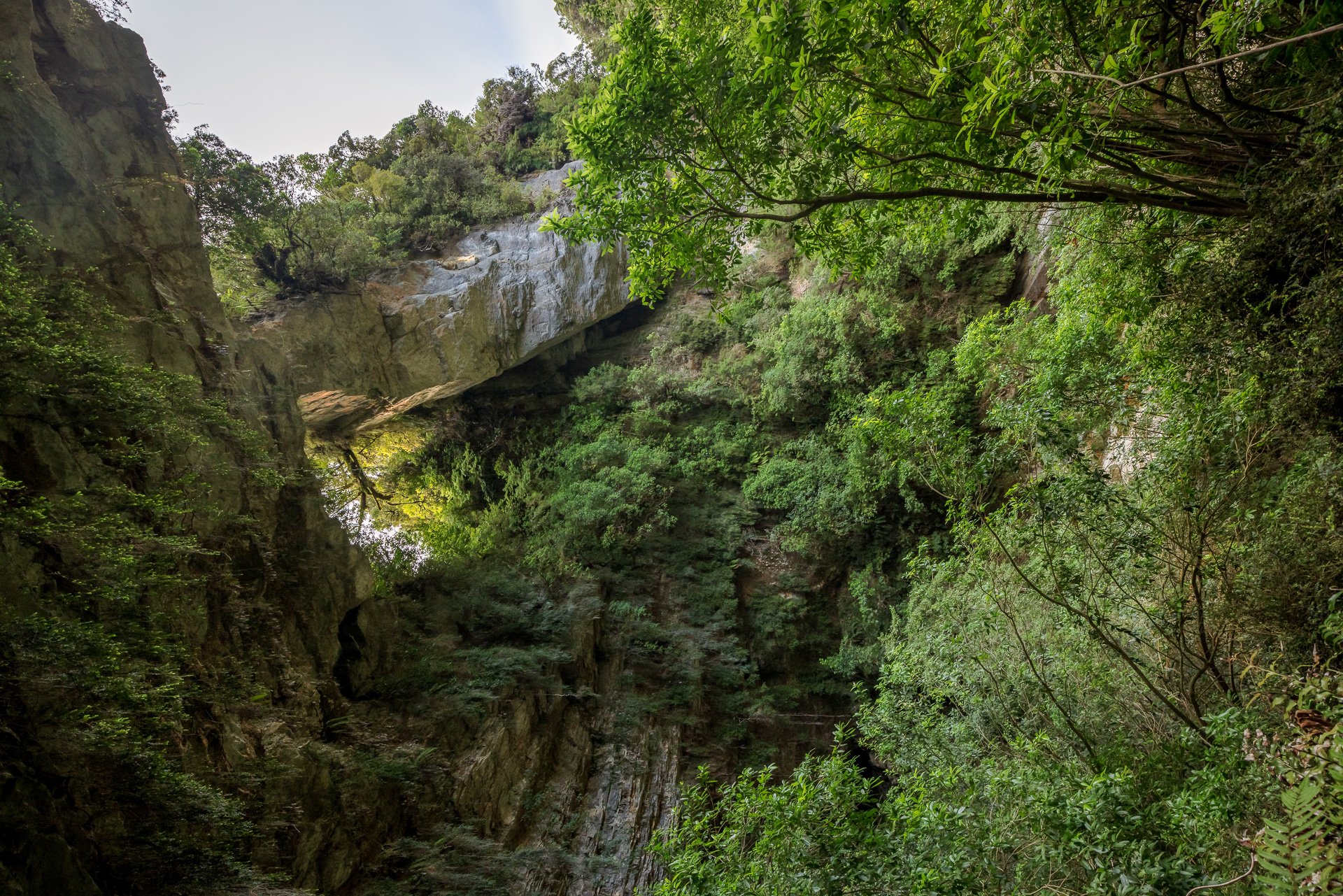
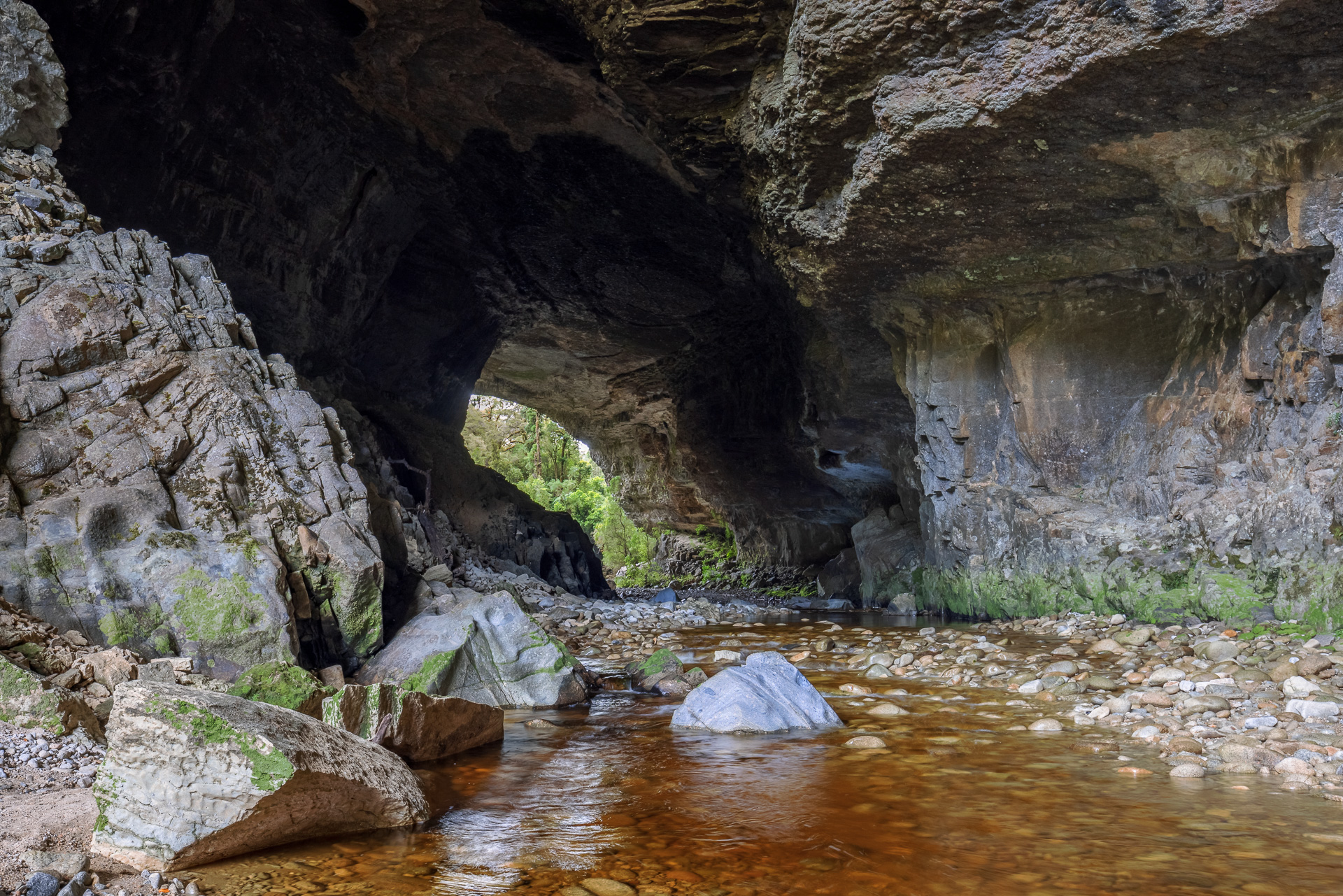
Waving goodbye to our kind drivers, we head into the bush of the Oparara Valley in search of its Karst wonders. I first catch sight of a limestone rockface towering above the trees and realise it is the top of the Oparara Arch. Continuing up the track, the underside of the arch comes clearly into view with the morning light streaming through, lighting up the orange lichen on the other side. The limestone tunnel is 37m high and 49m wide, with a stream gurgling through it. We walk along the beautiful pink and blue granite rocks the whole way (200m) through the arch.

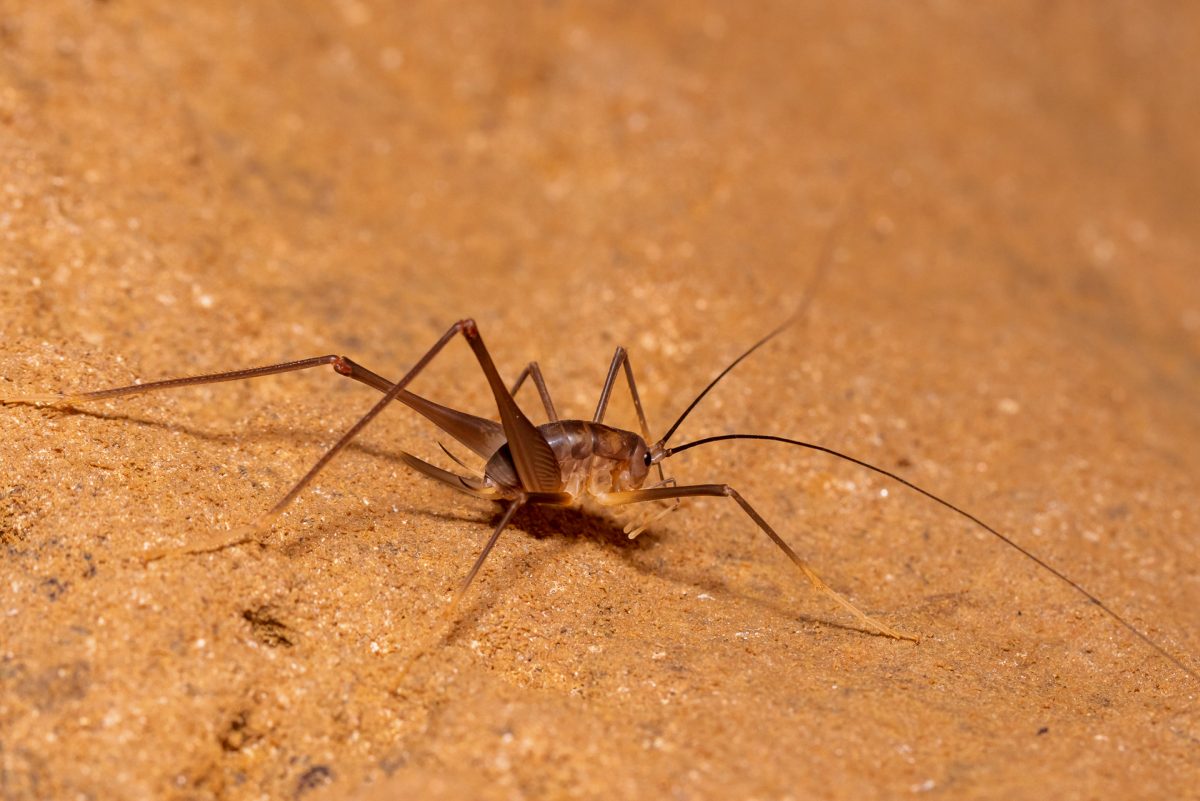
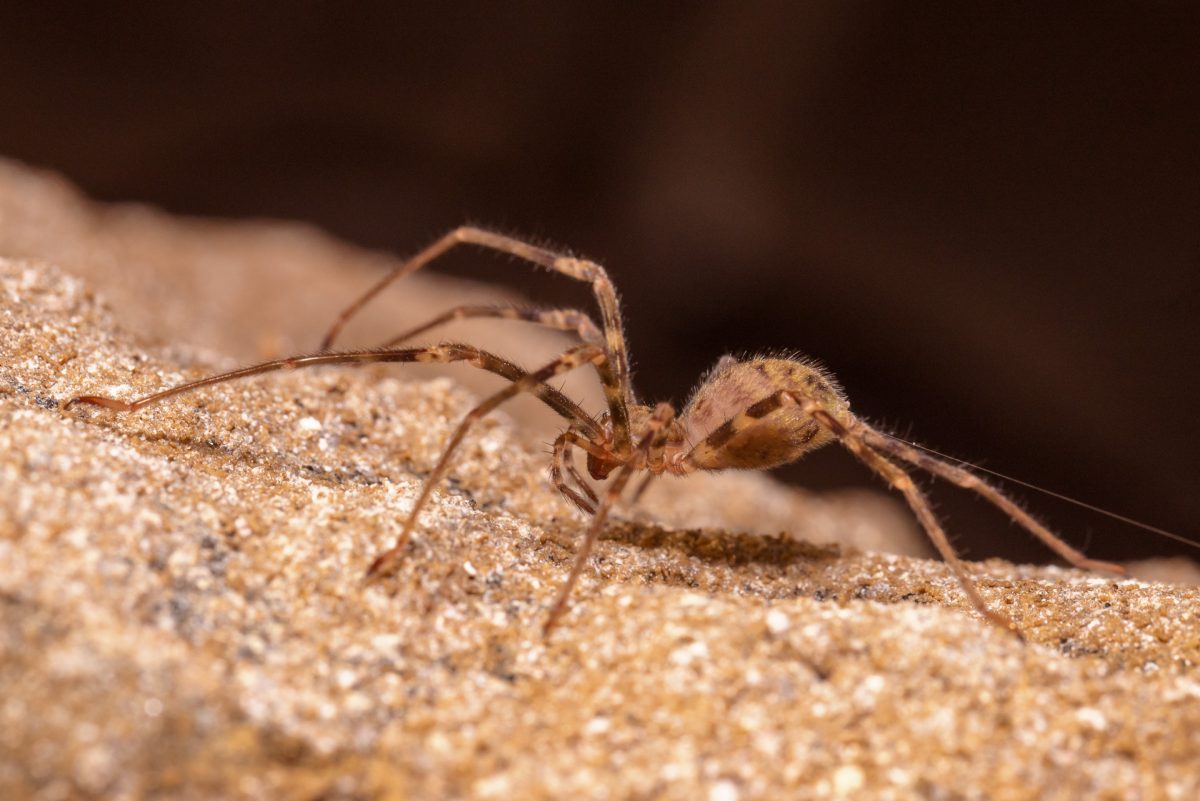
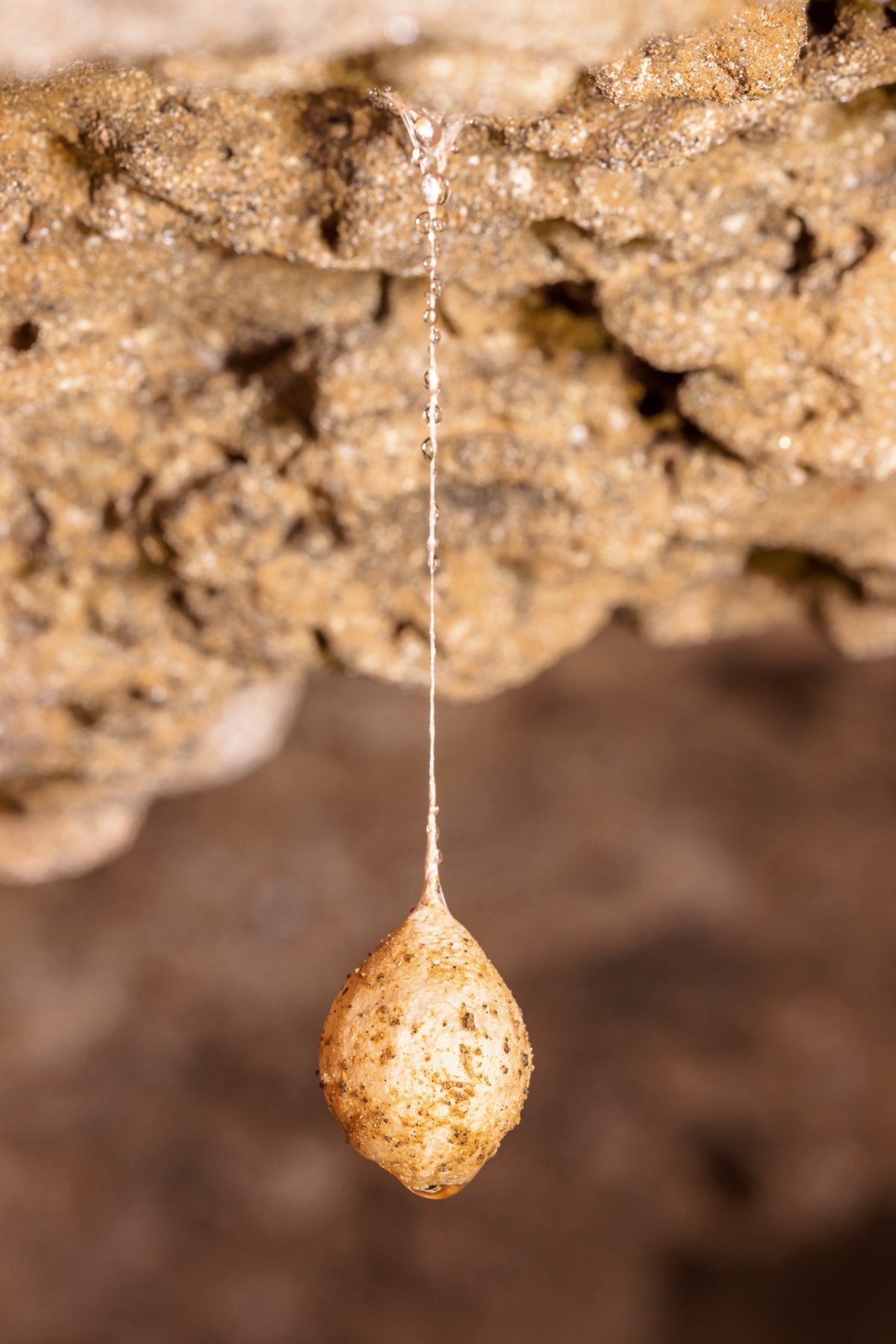
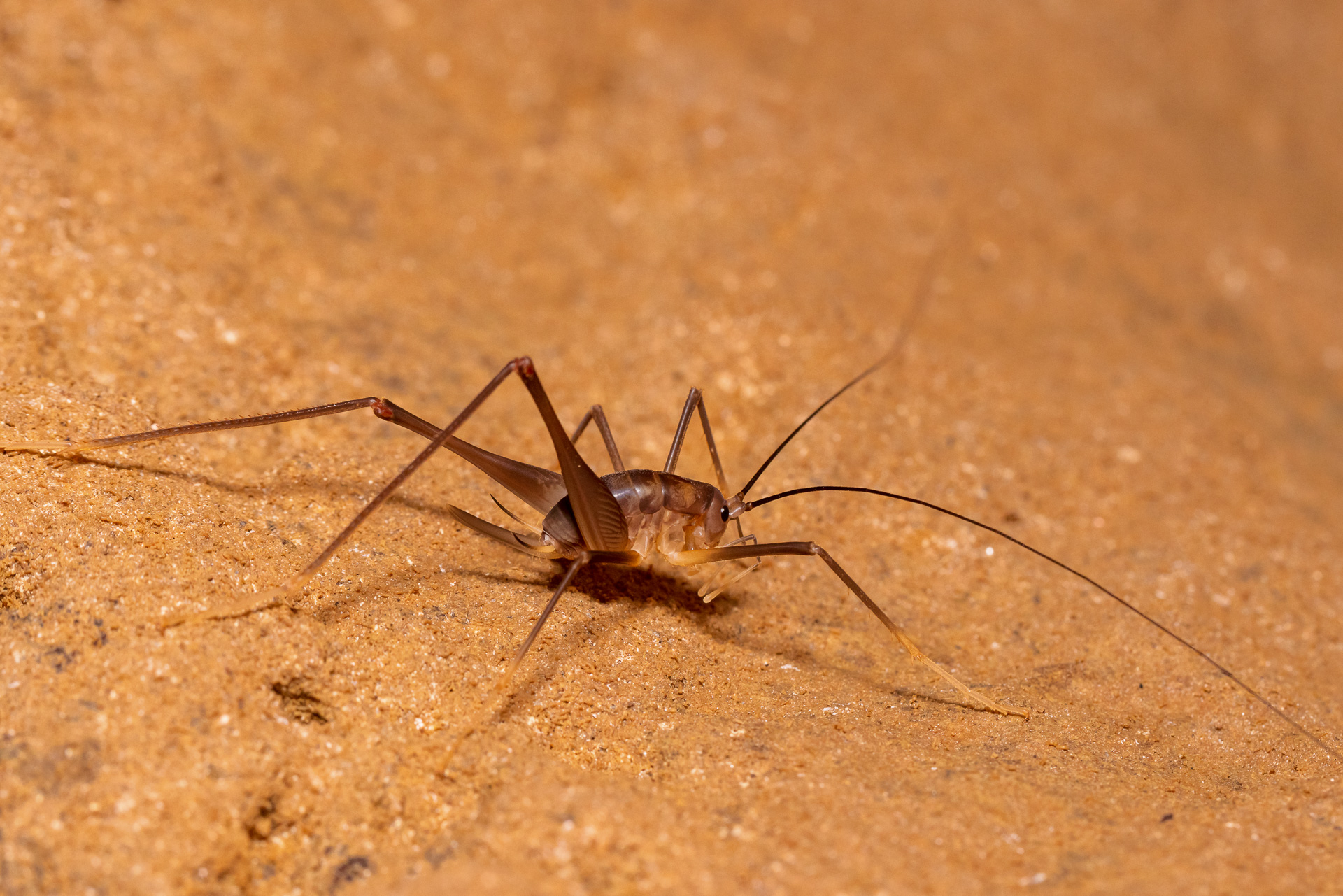
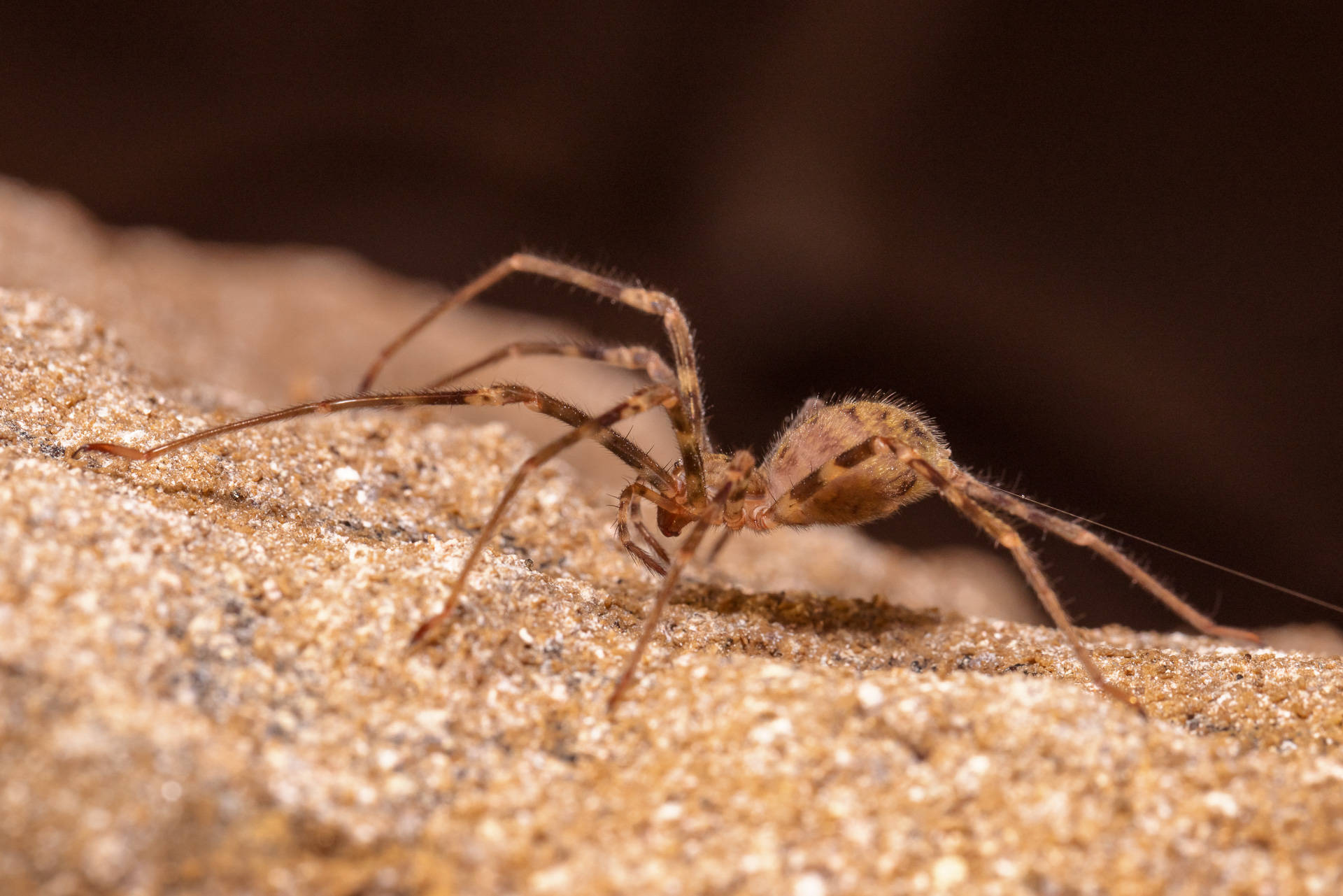
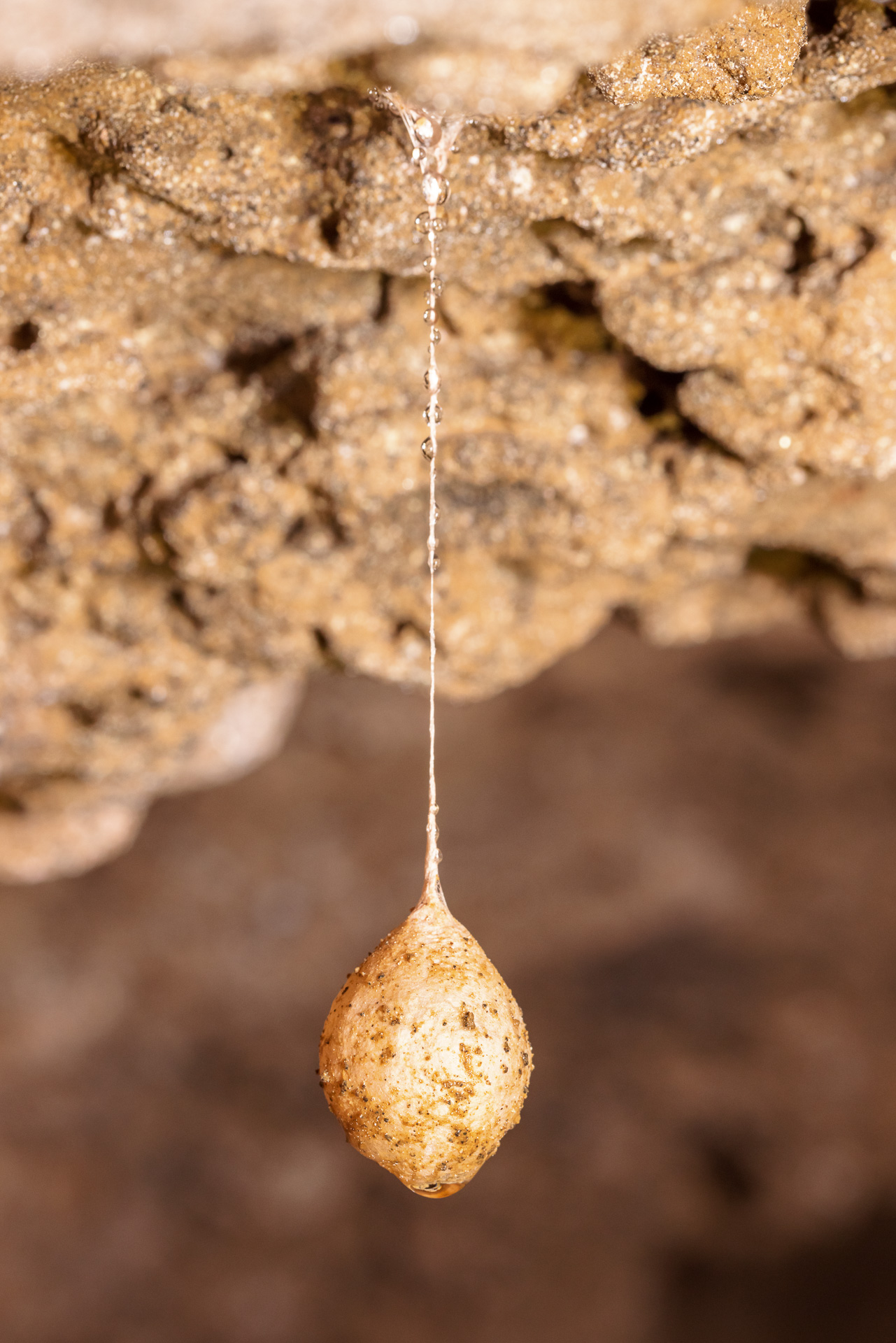
Next up is the Crazy Paving Cave, a small cave with cracked mudstone tiles. The cave is renowned for its two resident troglobite species; ancient cave spiders that are NZ’s largest and thought to be descended from the earliest true spiders, along with their prey; cave wetas. We enter the cave and head all the way in headlamps on, looking for bugs. It takes us a while to spot them, but then my torch lights up a weta and its long feelers. Not far away is a spider waiting quietly for a chance to pounce. Now that I know what to look for, I start seeing them all over the walls and ceiling of this small cave. I can’t help it, my skin starts to crawl and I back nervously towards the entrance as Chris gets his camera out. Turning around I catch sight of a large, milky white, perfectly egg-shaped sac gently spinning from a long glowing thread. Apparently, these can house up to 50 spider eggs, eek! Not far from here is Box Canyon Cave also worth exploring a deeper darker cave where we find more tiny wetas here and glowworms dotted on the ceiling.
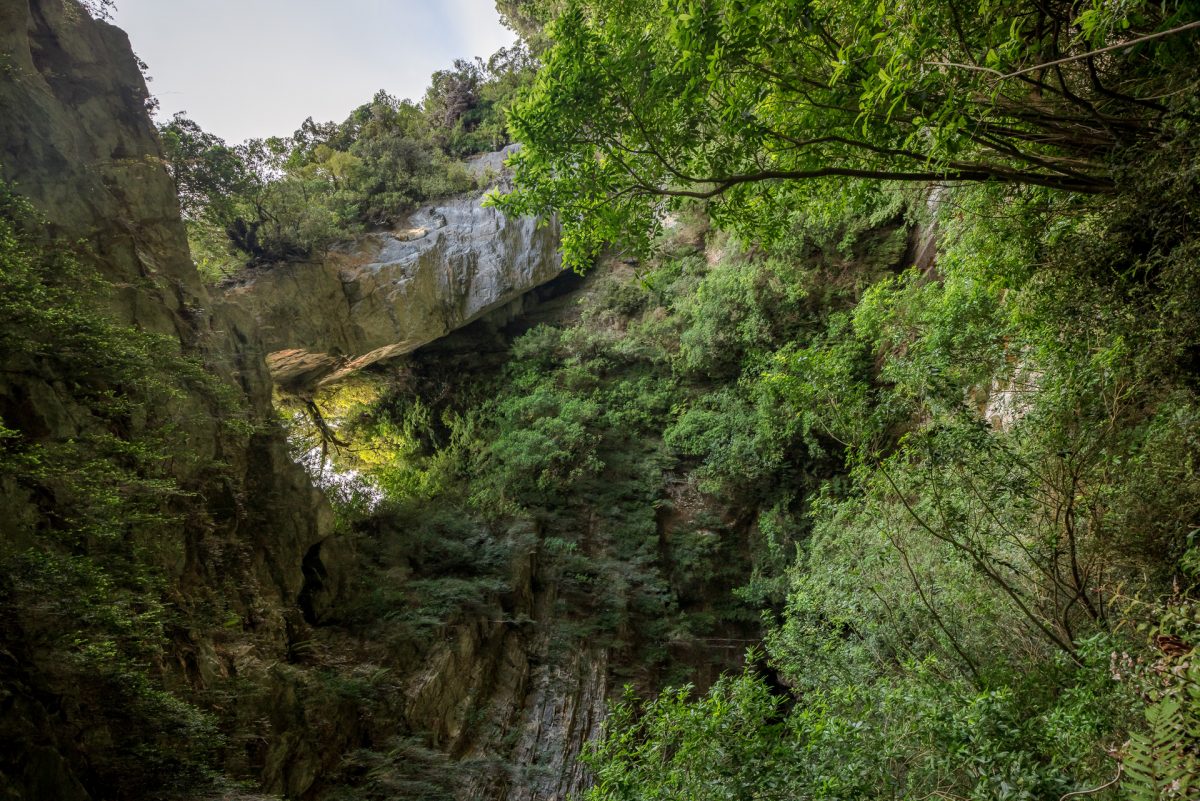
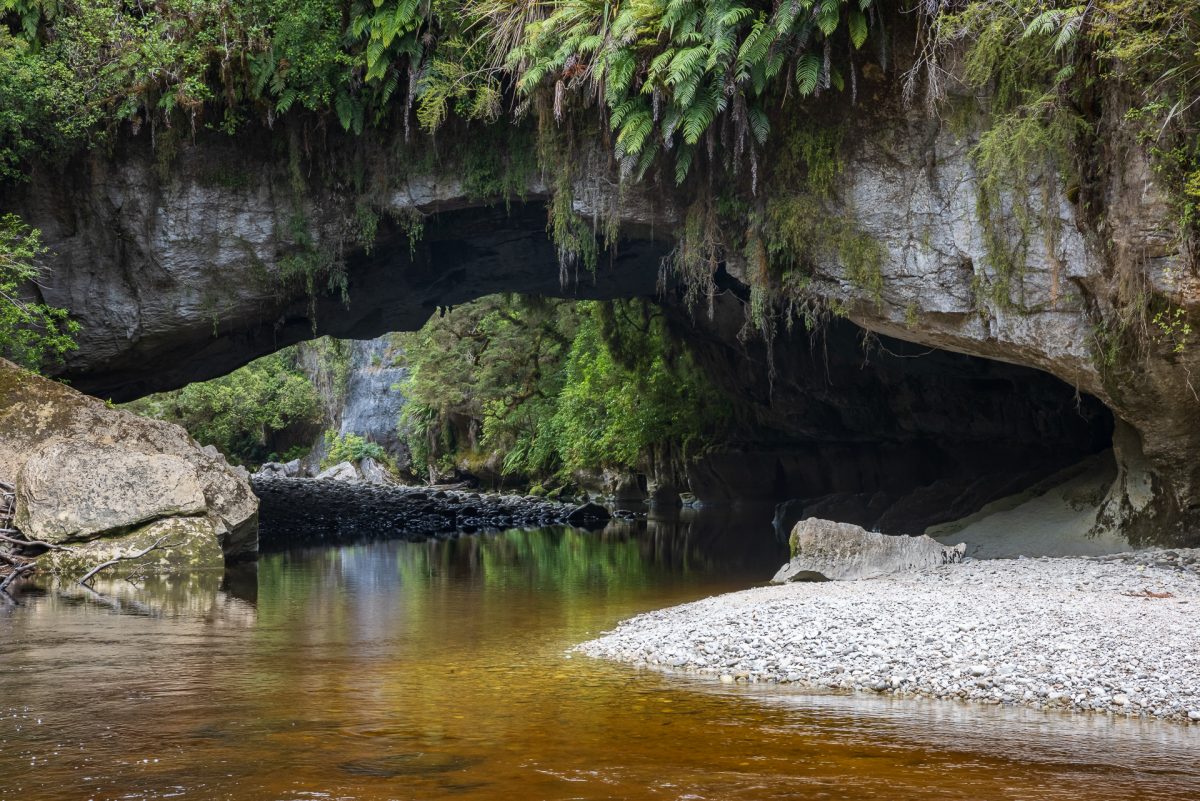
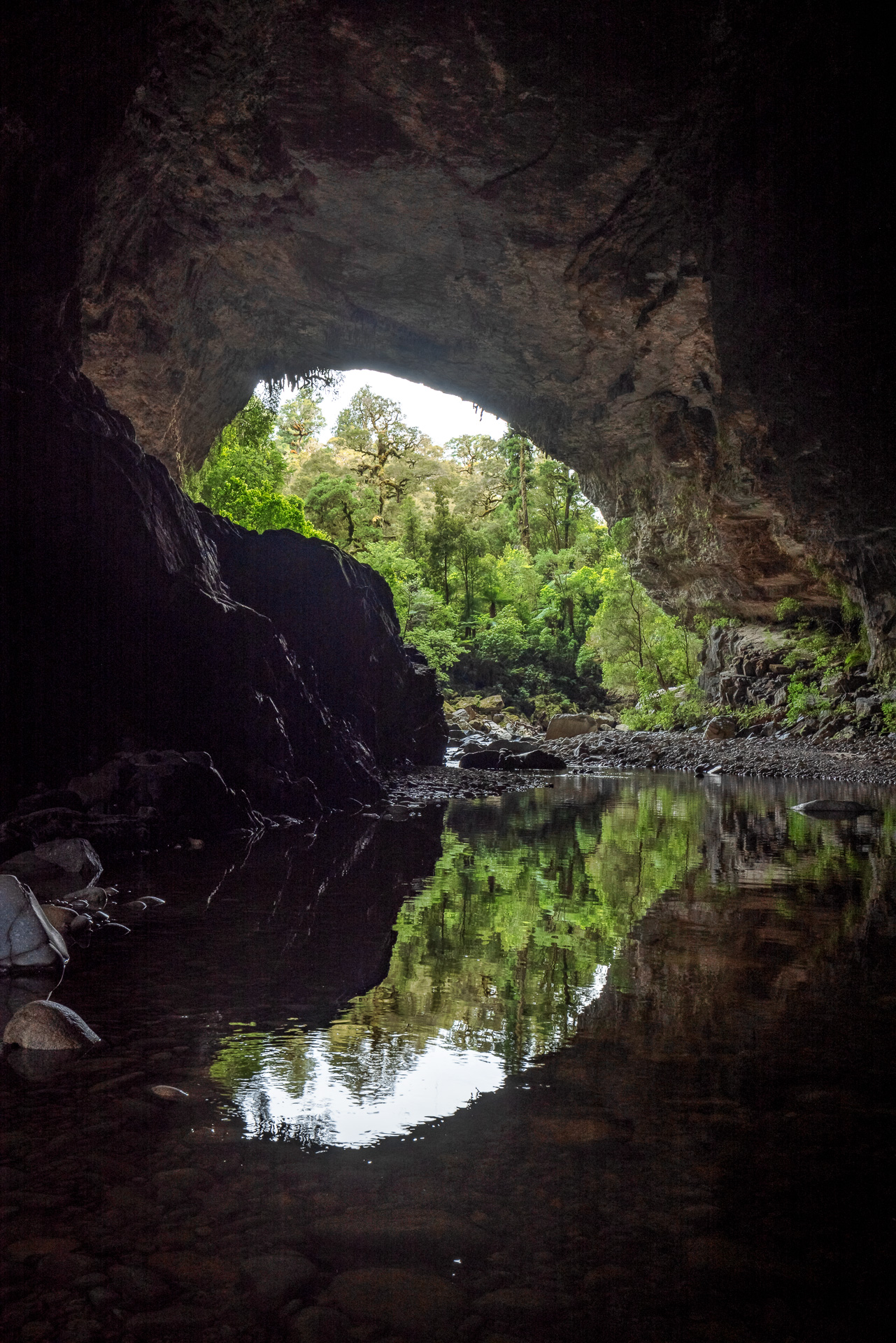
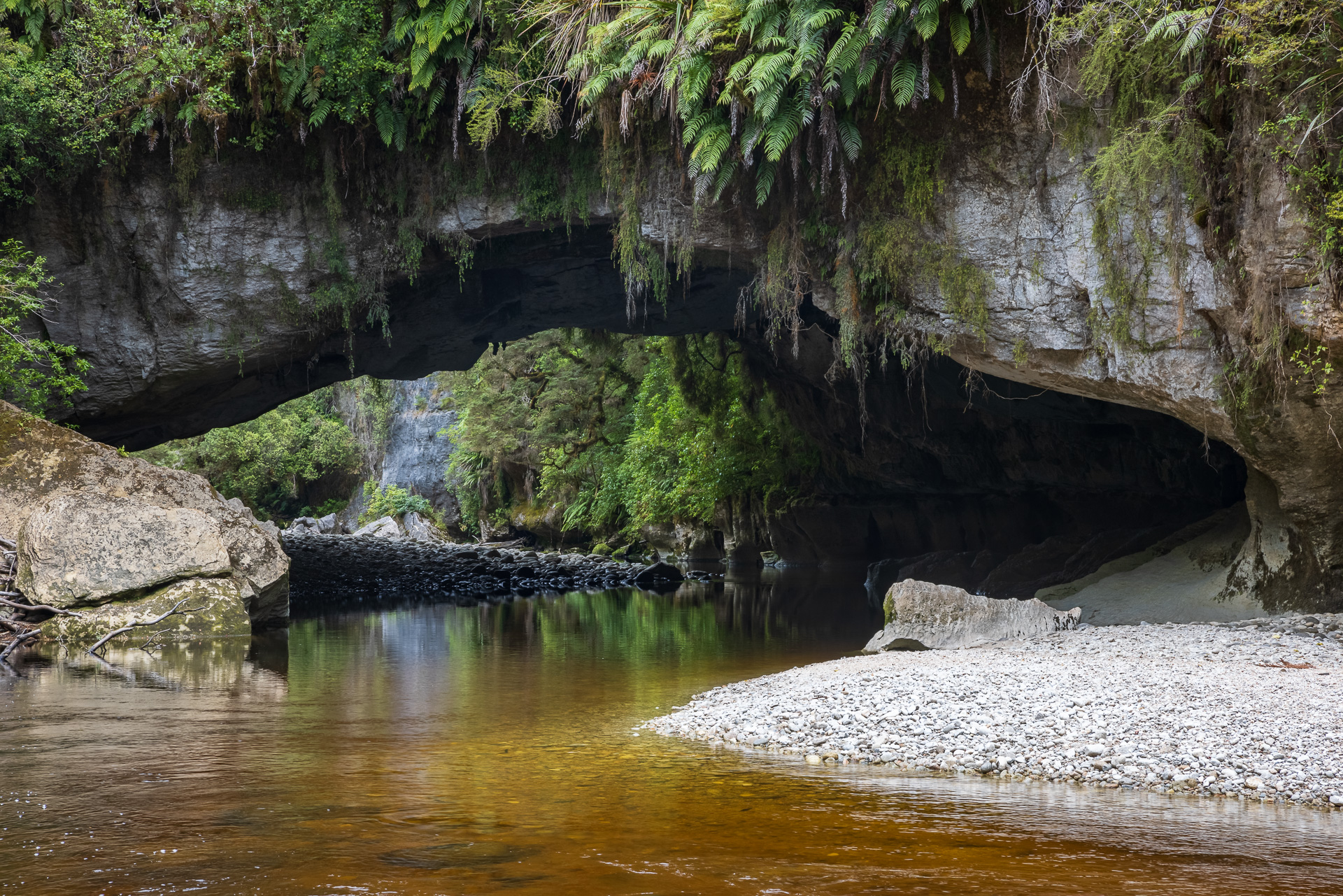
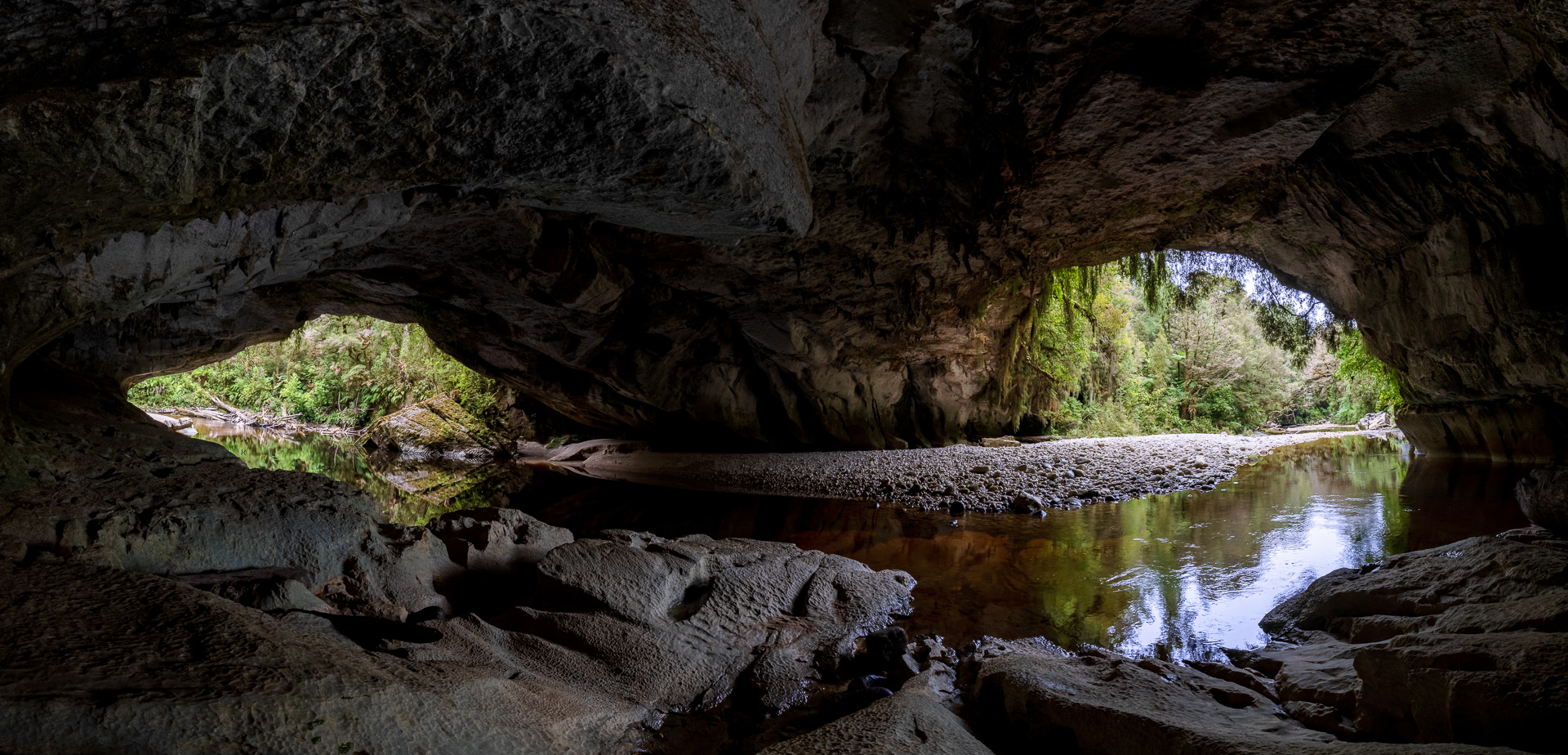
We then walk the 4km loop track to Moria Gate Arch; named after the mines in the Lord of the Rings, well before the movies came out. The limestone arch is quite breathtaking, dripping with ferns and trees, it spans over the deep brown river and its contrasting white pebble beach. The path takes us around over the arch and we descend through a narrow hole in the ground to come out under the arch into the cave itself. The cave has lots to explore end to end, with small tunnels in the walls at various places. We continue on the path back to the car park hopeful of hitching a lift back down to our campervan, not fancying trudging down the gravel road in the midday heat. Fortunately, there are plenty of people around by now, we start up a chat with a couple and they offer us a ride back down. Hitching in NZ, way easier than in the UK!

Kohaihai
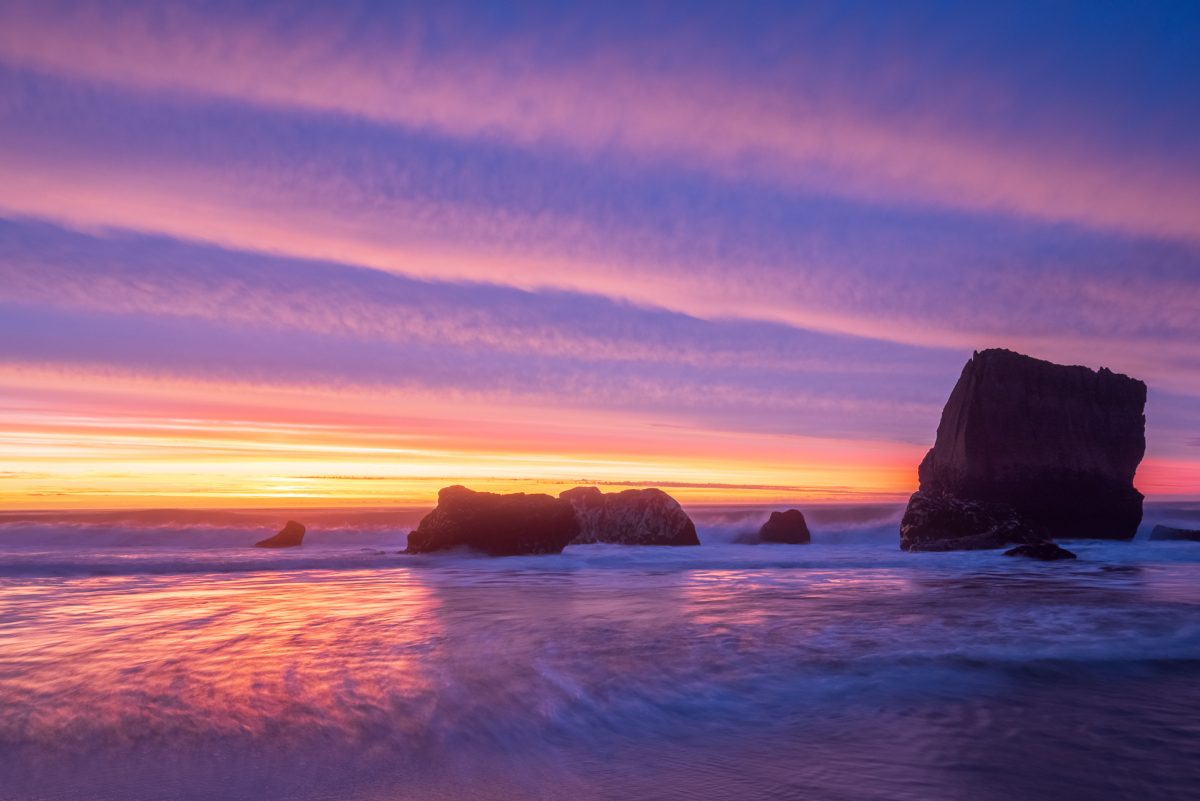
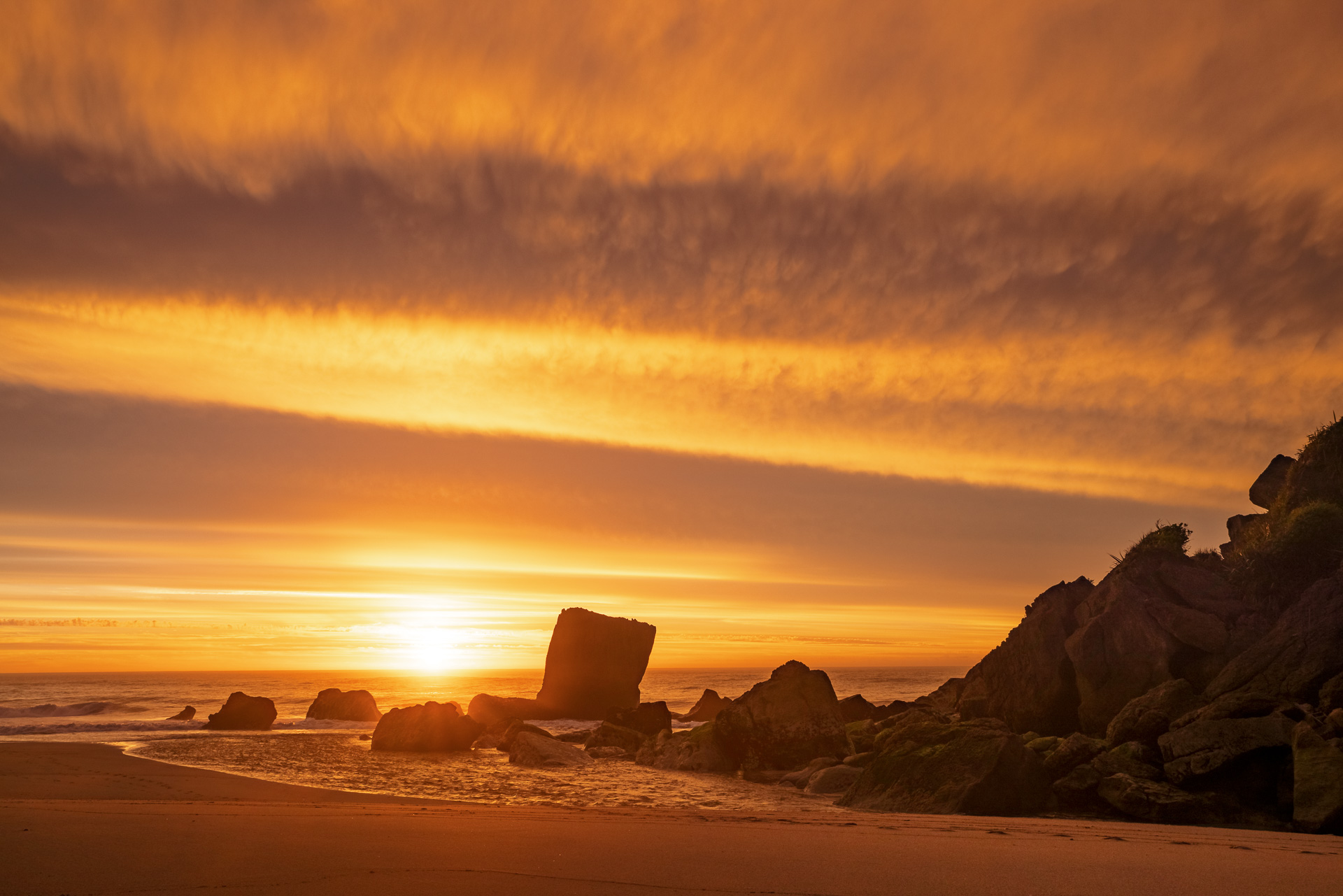
We drive a short while up the Tasman coast to Kohaihai, a stunning DoC campsite right on the beach and also the start/finish of the Heaphy Track. We hike the first 3km of it through dense nikau palm forest to Scott’s beach before coming back exhausted to the campsite. Before long the setting sun peaks through yellow clouds and Chris heads out with his camera. I find Chris on the beach, pacing up and down a short distance from his tripod. Sandflies, he explains, if you keep moving they don’t gather around you. This is not a beach that you can sit back and enjoy the sunset on as the sandflies will be quick to swarm around you. But wow what a spectacular place for sunset, the whole sky is lit up with vivid sunset hues and turning back we notice a rainbow in the haze above the river, too perfect to be true!


Westport-Nelson State Highway 6
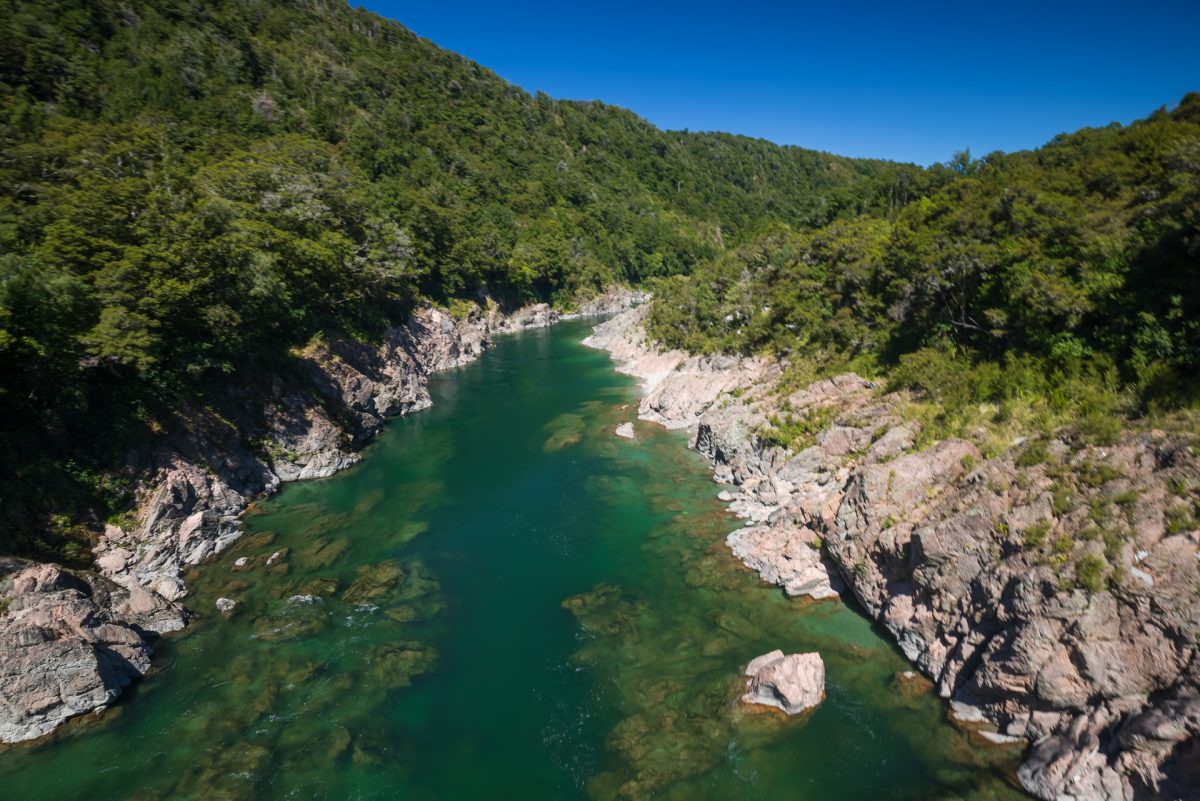
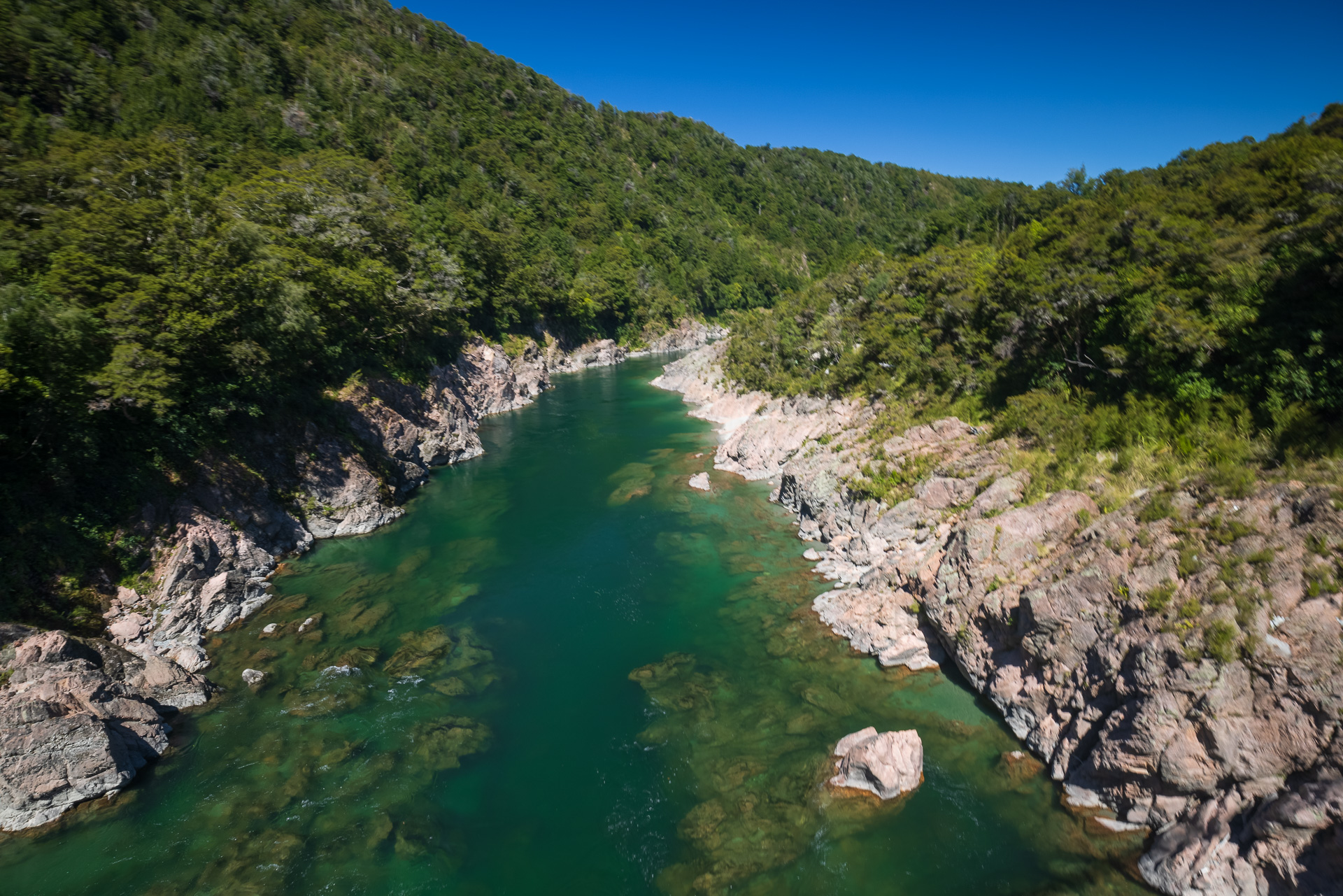
The next morning we are up early as we have to drive back south to join state highway 6, the road which travels from Westport, around Kahurangi National Park to meet the north coast at Nelson. We turn off before Nelson as we have a family camping date in Abel-Tasman Park. The Westport-Nelson drive itself is quite spectacular, the road takes you through steep forested hills with pink granite gorges carved out by jade green rivers. There are also a few good stops along the way to break the journey.
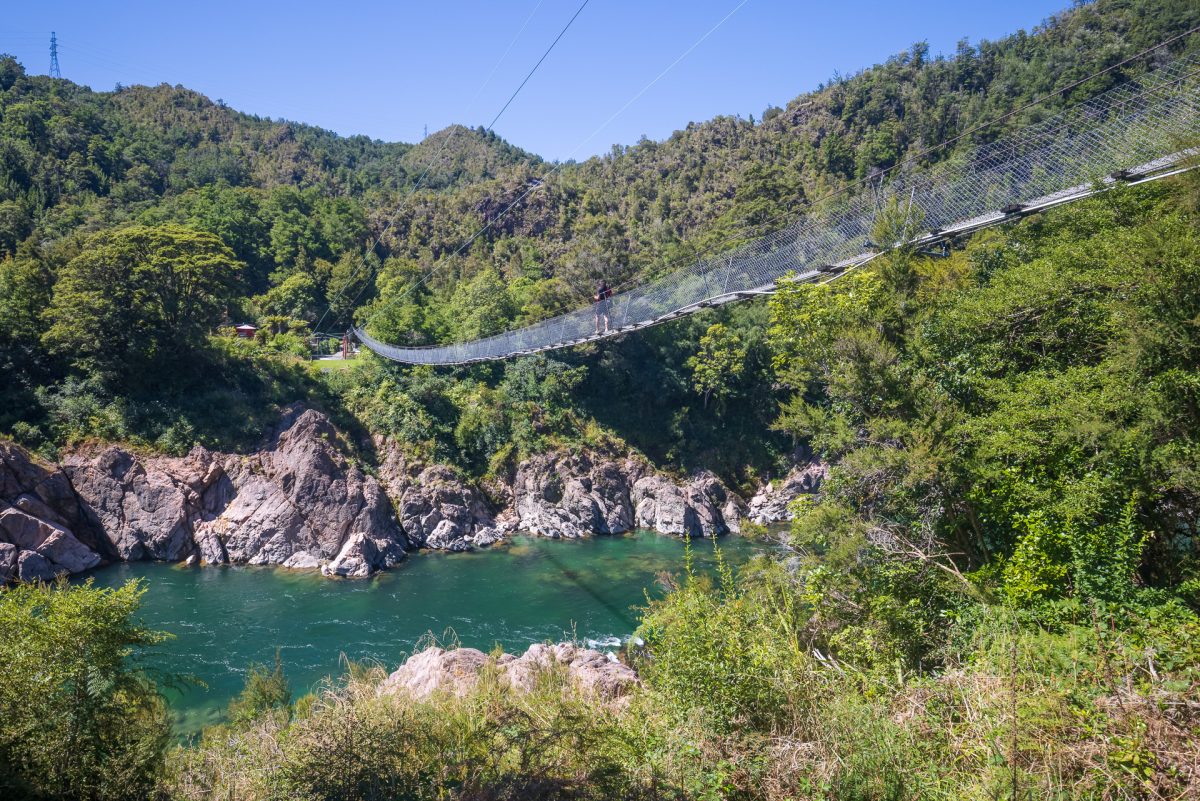
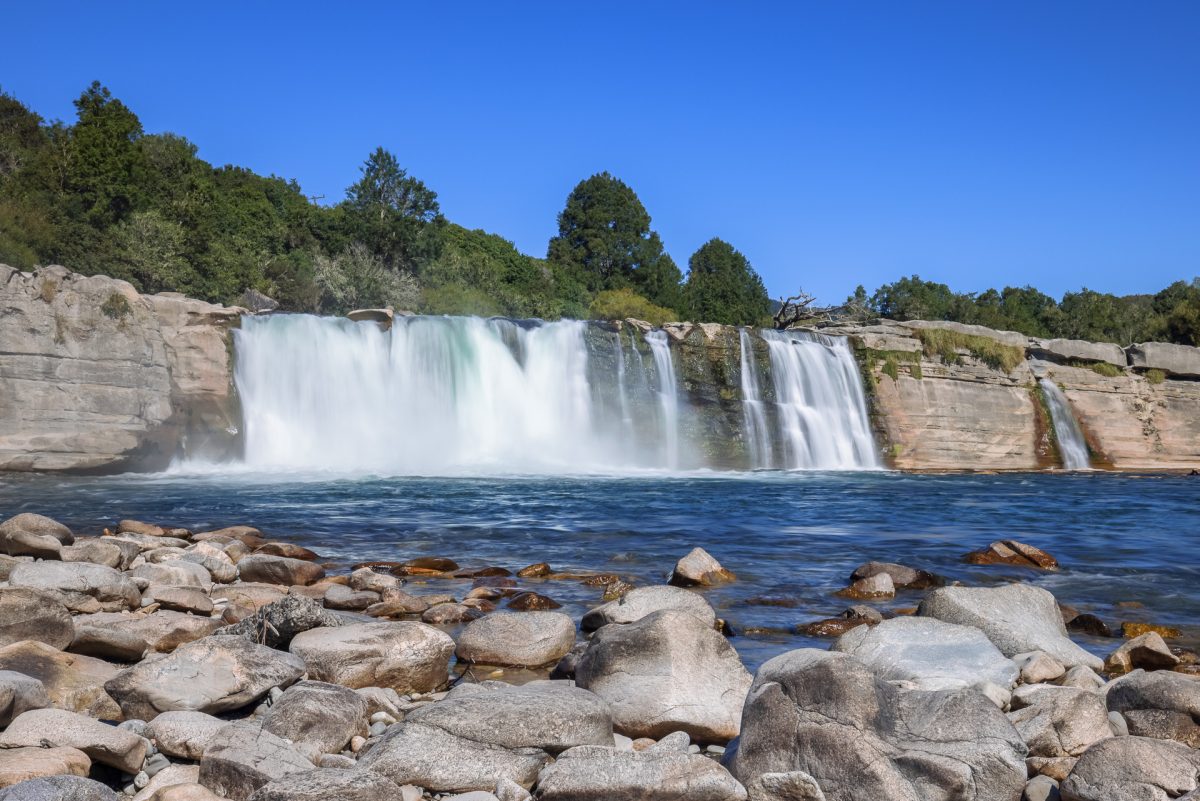
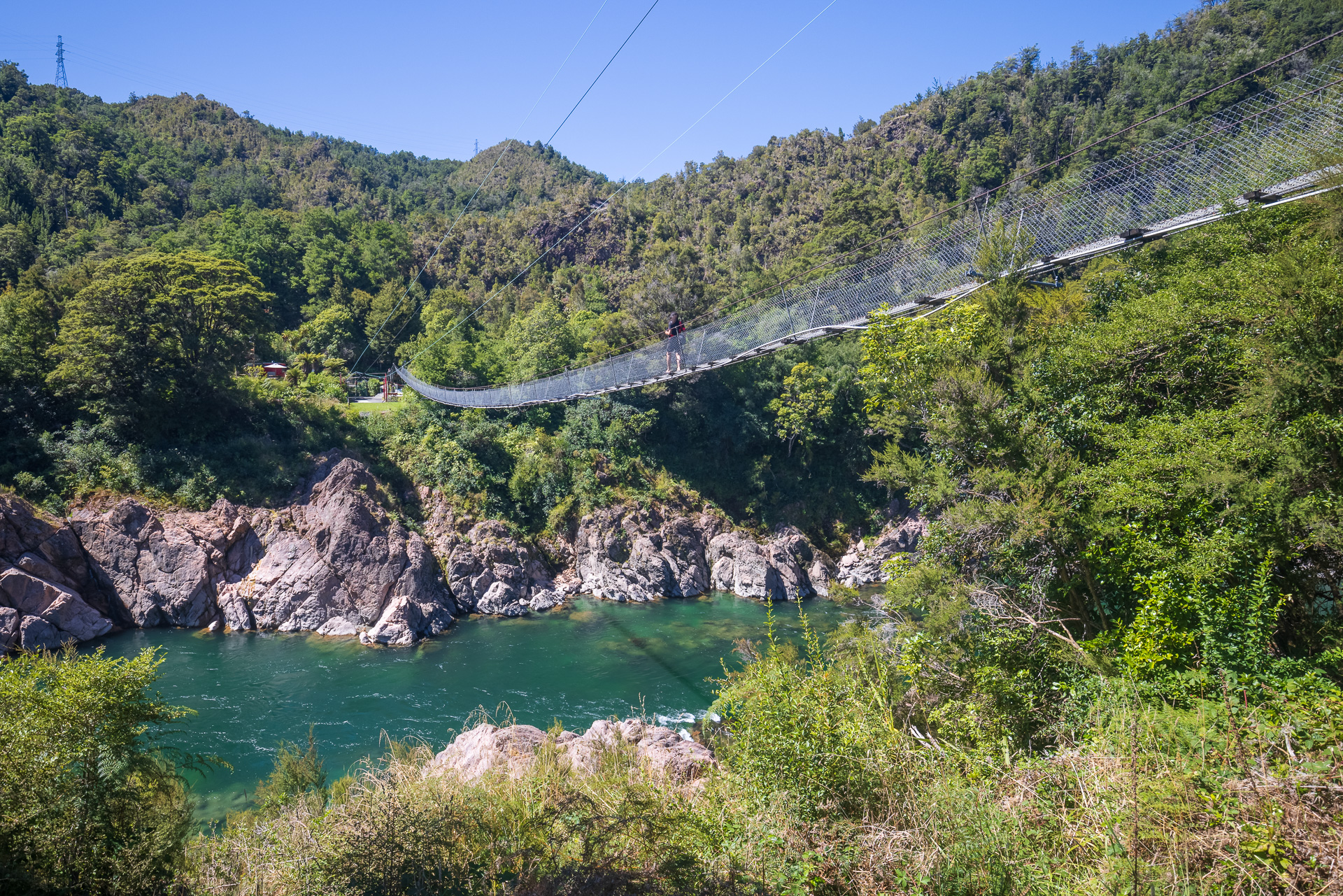
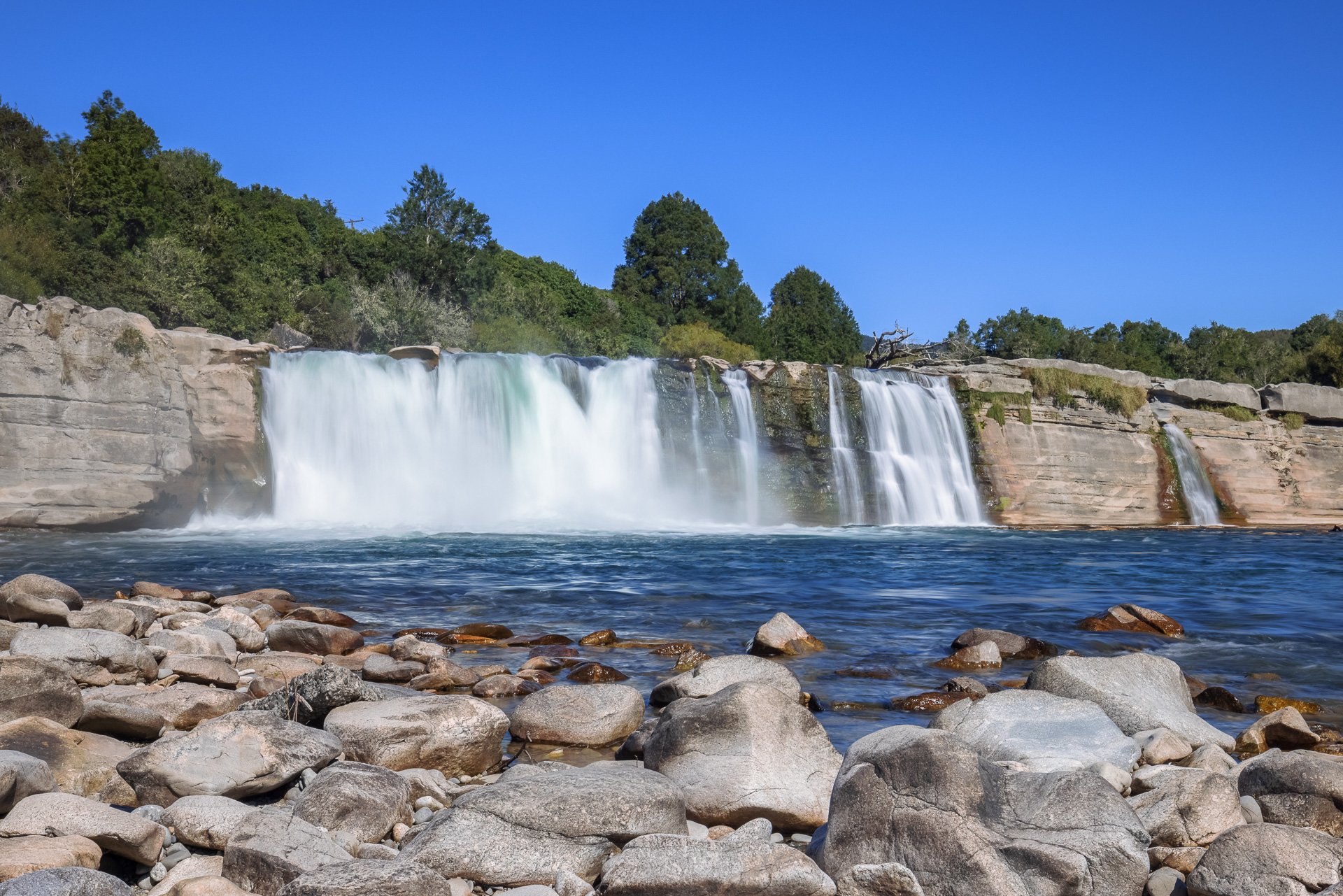
We stop for a lunch and walk break at the old ghost road; an old gold trapper track was renovated and reopened 2 years ago. The whole track is a whopping 85km and seemingly becoming a cult multi-day mountain biking track. We enjoy a short, yet hilly 2km loop from the car park that passes an old cemetery and crosses the river in a few places. Next up is Buller Gorge; where there is a private swingbridge (NZ’s longest) that takes you into a property that is rich with gold mining history and an easy loop walk. A short detour further up the road are the sheer Maruia Falls, created when a slip from the 1929 earthquake diverted the river and created a new 9m drop in an old river bed. Quite amazing is the green colour of the water coming over the falls.
Abel Tasman National Park
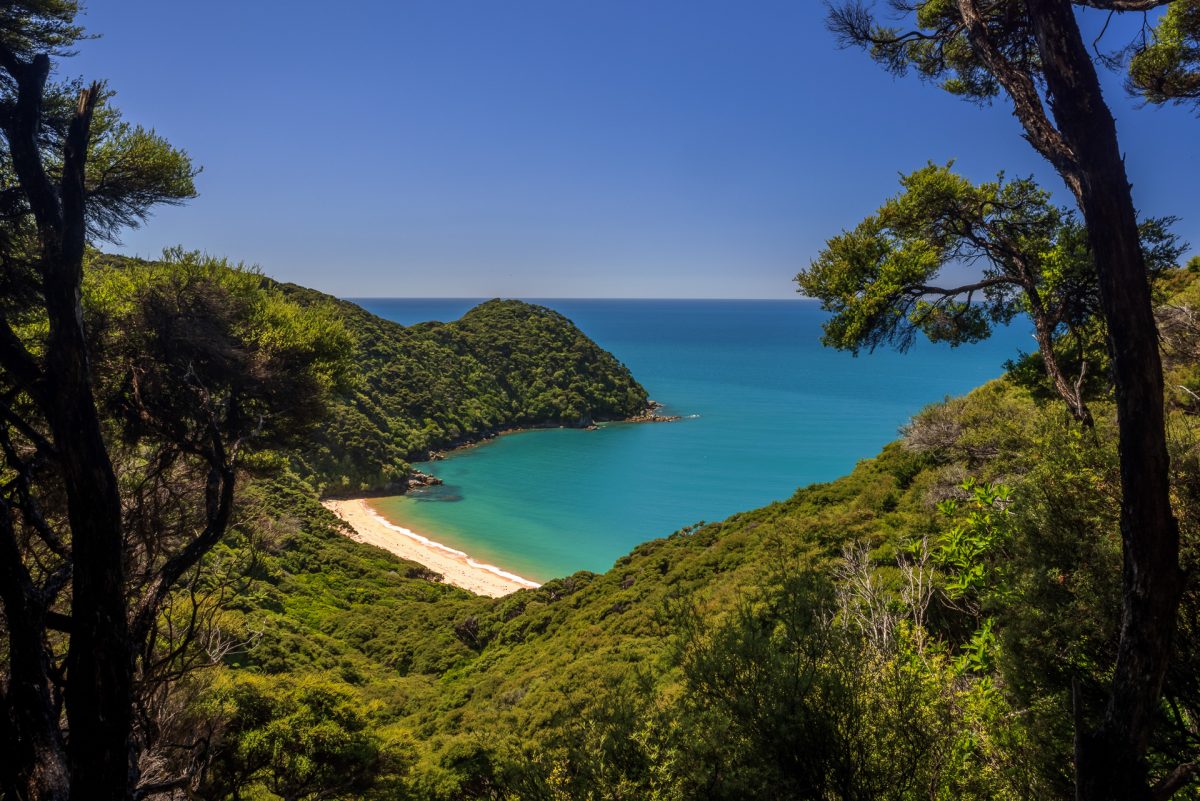
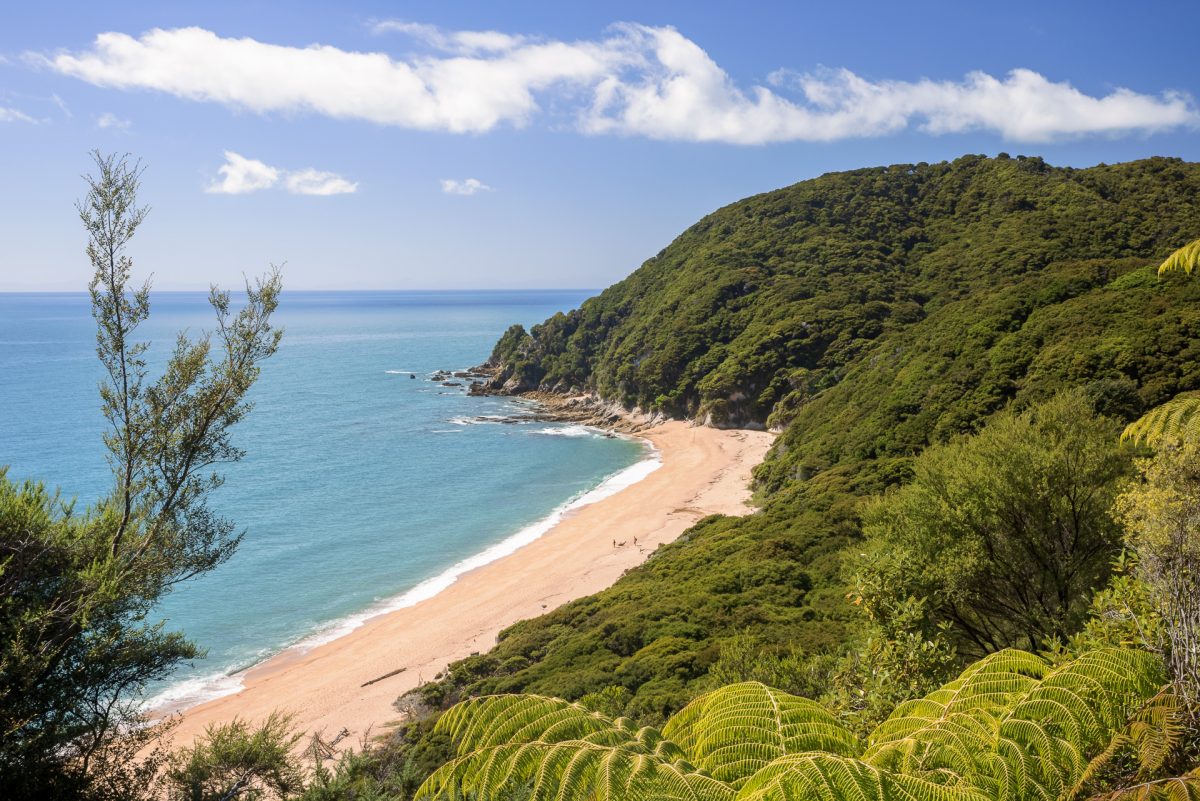
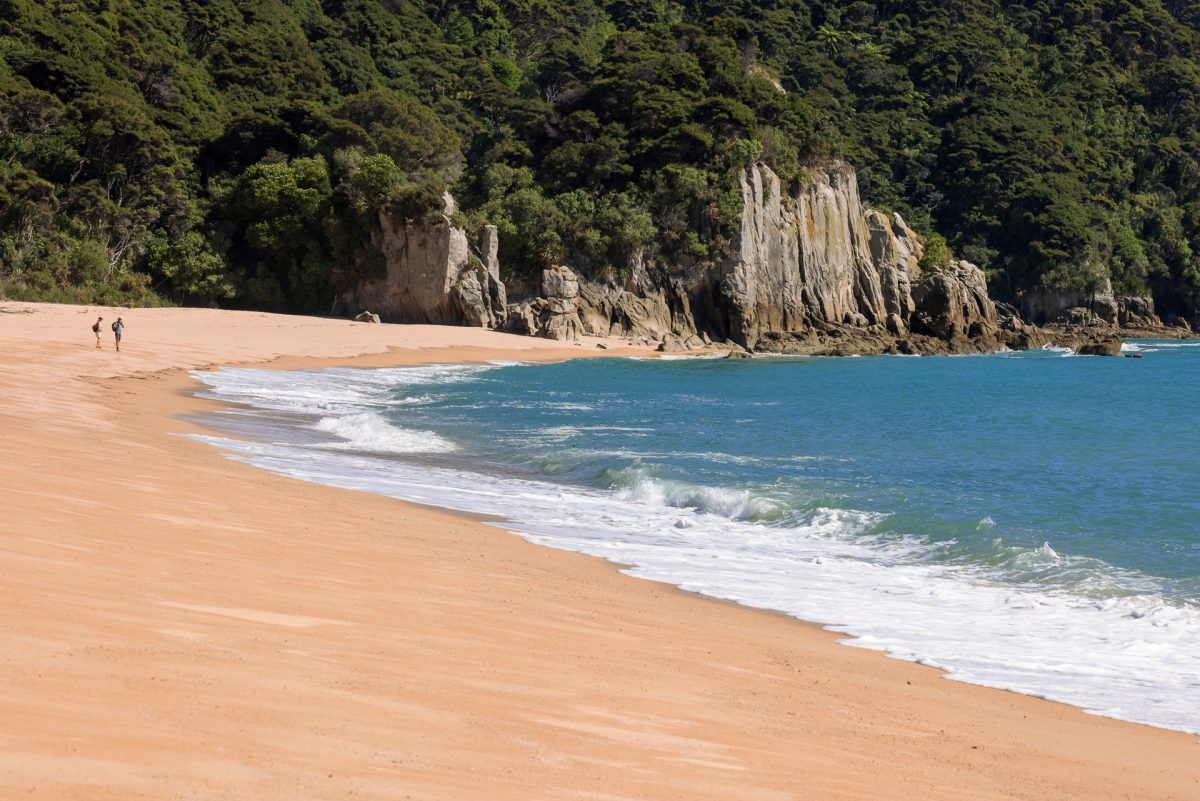
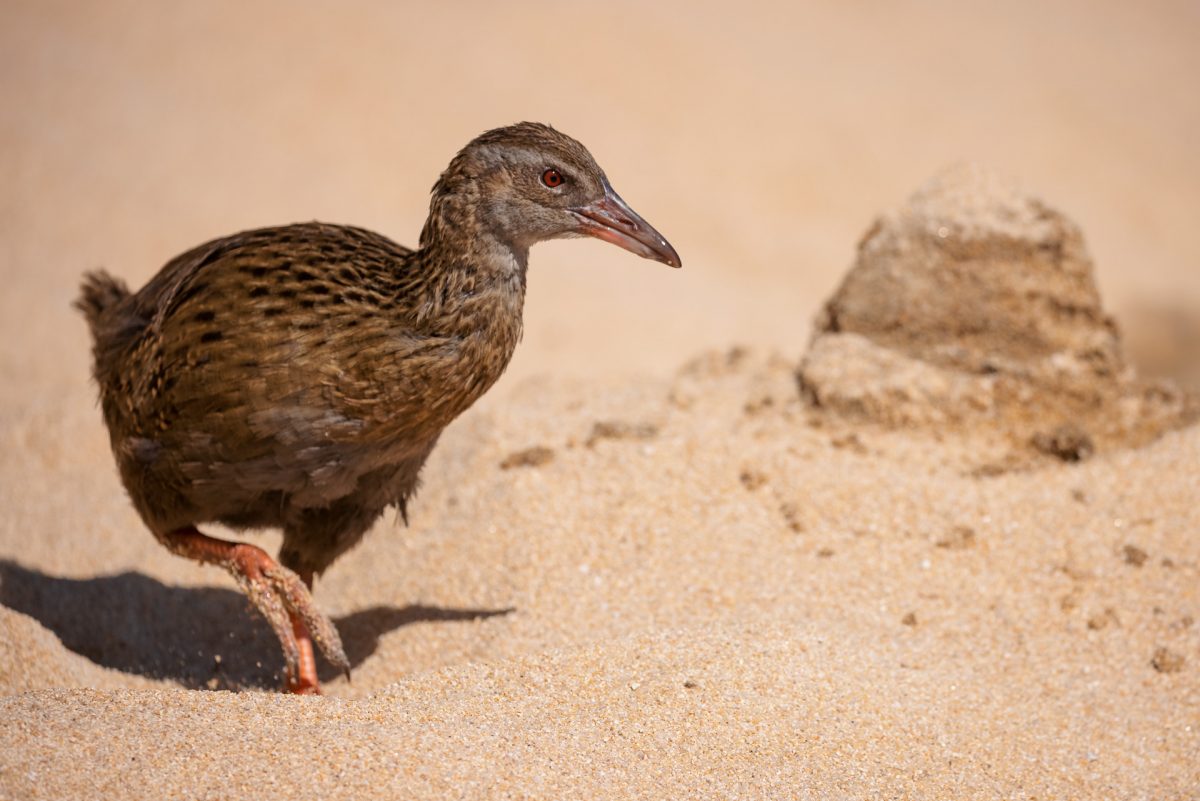
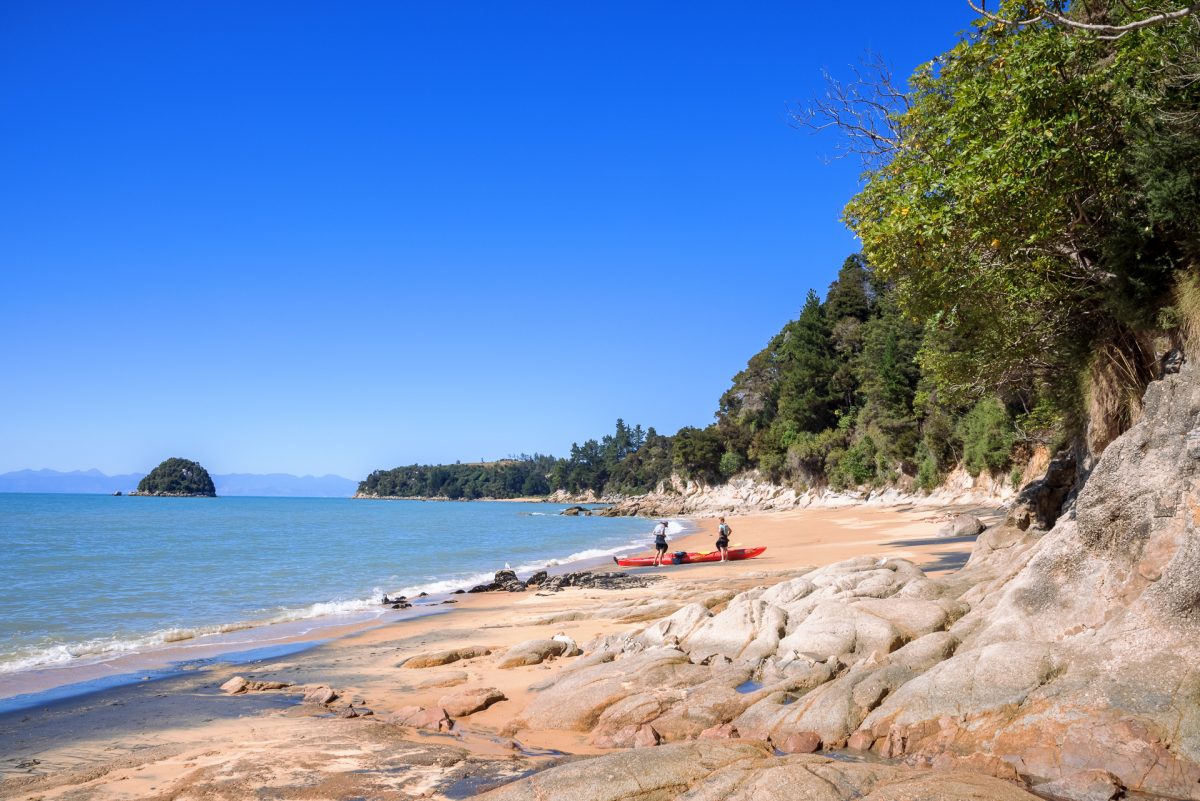
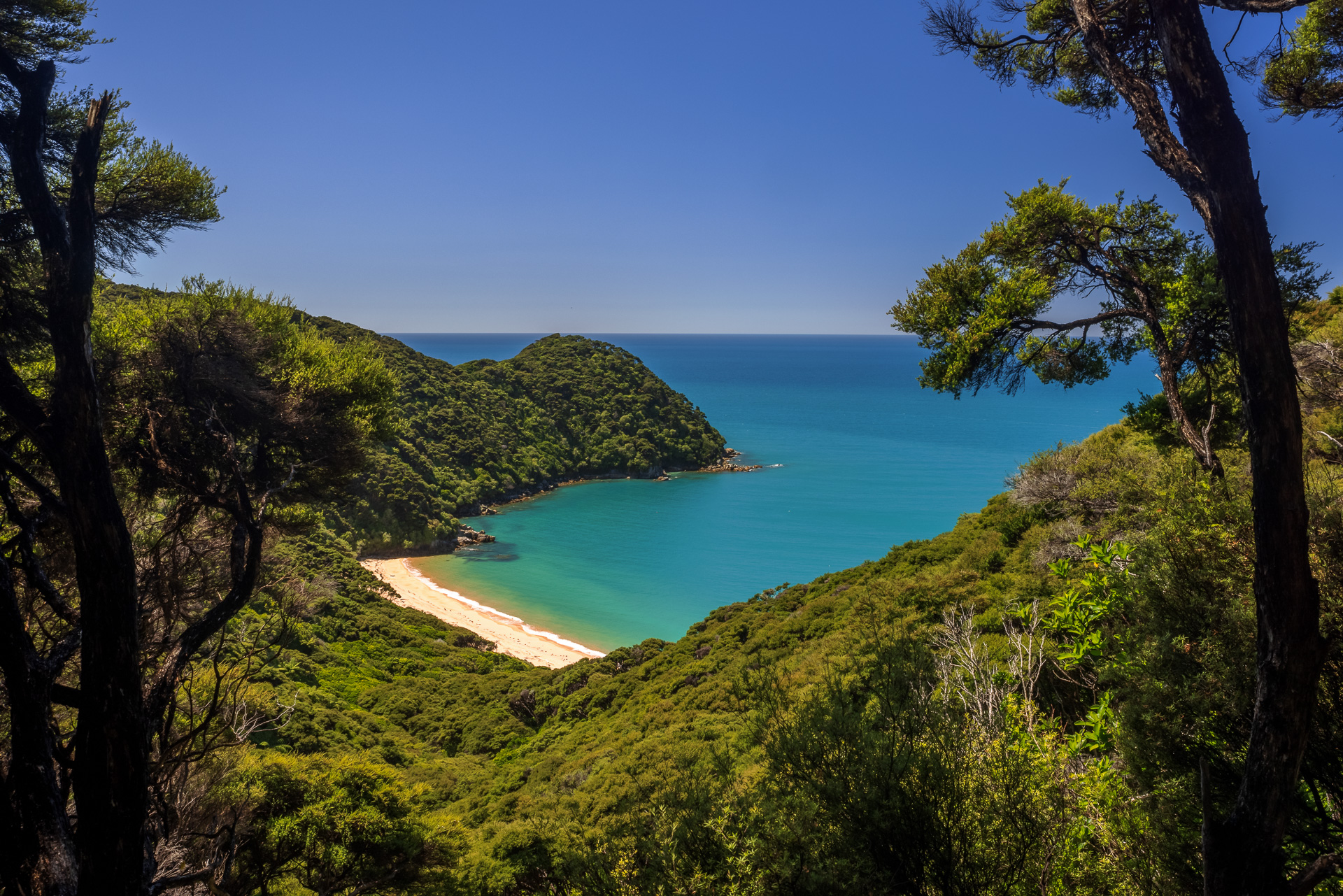
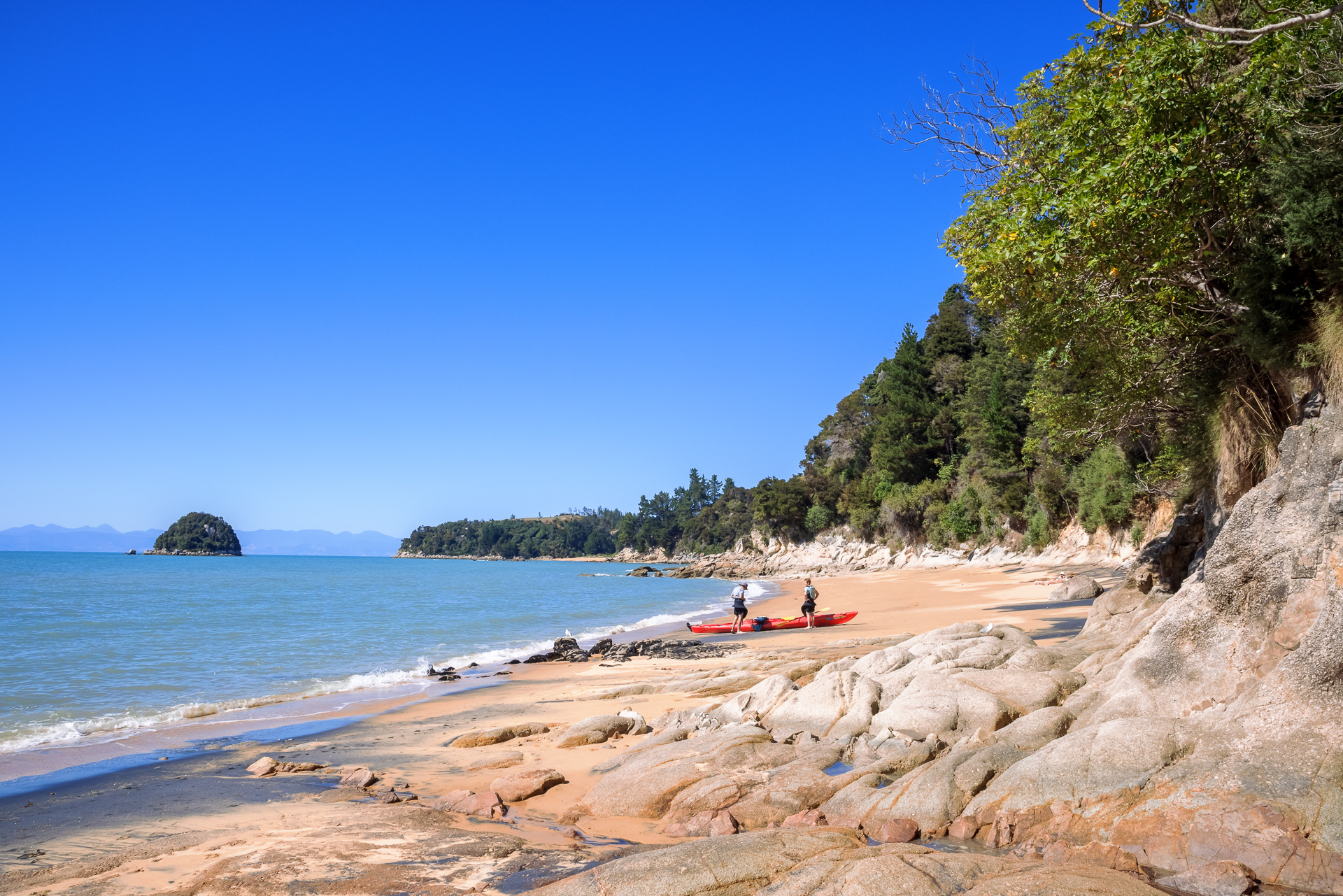
We spend a heavenly couple of days with Chris’s cousins in the park, who are regulars coming every year to the DoC campsite at Totaranui. It is the first campsite we have been to so far on this trip that is almost at capacity. It is easy to see why; after a 12km gravel road you arrive at miles of wild, palm-fringed golden beaches and a beautiful calm blue sea.
We enjoy a family-style camping trip, with night-time glowworm walks through the bush and daytime tramping along the coast to the far lighthouse at Separation Point. Rewarded with an evening campfire with marshmallows and damper; BBQed scones on a stick, slathered in butter and then dipped in honey. A campfire delight that I will definitely be introducing to my niece and nephews back home in England.
Golden Bay to Cape Farewell
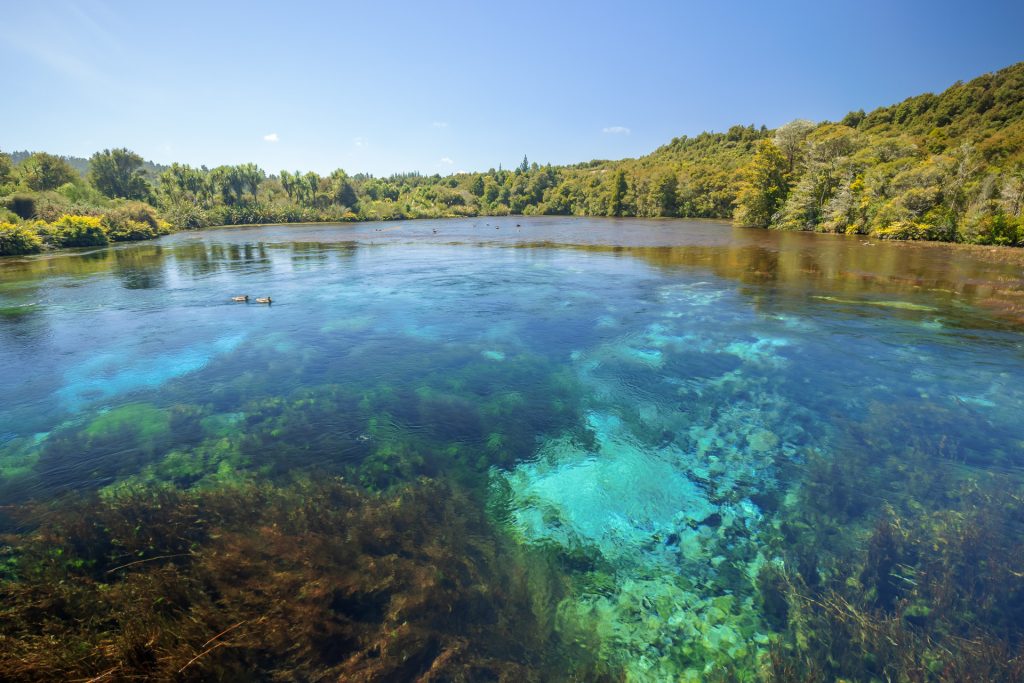
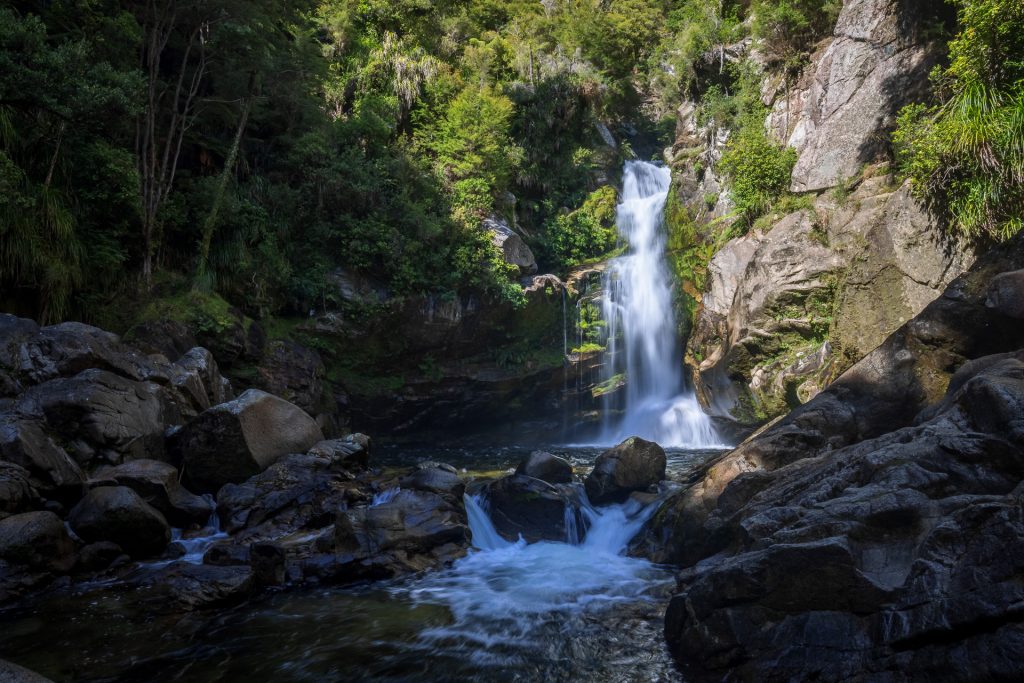
We leave the little slice of heaven that is Totaranui and enjoy a gentle drive around Golden Bay to Farewell Spit, stopping at Wainui Falls and Pupu Springs on the way. Like Karamea, the whole area is influenced by limestone karst and is rich with waterfalls, rippling rock shapes and freshwater springs that bubble out of the ground with astonishingly clear water. Wainui Falls is near the entrance to Abel Tasman Park and is a one-hour return walk through the bush to the falls themselves. Further up the road are the crystal clear Pupu springs, which I am told some of the clearest waters in the world.
Whararaki Beach
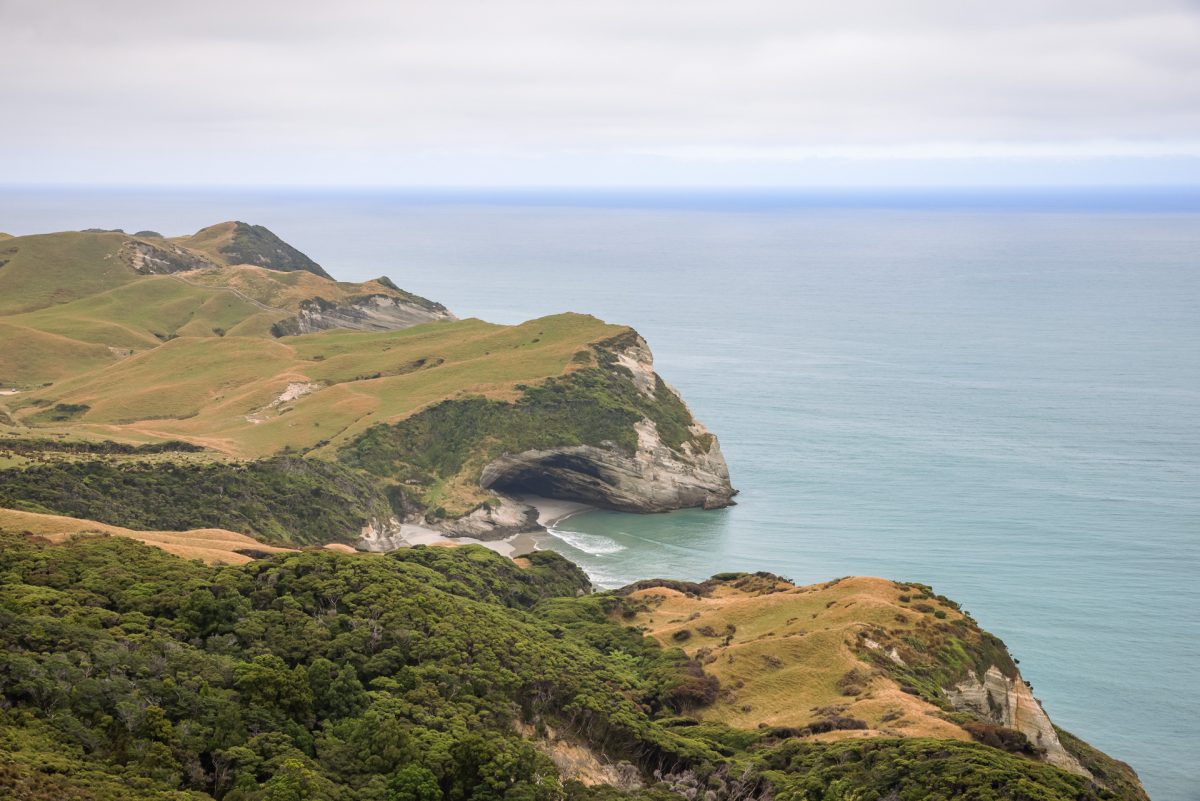
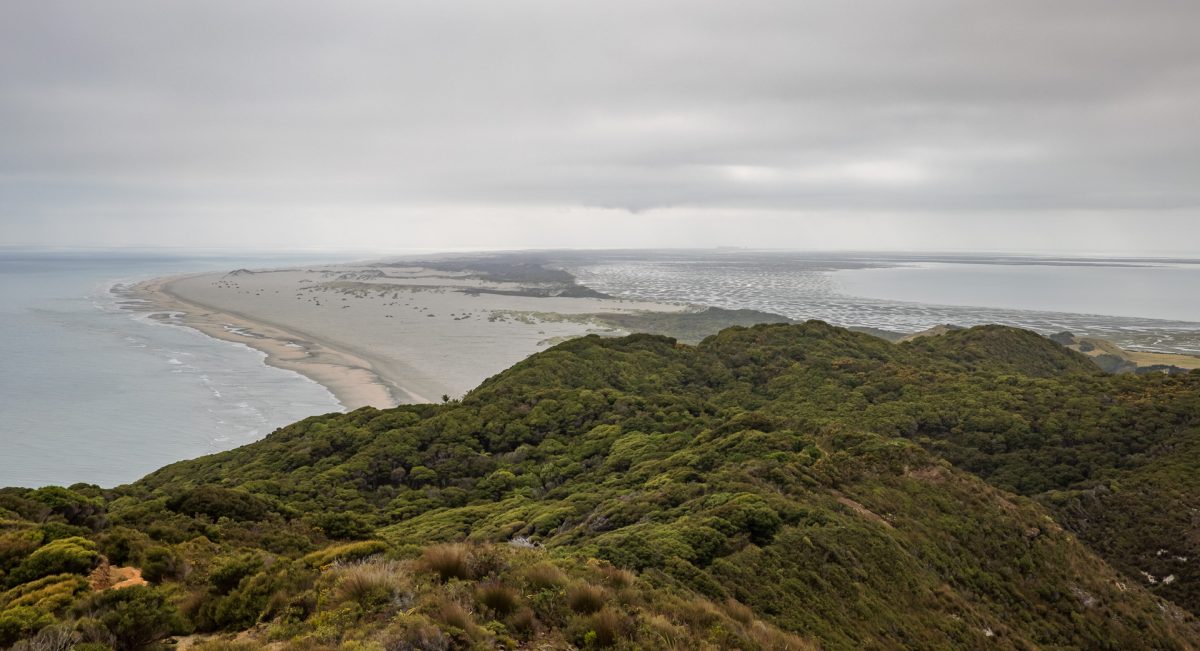
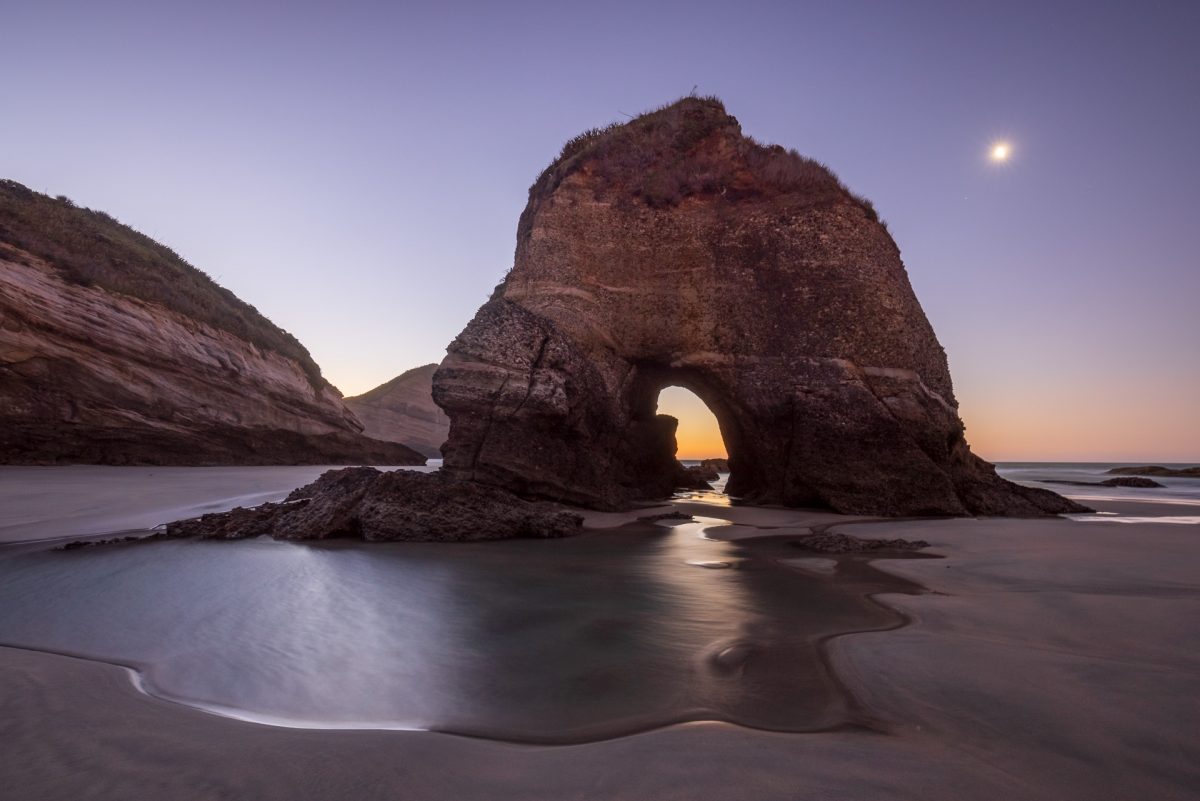
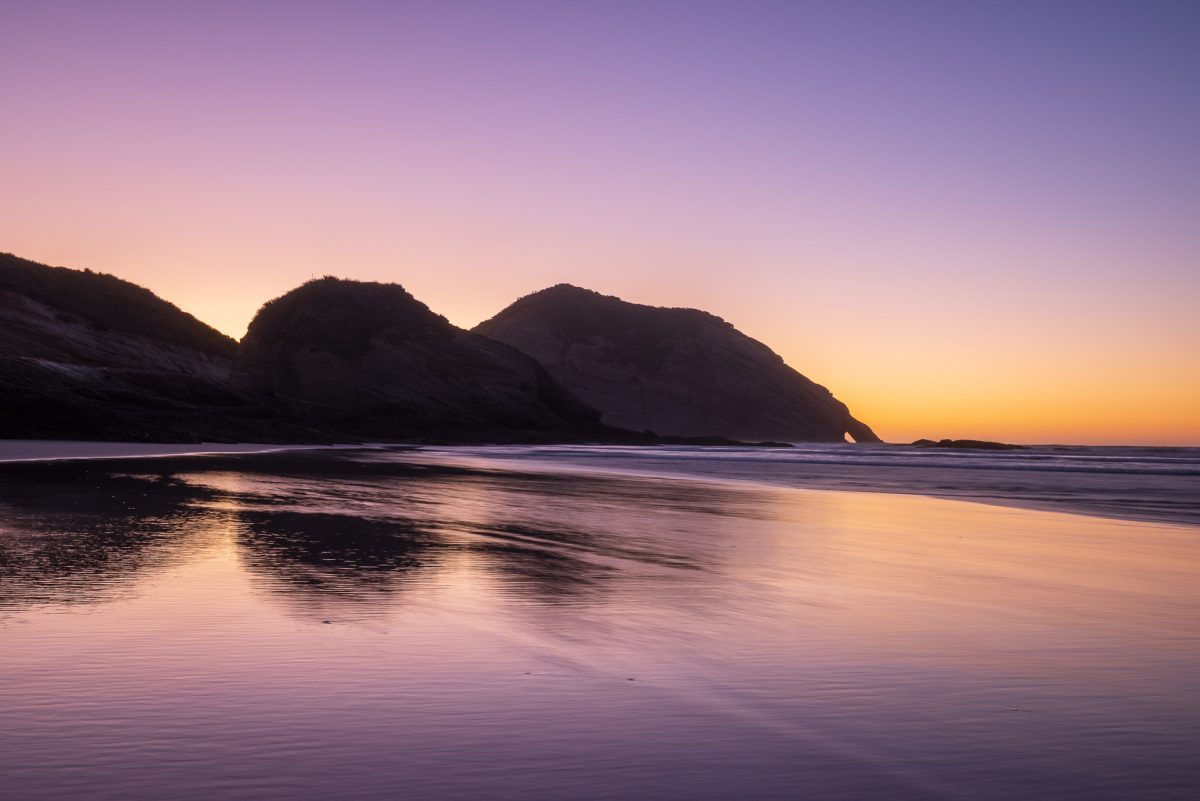
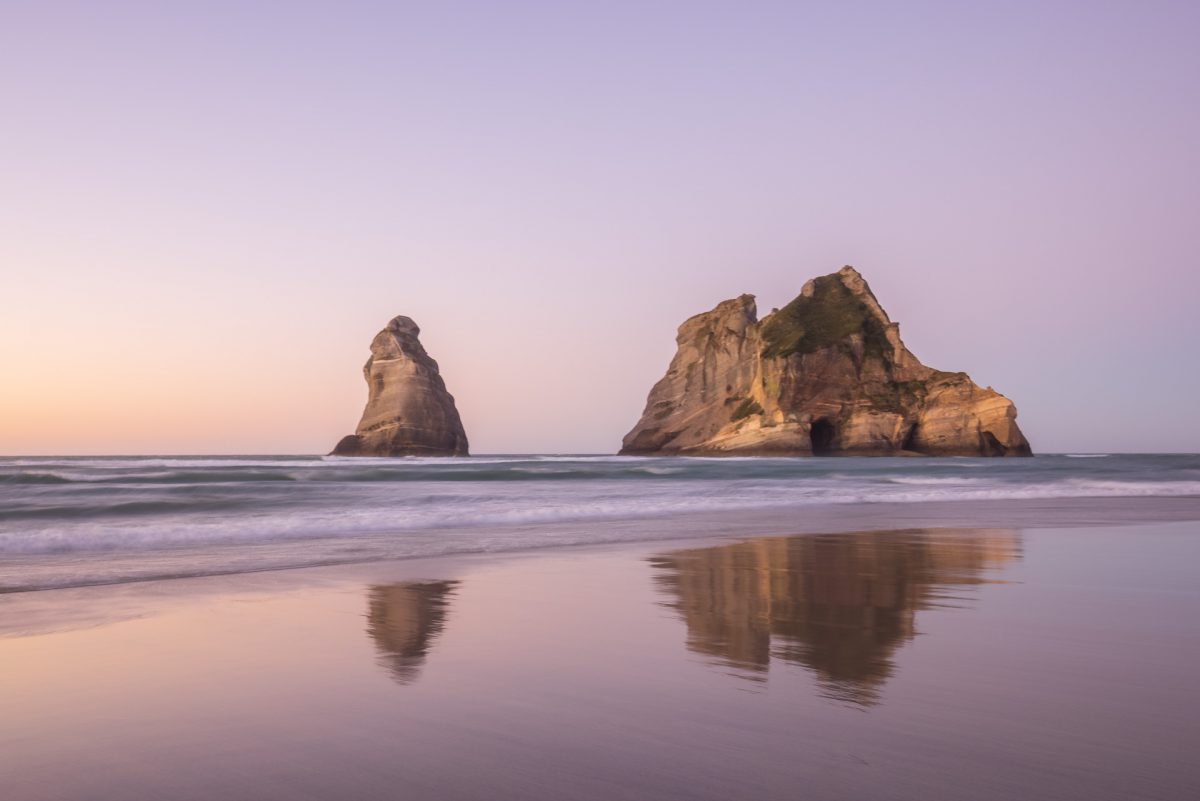
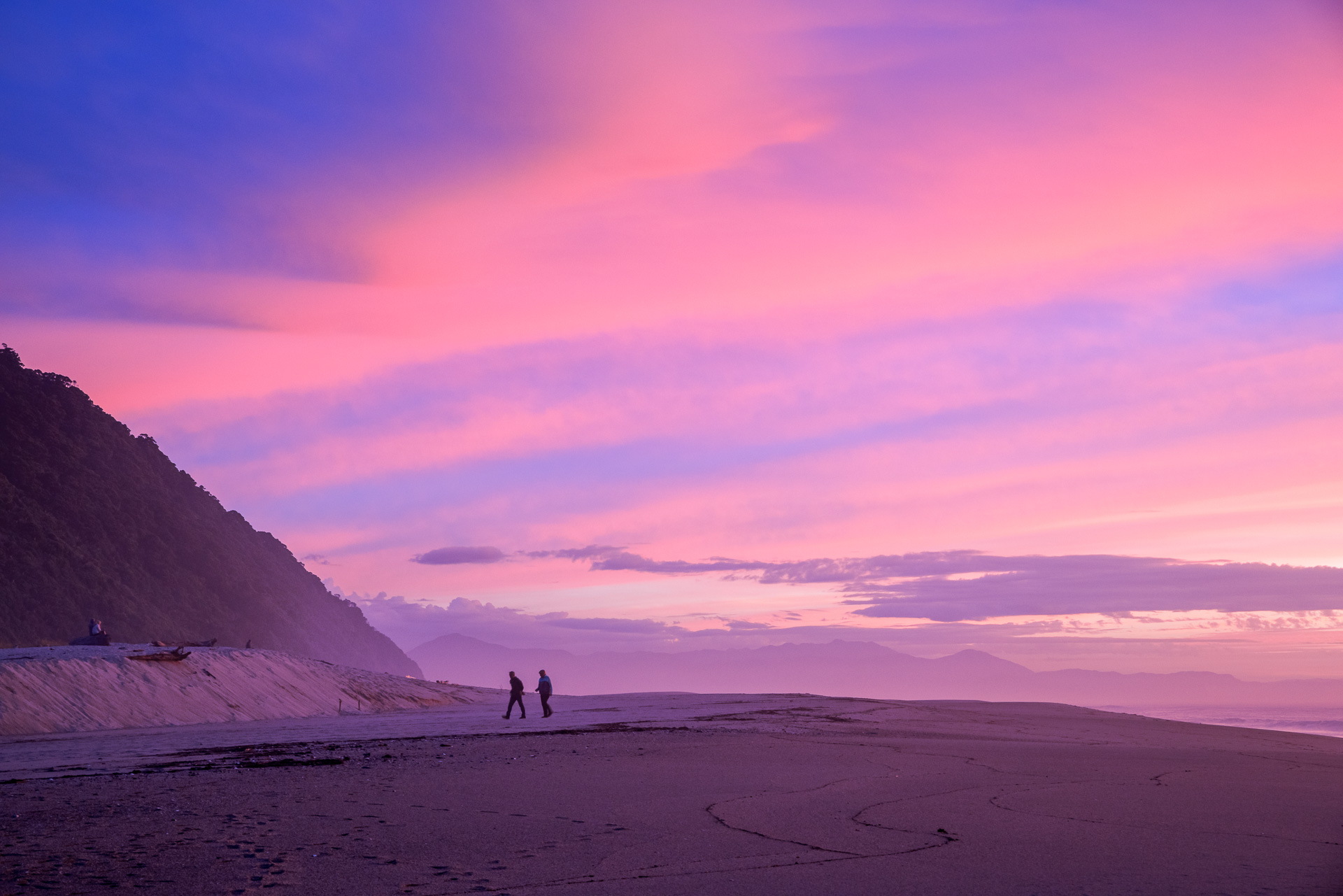
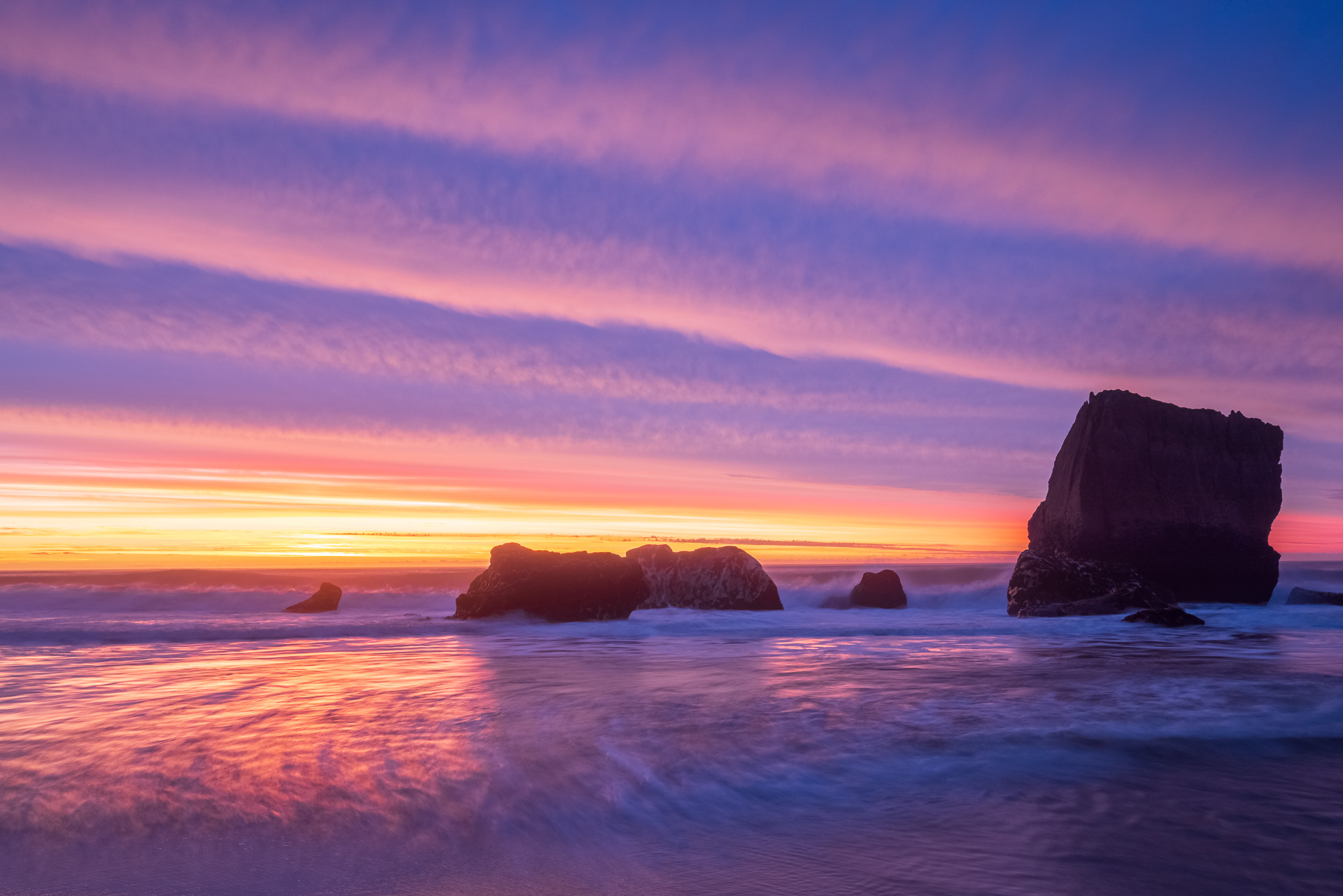
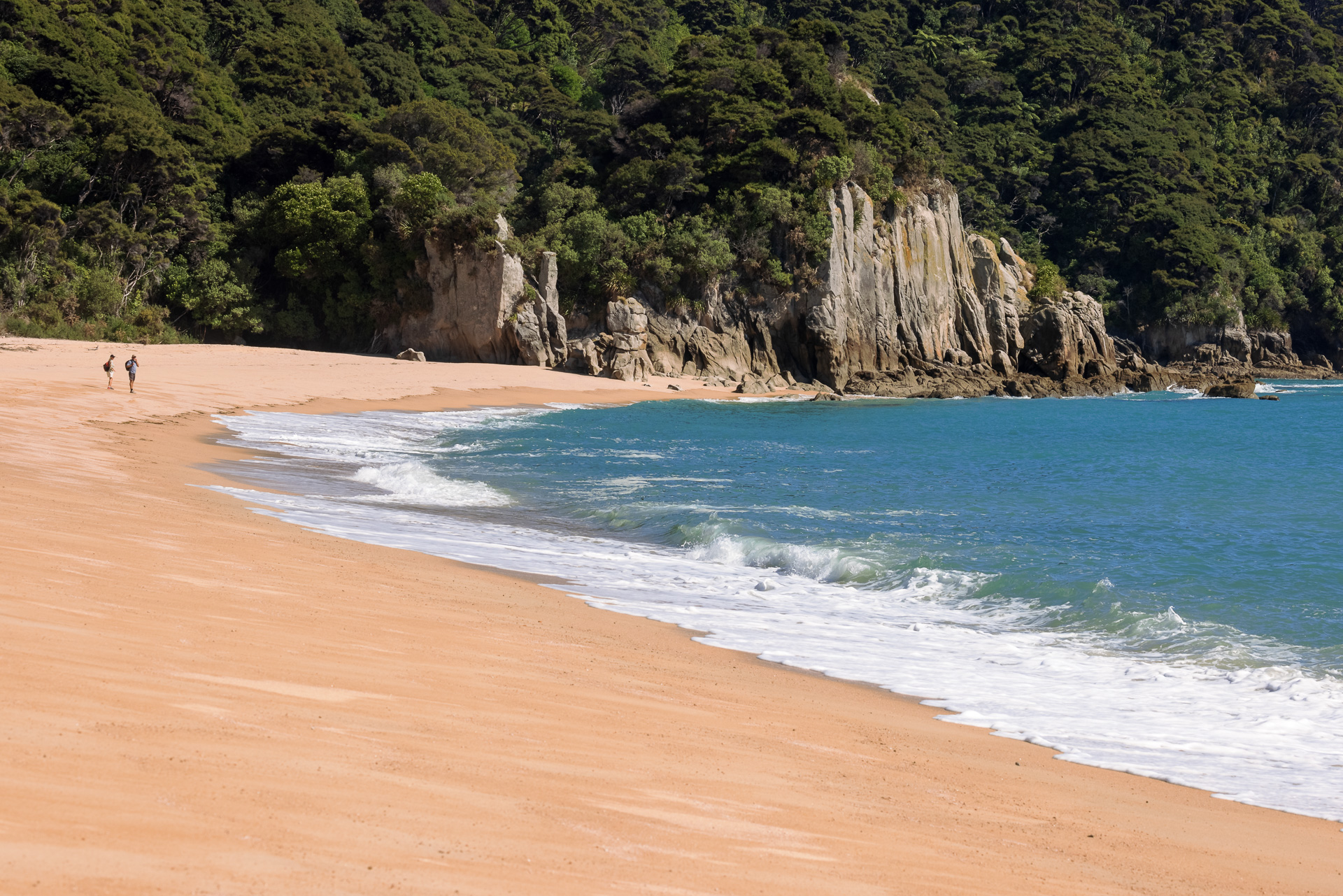
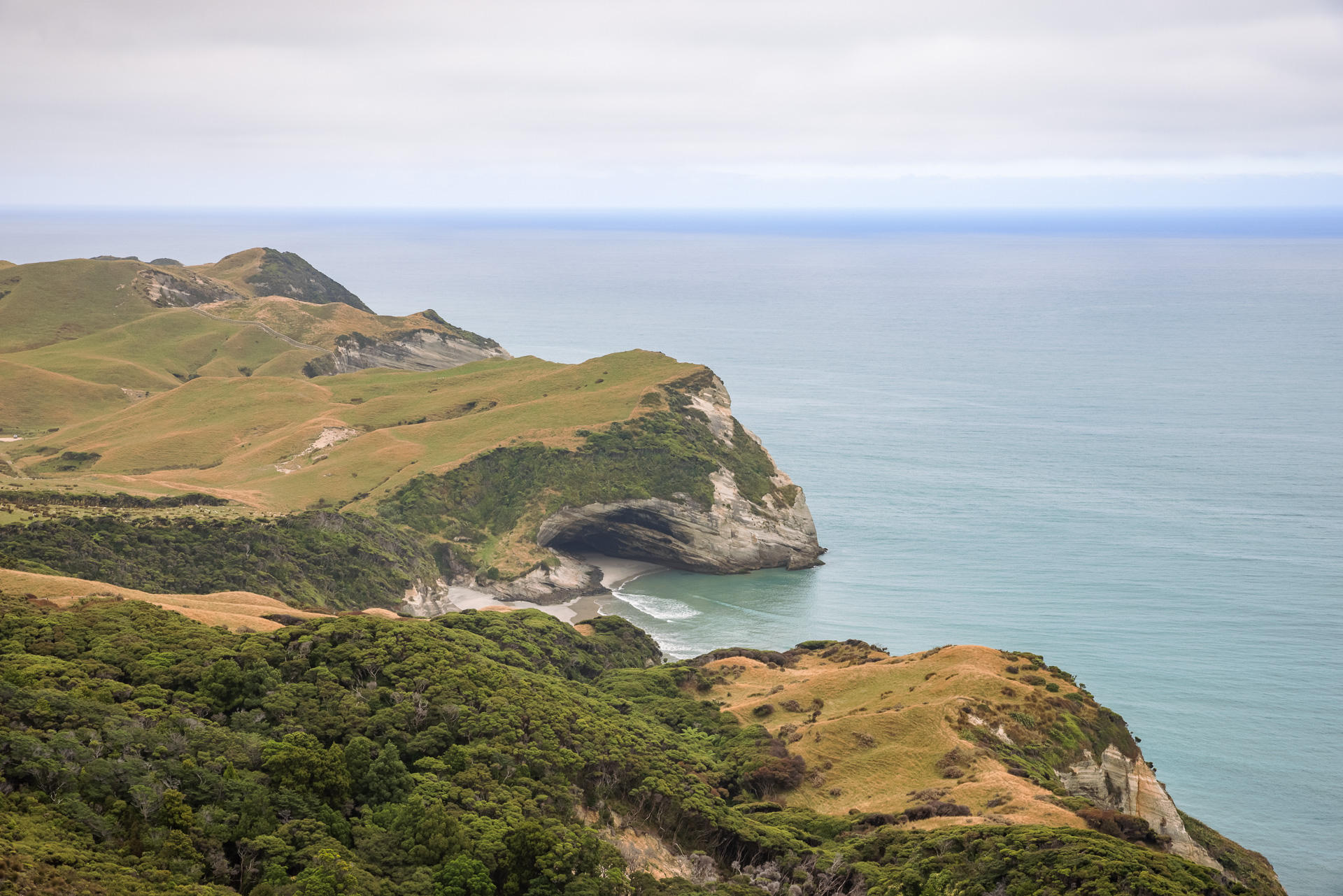
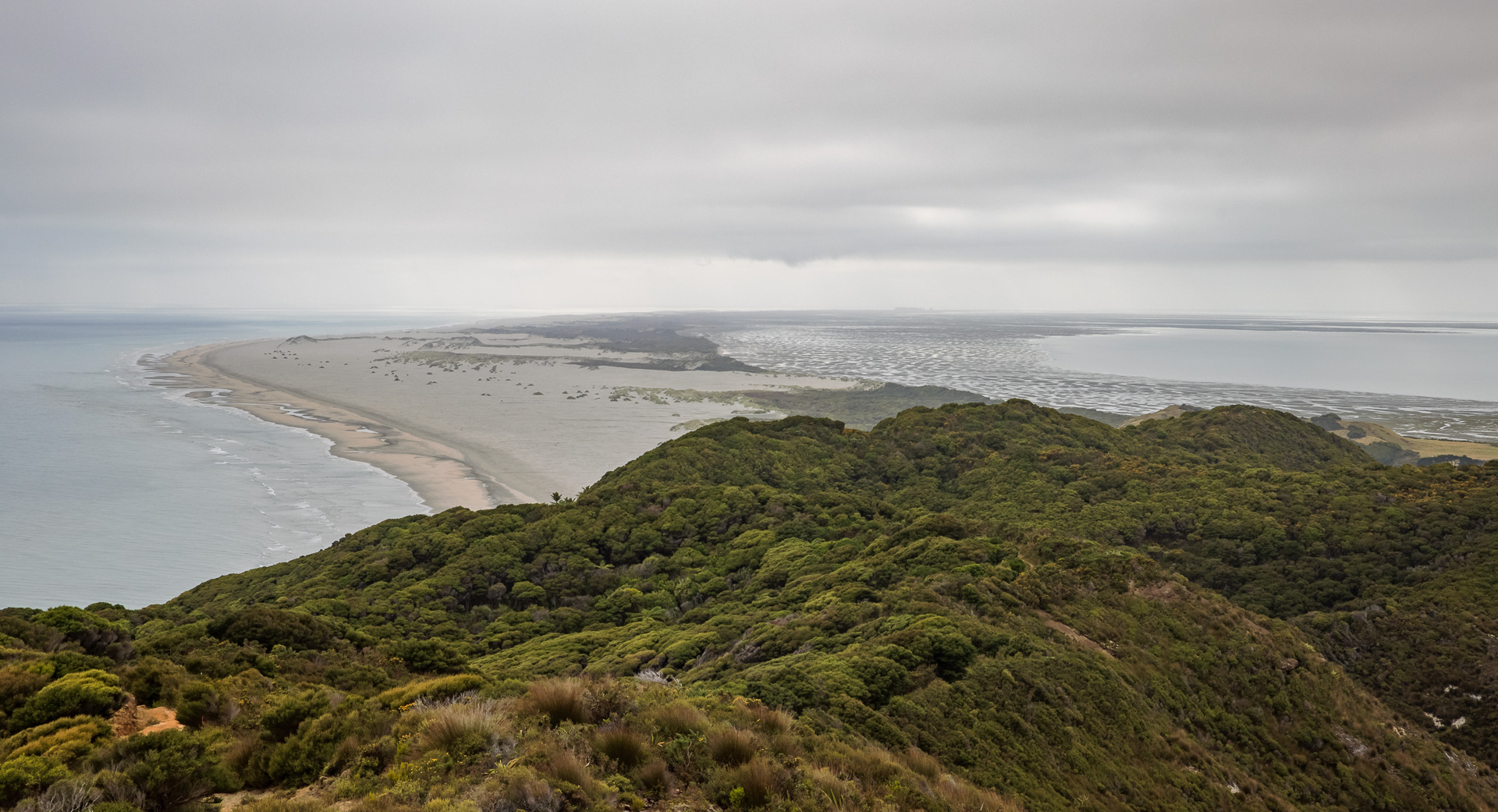
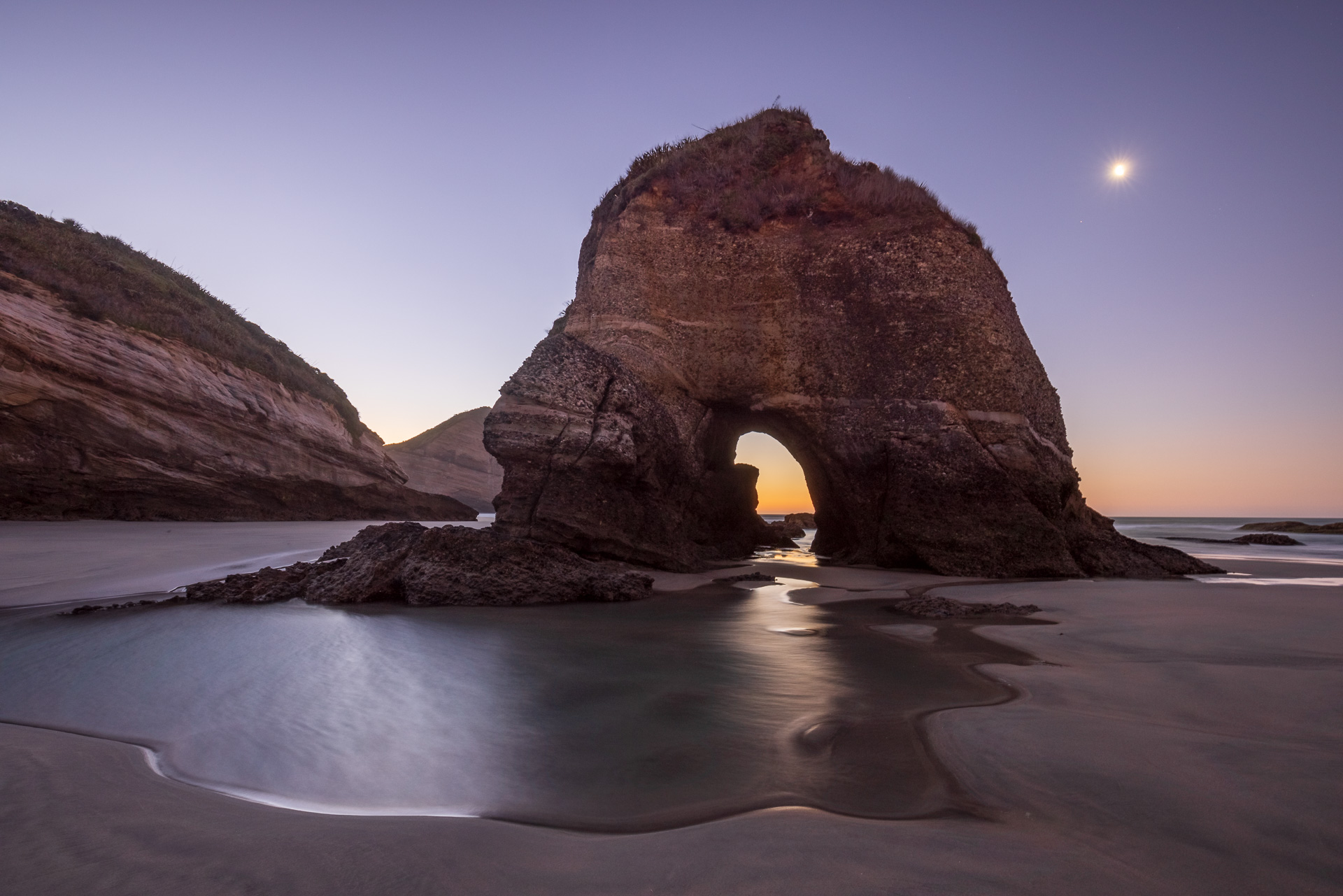
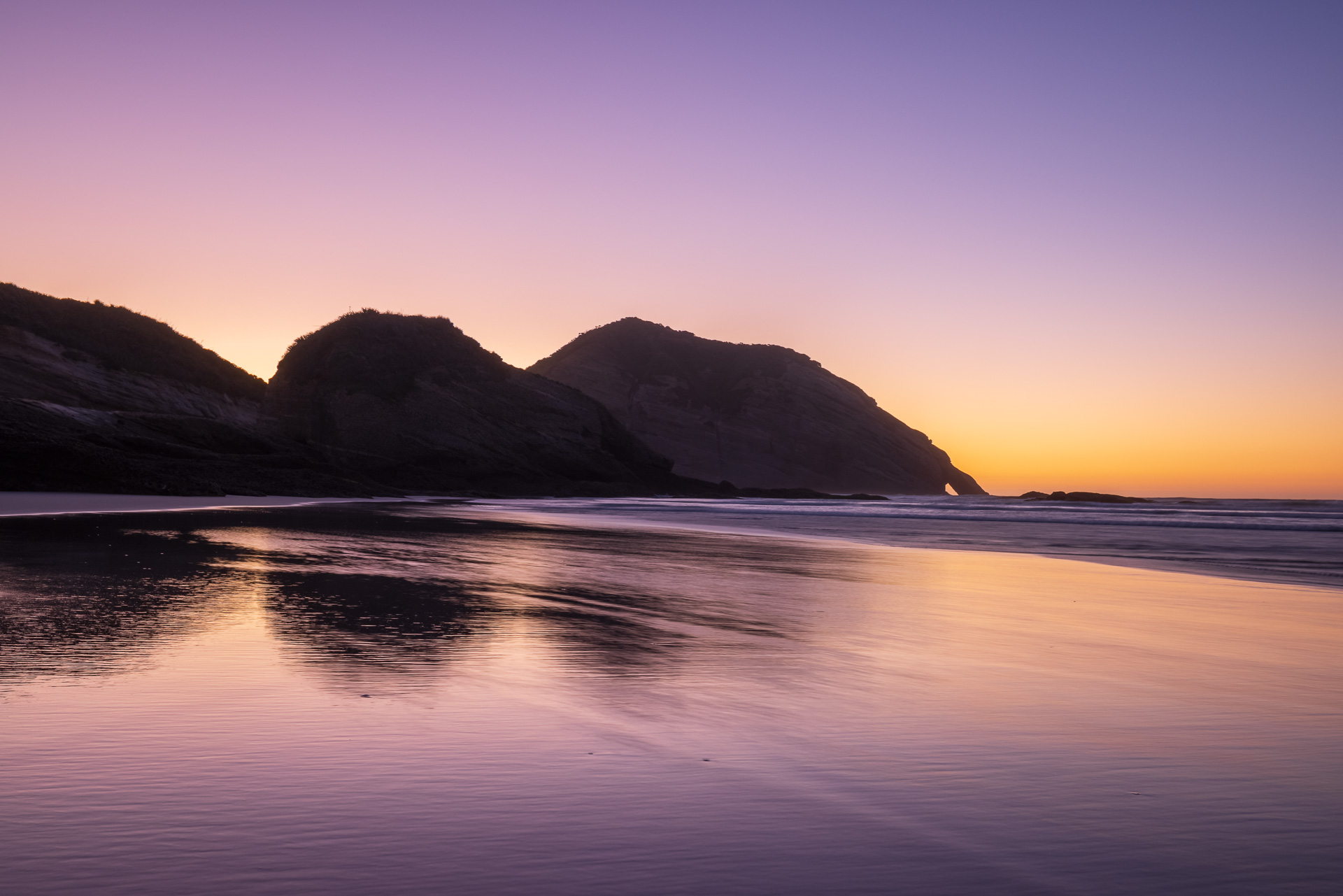
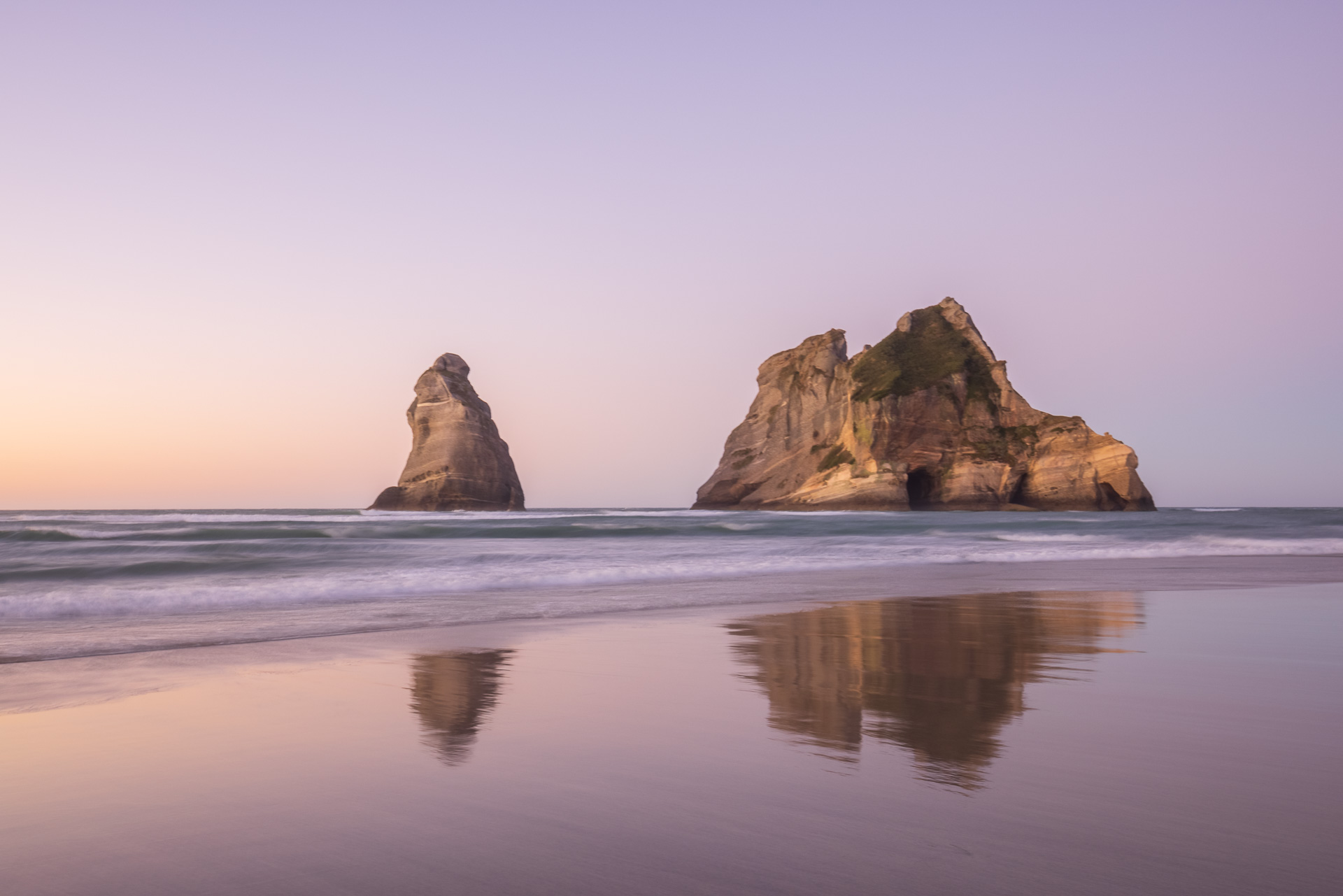
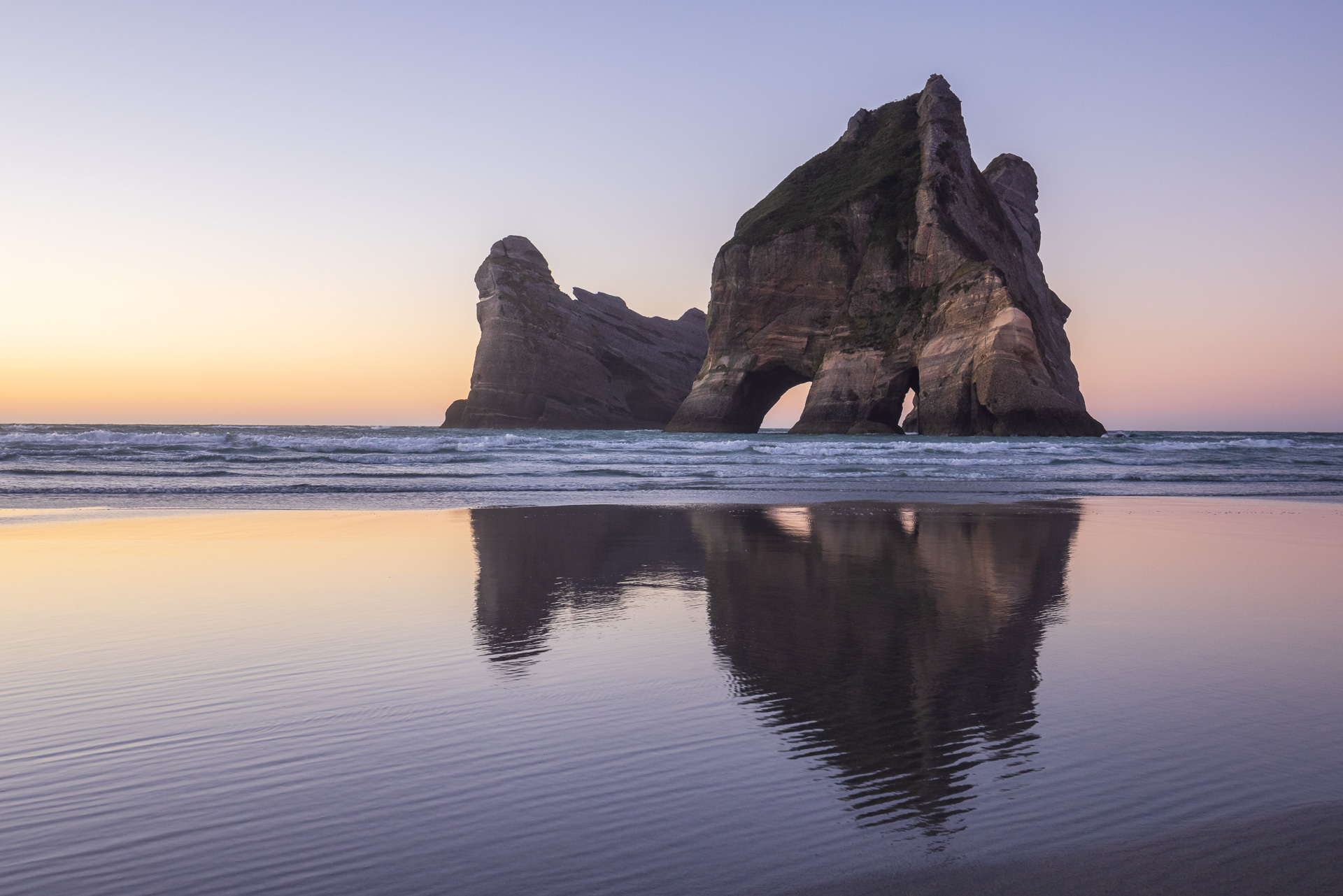
We spend the night at the campsite near Whararaki Beach, close to Cape Farewell and the northernmost part of the South Island. Wharanaki beach has some awesome rock formations and arches and a large rockpool where you can watch seal pups learning to swim. From the sand dunes by the beach, there is a clifftop walk all the way to Farewell Spit. It’s a rather hairy walk in places as it’s easy to miss the marker posts and we found ourselves at one point staring down a cliff face with a 30kt gust of wind at our backs. But the view from the top both west to Whararaki Beach and east to Farwell Spit is quite magnificent. We head back down the track to enjoy the colours of the sunset from the beach.



Wonderful photography and commentary
Thank you Susan