
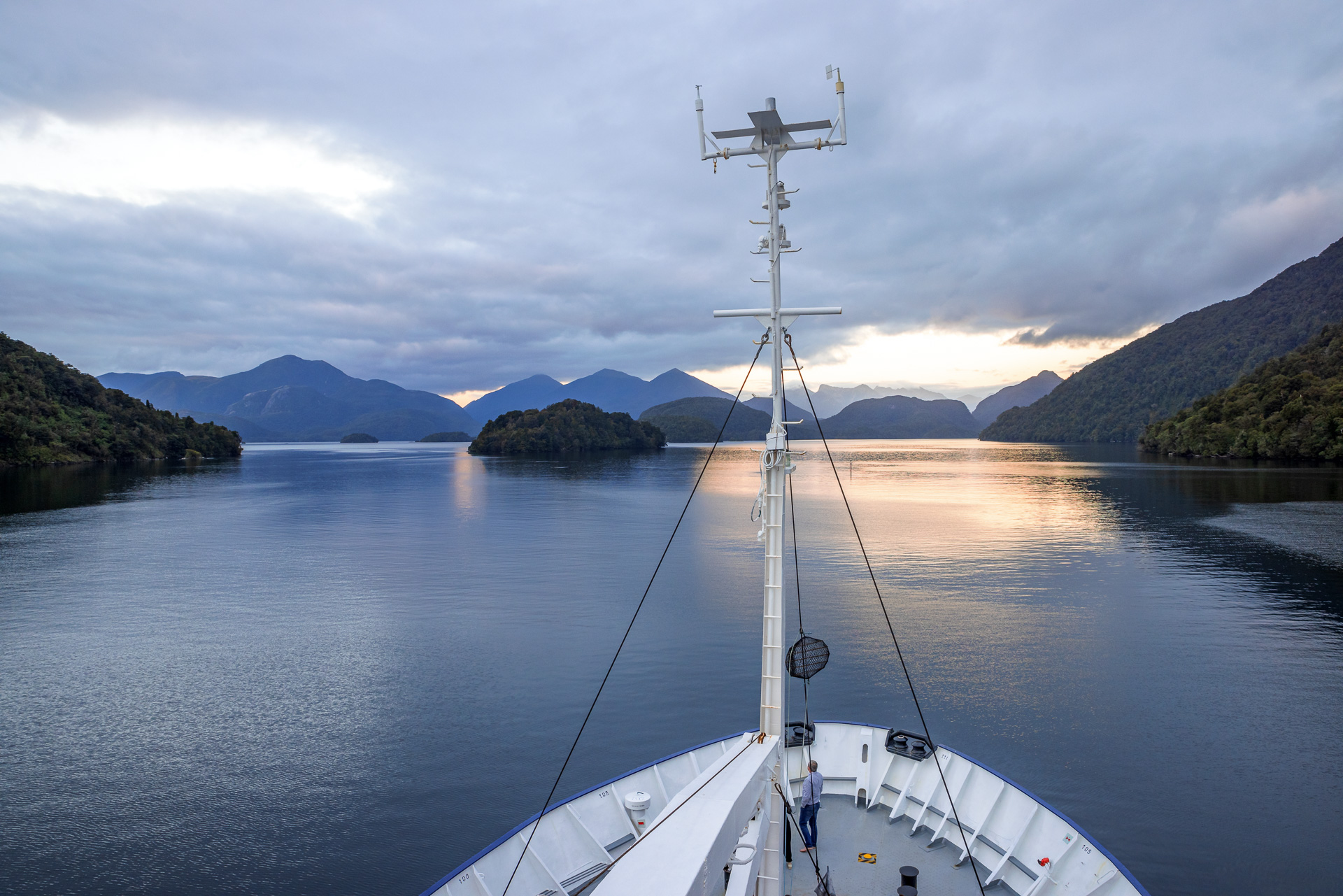
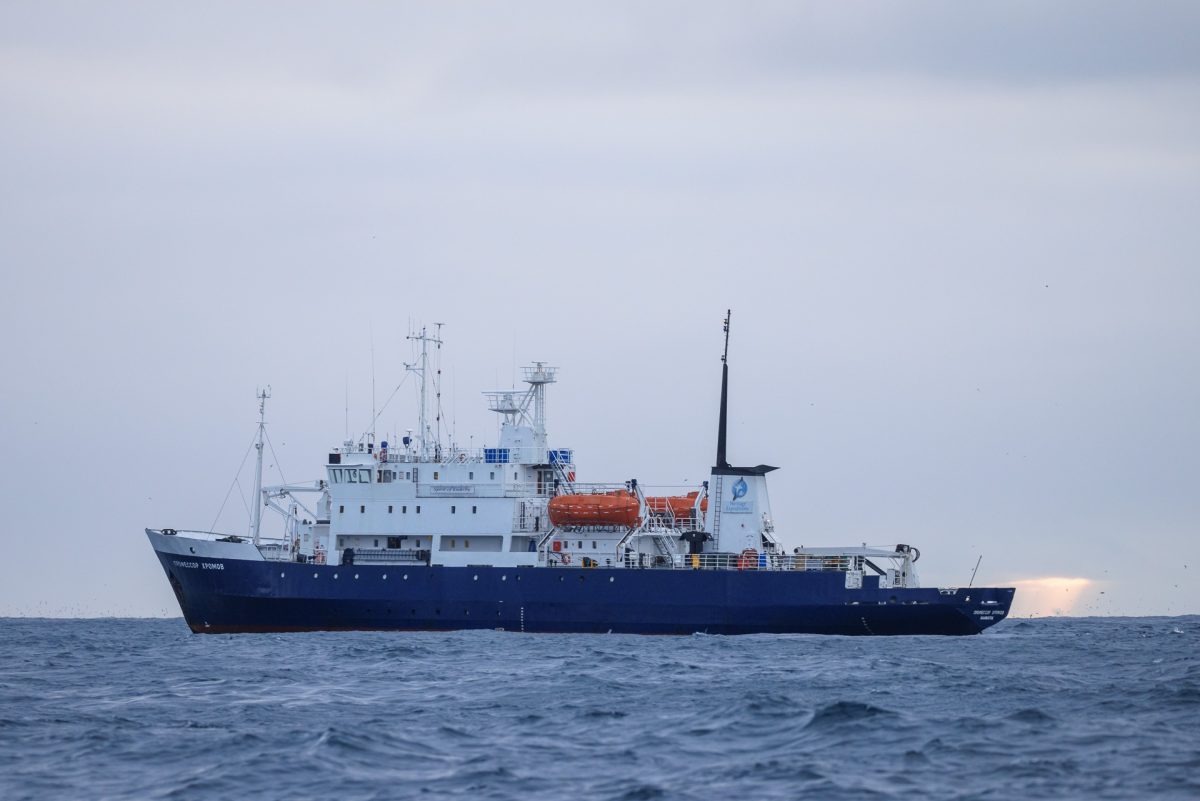
Our South Island travels started with a week-long cruise with Heritage Expeditions. Visiting some of the remote southerly islands; Stewart Island and the Snares Islands and exploring the spectacular Fiordland coastline. Areas that are rich with endemic birdlife, native bush and mind-blowing scenery.
The Spirit of Enderby
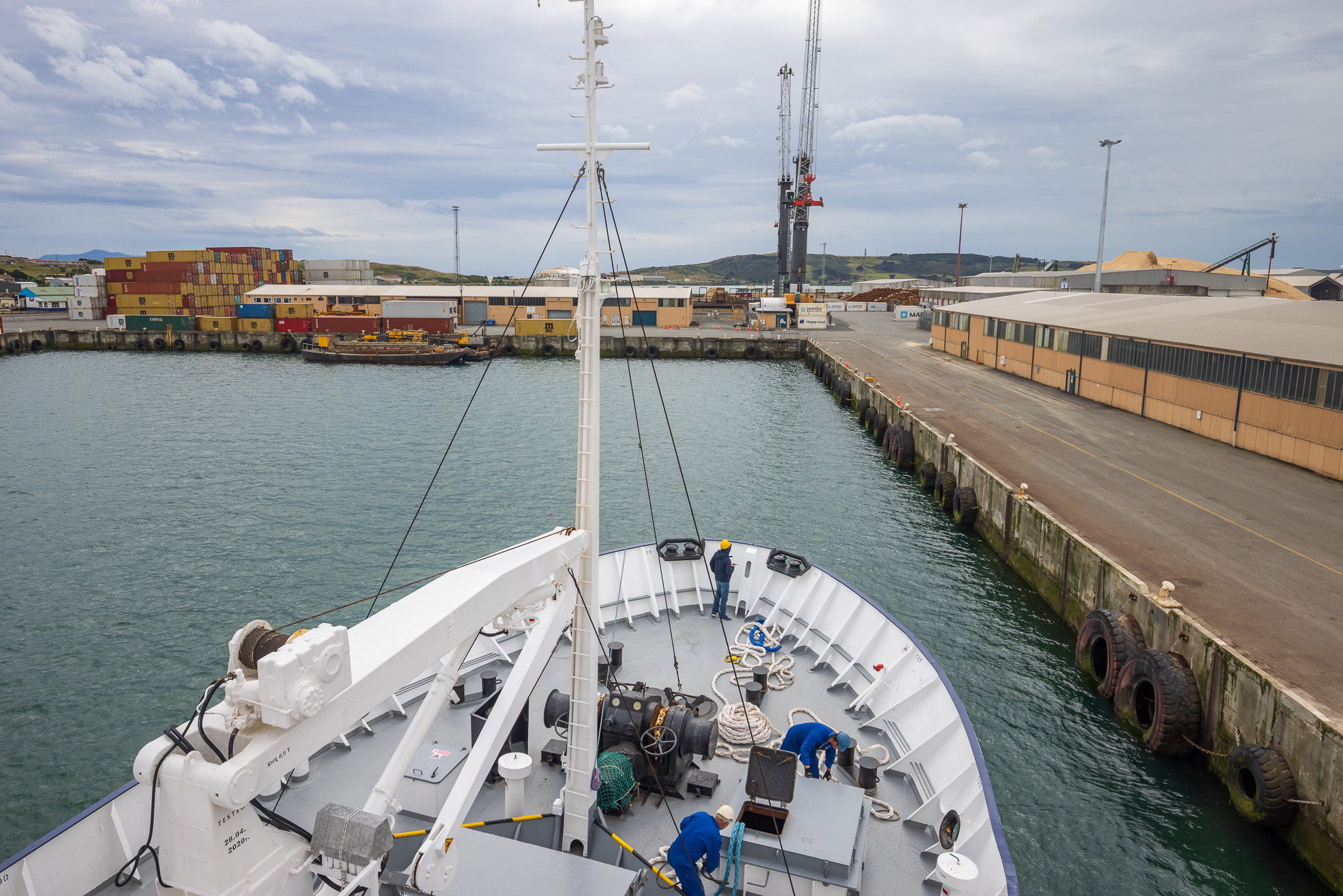
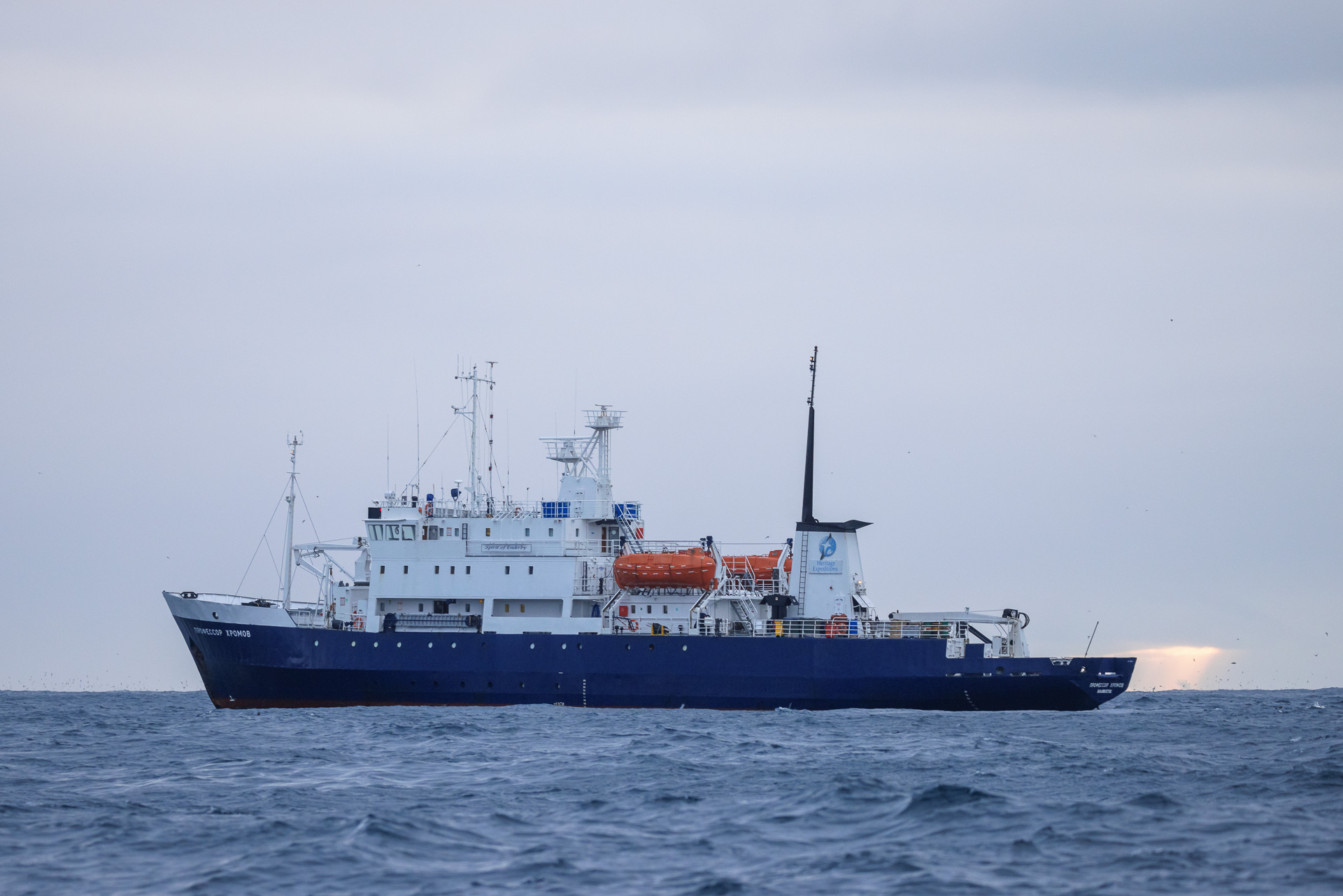
Our home for the week is an ice-hardened Russian research vessel called the Spirit of Enderby. We boarded the ship in Bluff, the rather shabby commercial port on the southern tip of the South Island. We are directed down a flight of stairs to our cabin, a charmingly functional twin berth with a porthole and sharing facilities with the neighbouring cabins. Next up is the thorough safety briefing and emergency evacuation drill which involved us all piling into the two lifeboats. Not an experience you would wish to ever have in real life as 40 of you are jammed into a fibreglass vessel with no windows and a rattling clanking engine. Only one bucket between you for your ablutions, ick!
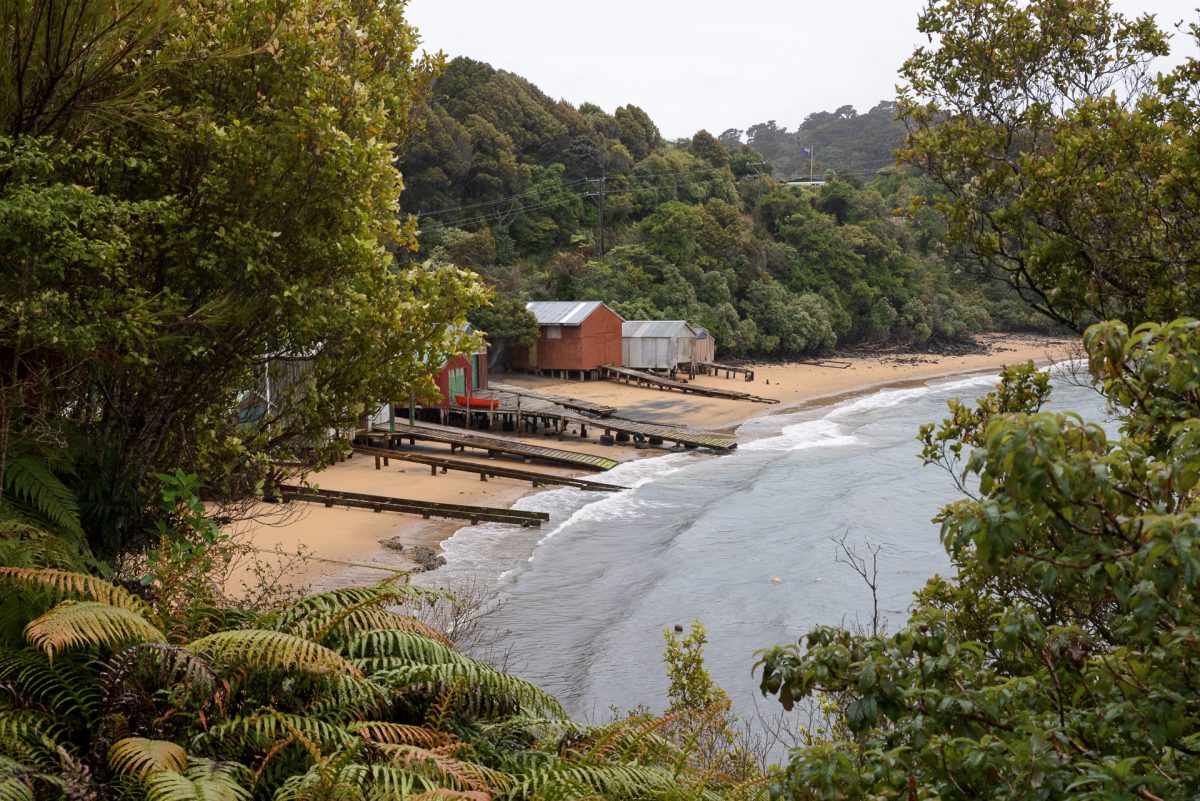
Stewart Island
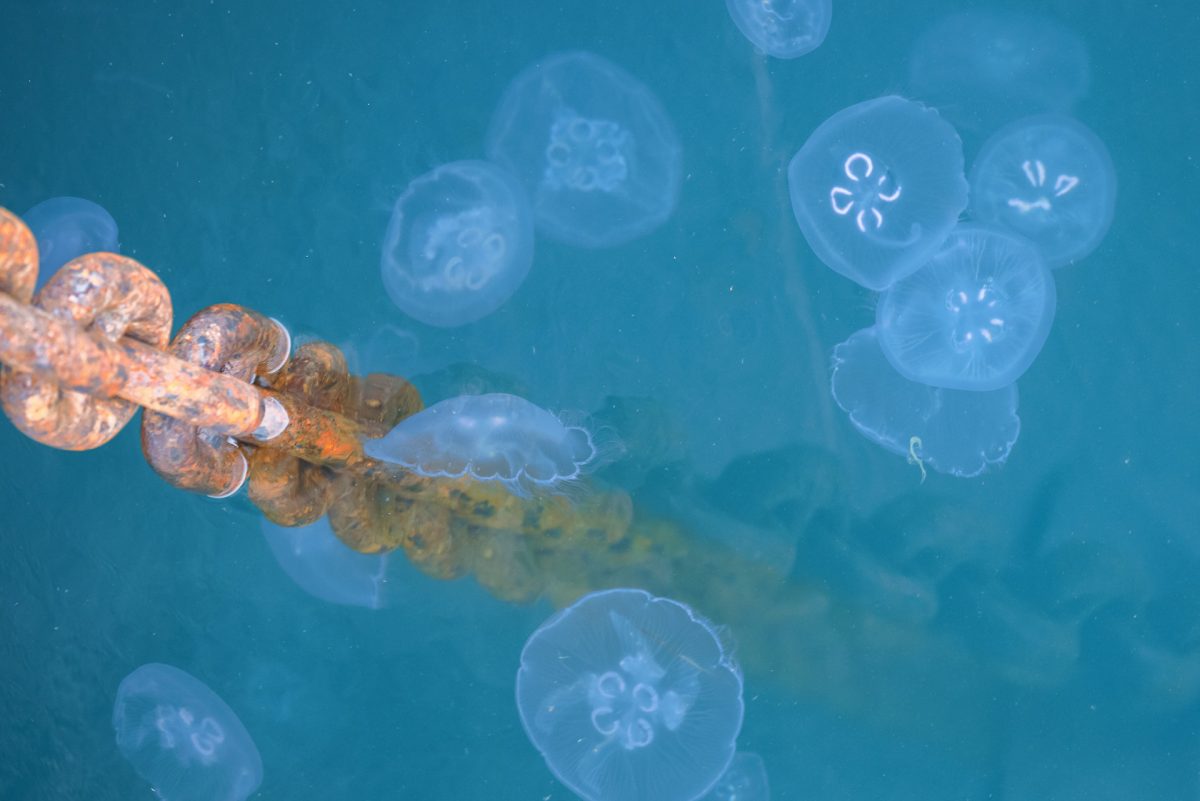
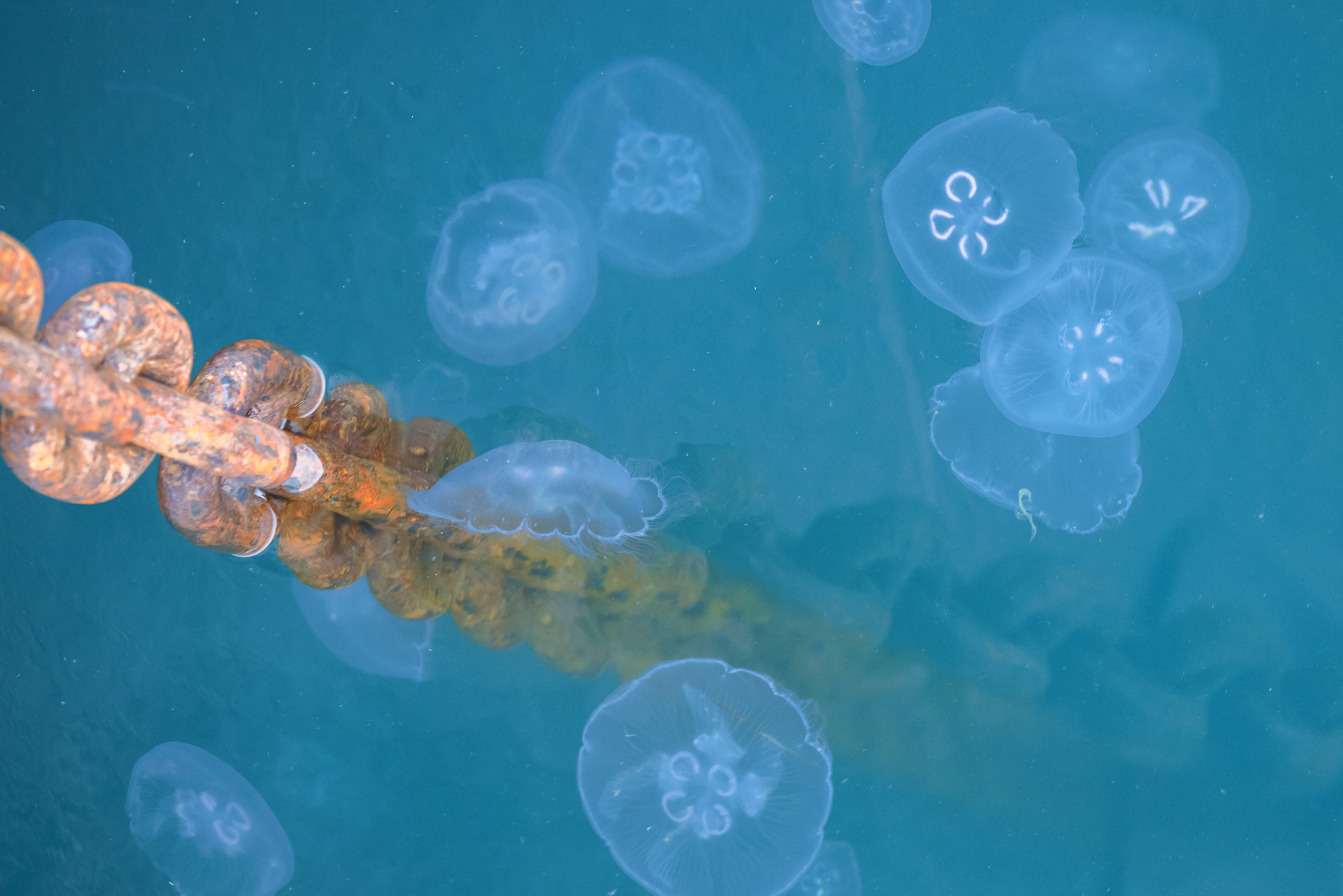
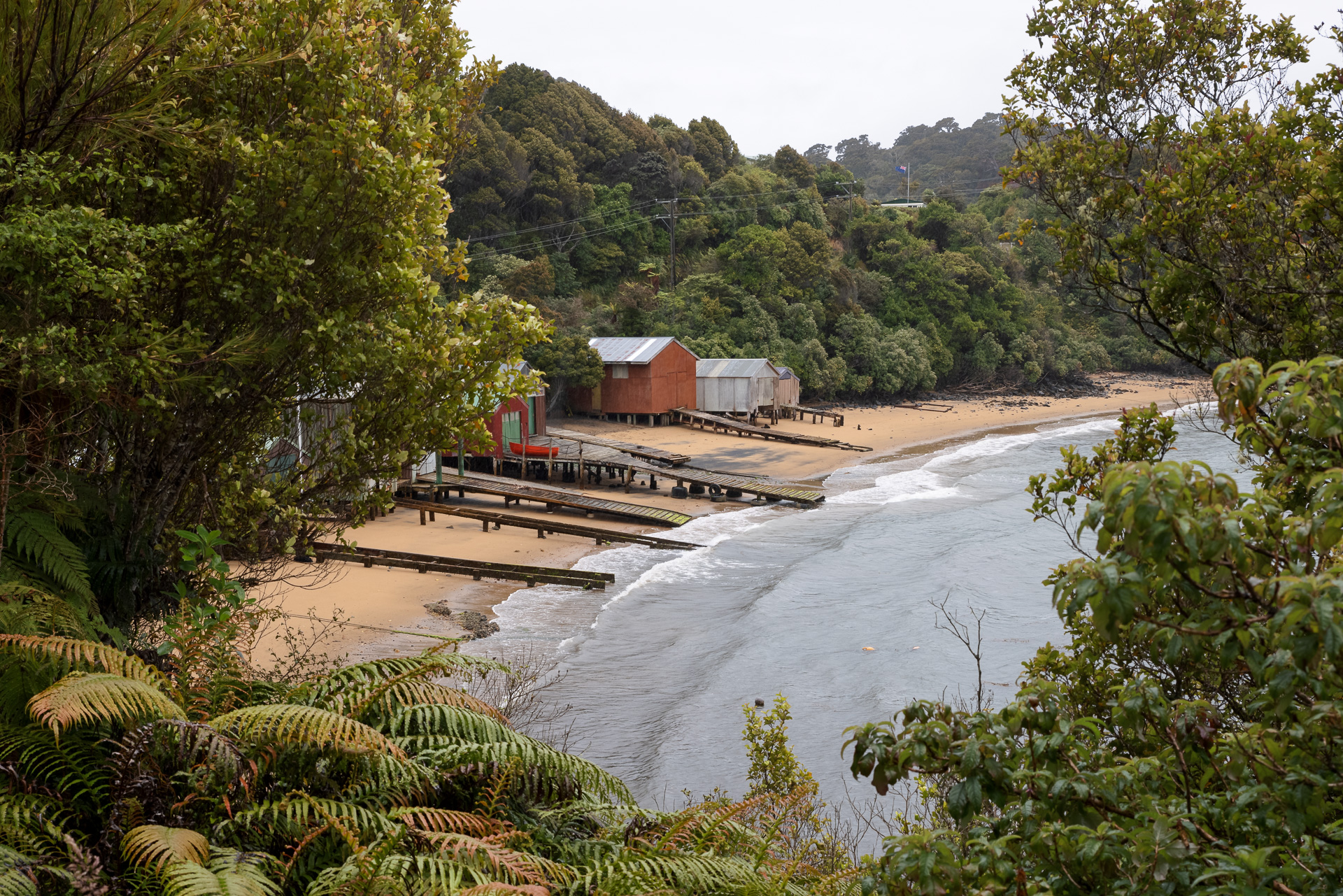
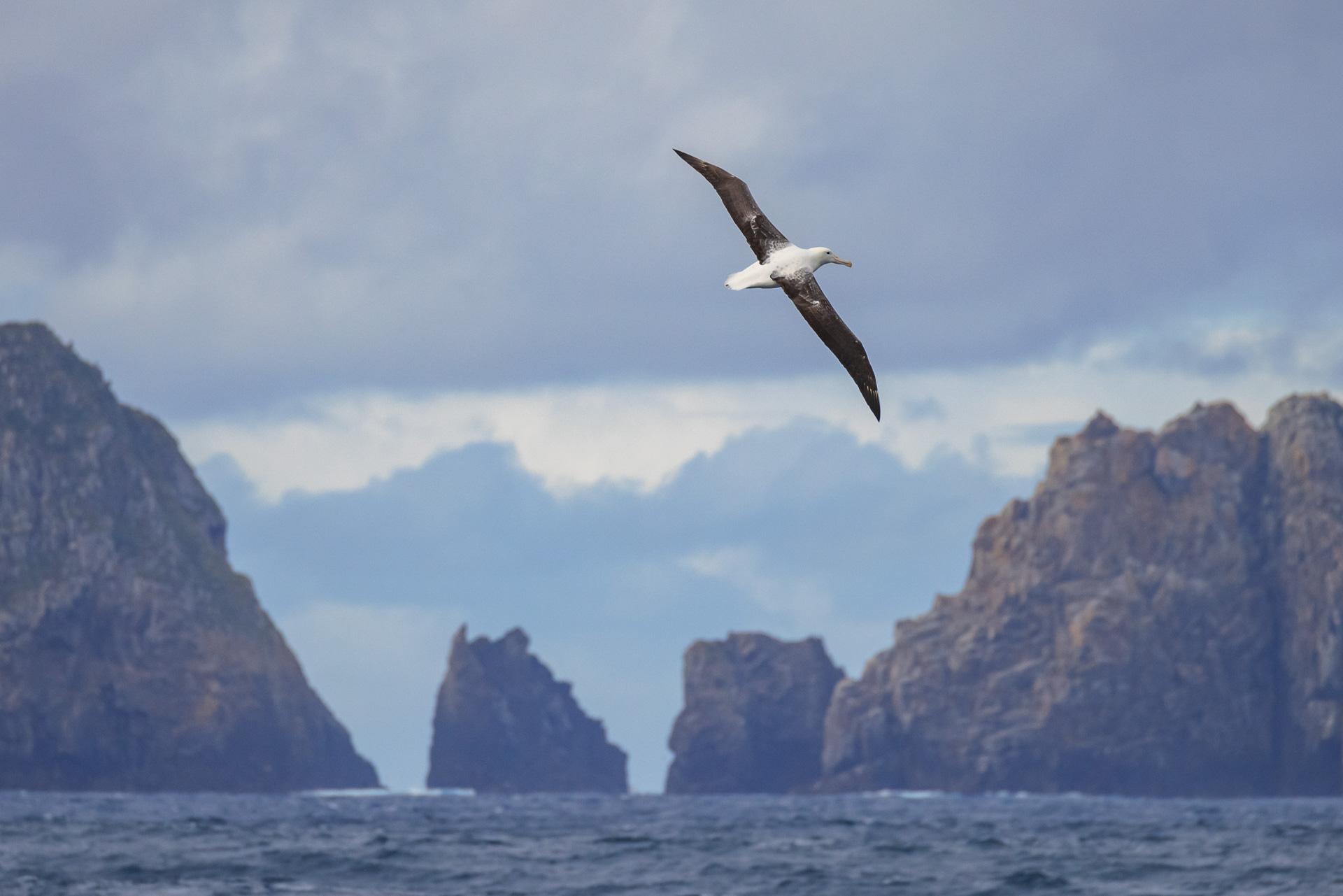
Soon our ship is casting off from the dock and is on its short journey to Stewart Island. Cruising along with cape pigeons and a lone albatross keeping us company for the next two hours. We anchored in a bay on the east coast next to Ulva Island. Out on deck, we marvelled at the crystal-clear water that was thick with jellyfish. All swimming intentions were swiftly put to bed.
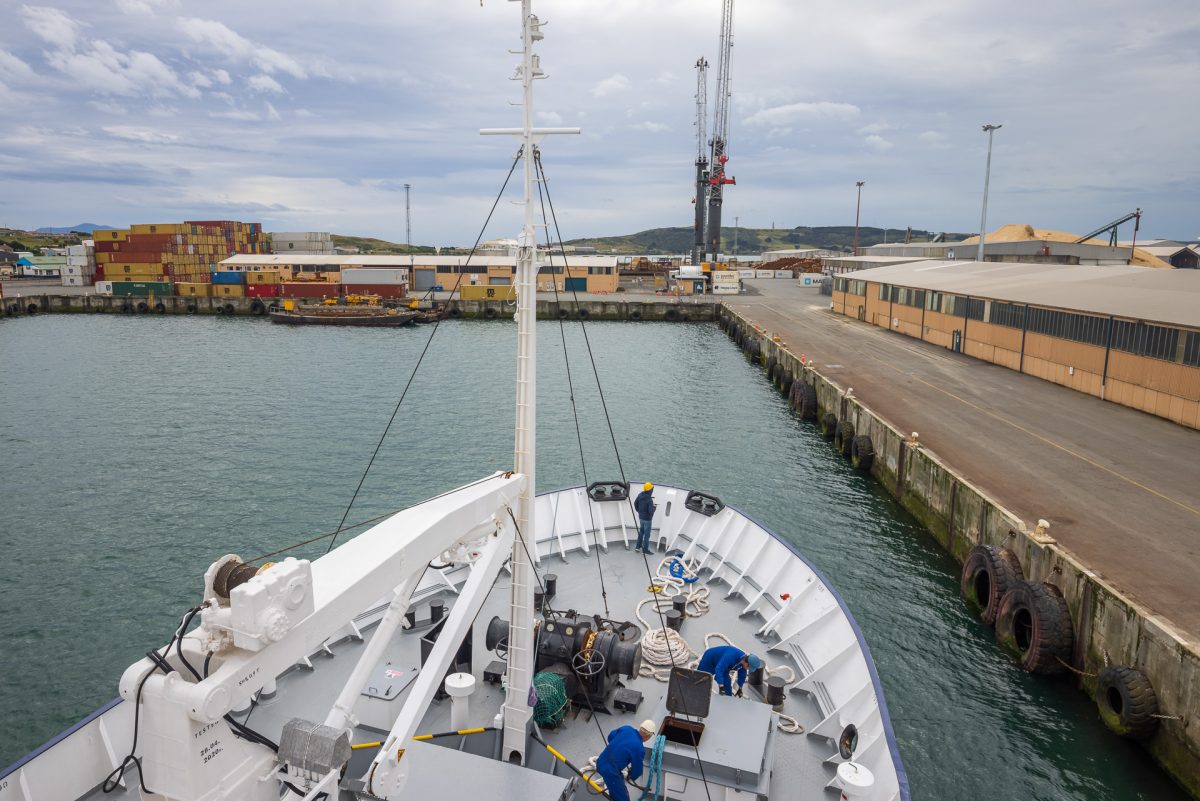
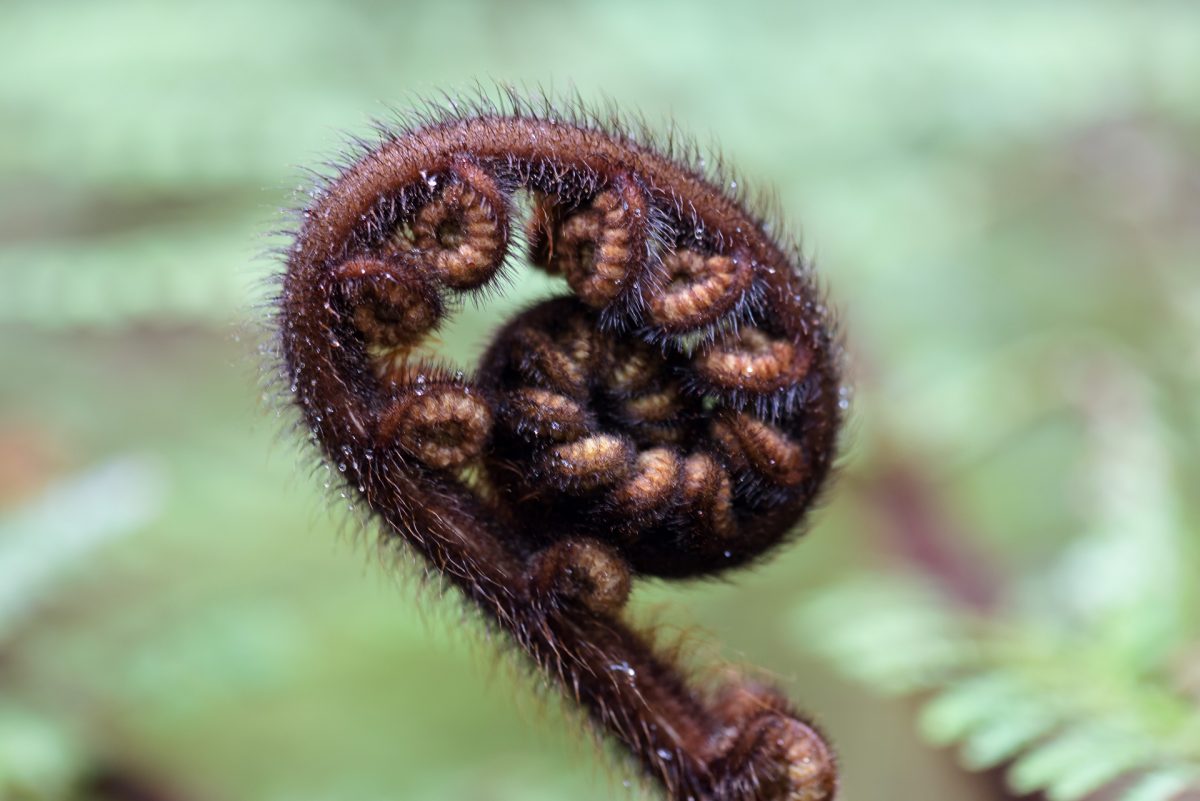
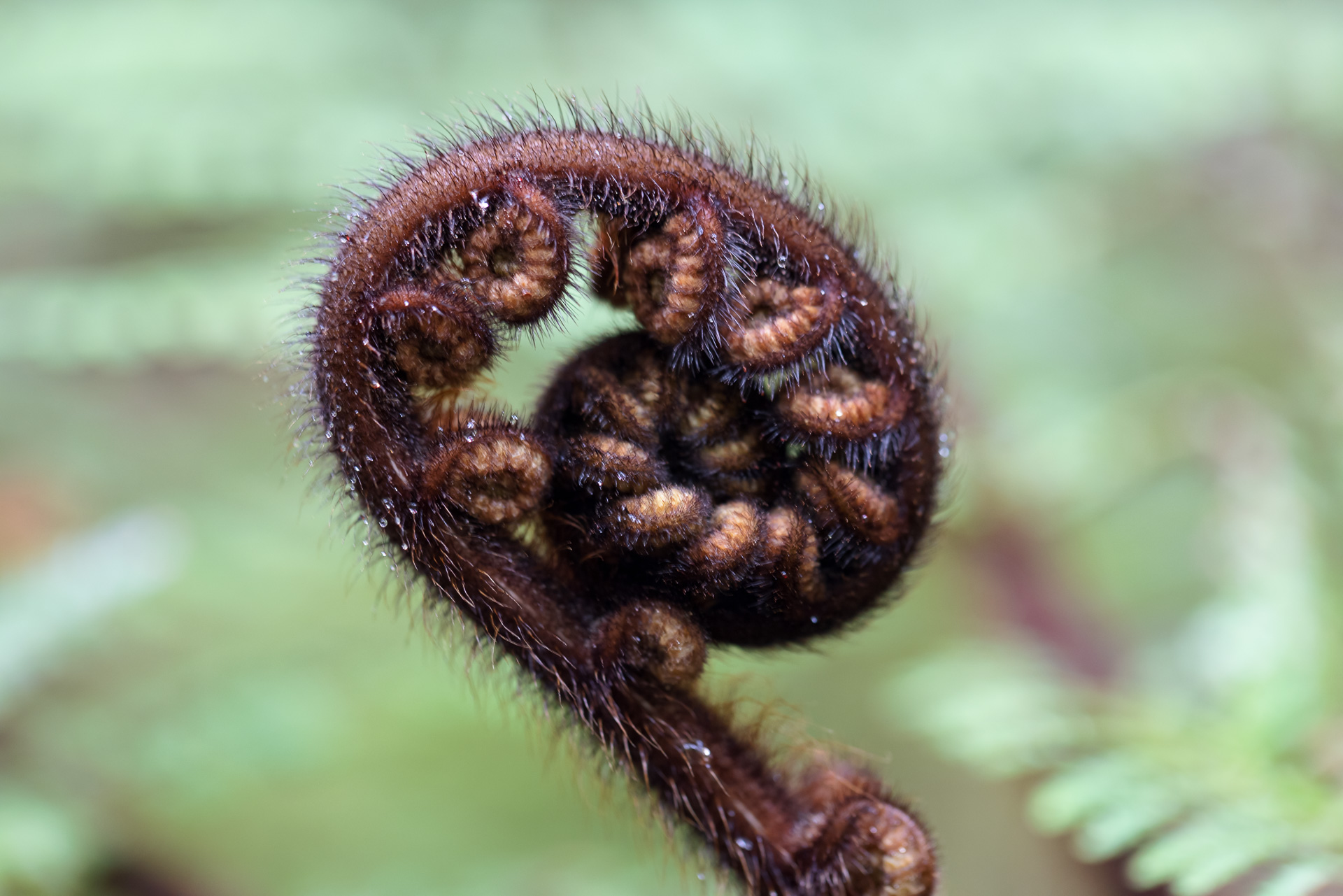
We are up crack of dawn the next morning to walk around the predator-free Ulva Island. Ulva Island’s first human resident, Charles Traill noticed early on the devastating effect humans were having on New Zealand trees, bush and the bird population. Traill instigated conservation efforts and in 1899 the island became one of New Zealand’s first protected nature reserves. Thanks to these efforts Ulva Island is today predator-free and covered in ancient native bush.
Conservation and Controlling Predators
New Zealand has only one native mammal, a bat, and a healthy bird population. Many of which have evolved to be flightless as they historically had no land-based predators. With the arrival of humans, however, came the introduction of mammals including rabbits and deer for sport which ended up eating away the low growing plants and young saplings in the native bush. The rabbits did what rabbits do best, they multiplied fast. Some brainiac then had the solution to introduce stoats, ferrets and weasels to control the rabbit population. With no natural predators, these also multiplied fast and found the fearless birds and their nests easy prey. Most of the places we visit on this trip have predator control and are carefully managed with trapping devices. This is no mean feat as the little furry predators can swim and cross mountains.
Before going ashore on Ulva Island, and any predator-free or conservation area in New Zealand you must be sure that you have no foreign seeds or animal matter on your shoes to prevent contamination by foreign species and diseases. Our ship has a boot washing area with biocide dip which we all go through before we boarded the zodiacs to go ashore.
Ulva Island
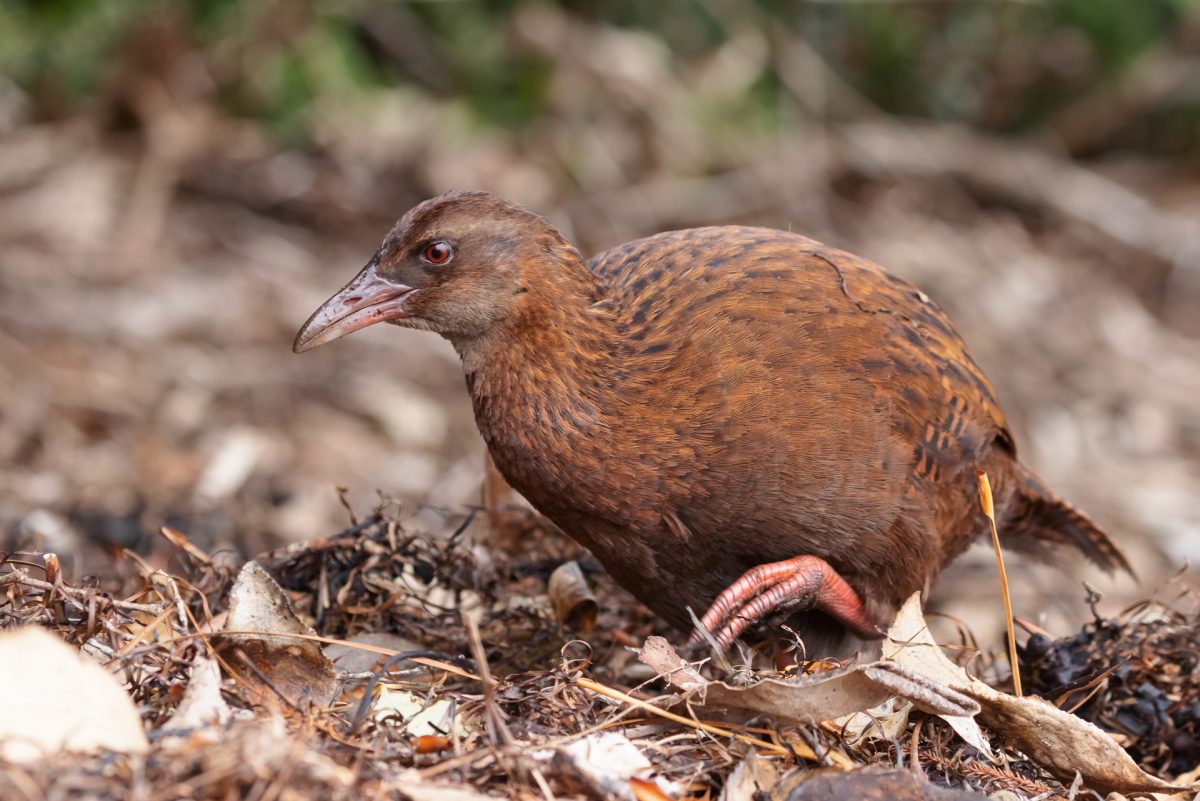
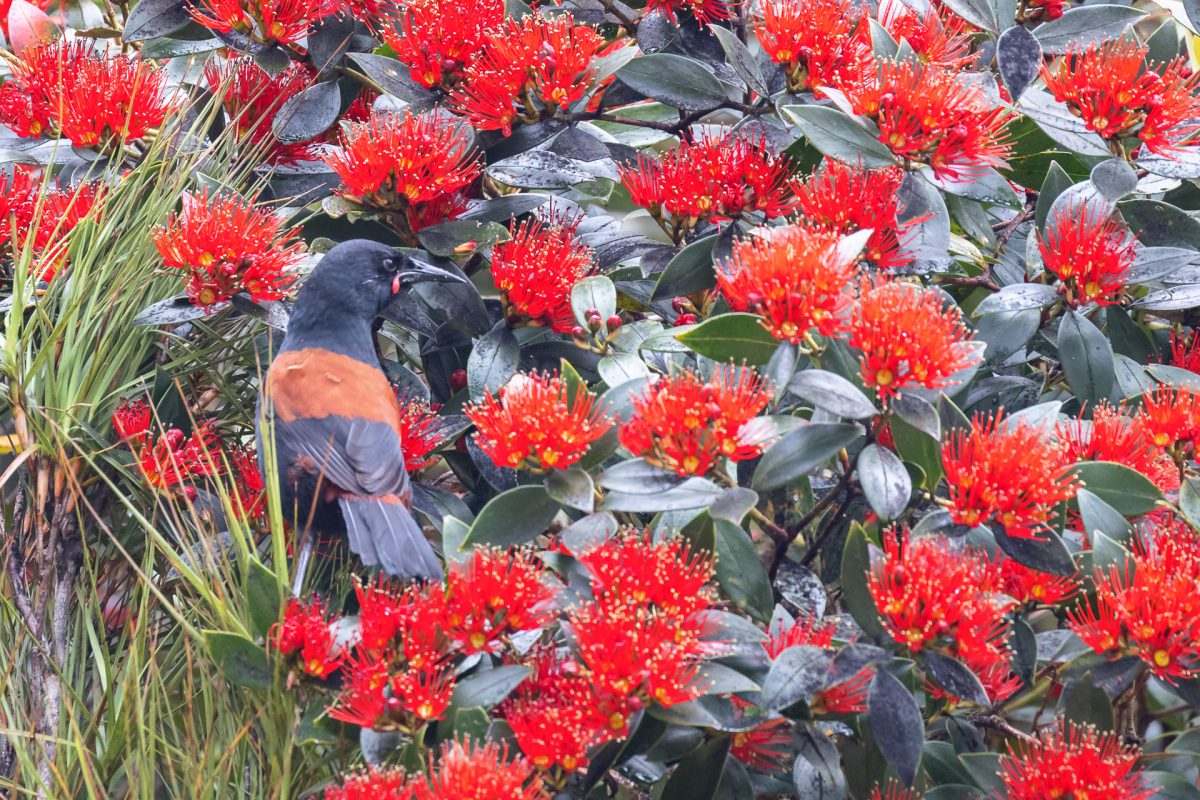
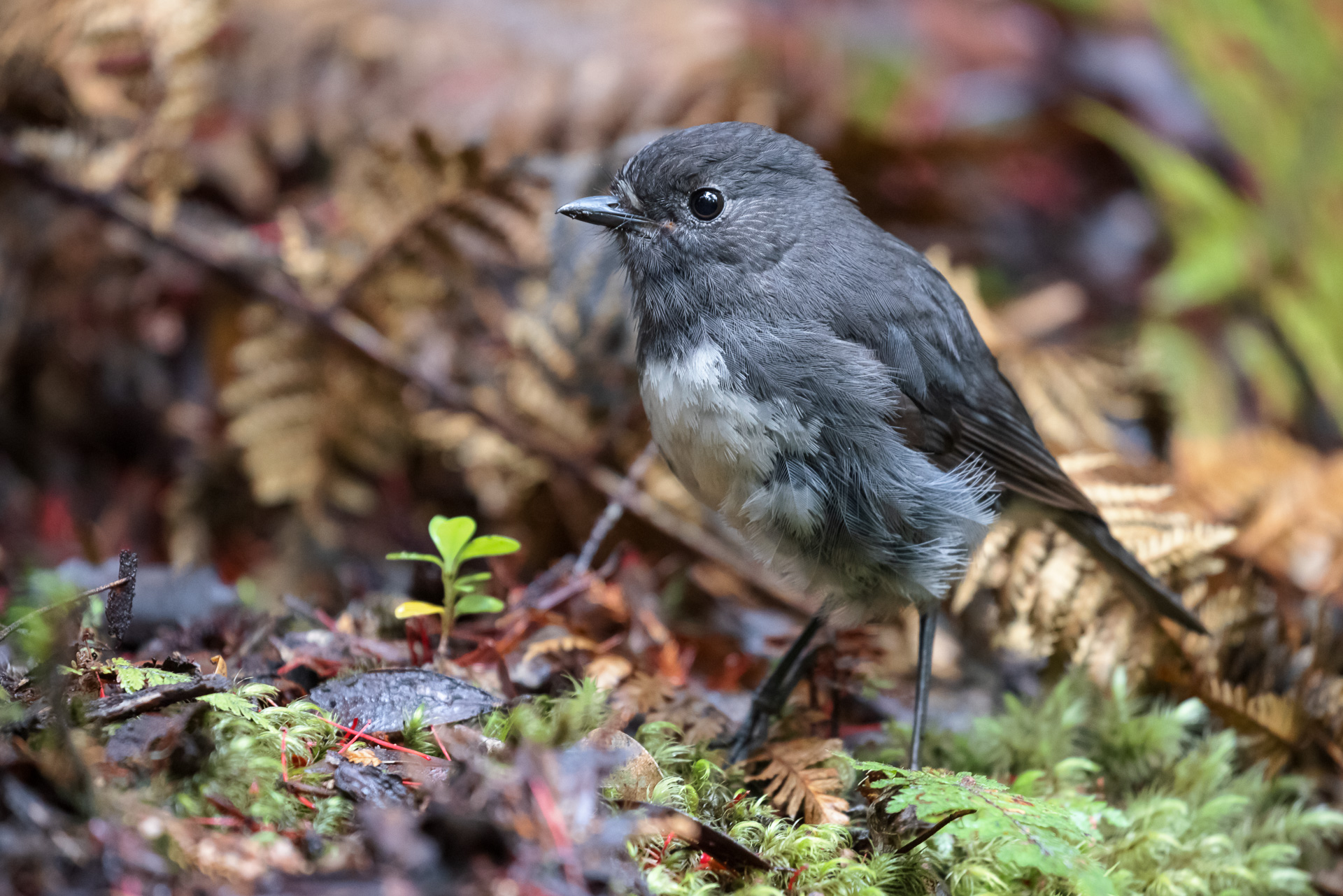
On the island the forest is lush and the air thick with gorgeous bird calls. The South Island robins (black with a white breast) are quick to introduce themselves to you. Shouting for your attention and foraging around your feet looking for insects and other treats you may have stirred up in the dirt. South Island saddlebacks are spotted frequently in the bush nearest the coast. A true conservation success story as they were recently pulled back from near extinction at a mere 36 birds. We also found the odd cheeky weka, a large brown, flightless bird that is the apex predator on the island. Renowned for running off into with anything you might leave unattended, particularly partial to a nice shiny leatherman we are told.

The Snares Islands
Next stop the Snares, a group of uninhabited Subantarctic Islands 200km south of Stewart Island. With a 3m southerly swell forecast, we popped our seasick pills, had a quiet dinner in the dining room and went to bed early. The swell started to kick in after we motored out from the shelter of Stewart Island. We barely felt it in our lower-level cabin, smack bang in the middle of the ship. However, not everyone had it so comfortable, as the saying goes, the more you pay the more you sway!
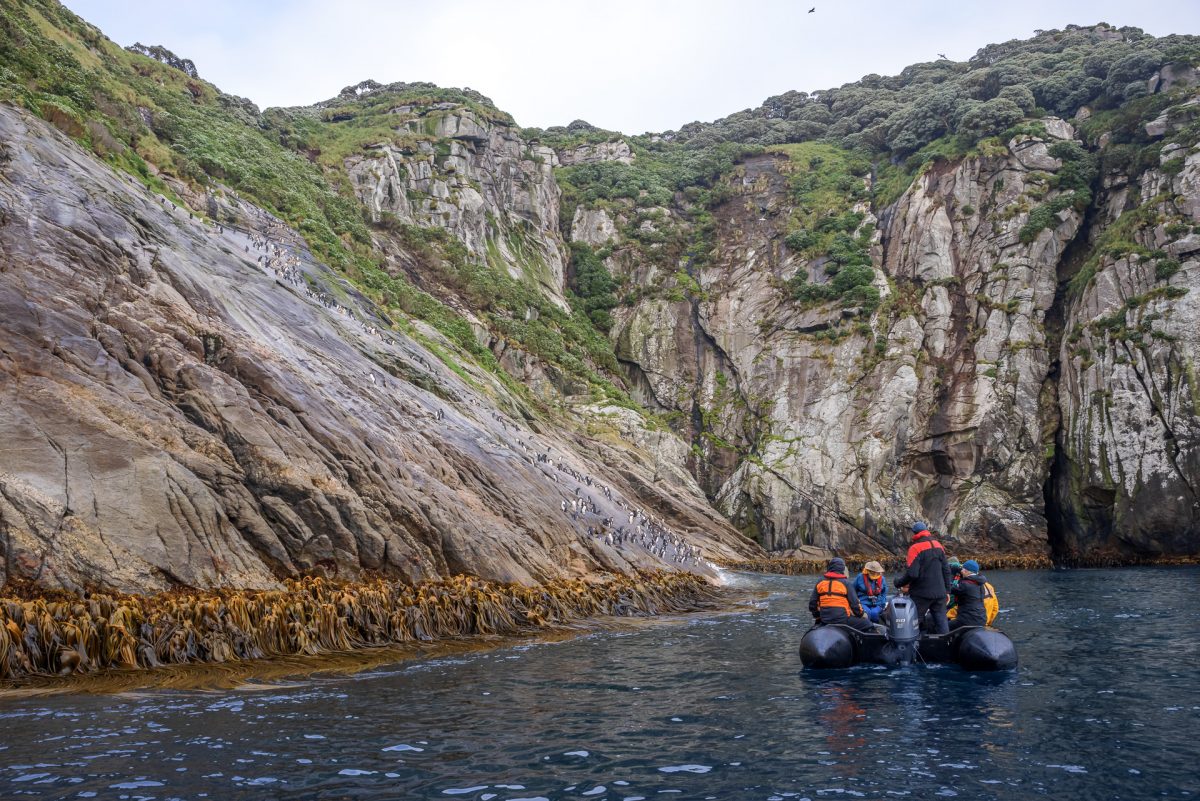
We were woken at 5.30am for a Zodiac tour of the main island by Zodiac as you are not able to set foot on the islands without special permits. The Snares are uninhabited and throughout the years only castaways and now researchers have lived there for brief periods of time.
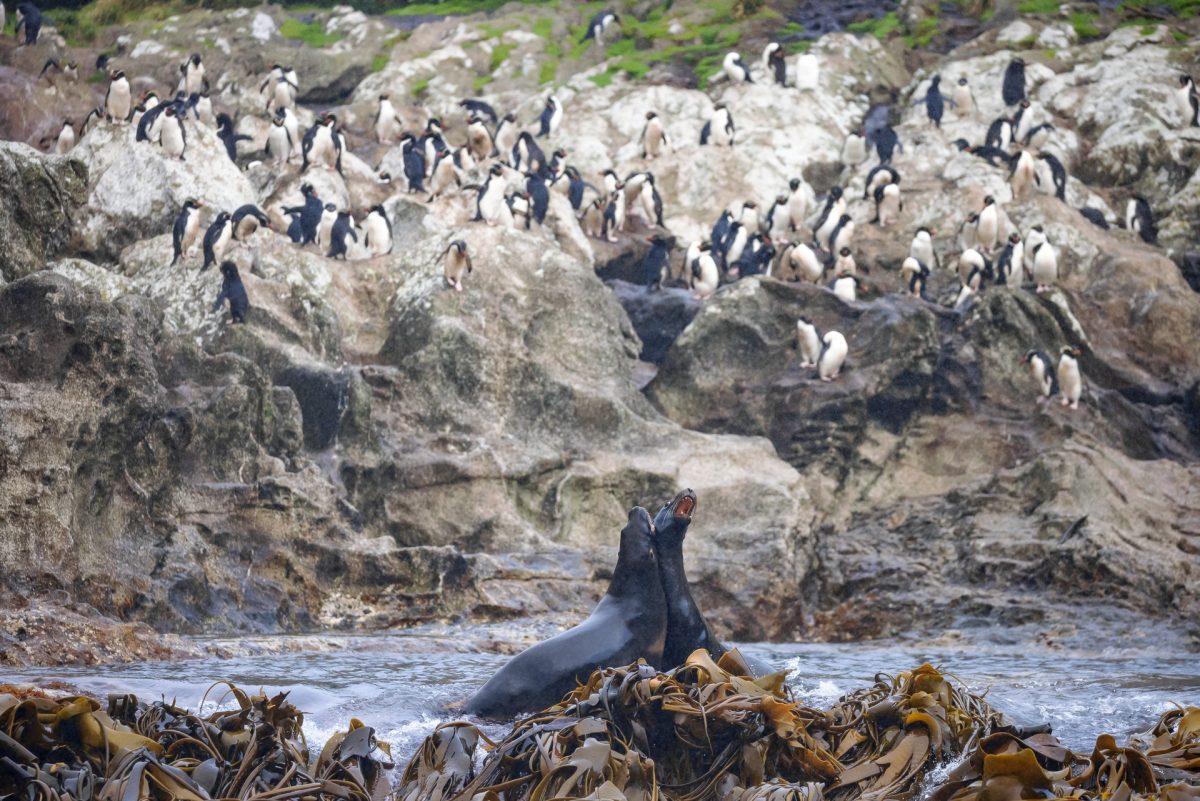
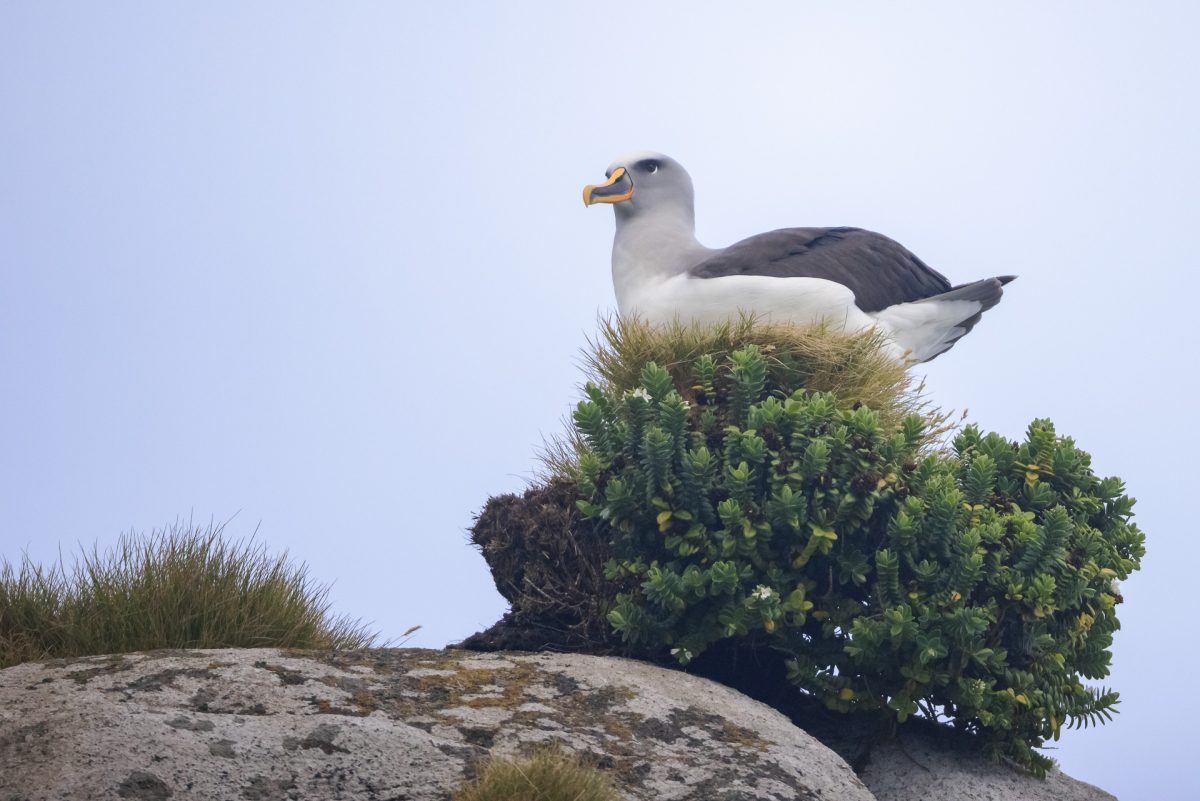
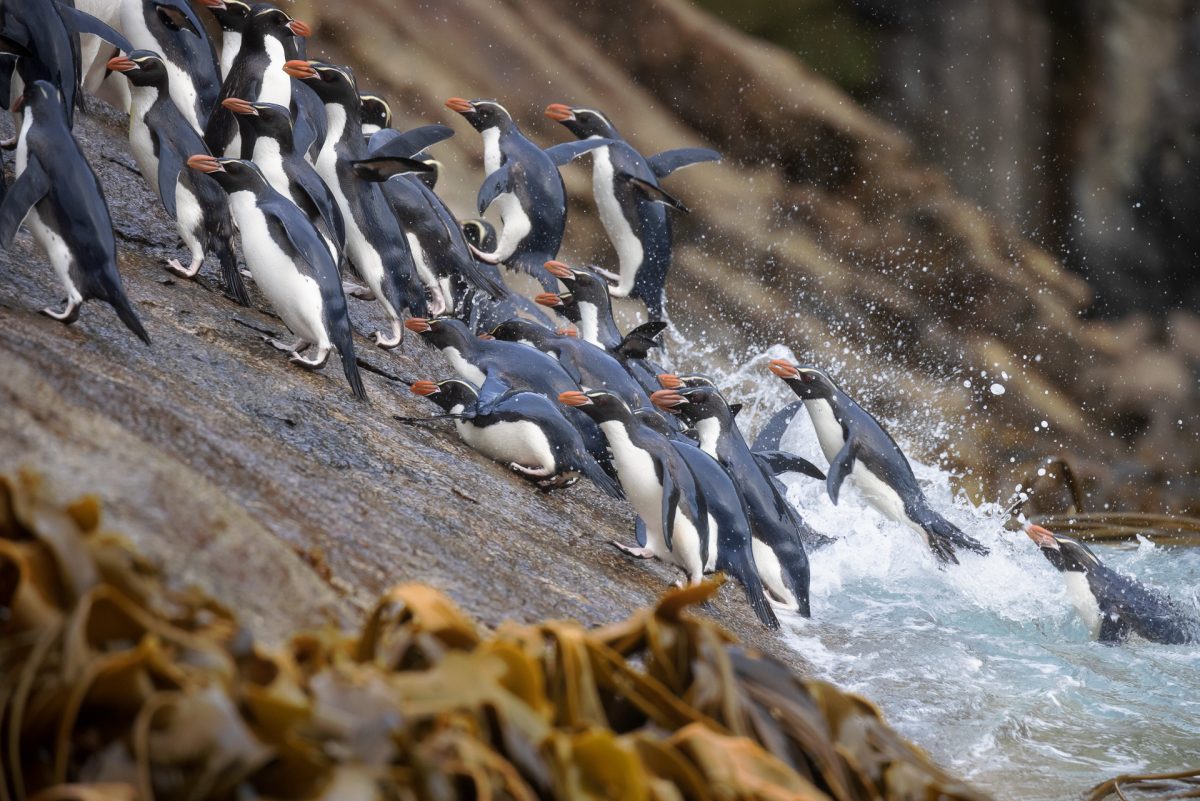
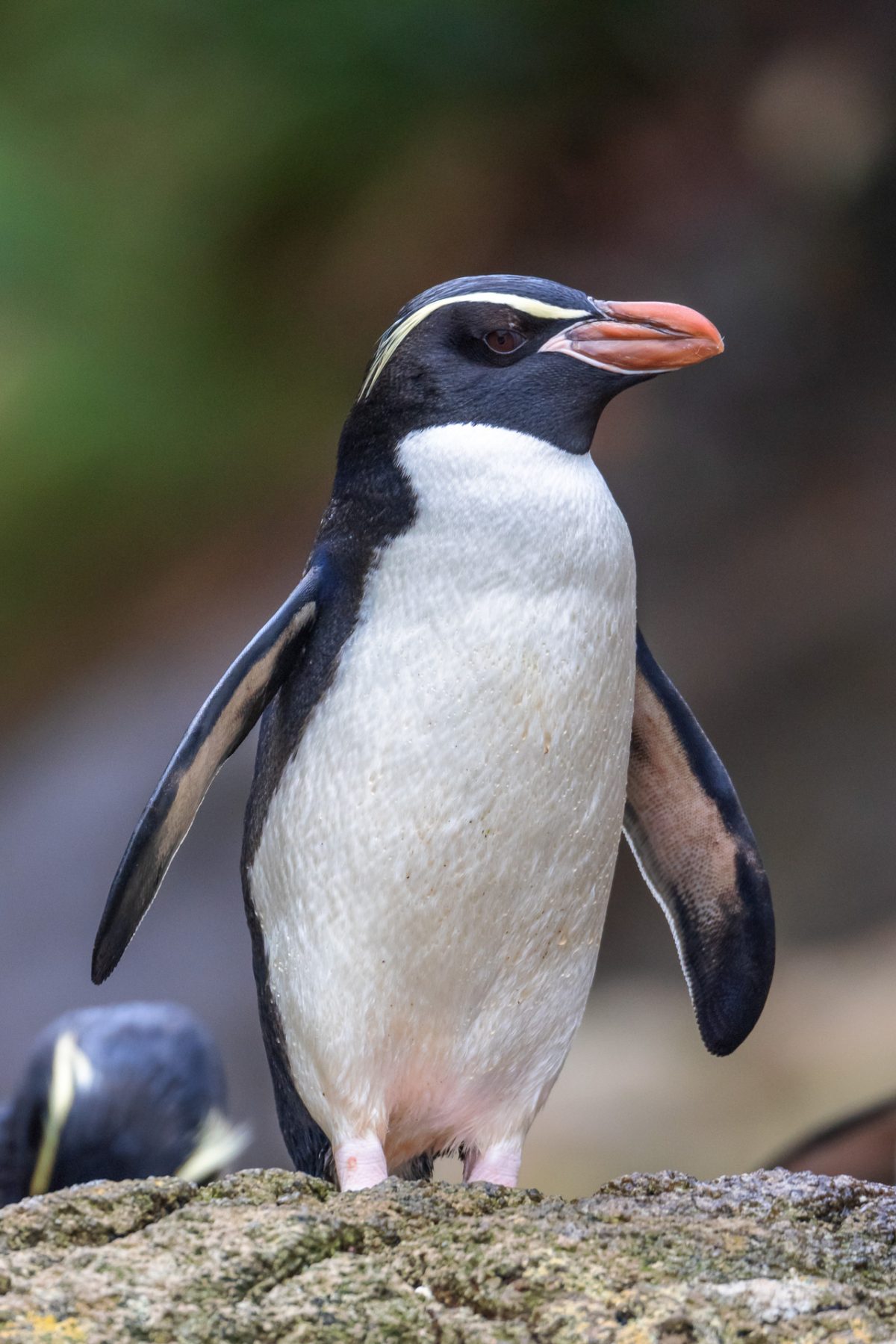
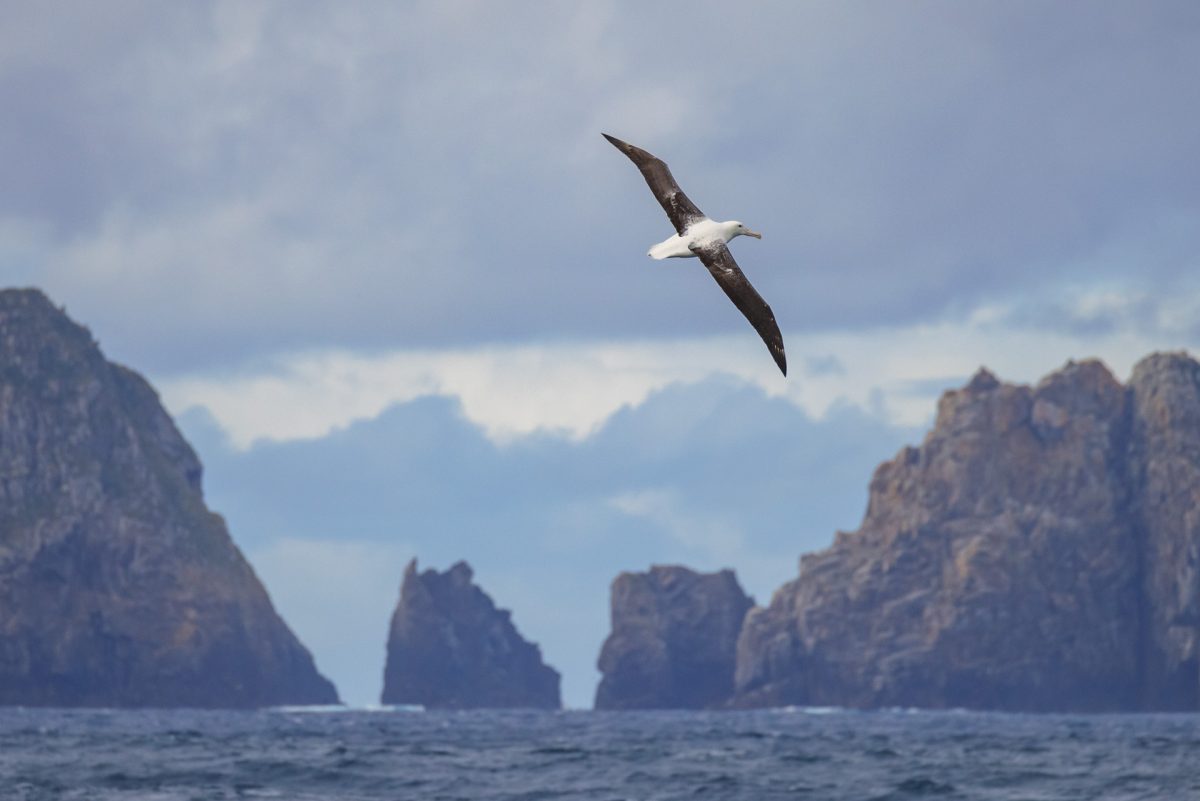
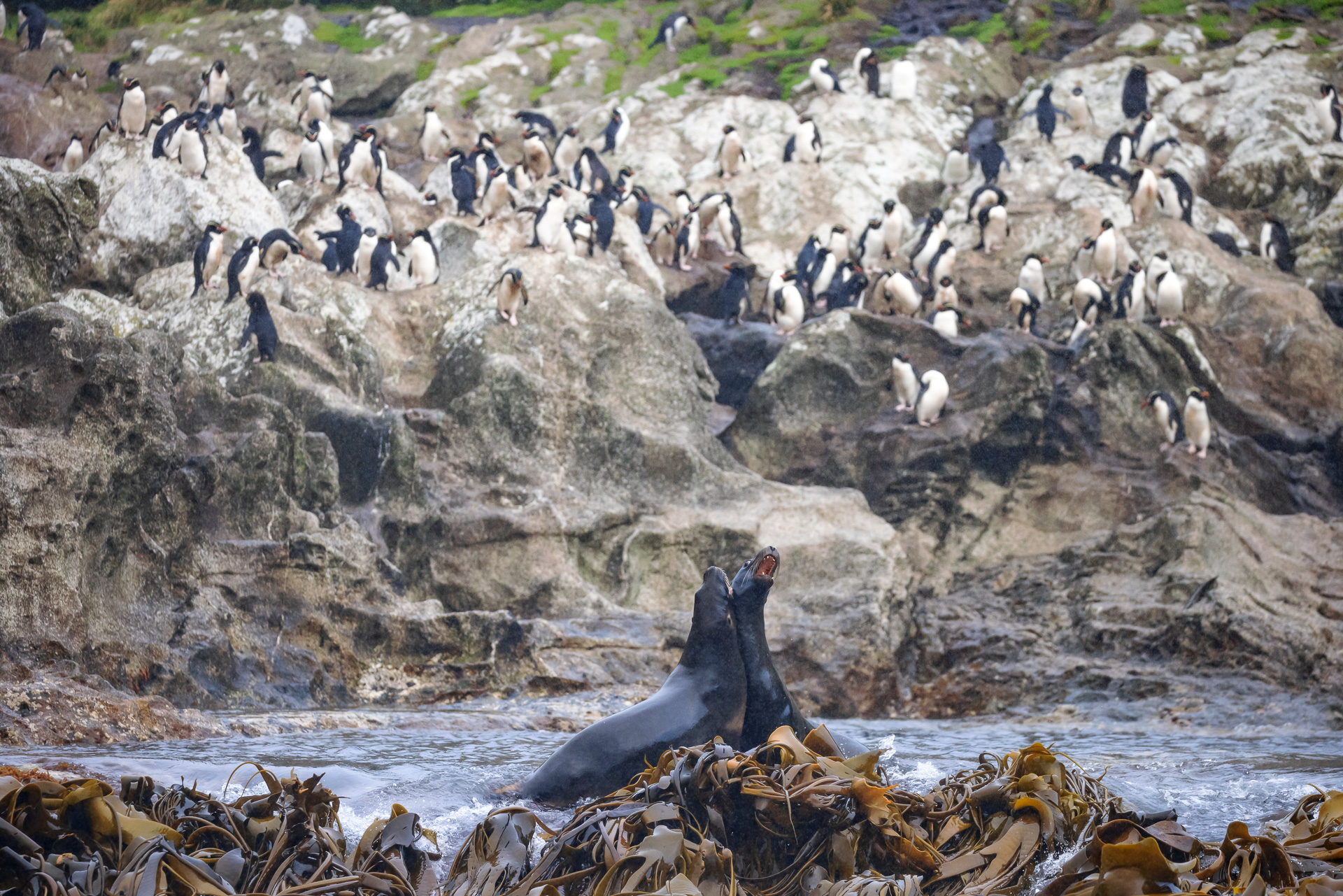
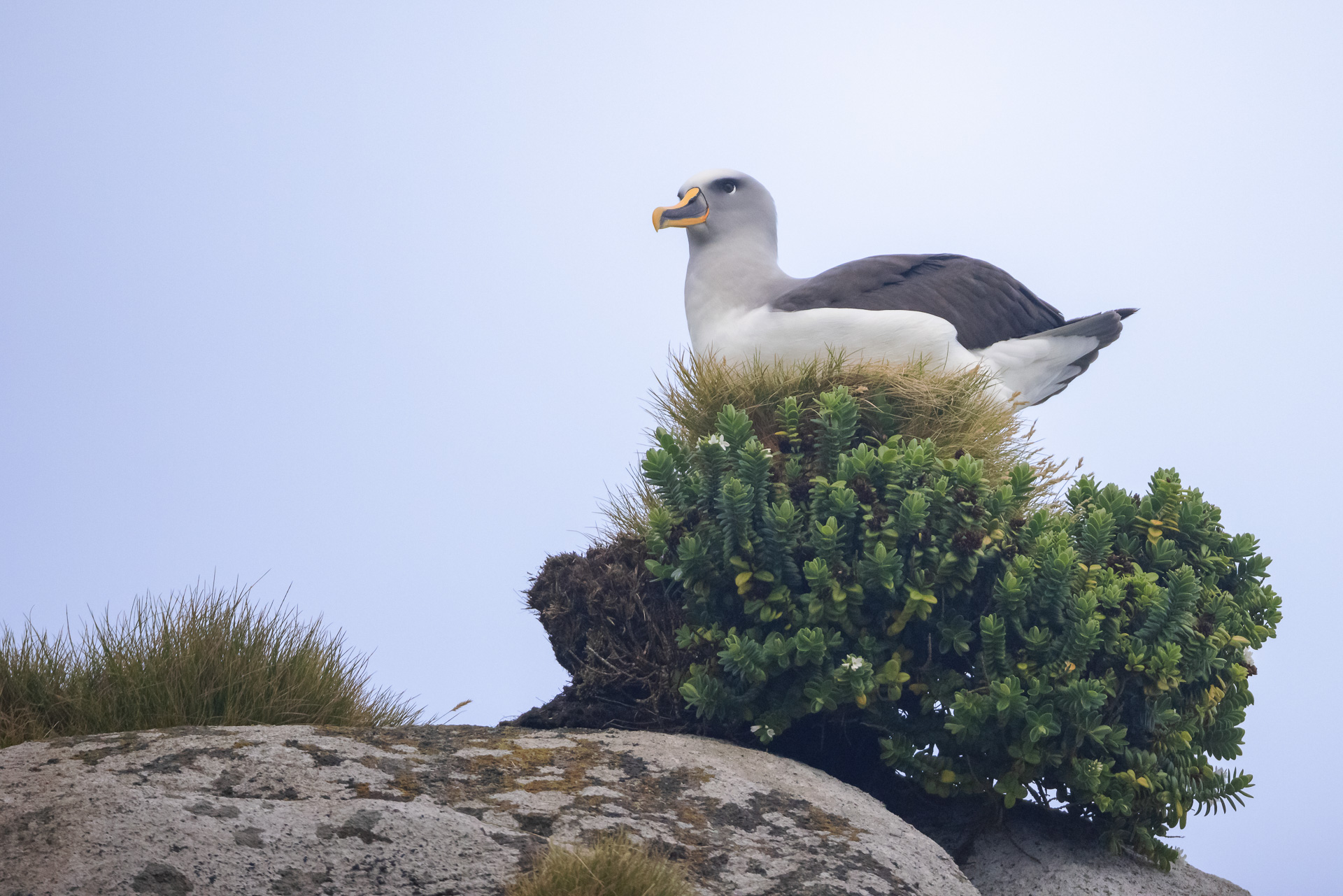
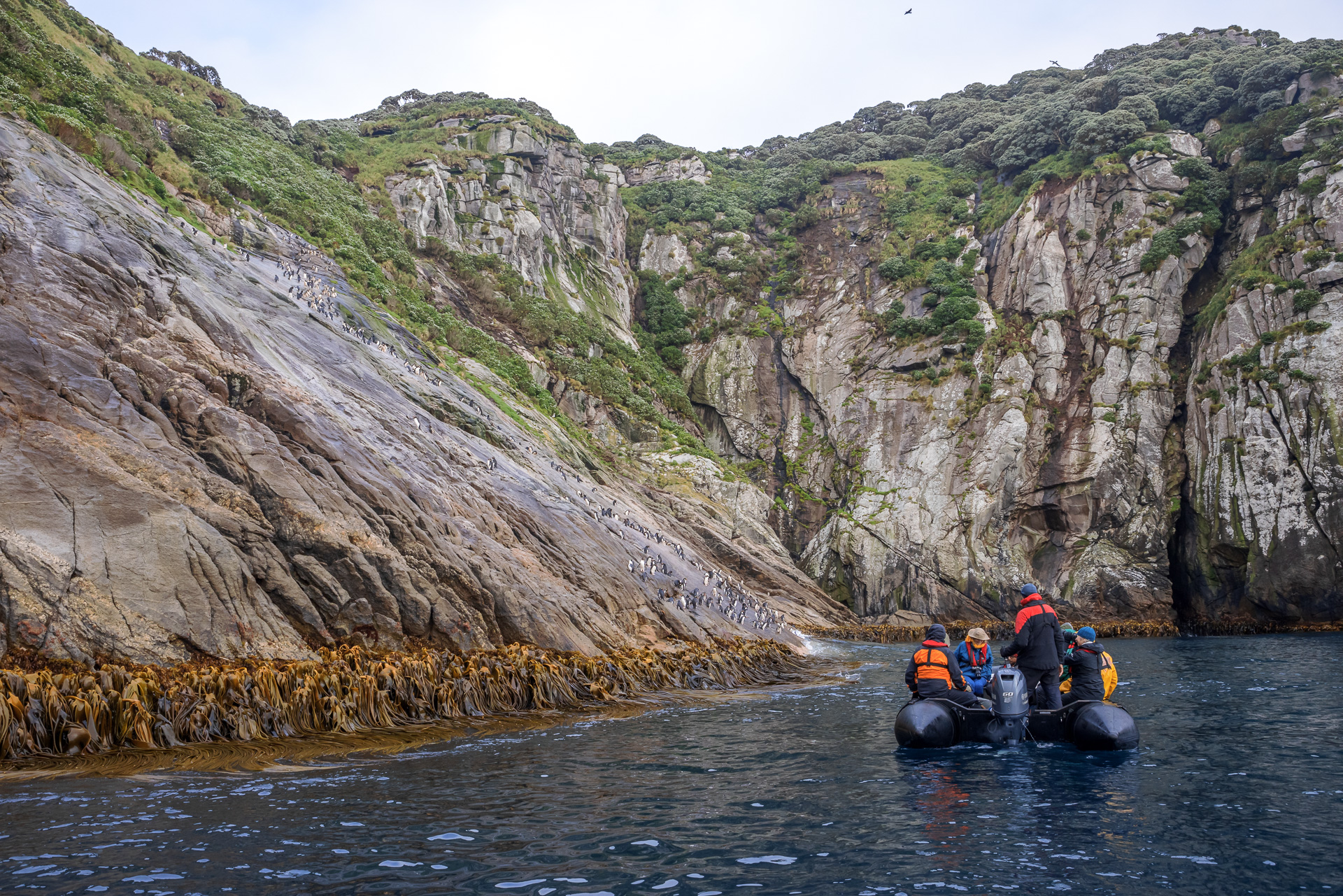
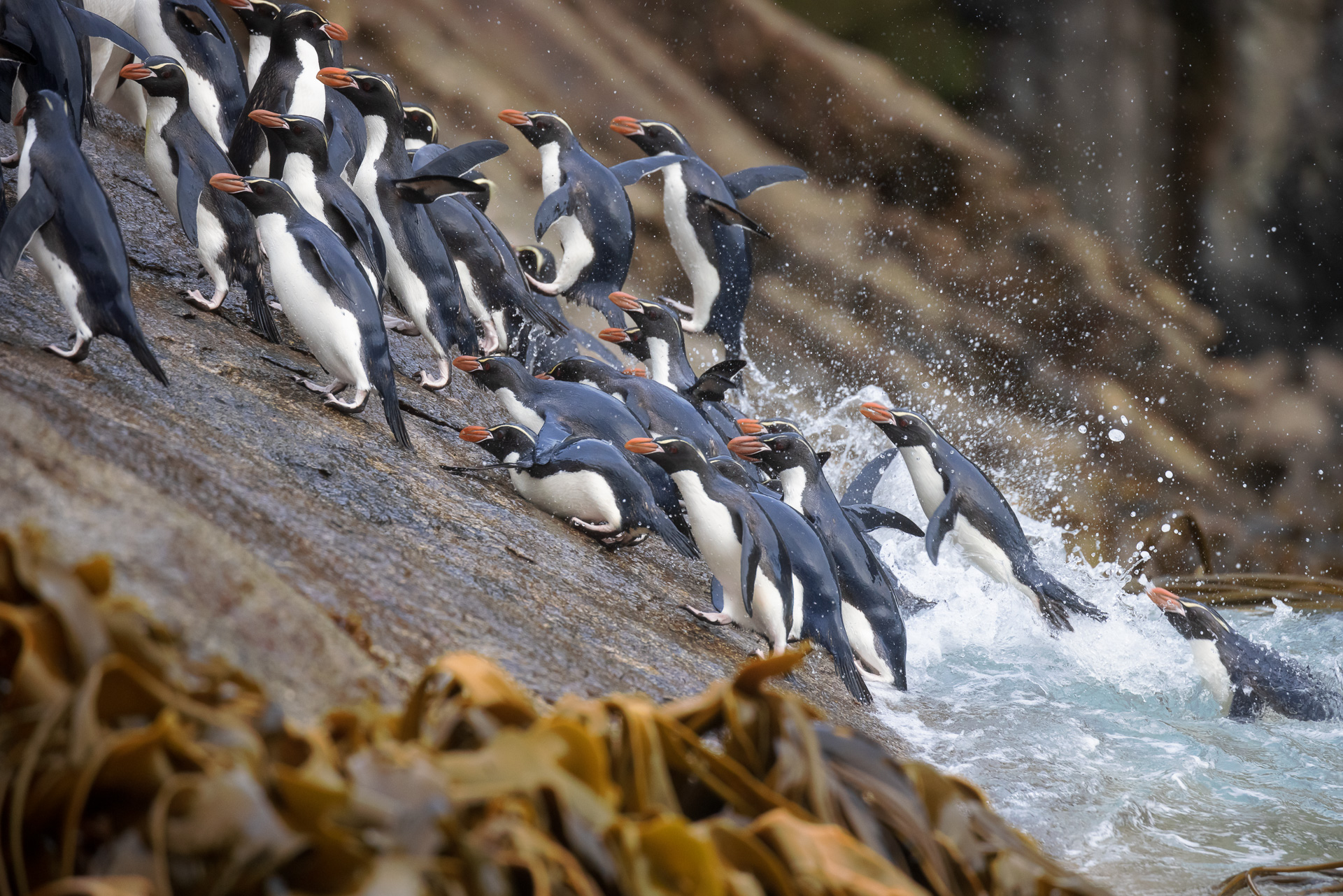
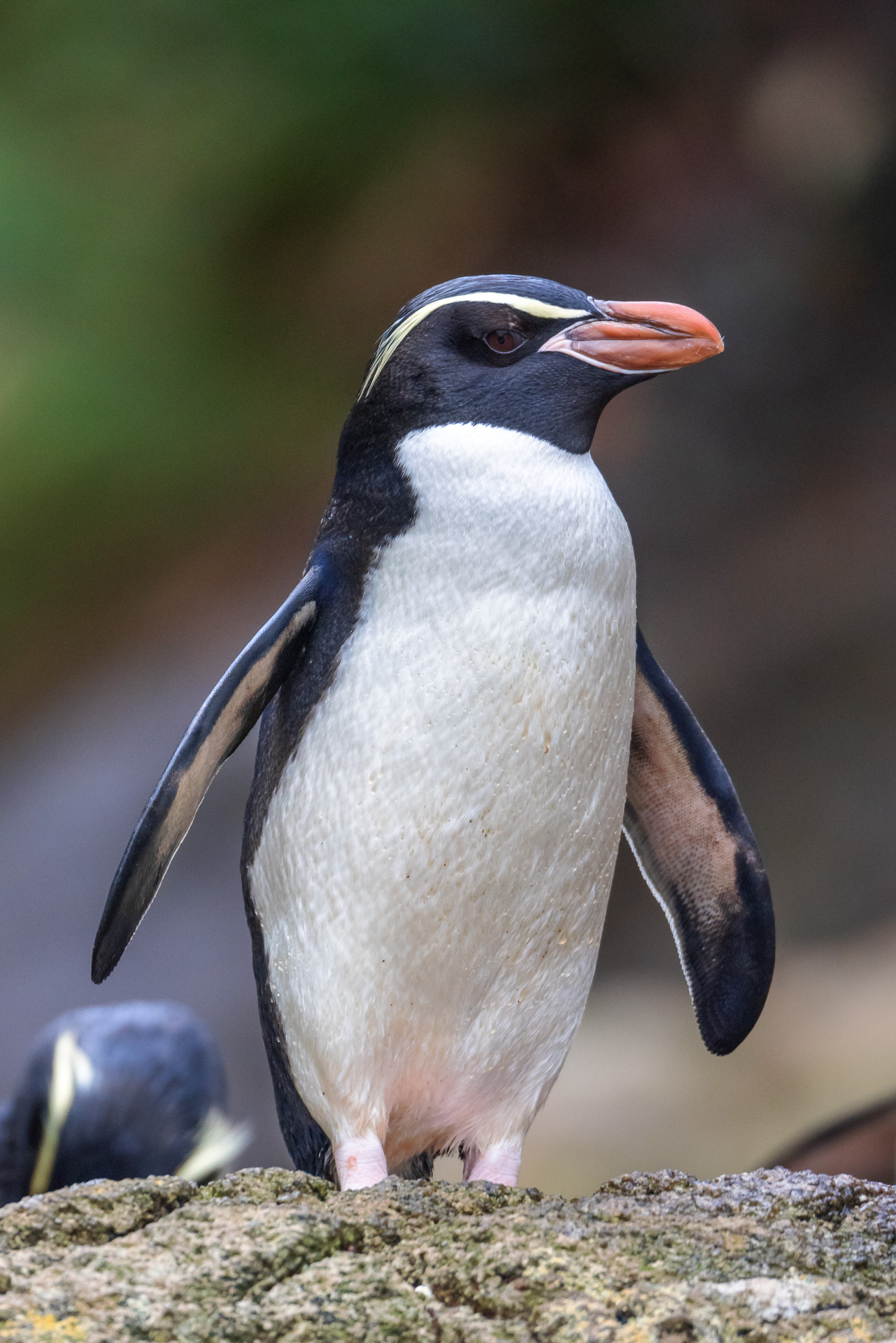
In the Zodiacs, we weaved in and of small bays, caves and through rock arches. Hypnotized by the giant bull kelp with its long fronds attached to the rocks and swinging with the waves like flamenco skirts. The rocks on the shore are covered with Snares crested penguins, small with funky yellow crests on their brows. Higher up on the cliffs the stunning Buller’s albatrosses are nesting. The perfect graduation of white and grey shading on their faces provide such a stark contrast to their bright yellow beaks it looks like pop art.
The pinnacle of the tour is the penguin slide. A long line of penguins snaking down a rock face from the bush down to the water. All getting ready to slide into the sea for their days fishing. With a close eye out for any predatory sea lions, when the right wave comes along, off they all go!

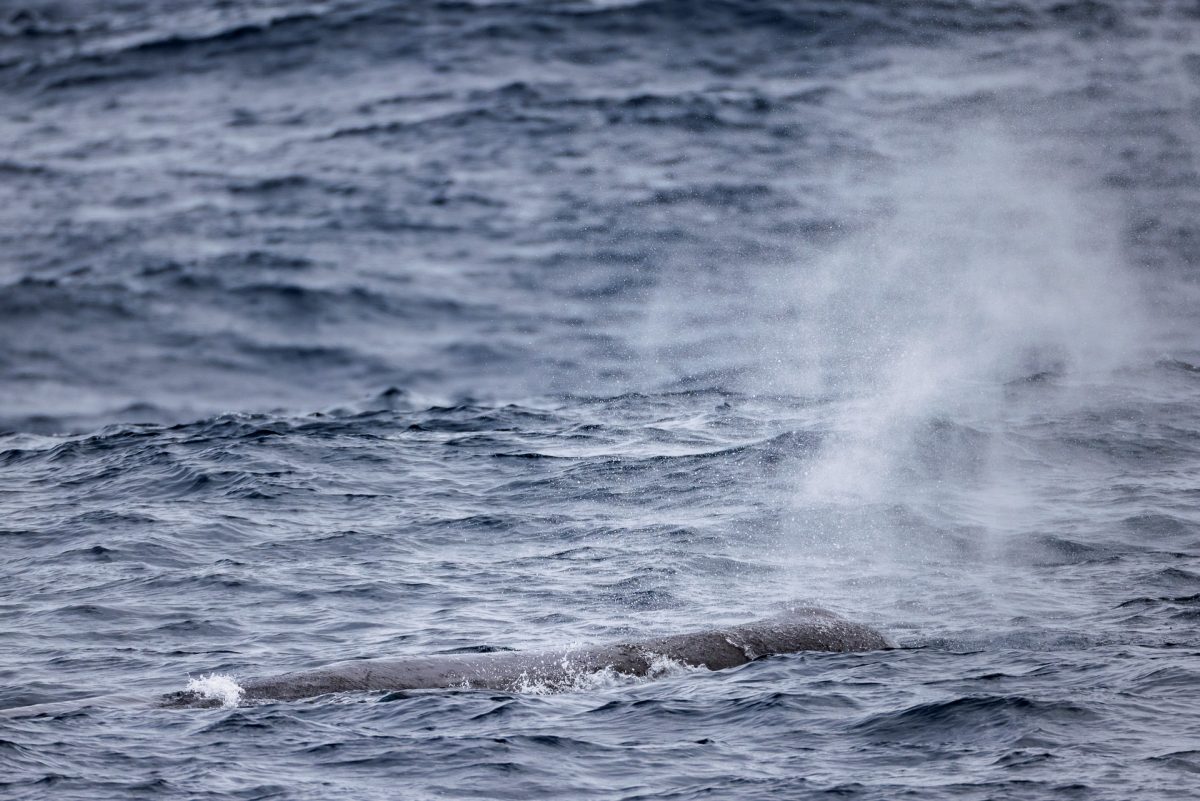
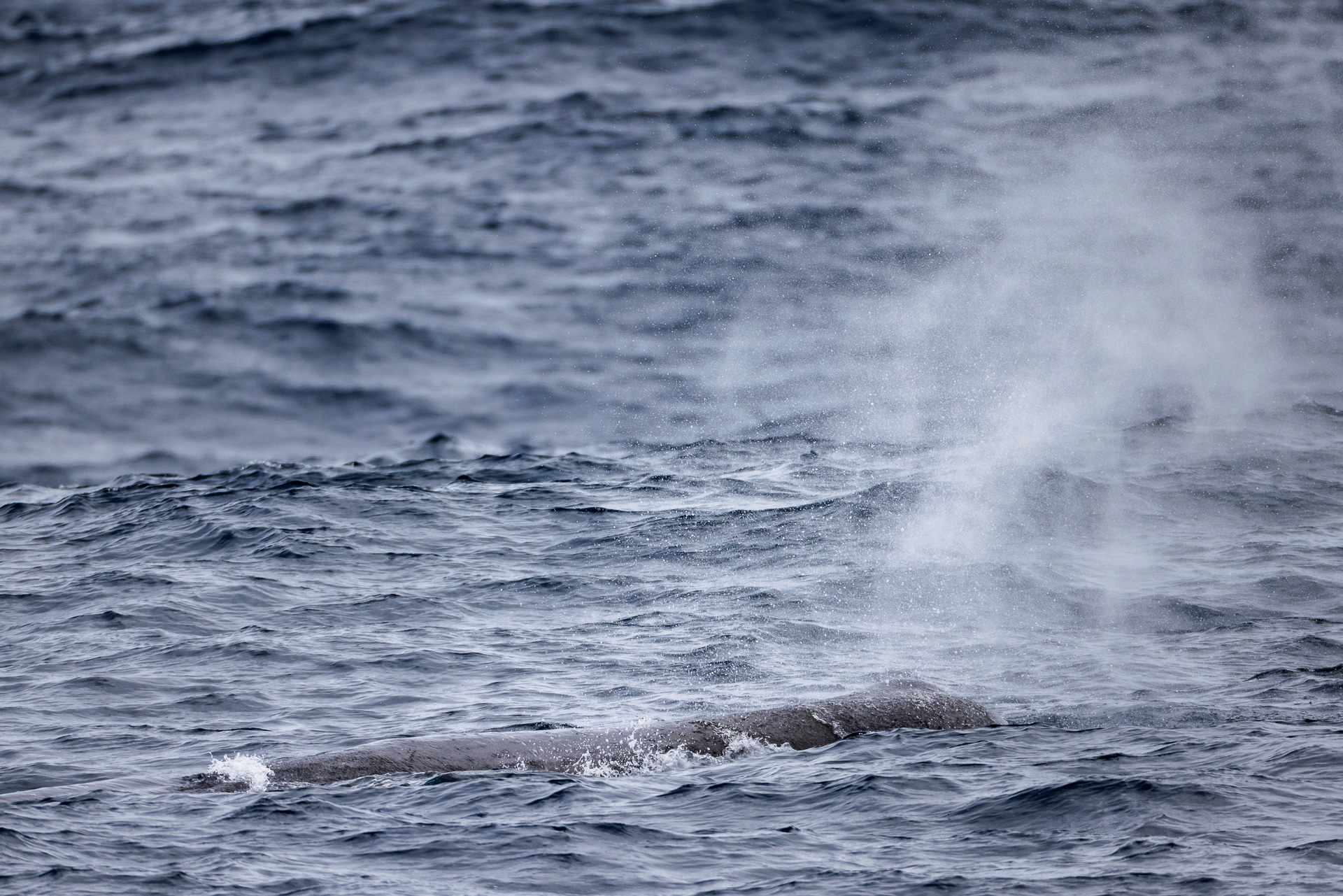
Back to the boat, thrilled with our visit to the Snares we head to the dining room for breakfast whilst the captain sets sail for Fiordland. This was a 20 hour passage, helped along by a following sea. We spent hours on the stern deck of the ship watching the albatrosses, petrels and prions soar over the waves, following in the slipstream of the ship. Two sperm whales were spotted as we approached the southwest corner of the South Island. This had us all out on the deck watching them before the afternoon lecture.
Fiordland
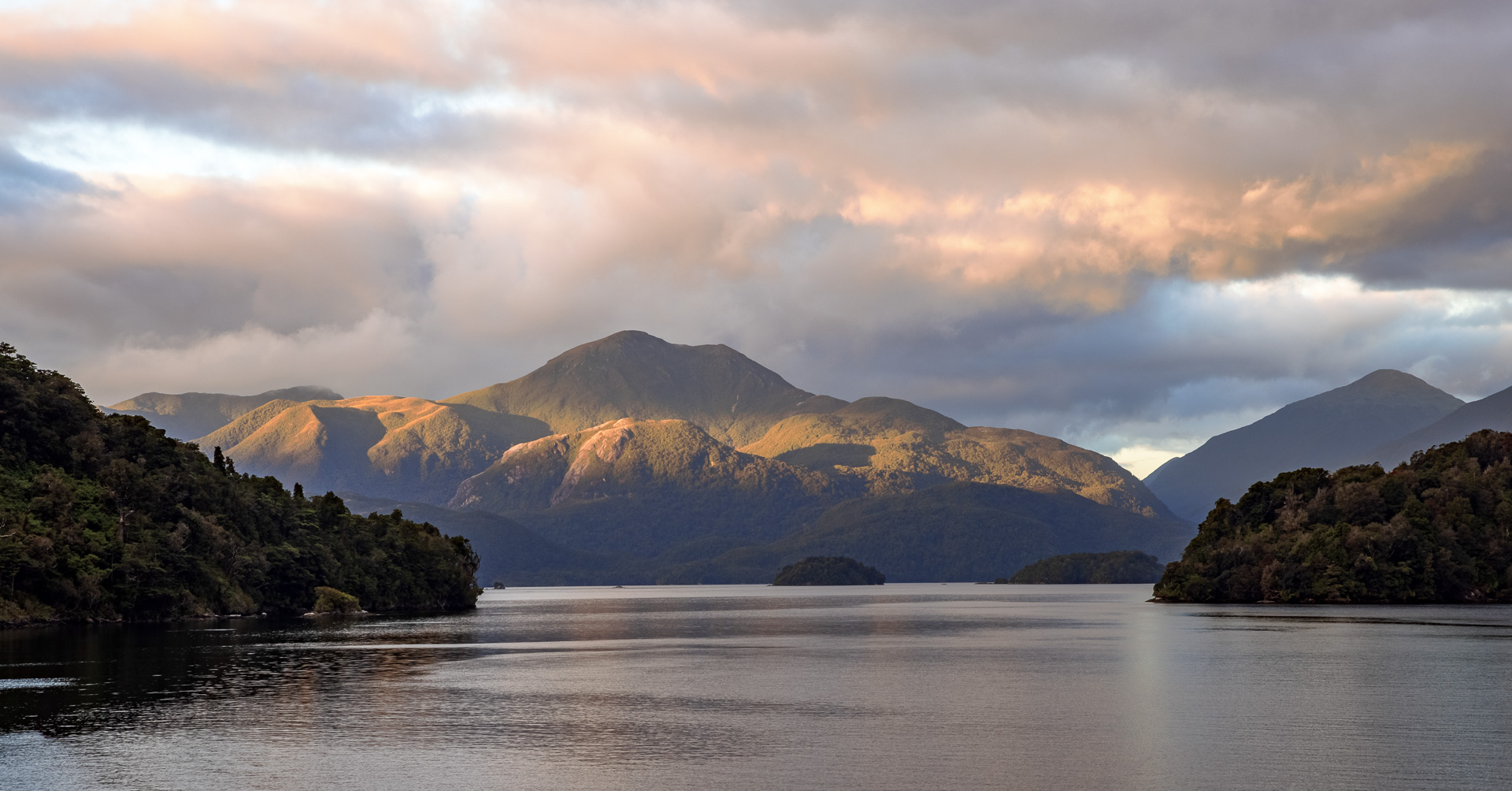
Fiordland is a spectacular area of 14 ice-carved fjords peppered with islands on the south-west corner of New Zealand. The area is a national park and most of it is only accessible by boat or by air.
Milford Sound
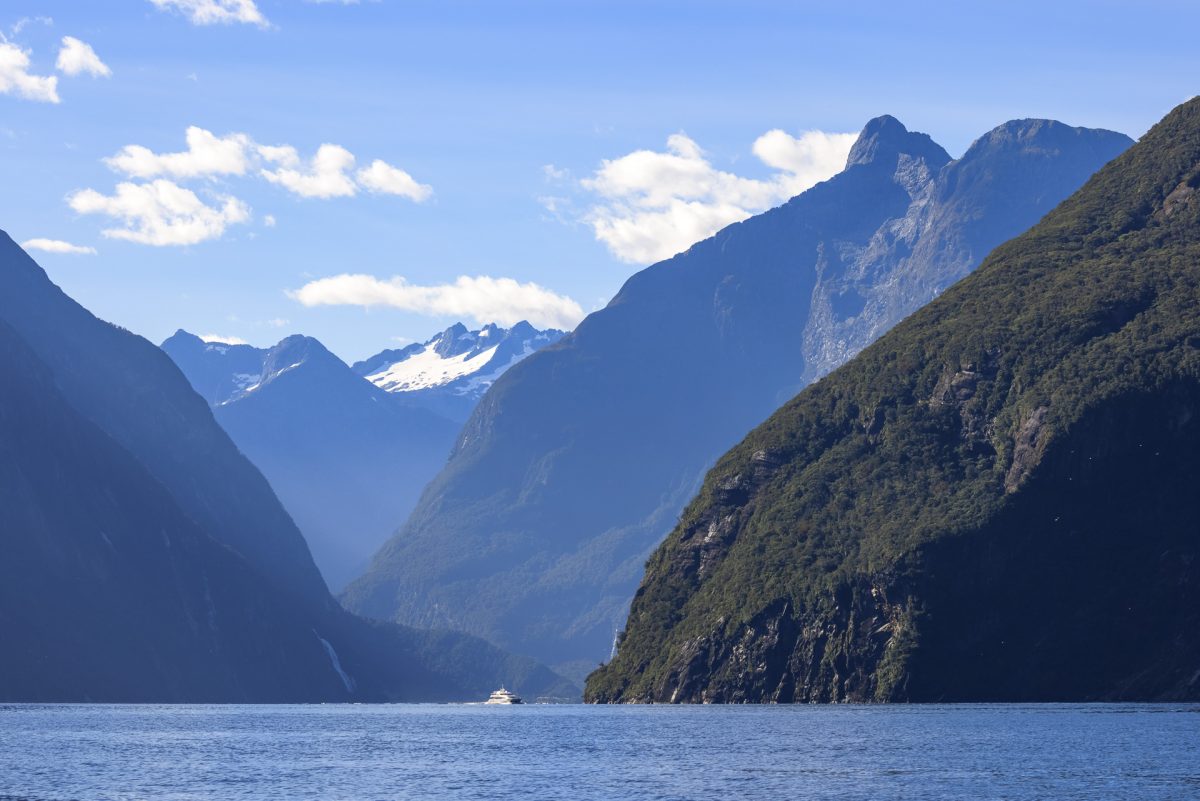
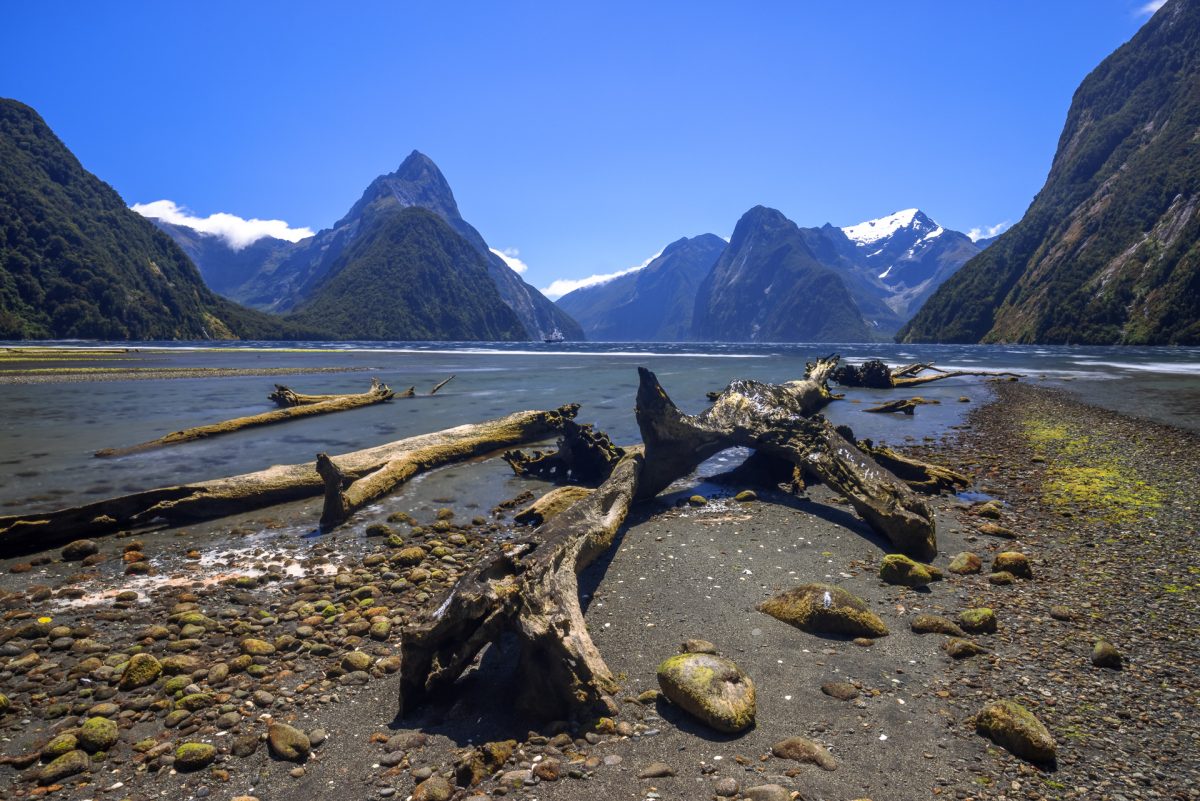
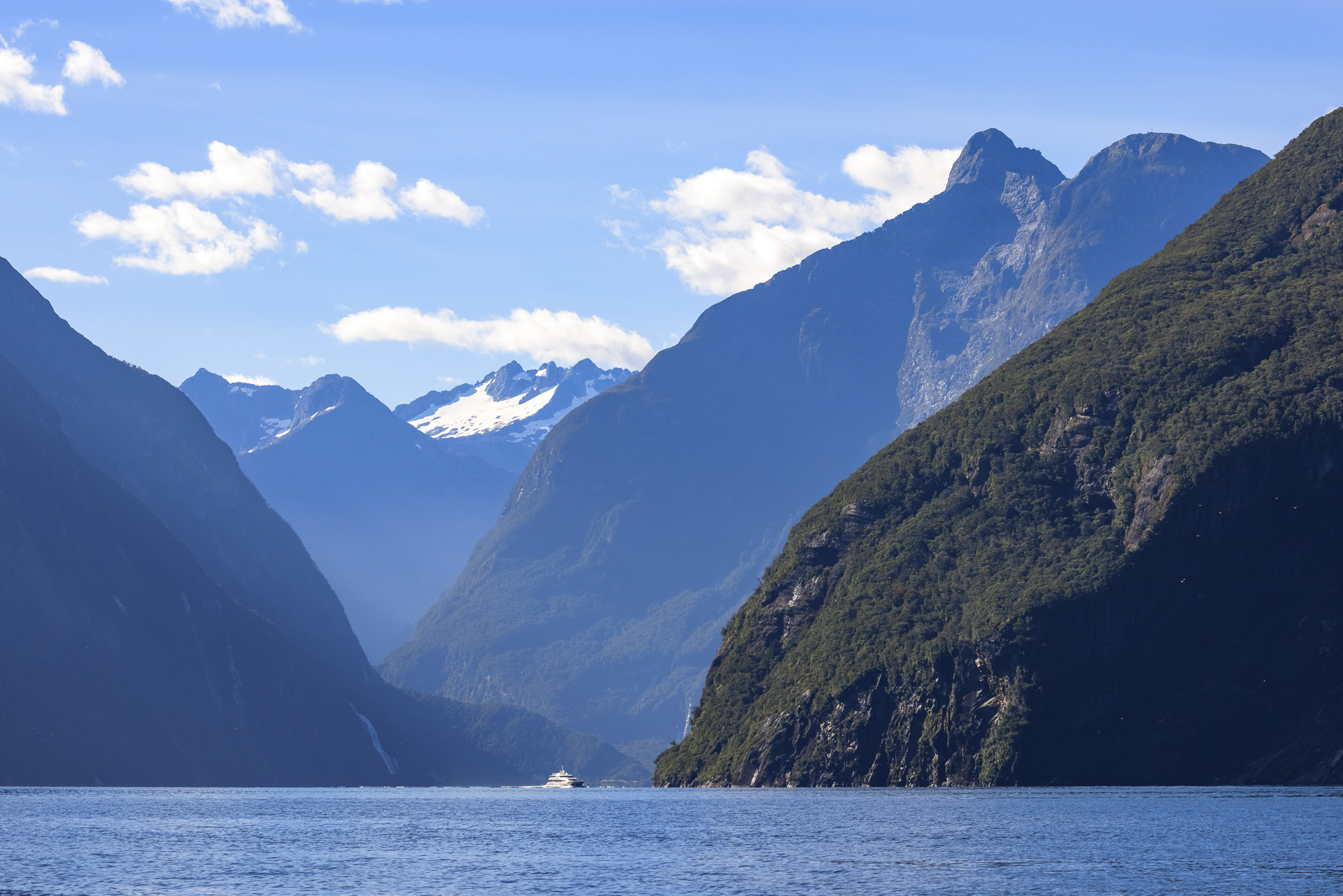
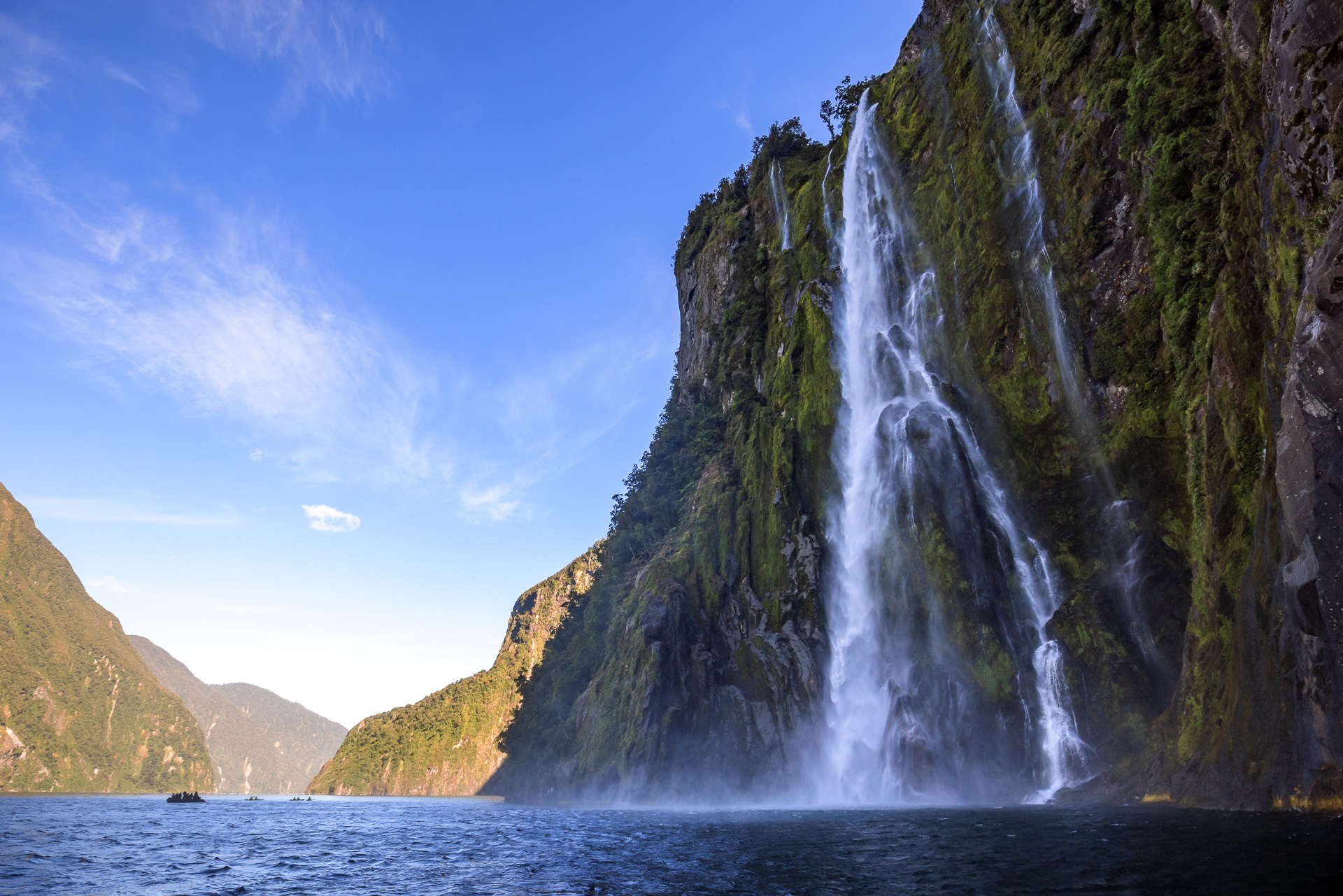
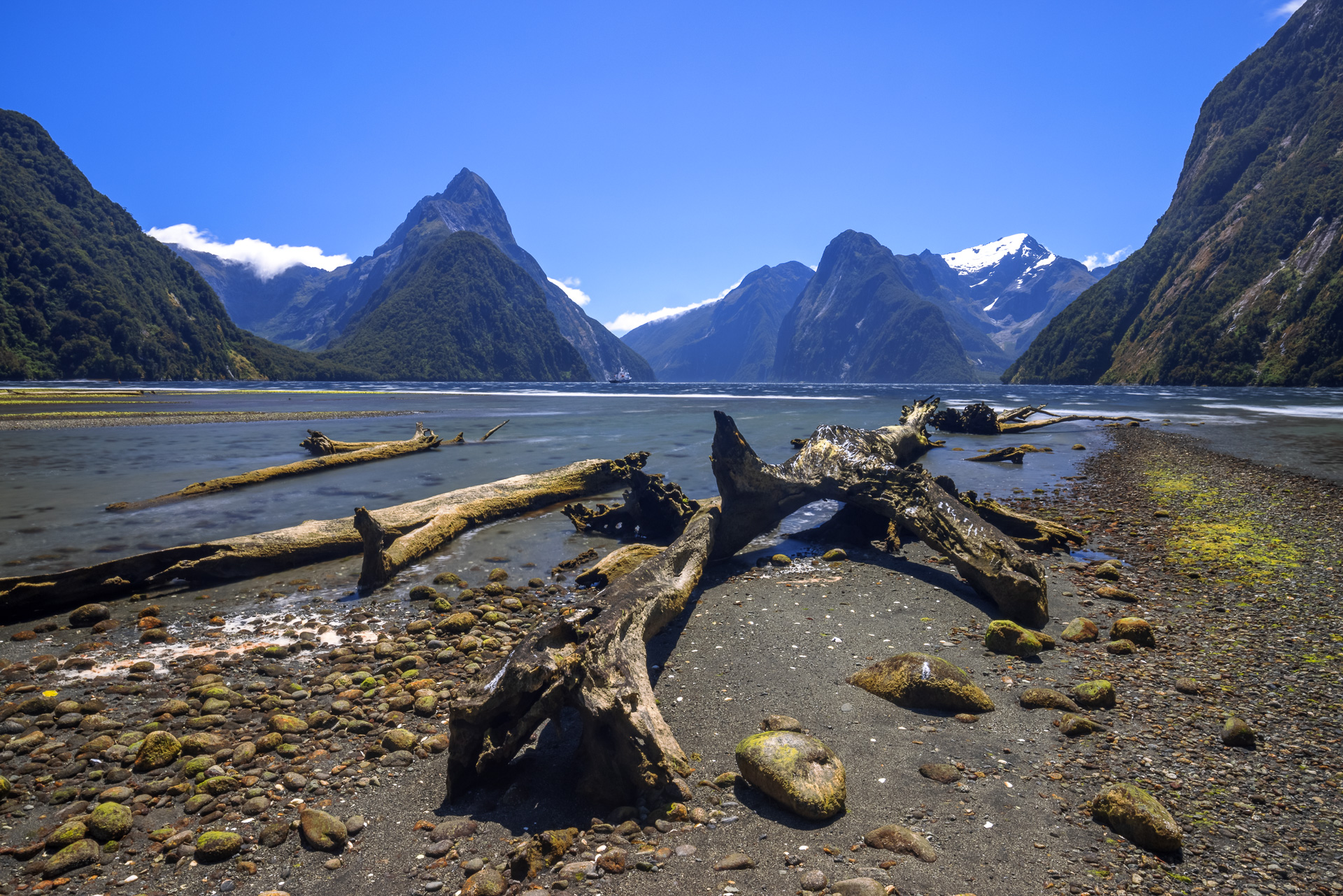
Our first stop is Milford Sound, once declared the eighth wonder of the world by Rudyard Kipling and today one of the most visited places in New Zealand. A 10km fjord with steep-sided, forested mountains with waterfalls dropping into deep blue waters. Only slightly overshadowing its namesake Milford Haven in Wales!
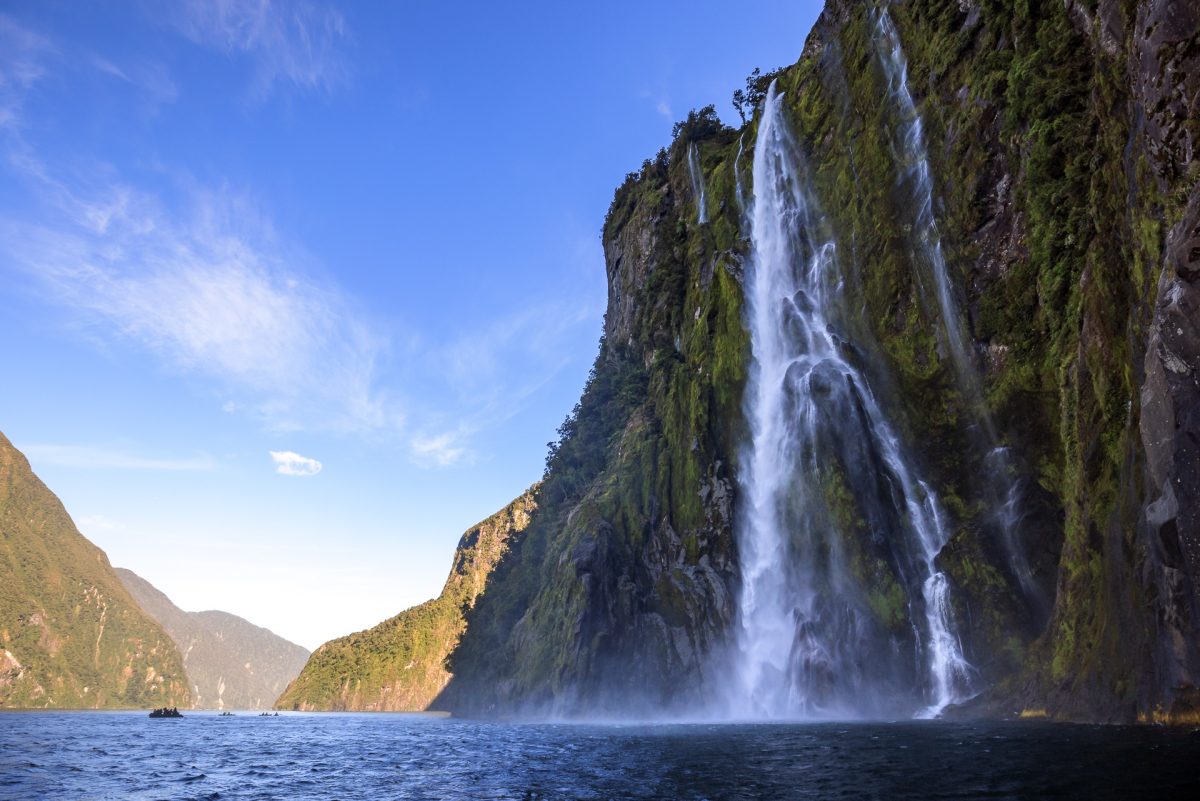
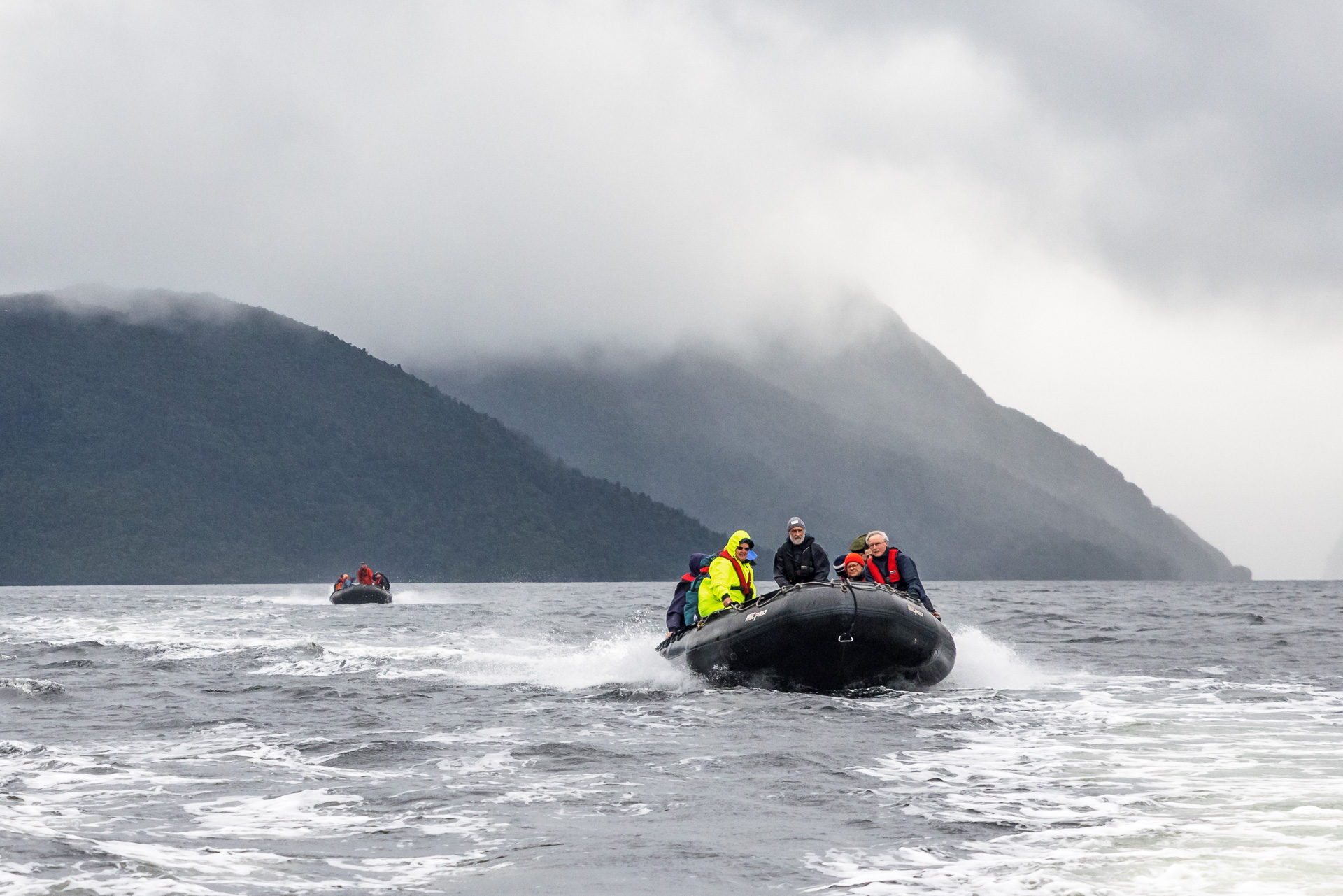
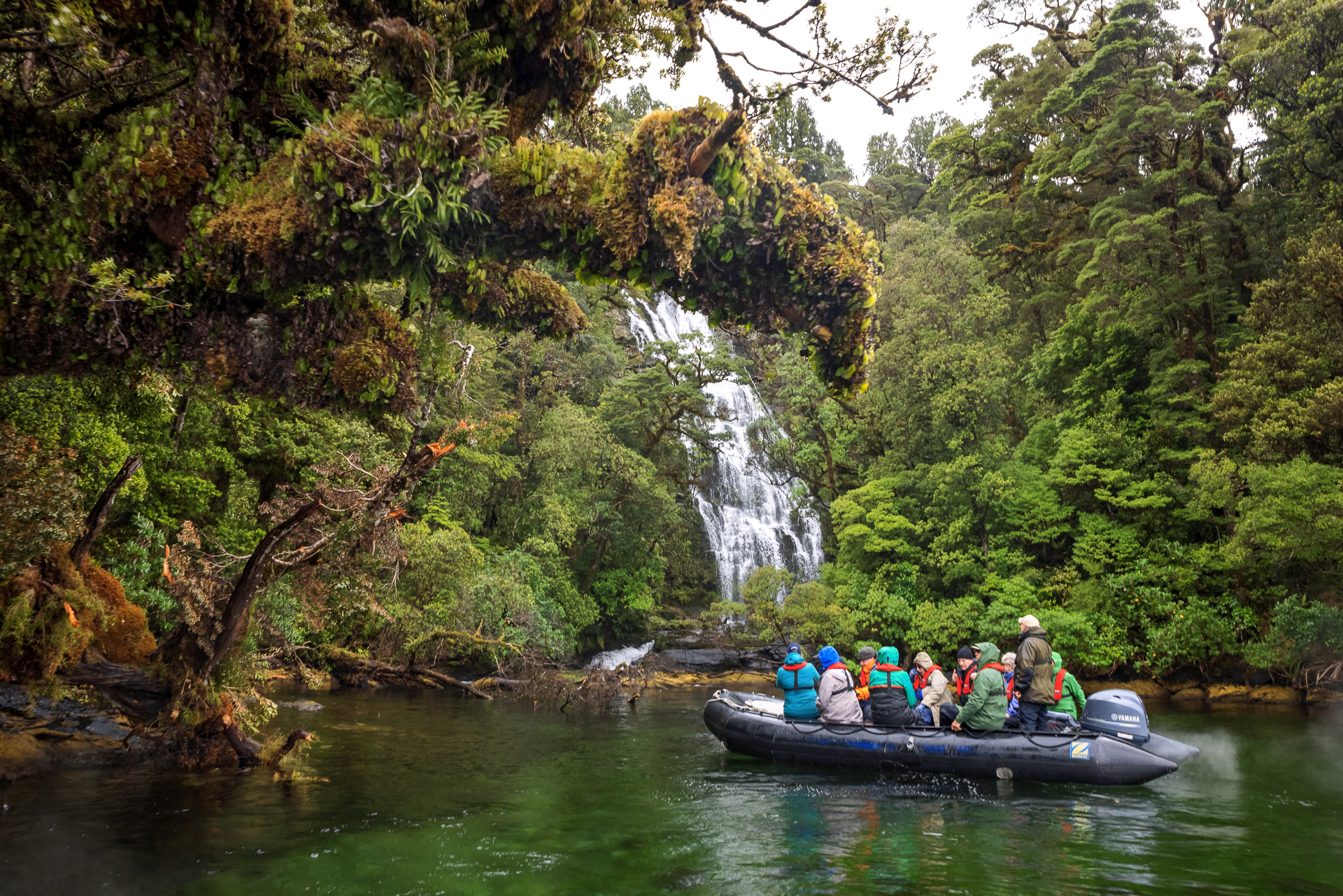
We arrived at sunrise, miraculously with not a cloud in the sky. Jumped into the Zodiacs at the head of the sound to explore the shoreline with barely another tourist boat or plane in sight. The forested mountainsides are broken up by waterfalls cascading into the water. There can be anywhere between 3 and 3000 waterfalls in the fjord depending on recent rainfall. Paying close attention to the local Maori legends told to us by our chef Linzy, we buzzed under the spray of the Stirling waterfall to extend our lives by ten years.
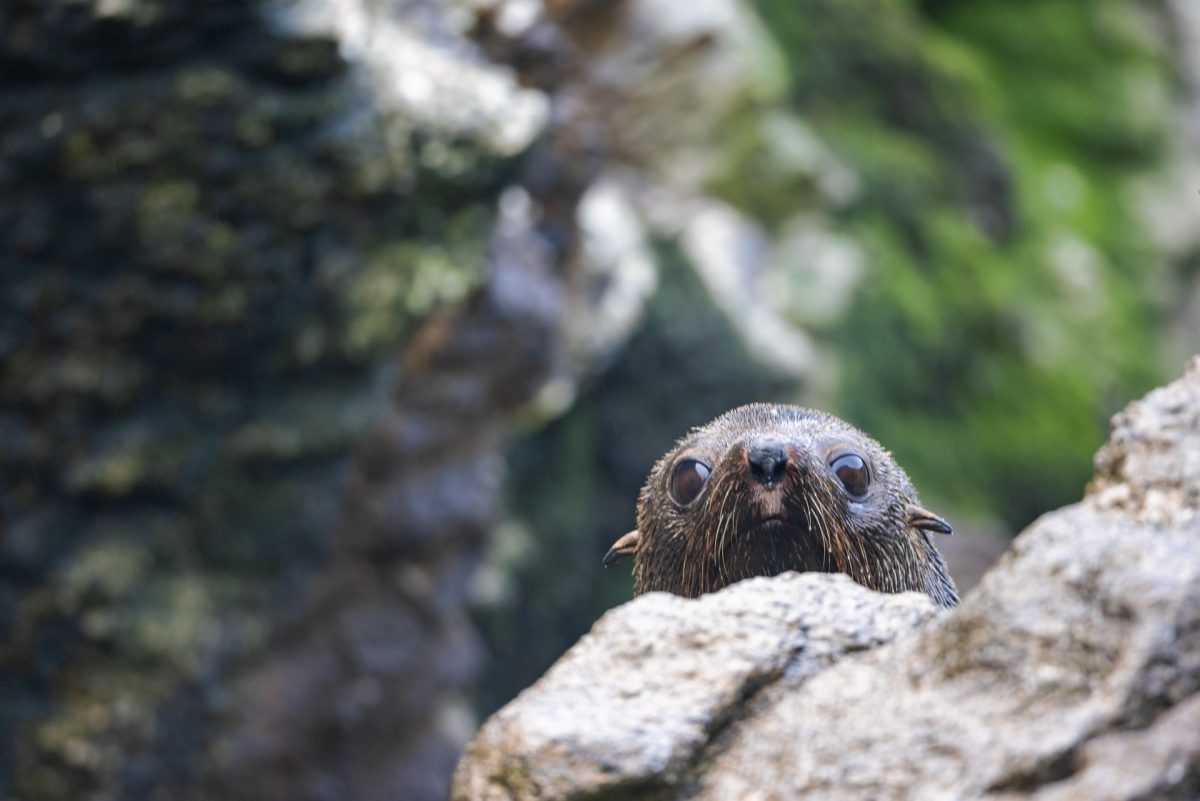
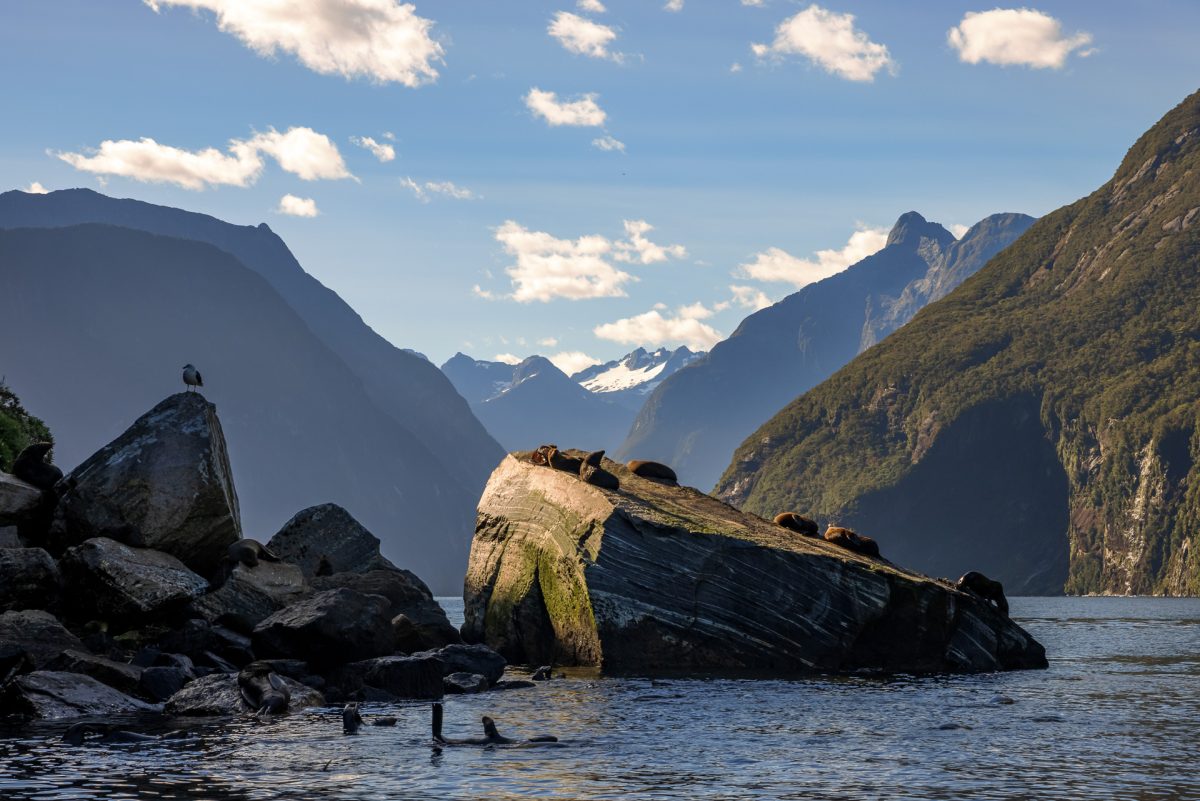
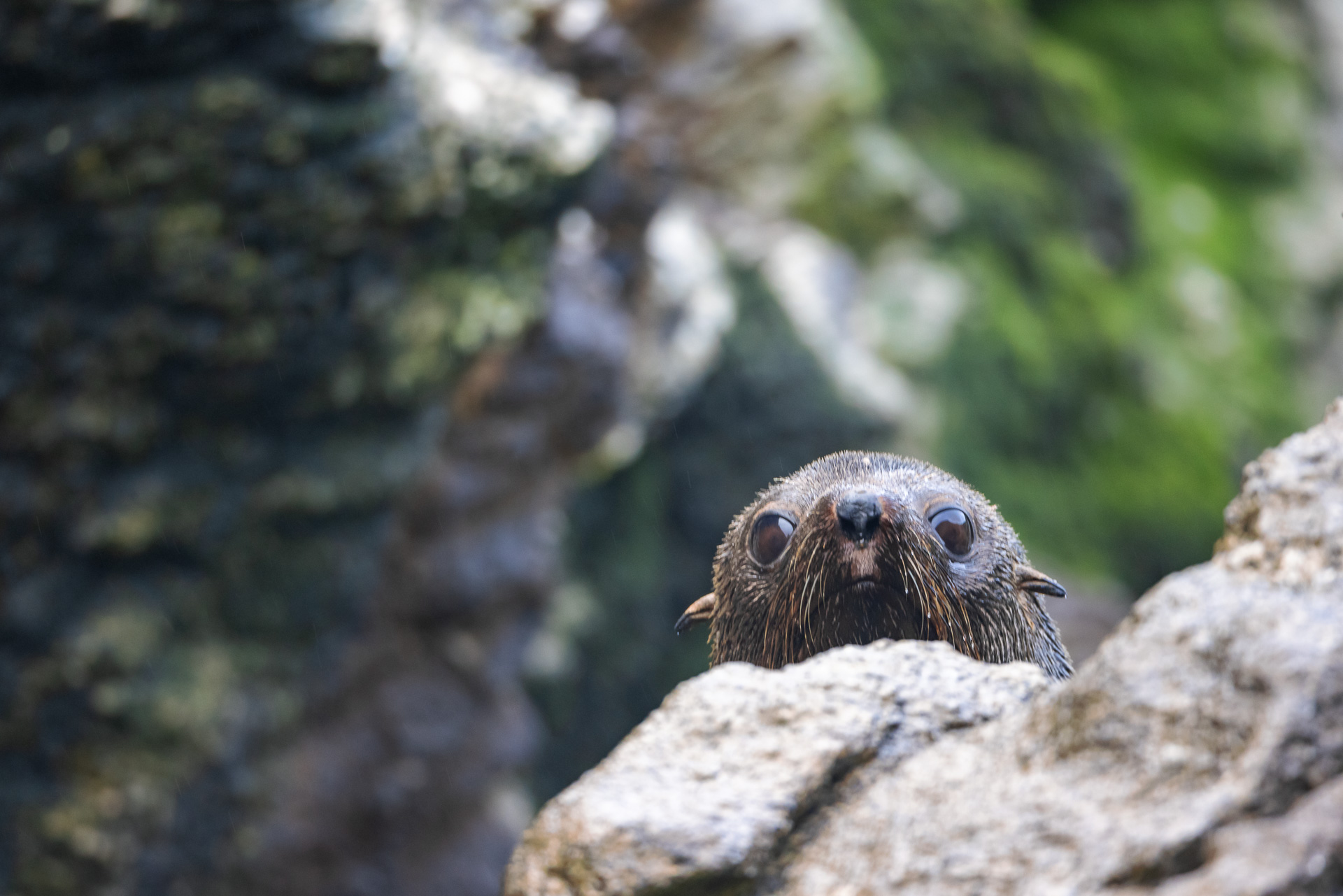
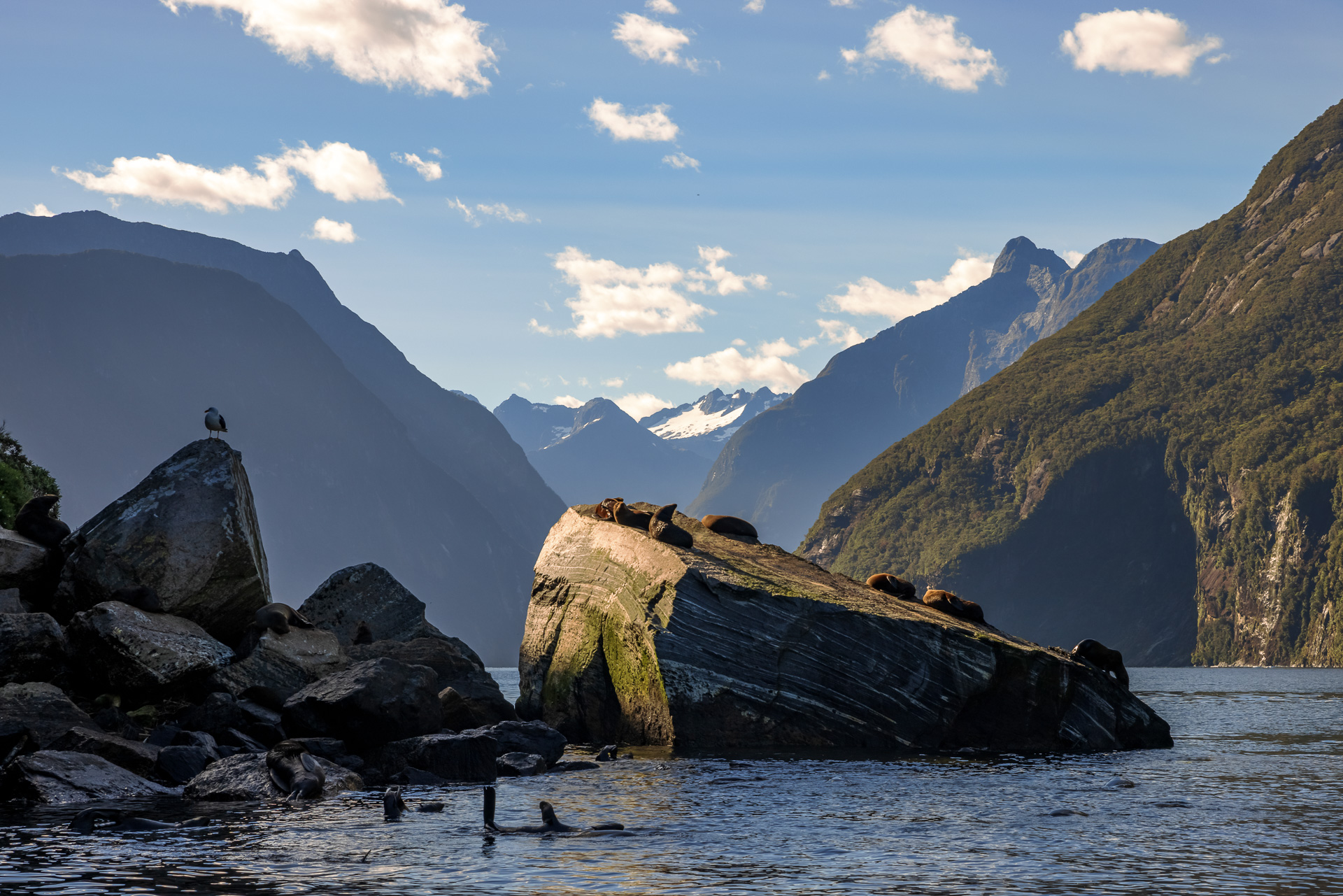
At the narrowest part of the fjord, we come across adolescent male fur seals basking in the sun. This is their favourite haunt as the wind funnels through and makes it the best spot in the sound to avoid the dreaded NZ sandflies.
Doubtful Sound
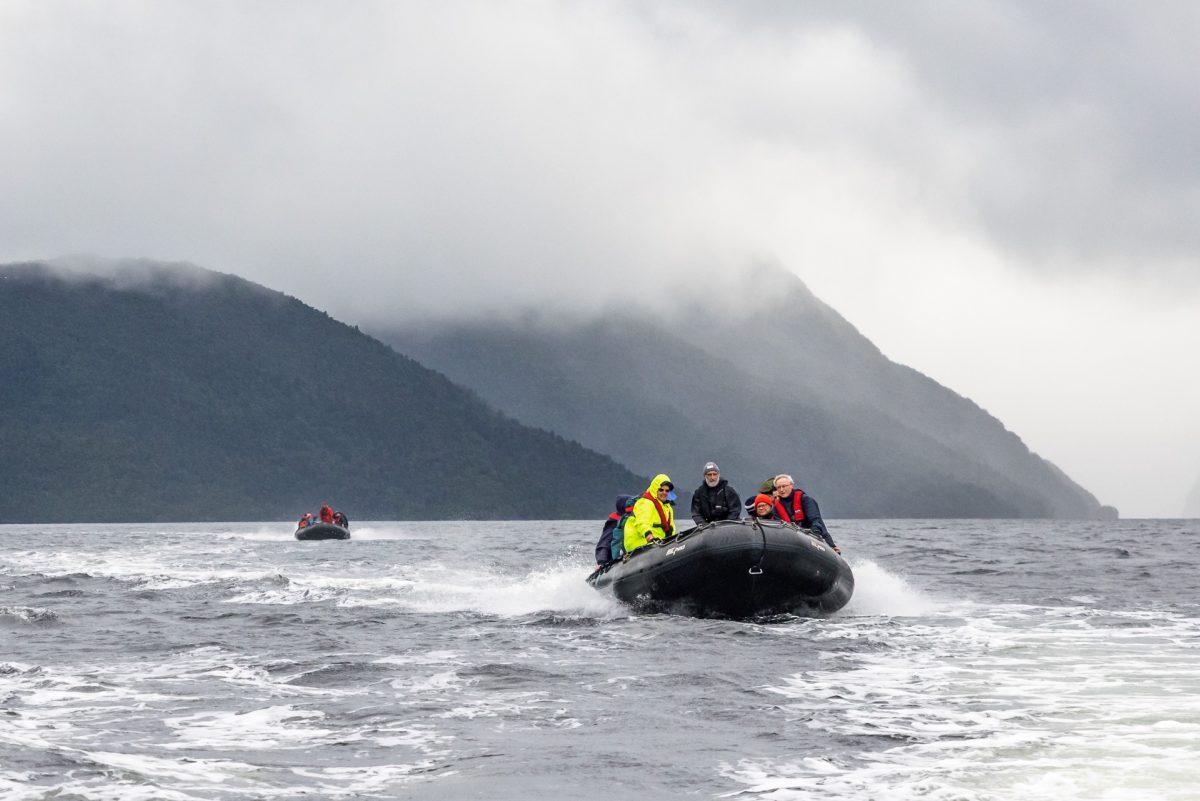
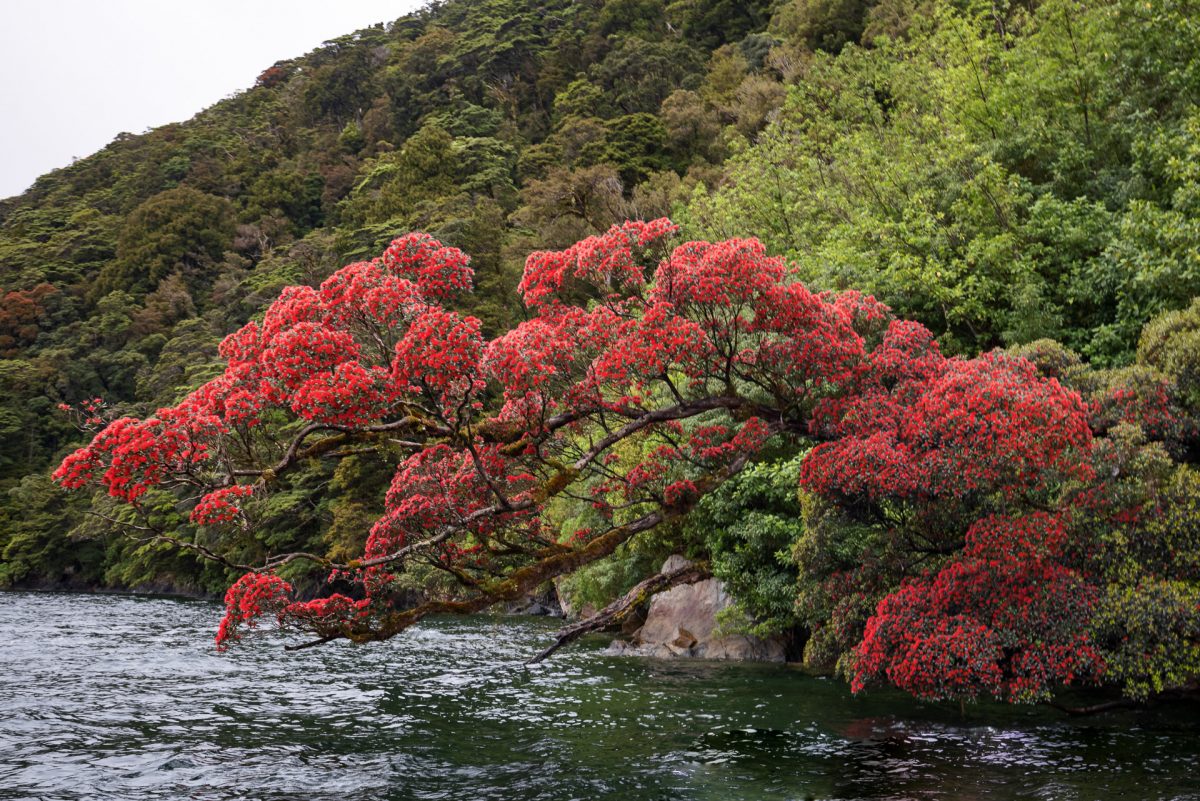
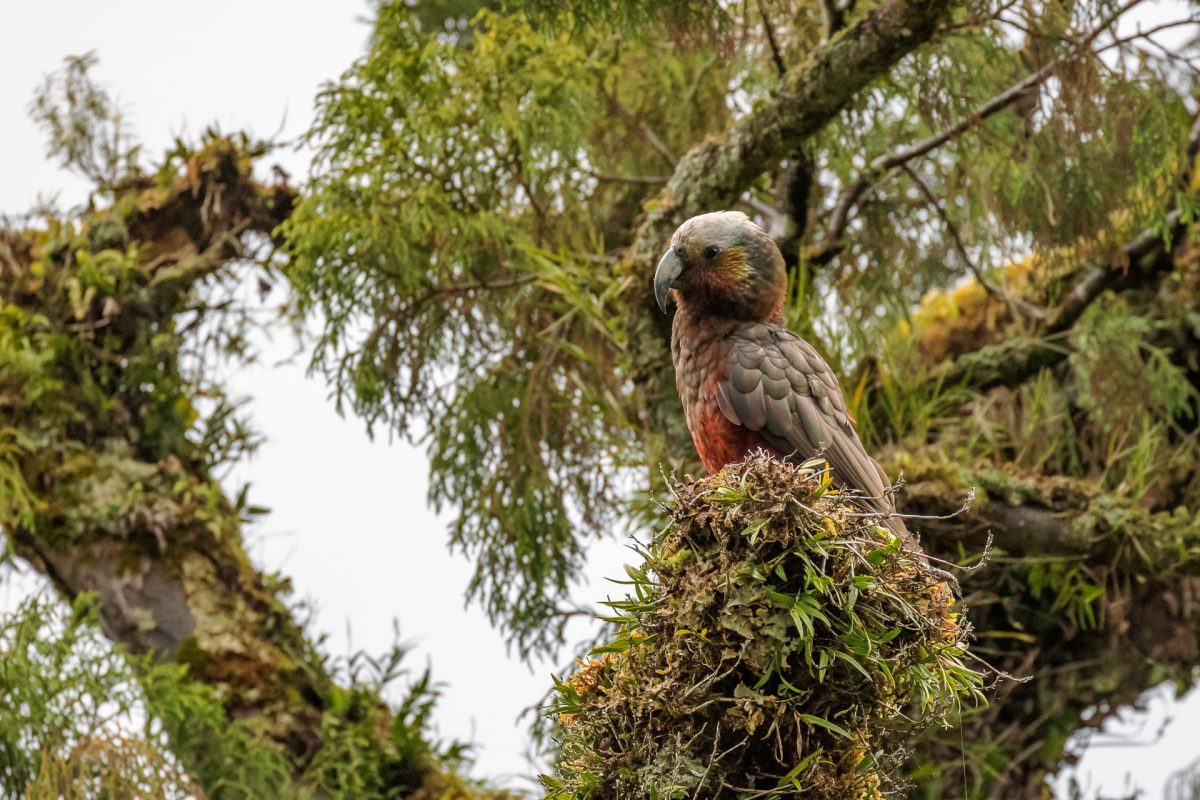
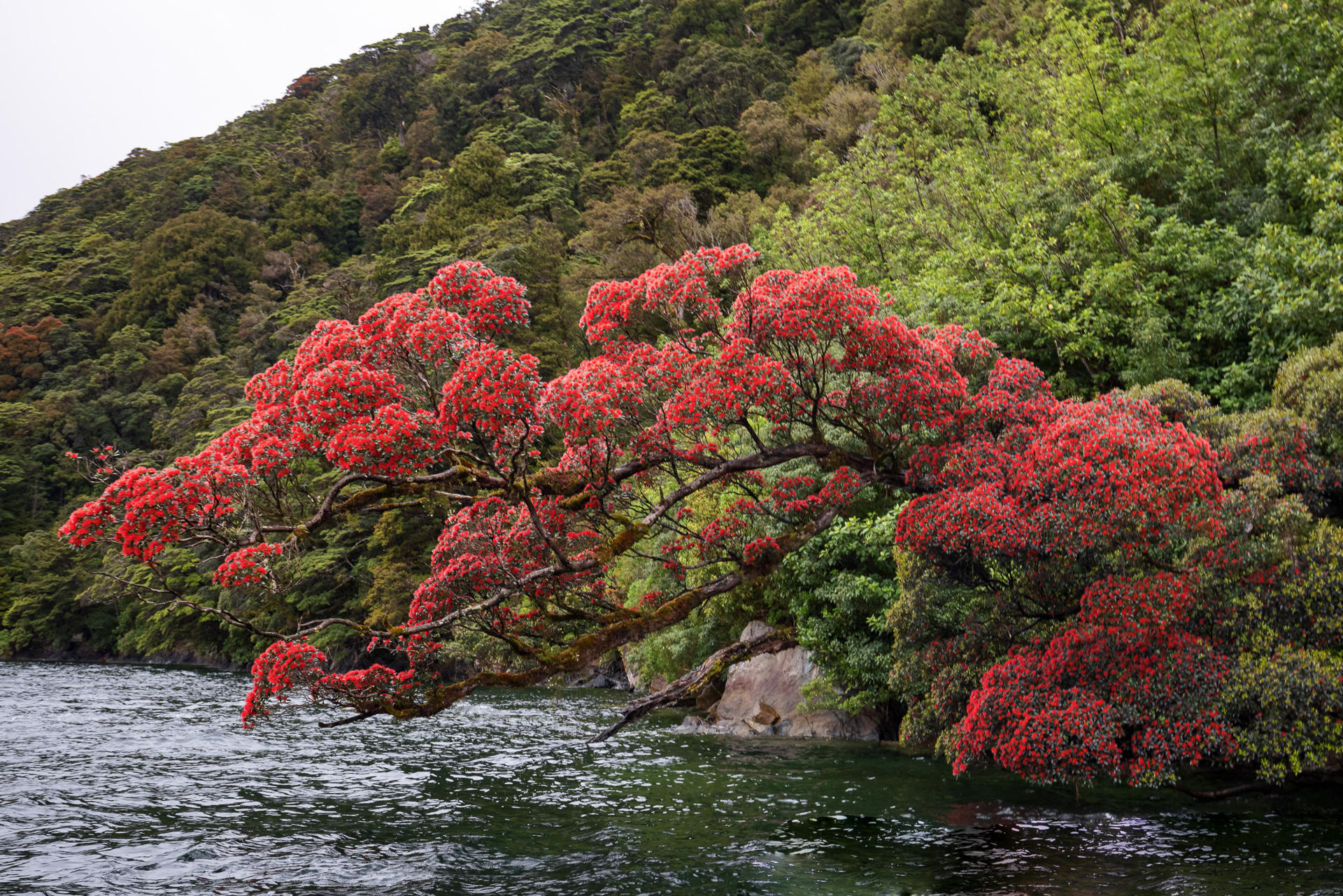
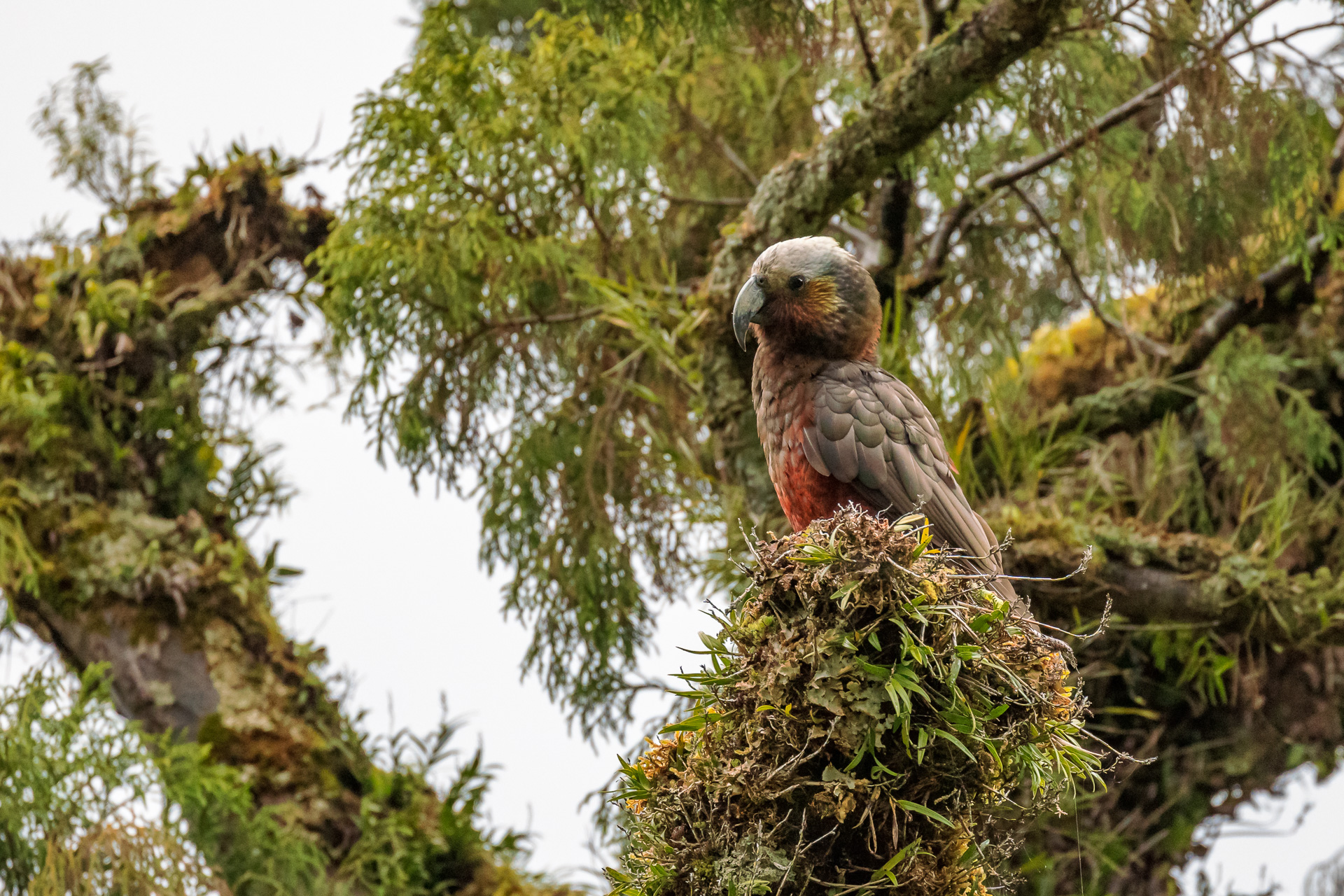
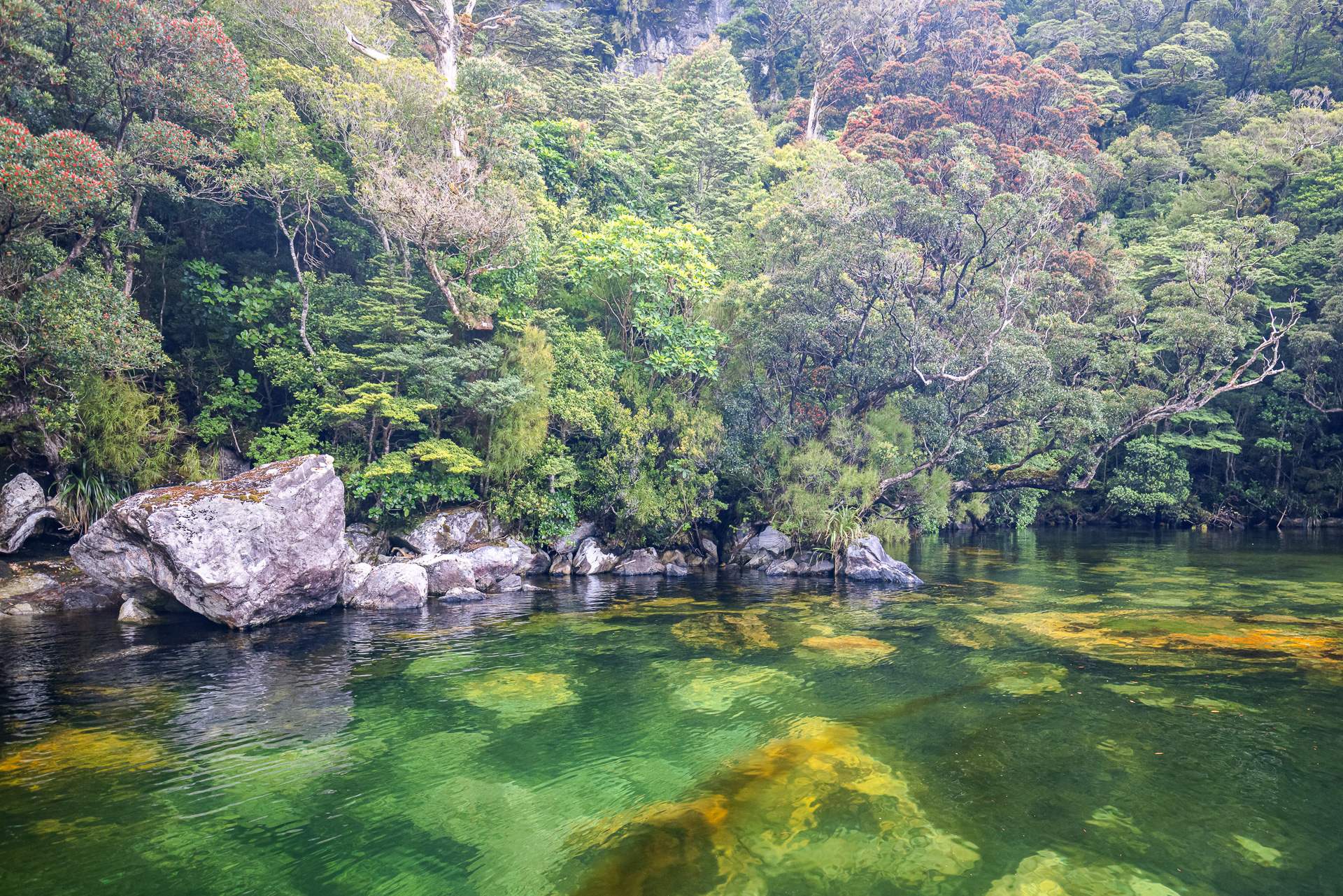
Our ship overnight cruised down to Doubtful Sound and we woke to the more typical Fiordland’s weather of mist and rain. That did not stop us from enjoying our Zodiac cruise around the coast of Secretary Island a large island at the entrance of Doubtful Sound. Beautiful rata trees with red flowers hanging over the waters, breaking up the deep greens of the bush on the hills. Waterfalls pouring into crystal clear waters. Gorgeous kaka, large brown forest parrots that you hear chatting away to each other long you before you spot them high up in the trees.

Dusky Sound
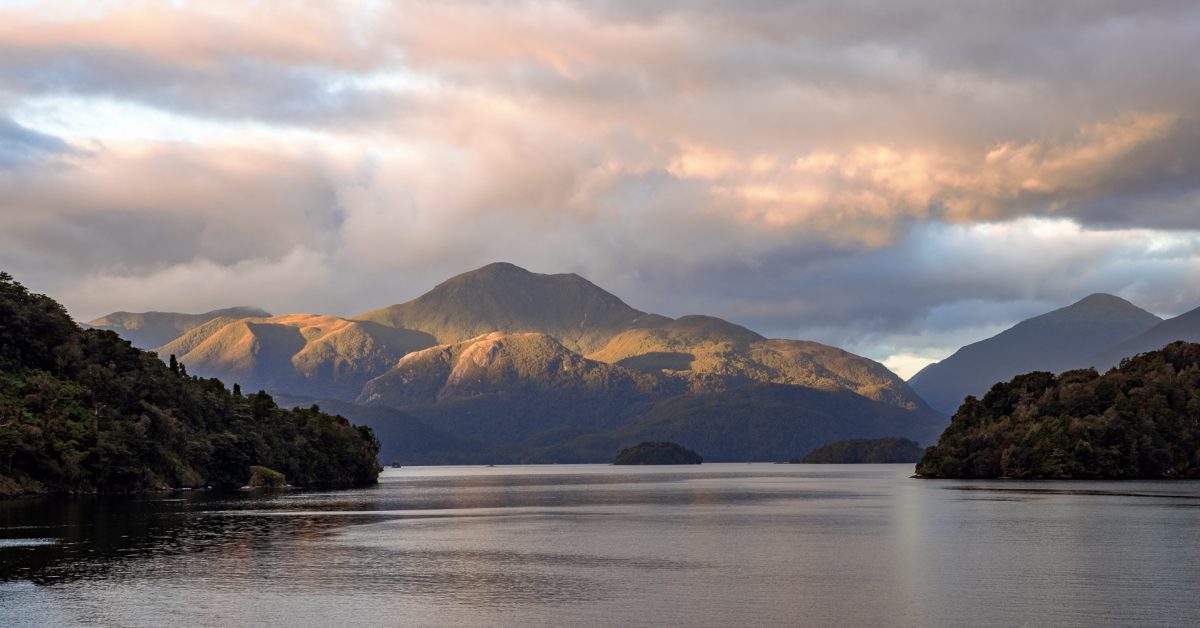
Further south is Dusky Sound, the largest of the fjords some 40km long and 8km wide. Arriving in Dusky Sound, we took the scenic route winding through the narrow Acheron Passage, enjoying the views of the winding glacier carved waterways. Passing multiple rivers and waterfalls threading their way down the mountains and cascading into the sound.
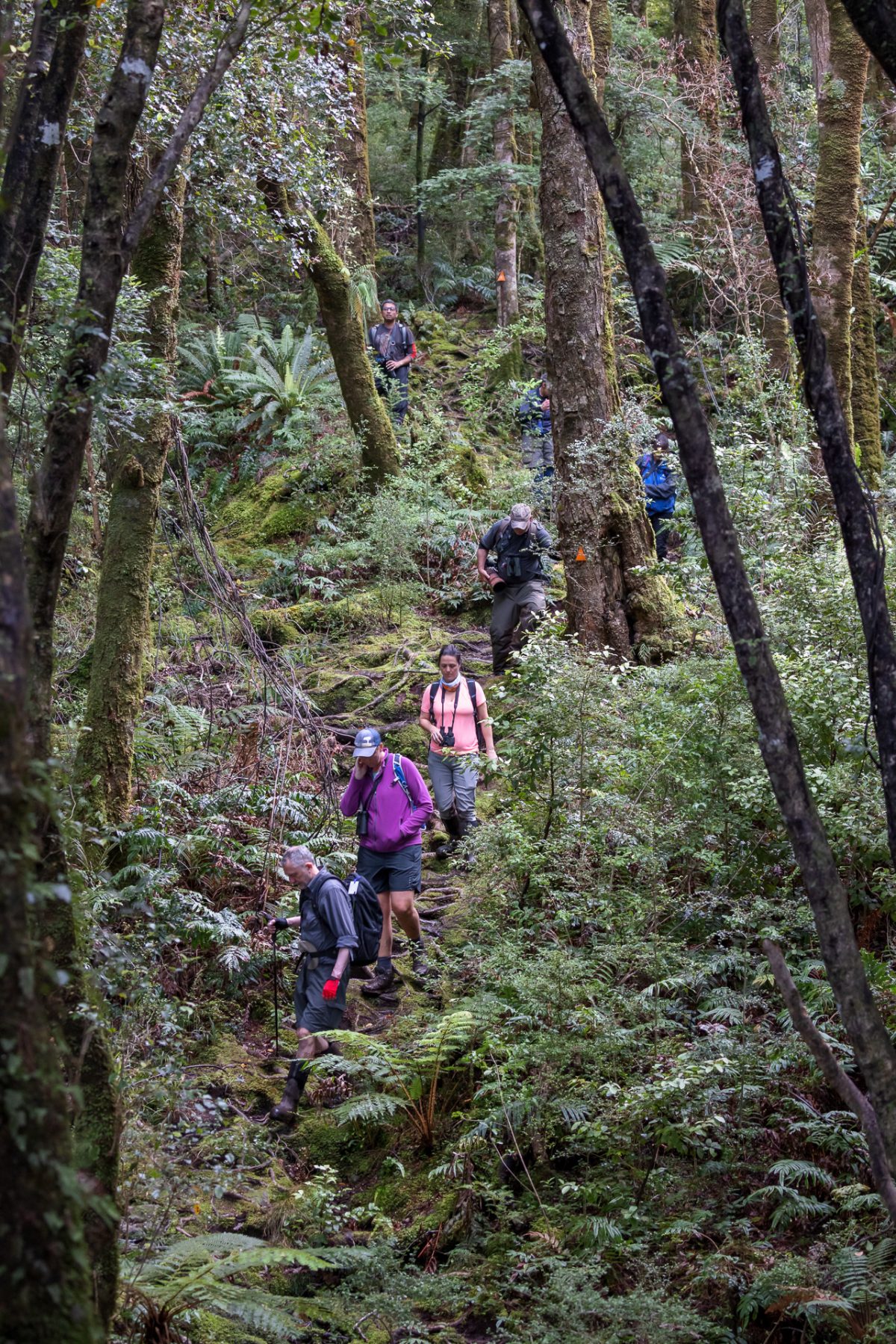
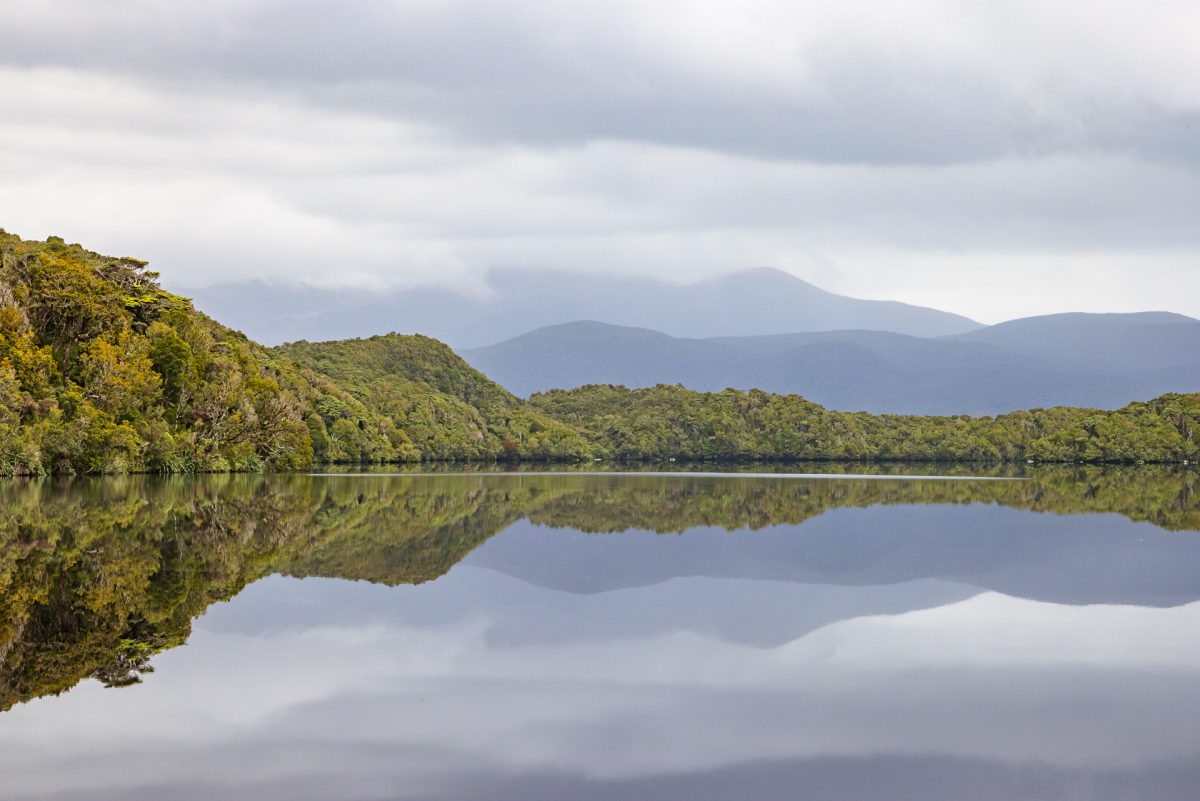
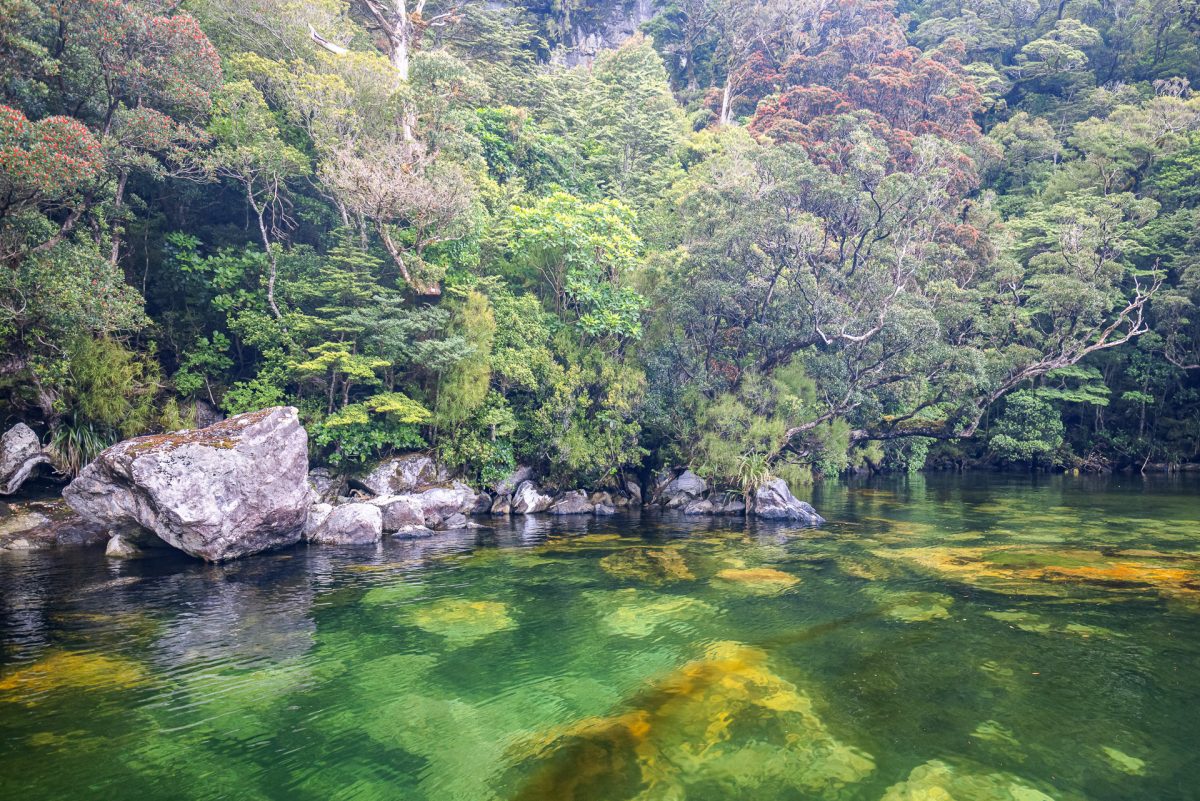
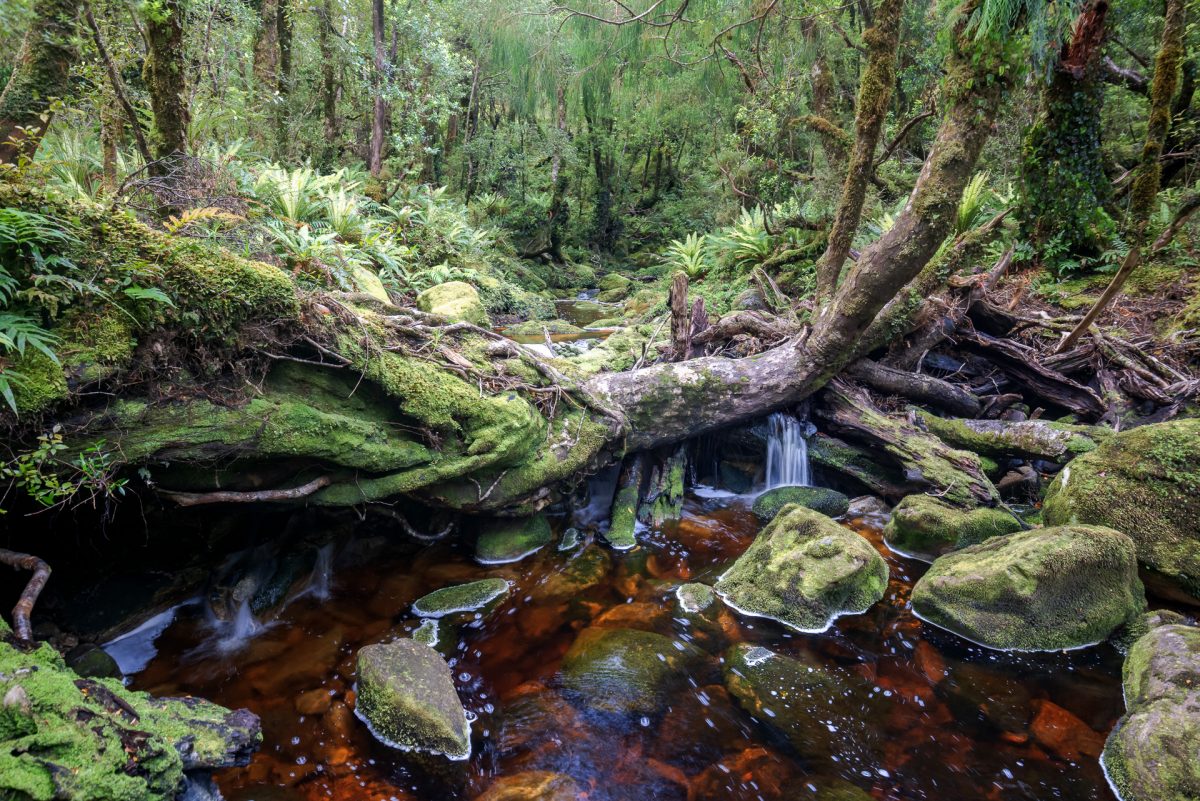
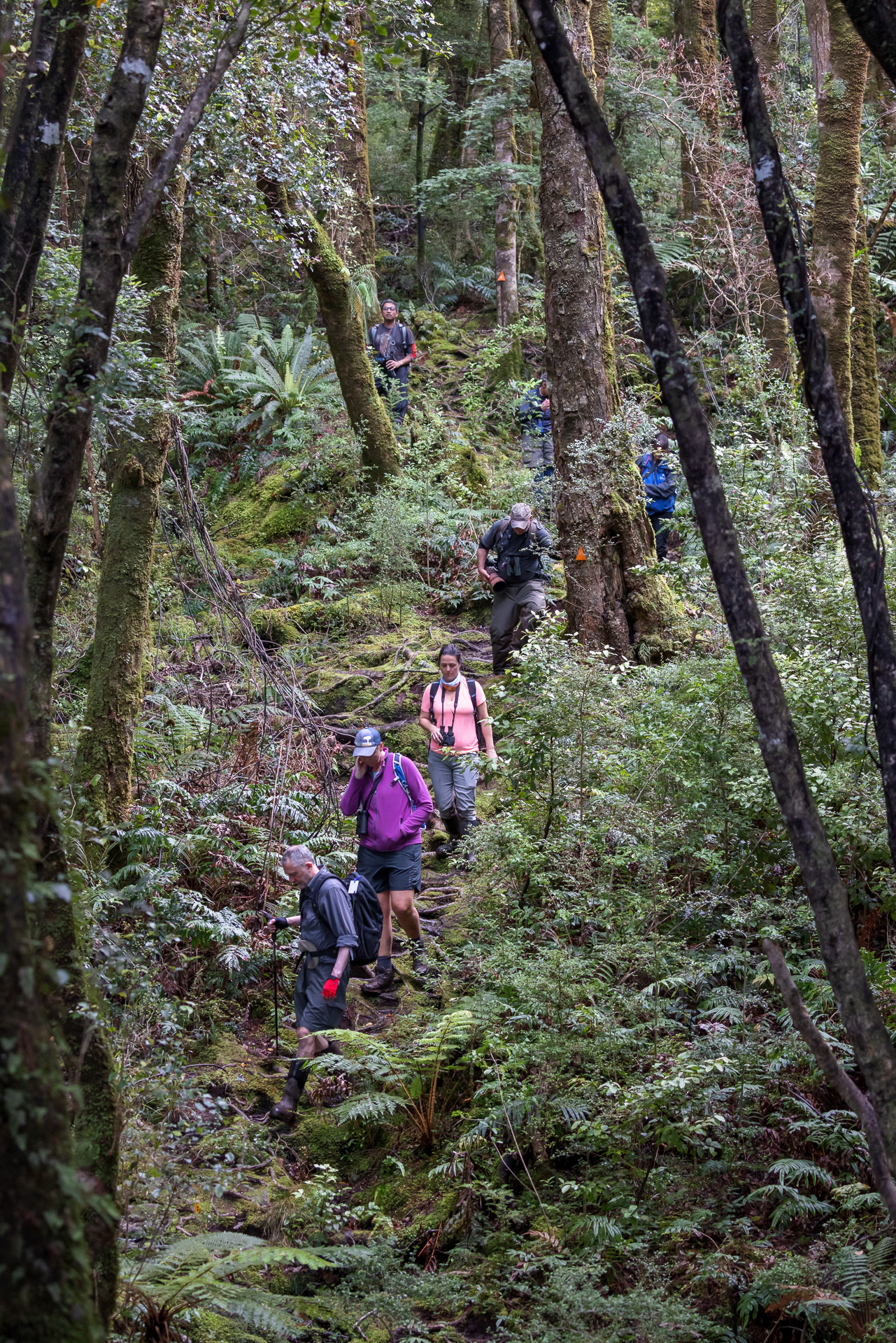
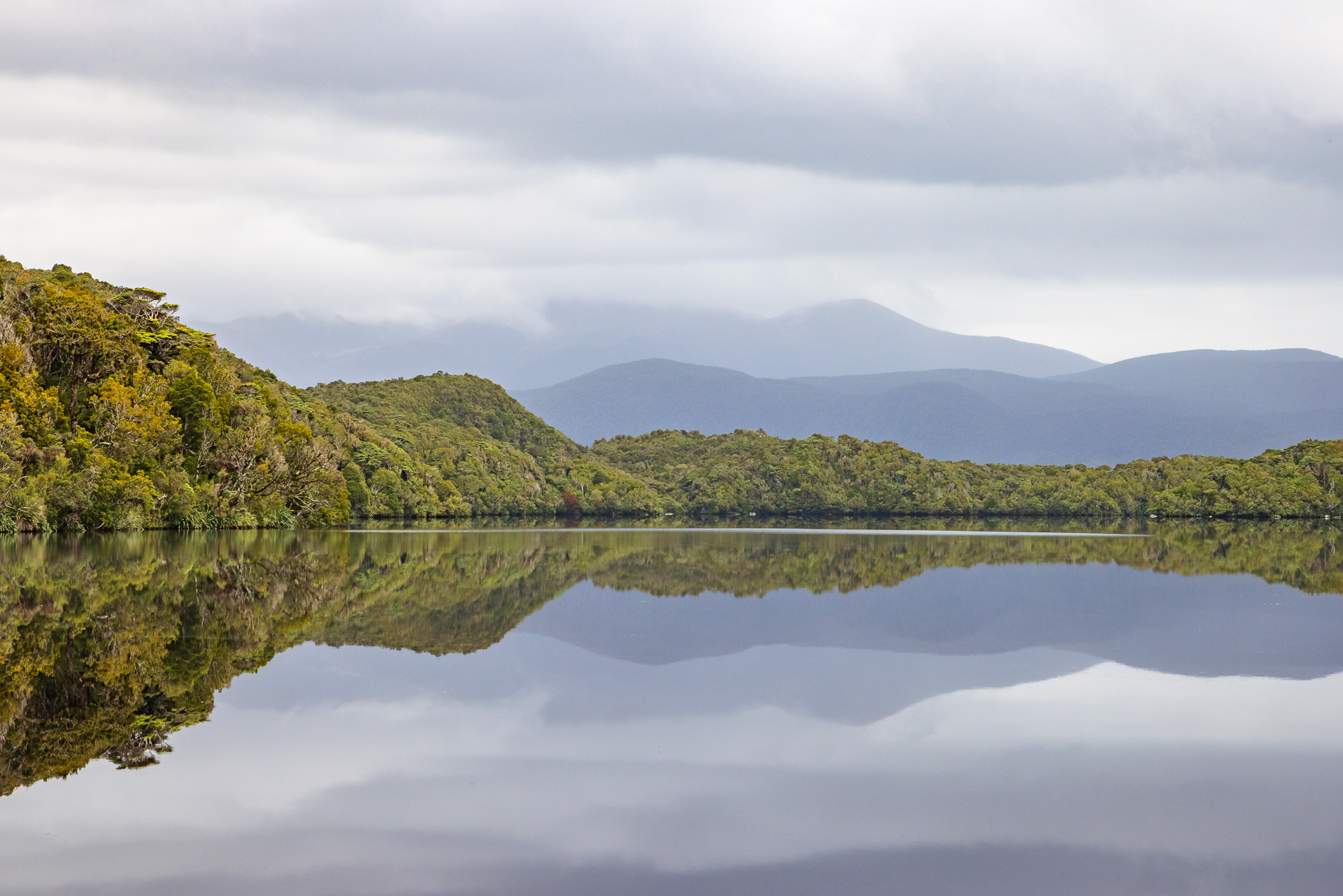
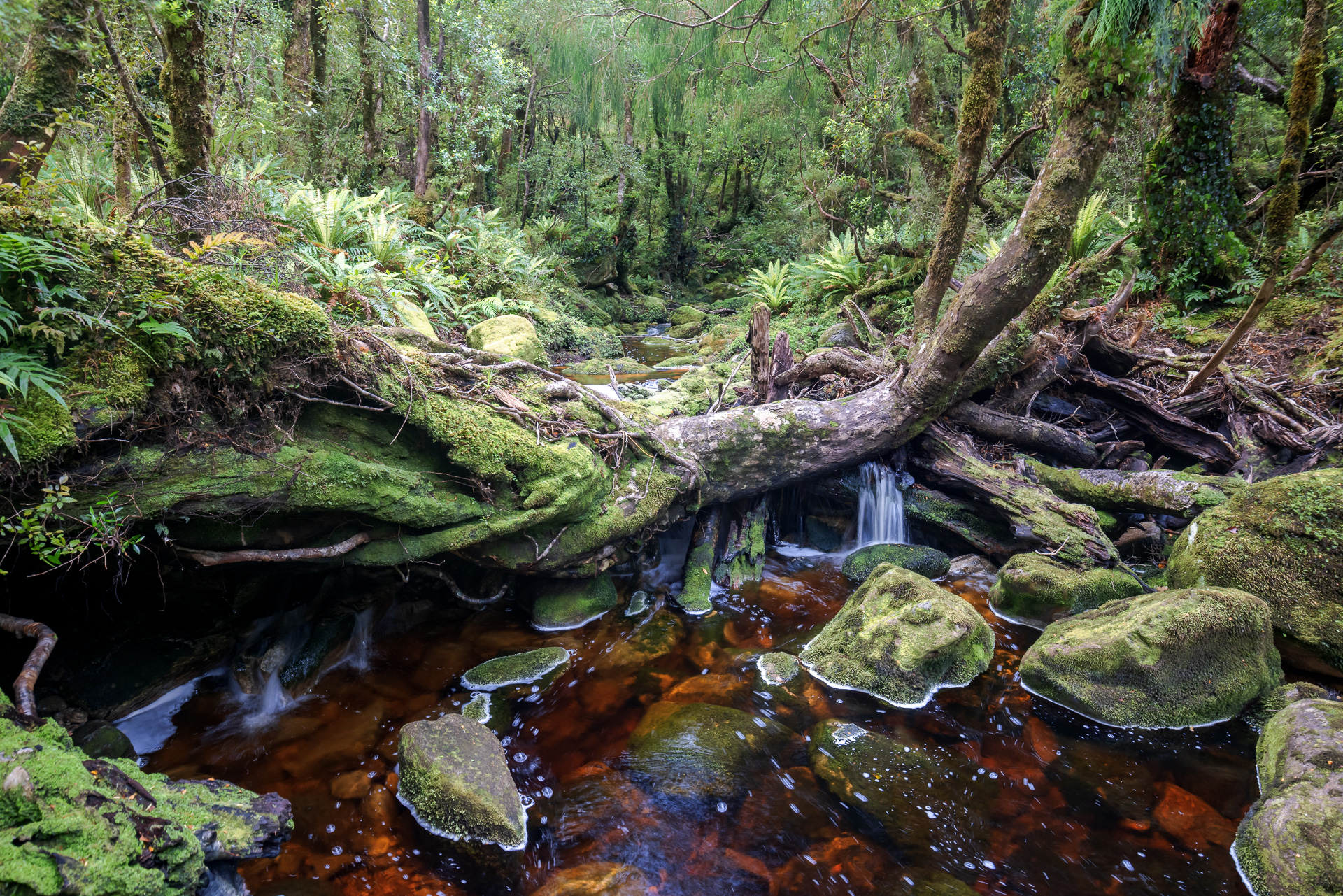
Lindsay, one of our guides on board manages the conservation in Dusky Sound, which involves a combination of reducing predators on the islands and then relocating endangered endemic birds to the islands. We spent a good couple of days exploring a fraction of Dusky Sound’s 365 islands by Zodiac and on foot. Including a great day hiking through the bush in the predator-free Anchor Island to the perfectly still Lake Kirirua. Topped off with a refreshing dip in the cooling, crystal clear waters of Luncheon Bay. A couple of curious fur seals came and swam around us, wondering at these strange people swimming in their waters. Note – only the girls in the group went swimming, the boys were far too wussy!




Hi Miranda and Chris,
It’s Susan Thomas from Utah. An old CMH ski buddy.
Stunningly beautiful. Takes my breathe away. What an adventure. Great narrative and photos.
Thanks for sharing.
Thank you Susan, its an amazing country, we are lucky to be here!